REVIEW · CHINATOWN BANGKOK
Bangkok: Chinatown Night Food Tour
Book on GetYourGuide →Operated by Asia Food Tours by Navatas · Bookable on GetYourGuide
Chinatown changes after dark, and this tour is built for that exact moment. You’ll walk through Yaowarat, Bangkok’s storied 200-year-old Chinese community, with a guide who connects what you’re eating to what you’re seeing on the street. I especially like the way the tour mixes street-food energy with stories about the neighborhood’s Thai-Chinese character, and I also love the focus on real food variety thanks to seven tasting locations.
Another thing I appreciate: the guides often bring strong personality and context. Names that come up again and again include Jongkie, Ninee, Olive, Nood, and Mae, and their common thread is making the walk feel personal, not like a food grab-and-go line. One possible drawback: it’s 210 minutes on your feet in evening heat and crowds, so comfy shoes matter more than you’d think, especially if you’re sensitive to temperature.
In This Review
- Key highlights worth planning for
- Yaowarat at night: why this Bangkok Chinatown food tour works
- Meeting at Bangkok Center Hotel near Hua Lamphong MRT Exit 4
- What you actually do for 210 minutes (and why it feels like more)
- The seven tasting stops: how the food lineup is built
- Food you can expect to sample (and what to watch for)
- Between bites: stories, landmarks, and the Thai-Chinese neighborhood logic
- Guides and pace: what to look for in your experience
- Price and value: is $57 reasonable for Bangkok Chinatown?
- Who this tour suits best (and who should reconsider)
- Practical comfort tips for a smoother Chinatown night
- Final verdict: should you book this Bangkok Chinatown Night Food Tour?
- FAQ
- How long is the Bangkok Chinatown Night Food Tour?
- What’s included in the $57 per person price?
- Where do I meet the tour guide?
- What language is the tour guide?
- Is this tour a private group?
- What payment flexibility and cancellation options are available?
- Are pets, smoking, or luggage allowed?
Key highlights worth planning for
- Seven food tasting stops across street stalls and well-known restaurants, so you’re not stuck eating only one style of food
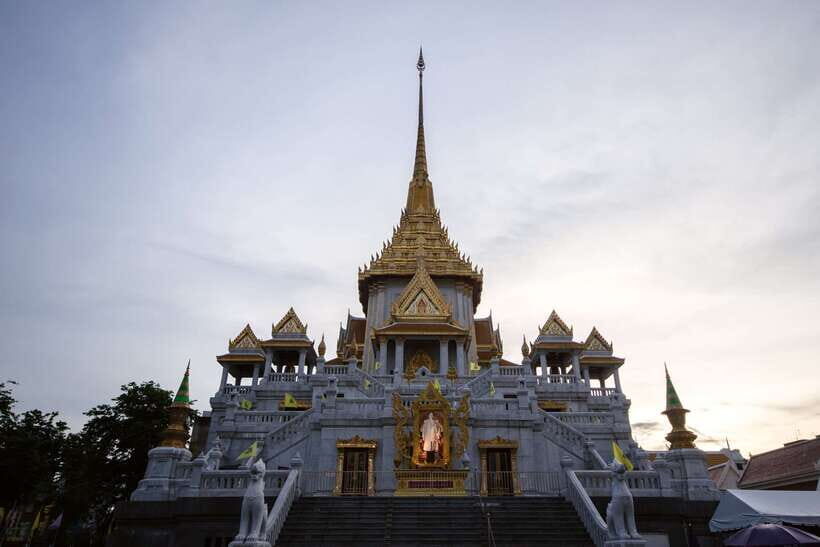
- Yaowarat neighborhood storytelling between bites, including religious and cultural landmarks
- Memorable food examples such as lychee ice cream, tropical fruit drinks, and a black sesame dumpling in ginger tea
- English live guide in a private-group format, which makes it easier to ask questions and keep the pace comfortable
- Guide names you may meet, including Jongkie, Ninee, Olive, Preme, Nood, Mae, and Lily, all praised for turning the walk into a learning experience
Yaowarat at night: why this Bangkok Chinatown food tour works
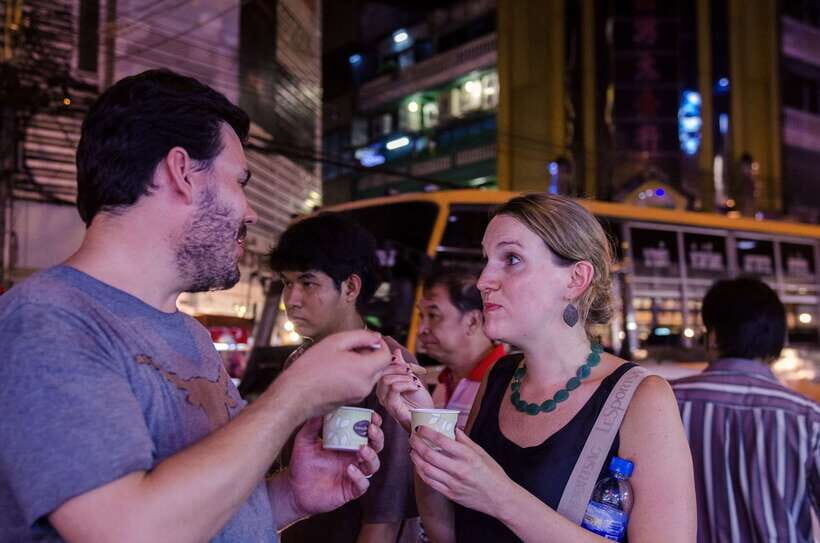
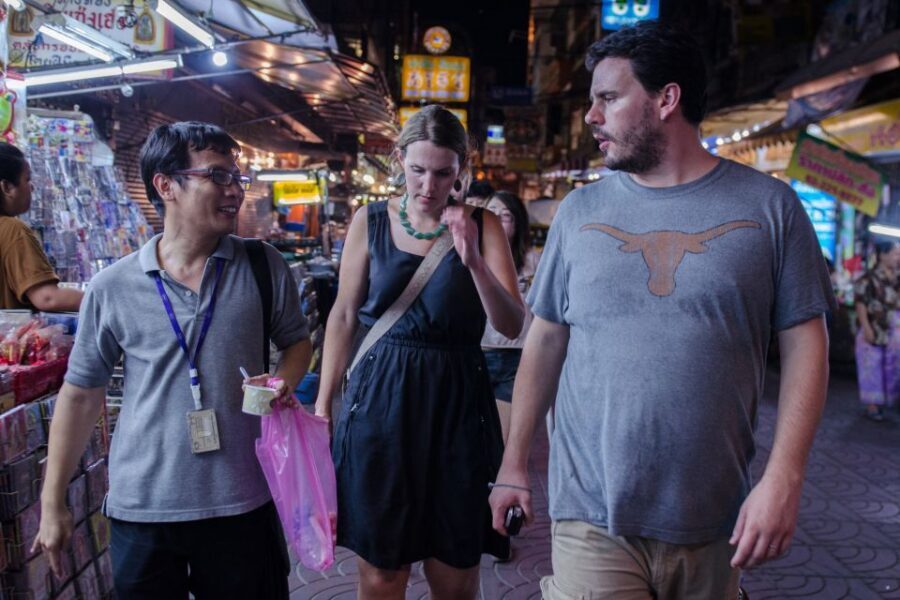
Bangkok’s Chinatown, or Yaowarat, is one of those places where food is basically the language. During the day it’s busy, but at night the streets start to feel like a living menu: vendors, families, shop signs, incense drifting out of doorways, and constant smells from grills and simmering pots.
This tour is interesting because it doesn’t treat Chinatown as a checklist. You’re walking through an area with deep Thai-Chinese roots, and you get pauses between tastings to look around and understand why the neighborhood looks and tastes the way it does. That matters, because street food isn’t random. Many dishes reflect Chinese influence, local Thai preferences, and the rhythm of daily life here.
I also like that it leans into variety. You’re not limited to one famous dish or only one type of venue. The tour includes a mix of street vendors and restaurants, which helps you see the range of what Chinatown can do with the same core ingredients: noodles, seafood, dumplings, sweet drinks, and desserts.
One more practical point: it’s timed for night. Food tours can go wrong when they happen too early (you end up with limited options), or too late (some kitchens may be winding down). Here, the 210-minute window is built around the lively evening scene.
Meeting at Bangkok Center Hotel near Hua Lamphong MRT Exit 4
Logistics matter on a night tour. The meeting spot is straightforward, and it helps you avoid the most common travel headache: wandering the area while everyone’s trying to find everyone else.
You meet in front of Bangkok Center Hotel, close to Exit 4 of Hua Lamphong MRT. If you’re taking the MRT, use Exit 4 and take the stairs up. If you’re using a taxi, tell the driver Bangkok Center Hotel. Once you arrive, look for MRT Exit 4 landmarks.
Look for the guide in a green T-shirt that says Bangkok Food Tours. If you don’t see the group right away, don’t panic—stay near the hotel entrance for a moment. Guides do sometimes need a minute to locate a late arrival.
A very important heads-up: if strangers try to tell you the tour is closed, don’t believe them. It’s described as a scam route aimed at getting you to Gem & Tailor shops. The right move is simple: stay at the meeting point and wait for your guide.
This is one of those details that can save your evening. With a food tour, you want the first tasting to happen on time, not after you’ve been redirected into a side mission.
What you actually do for 210 minutes (and why it feels like more)
The tour runs for 210 minutes (about three and a half hours). That’s long enough to build a real Chinatown loop, but not so long you feel trapped. You’re walking, eating, and learning in repeating rhythm: walk to a spot, taste, move again, then pause to notice what’s around you.
Because it’s a private group, the experience tends to feel less rushed than big-group tours. Even if the neighborhood is crowded, the guide can slow the pace when someone needs a break, and you’re more likely to get direct answers. That pacing shows up in the kind of feedback the guides receive.
You’ll also spend time between tastings taking a closer look at the district’s character. Religious and cultural landmarks are part of the walk, which is a big reason this isn’t just a list of street eats. You’re getting a sense of how Chinatown functions as a neighborhood, not only as a photo backdrop.
The seven tasting stops: how the food lineup is built
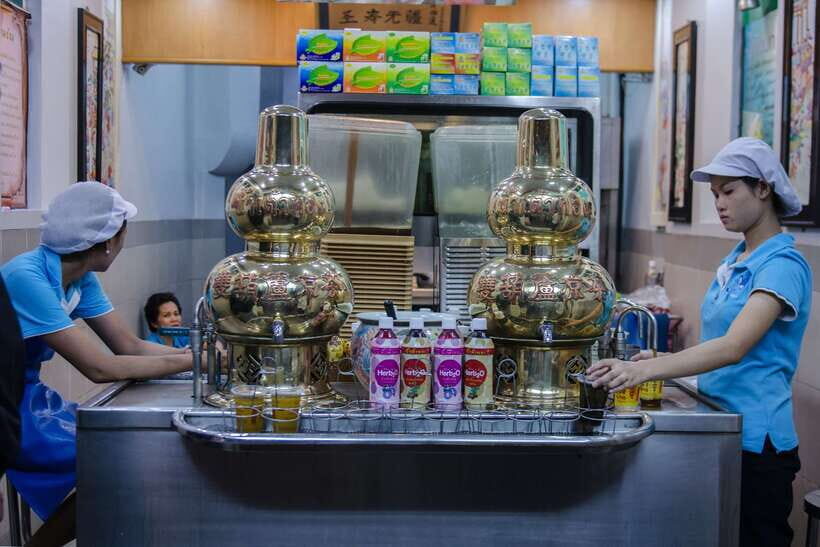
The tour’s structure is built around seven tasting locations. That’s the core value: more samples without forcing you to order full meals at each stop. It’s also how you get variety without spending your whole evening making choices while hungry.
The tasting spots range from street food vendors to renowned fine dining restaurants. That mix can seem unusual at first, but it works. Street vendors show you what locals eat frequently and casually. Restaurants help you understand how some of the same flavors are refined and presented. Together, you see both ends of the Chinatown food spectrum.
Here’s what that looks like in practice:
- You arrive at each stop and taste enough to recognize the dish style.
- You walk again soon after, so you stay curious instead of stuffed too early.
- The guide helps you understand what you’re eating—what ingredients make it work and what to notice as you take bites.
A small but important comfort note: reviews praise the guides for being attentive, including when people got tired from the heat. That’s the kind of real-world experience that matters when you’re outdoors and moving constantly.
Food you can expect to sample (and what to watch for)
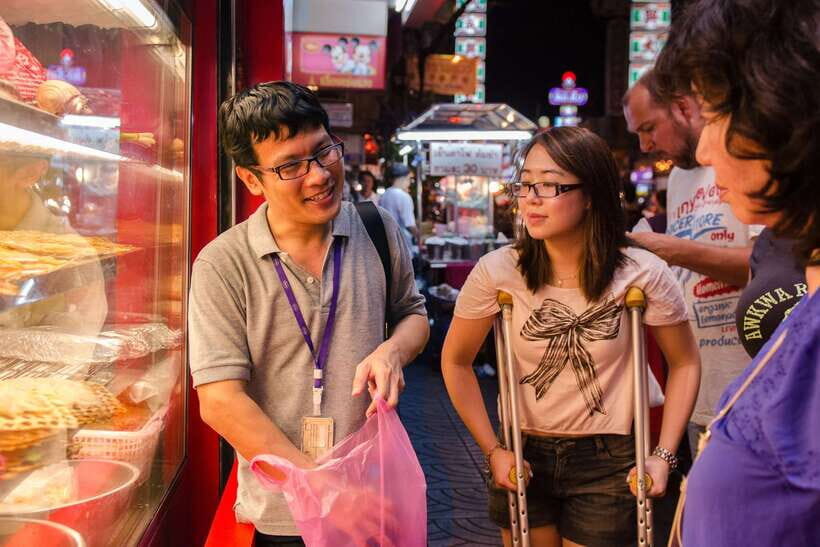
The tour includes food tastings at seven places, with famous Thai street food and Chinatown favorites. Even without a printed menu in front of you, you can expect specific highlights mentioned as part of the experience.
One dessert you’ll likely taste is lychee ice cream. Lychee is a common tropical favorite in Thailand, and the ice cream version is a sweet finish that also helps reset your palate after salty or savory items.
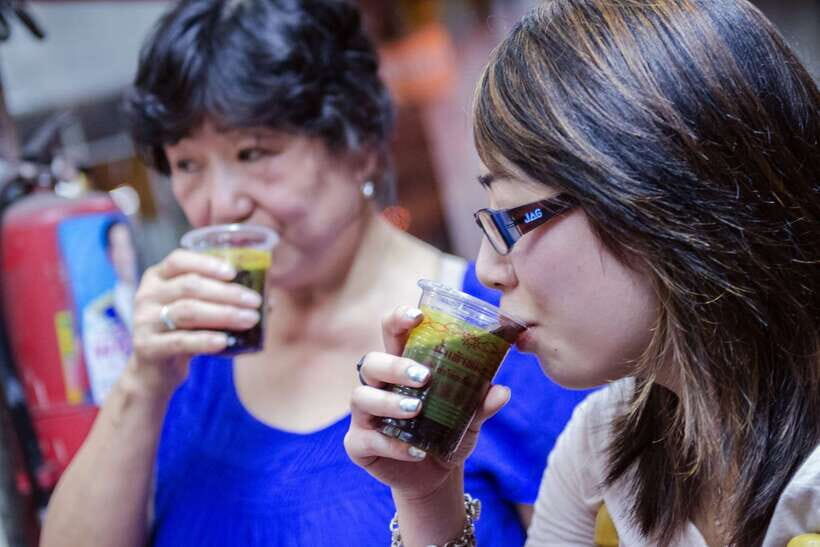
For drinks, expect Thai tropical fruit drinks. These are usually refreshing and made for Bangkok’s heat, so they’re not just dessert—they’re a breather.
One standout seasonal-sounding option is a black sesame dumpling in ginger tea. If you’re curious about less typical flavors, this is the type of tasting that makes food tours worthwhile. It also gives you contrast: sesame’s nutty depth plus ginger warmth tends to feel comforting rather than heavy.
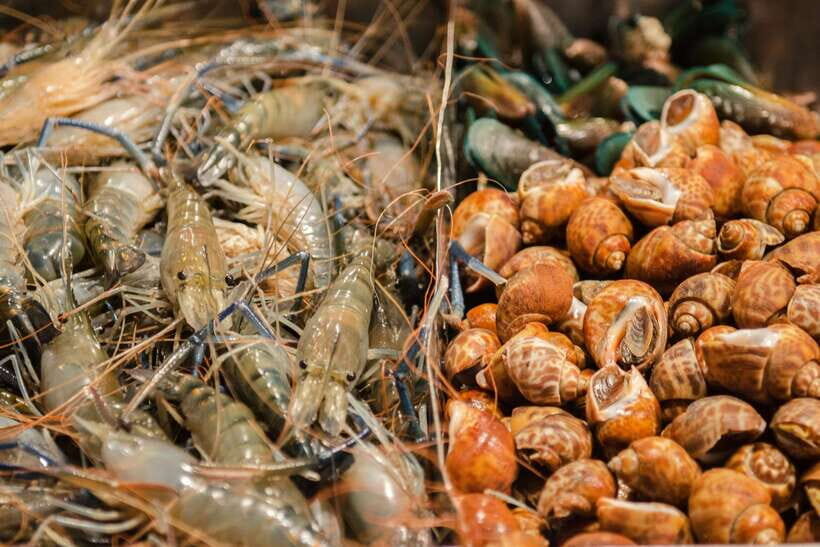
More broadly, the tour highlights famous Thai street food across noodle, seafood, and dumpling styles. That’s useful if you want to understand the neighborhood’s food identity, because Chinatown in Bangkok often expresses itself through seafood and noodle dishes, plus sweet drinks and desserts.
Between bites: stories, landmarks, and the Thai-Chinese neighborhood logic
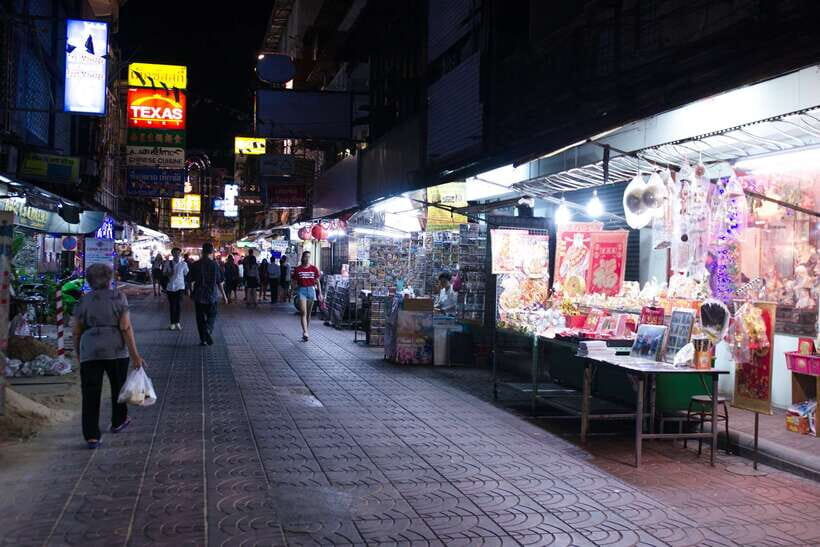
The best part of this tour is the way it explains what you’re seeing as you go. You get a closer look at Chinatown between tastings, and you visit religious and cultural landmarks along the route. Those stops matter because they give context.
Chinatown isn’t just a place to eat. It’s a community with its own patterns—where people gather, where commerce happens, and how religious spaces connect to daily life. When your guide ties food choices to neighborhood history and cultural habits, the dishes feel less random and more meaningful.
If you care about understanding food culture rather than only collecting tastes, you’ll appreciate this. Guides such as Jongkie and Ninee are praised for sharing history about Thai and Chinese culture, not only pointing out where the food is. Olive also comes up in feedback when people were interested in specific Chinatown details like Pig Alleys, and the guide’s attention to pacing in hot weather.
There’s also a social side to this neighborhood walk. One guide feedback mentions lots of photos during the nightlife. That’s a nice bonus if you want Chinatown memories that go beyond selfies.
Guides and pace: what to look for in your experience
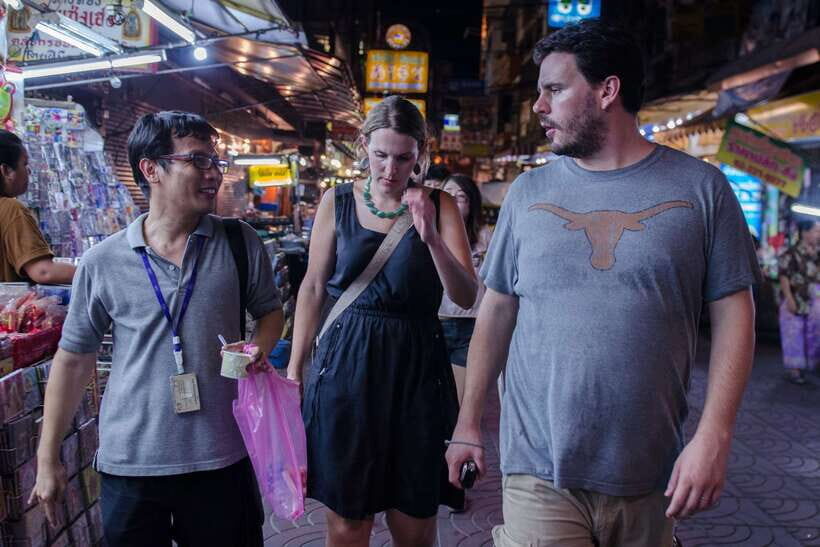
The tour is led by an English live guide, and the reviews consistently praise the guides for two skills: clarity and flexibility. People like Jongkie for being highly informative and for keeping the group moving with confidence. People like Nood for taking questions and being patient without rushing. Olive and Mae show up for being enthusiastic and for handling slower moments with grace.
What does that mean for you tonight?
- If you ask questions, you’ll get answers that connect food to culture.
- If you slow down or need a break, the guide is expected to adjust.
- If you’re the type who wants a recap at the end, guides also summarize dishes—so you leave with a mental list instead of a blur of bites.
The guides also matter for safety and timing. Chinatown night streets are lively, but they can be confusing if you’re on your own. Having someone who knows the flow means fewer wrong turns and more time tasting.
Price and value: is $57 reasonable for Bangkok Chinatown?
At $57 per person for 210 minutes, this tour prices itself as a mid-range food experience with built-in value. The math is helped by the fact that all food tastings are included. You’re paying for guided access to seven places, not just walking around and hoping you find the good stalls.
If you’ve ever eaten street food in Bangkok, you know it can add up quickly—especially if you start ordering full plates at multiple locations. Here, you’re getting multiple tastings, which usually means smaller portions designed for variety. That’s exactly what you want if your goal is to sample widely instead of committing to only one meal.
This is also where the private-group angle can improve value. A group with four people (one booking example) can split the experience in a way that feels personal. Another example mentions two people doing it as a private tour. In both cases, the guide attention is part of the “what you’re paying for,” not just the food.
So I’d frame it like this: if you plan to eat a lot anyway, the tour helps you eat smarter. You’re not guessing. You get variety plus explanations built into the route.
Who this tour suits best (and who should reconsider)
This tour is a strong match if you want:
- A Chinatown walking experience at night rather than a sit-down dinner
- Thai street food and Chinatown food variety across multiple stops
- A guide who connects what you taste to what you see around you
- An English-speaking host who keeps things organized for 210 minutes
It may be less ideal if you:
- Hate walking for long stretches, because you’ll be on your feet for most of the tour
- Prefer to choose every dish yourself from a menu instead of tasting sets
- Travel with luggage or large bags, since those are not allowed
Also note what’s not allowed: pets, smoking, and luggage or large bags. That’s standard for walking food tours, but it’s worth remembering if you’re bouncing between hotels.
Practical comfort tips for a smoother Chinatown night
Even with a great guide, your comfort drives your enjoyment. Chinatown night tours mean crowds, sidewalks, and occasional waiting while food is prepared.
I’d plan for:
- Comfy shoes for uneven or crowded pavement
- Light layers, because Bangkok evenings can feel humid even when the sun drops
- A phone ready for photos, since guides have been known to take plenty of pictures during the evening
If you’re someone who gets tired in heat, you’ll likely appreciate that some guides are described as attentive to guests who felt worn out. Still, the best move is to pace yourself early and drink water between tastings.
Final verdict: should you book this Bangkok Chinatown Night Food Tour?
I think you should book this if your ideal evening in Bangkok is food plus context. The best version of this tour is when you show up hungry, stay curious, and let the guide steer you through Yaowarat with seven tastings and a clear story behind the neighborhood.
You might skip it if you want total control over ordering, or if you know you struggle with long walks in busy areas. In that case, you could still enjoy Chinatown on your own—but you’d likely miss the structured variety and the guided context.
If you’re on the fence, use this rule: if you plan to eat dinner in Chinatown anyway, this tour is often the smarter way to do it.
FAQ
How long is the Bangkok Chinatown Night Food Tour?
The tour lasts 210 minutes.
What’s included in the $57 per person price?
Your price includes all food tasting and an English live guide.
Where do I meet the tour guide?
You’ll meet in front of Bangkok Center Hotel, close to Exit 4 of Hua Lamphong MRT station. If you take the MRT, use Exit 4 and take the stairs up. If arriving by taxi, tell the driver to go to Bangkok Center Hotel, then look for Exit 4.
What language is the tour guide?
The tour has a live guide in English.
Is this tour a private group?
Yes, the experience is listed as a private group.
What payment flexibility and cancellation options are available?
It offers free cancellation up to 24 hours in advance for a full refund, and it also includes a reserve now & pay later option.
Are pets, smoking, or luggage allowed?
No. Pets are not allowed, smoking is not allowed, and luggage or large bags are not allowed.