REVIEW · BANGKOK
Bangkok: Bridge on the River Kwai and Thailand-Burma Railway Tour
Book on Viator →Operated by I Asia Thailand · Bookable on Viator
A grim place with unforgettable motion.
This full-day trip pairs the Bridge on the River Kwai with the Thailand–Burma Railway by long-tail boat and train, plus stops that focus on the human cost of WWII. I like that it runs with tight timing (including lunch), and I also like that it’s guided on the ground by people such as Rach and Oom, who can turn the day into a clear story—sad, but not confusing. One drawback: it’s a long day, and the return drive can be slow in Bangkok traffic.
In This Review
- Key things that matter before you go
- Crossing the Death Railway: What This Trip Really Gives You
- Hotel Pickup and the Big Early Start From Bangkok
- The Bridge on the River Kwai: More Than the Famous Movie Image
- Long-Tail Boat Time on the River Khwae (and Jungle Views)
- JEATH War Museum: Photos, Letters, and the POW Experience
- Kanchanaburi War Cemetery: Where the Day Becomes Personal
- The Train Ride on the Death Railway and the THB300 Seat Fee
- Lunch Buffet in Kanchanaburi: A Break With a Good View
- Guides Like Rach and Oom: Why the Right Story Changes the Day
- Price and Value: Is $99.40 a Fair Deal?
- Uneven Surfaces, Long Hours, and Realistic Expectations
- Should You Book This Tour?
- FAQ
- What time does the tour start in Bangkok?
- Does the tour include hotel pickup and drop-off?
- What does the tour include for activities and transport?
- Is lunch included?
- Are entrance fees included?
- Do I need to pay extra for a train seat?
- What if my hotel details are not provided when booking?
- What should I do if I have mobility problems with the boat?
- How many people are on the tour?
- Is cancellation free?
Key things that matter before you go
- Boat + train combo: You get river views and the actual track experience, not just photos of the bridge.
- Serious site order: Cemetery, then the JEATH War Museum, so the day has an emotional arc.
- Small group size: Max 15 people, so it’s easier to ask questions and get help.
- One extra train cost: There’s a THB300 seat fee paid on the spot to the guide.
- Bring sturdy shoes: You’ll walk on uneven surfaces around the bridge area.
Crossing the Death Railway: What This Trip Really Gives You
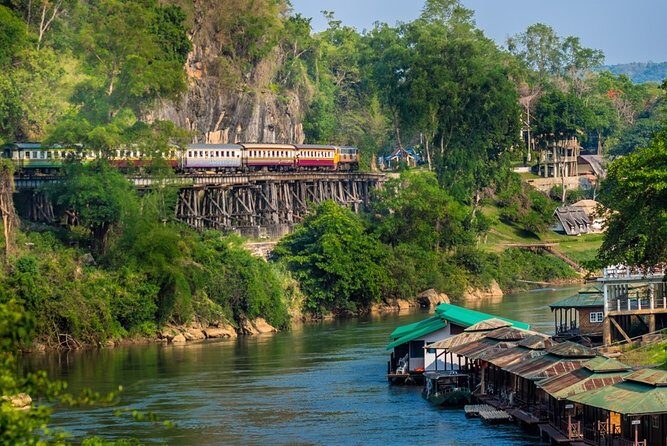
This isn’t the kind of tour where the big moment lasts five minutes and then you’re back on a bus. The point here is to move through the area the way it was meant to be experienced: river first, then the bridge and the railway line that made transport possible during WWII.
You’ll start early from central Bangkok, then head west toward Kanchanaburi. The itinerary is built around a few key places: the bridge itself, the JEATH War Museum, and the Kanchanaburi War Cemetery. Along the way, the long-tail boat and the train over the Death Railway add real rhythm to the day—so the story doesn’t stay trapped in a building.
And yes, the subject is heavy. You’re looking at a site tied to POW labor and the brutality of WWII. The value of this tour is that it tries to keep the day grounded in facts on the ground, not just movie memories.
You can also read our reviews of more tours and experiences in Bangkok.

Hotel Pickup and the Big Early Start From Bangkok
You leave at 7:00 am, and pickup can happen 30–60 minutes earlier depending on where your hotel is. The tour is aimed at centrally located hotels, and the meeting point is arranged through your hotel details, so double-check that you gave accurate info when you booked.
This matters because the day is structured for travel time first. You’ll be in an air-conditioned vehicle for a chunk of the morning, and you should plan for fatigue. One useful note: even people who loved the tour said the return drive back into Bangkok can be rough, so don’t schedule a late dinner reservation you care about.
Practical tip: bring a light layer. Even when you’re in Thailand warmth, the van can be chilly.
The Bridge on the River Kwai: More Than the Famous Movie Image
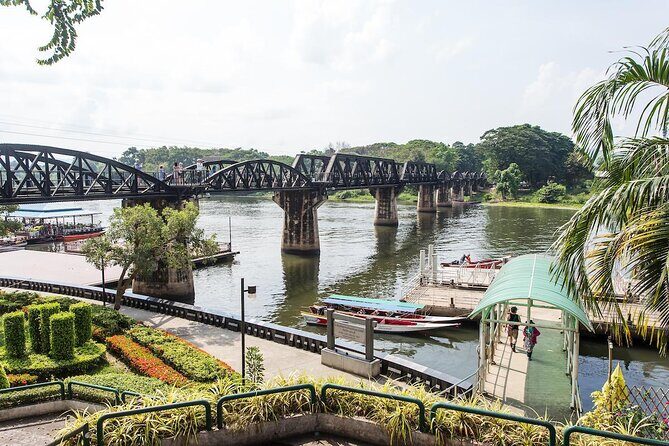
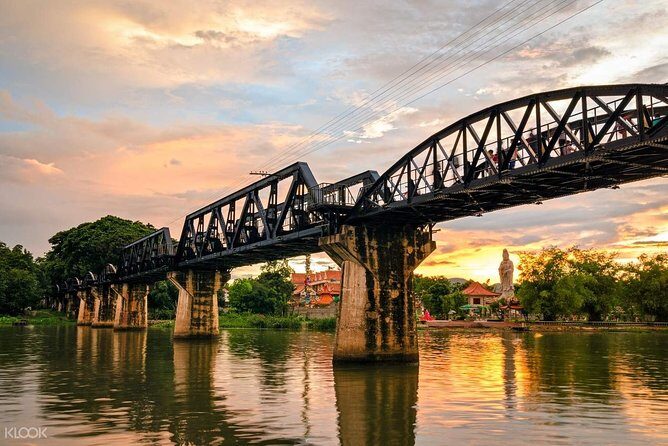
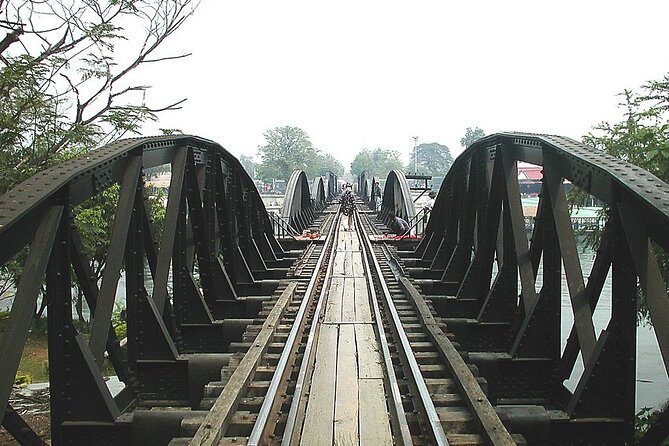
Your stop at the River Khwae Bridge is where the whole day centers. The bridge you’ll see is part of the infamous Death Railway, built during WWII from 1942 to 1943. It’s often linked to the 1957 film The Bridge on the River Kwai and the broader cultural story around the railway, but the tour focuses on what the monument represents—especially the prisoners of war and other enslaved people forced into construction.
You’ll get about an hour here. That’s enough time to walk the area, take photos, and listen without rushing through it like a checklist. It’s also enough time to notice the practical thing that can sneak up on you: the walking surfaces can be uneven. Comfortable shoes are worth it.
One more detail I appreciate: this stop isn’t treated like a scenic photo spot. The guide’s job is to keep bringing you back to the real purpose of the bridge and the human cost attached to it.
Long-Tail Boat Time on the River Khwae (and Jungle Views)
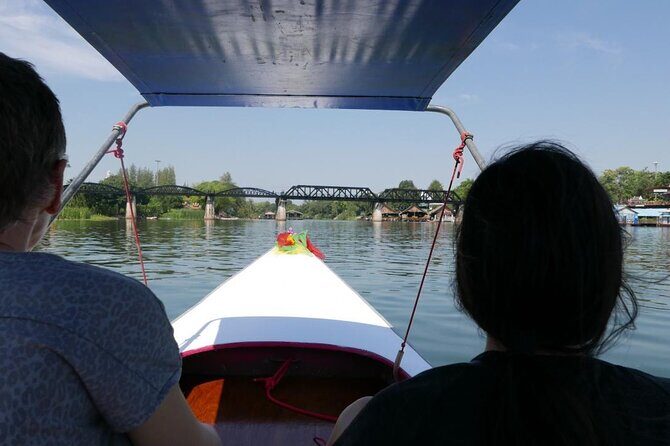
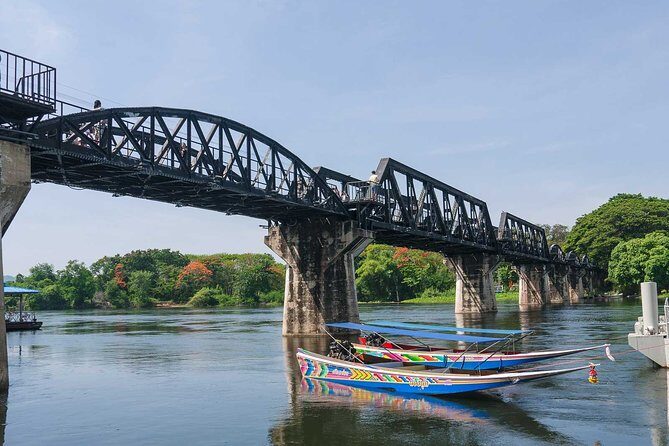
After the bridge, the tour shifts toward the river. You’ll spend a longer block of time around the River Khwae area, including a long-tail speedboat ride. The idea is simple: let the scenery and the water do what a museum can’t—show you how the terrain shapes movement and survival.
This part is popular because it’s a change of pace. You’re out in the open, you can see along the water, and you’re not trapped in a vehicle for a while. You also get that classic long-tail boat feeling: quick motion, close views, and a sense of travel instead of just sightseeing.
Accessibility heads-up (important): if you have mobility issues, you may find it hard to get into or out of the long-tail speedboat. If that’s you, tell your guide at the start. The tour can arrange a road route to the bridge instead.
JEATH War Museum: Photos, Letters, and the POW Experience
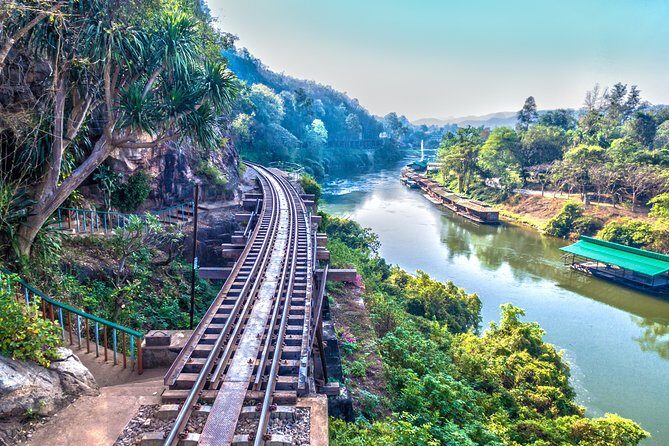
Next comes the JEATH War Museum, a small place opened in 1977 that focuses heavily on POW ordeals tied to the Death Railway. You’ll typically have around 20 minutes here, which is short on purpose. The museum is not meant to swallow the whole day; it’s meant to sharpen what you’ve just been shown.
In this museum, you’ll see original materials like photos, letters, and drawings that communicate conditions and treatment. The value is in the tone: it’s not trying to be a blockbuster attraction. It’s trying to document what happened.
If you want to make this stop land emotionally, don’t treat it like a speed-run. Even within the time limit, you can linger for the parts that hit you. The guide can help connect the dots, especially around the timeline of the railway and the way the sites relate to each other.

Kanchanaburi War Cemetery: Where the Day Becomes Personal
The Kanchanaburi War Cemetery is the other anchor stop. It’s described as the main prisoner of war cemetery for victims of Japanese imprisonment while building the Burma Railway, and it sits along the main road through Kanchanaburi.
You’ll have around 30 minutes here. That may sound short, but it’s enough for a real pause without dragging the whole day out. This stop is often the most moving part for visitors because it brings the scale down to names and ages. People have described being hit hard by the epitaphs—young lives, recorded permanently.
Also, the cemetery is kept up well. That matters because it shows respect and makes it easier to focus without distractions.
Tip: stand still for a few minutes before you rush into photos. You’ll hear your own breathing more than your camera shutter.
The Train Ride on the Death Railway and the THB300 Seat Fee
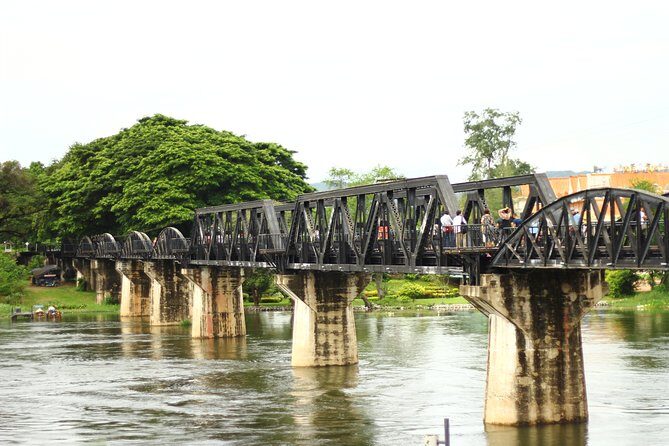
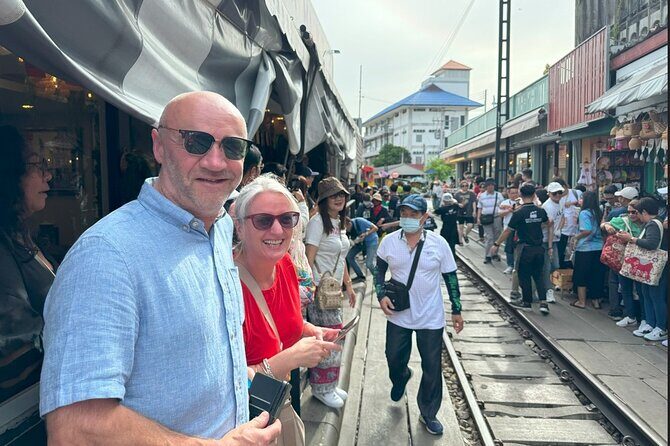
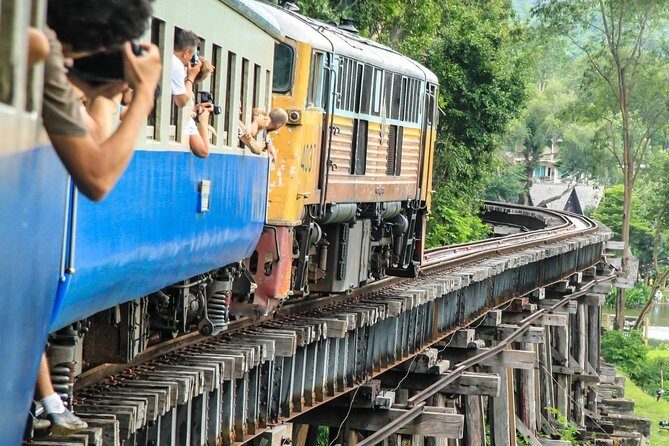
The signature thrill—after all the walking and museum time—is the train ride along the Death Railway, including the experience of crossing the bridge area by rail.
Here’s the practical bit you need to plan for: there’s a mandatory fee for the train seat of THB300 per person, paid on the spot. The wording you’ll get says it’s paid to the guide and “guarantees a seat,” and it can come with tea/coffee, drinking water, a cold towel, and a certificate.
So, should you worry about this extra cost? You should just plan for it. The fee is not hidden; it’s part of how the train seating is handled. If you’re someone who hates surprises, bring cash and confirm the amount and timing with your guide in the morning. Then you can enjoy the ride without second-guessing.
Also, people have said paying for a guaranteed seat is much better than ending up standing for a long stretch. The train ride is one of the most memorable pieces of the day—so protect your comfort.
Lunch Buffet in Kanchanaburi: A Break With a Good View
Lunch is included as a buffet in Kanchanaburi, and it’s timed to break up the day. Several people liked the lunch, including that it can be visually pleasant with river views from the area.
That said, a buffet is still a buffet. One comment flagged that food was served cool at times. The simple fix is to choose what looks freshest and eat earlier rather than later. You won’t go hungry, but you’ll get the best experience if you treat lunch like a reset, not a food marathon.
You’ll likely have breaks during the day as well. Still, with the total duration around 11 hours, you should travel like it’s a full workday: water nearby when you can, and don’t stack plans immediately afterward.
Guides Like Rach and Oom: Why the Right Story Changes the Day
This tour’s quality hinges on the guide. You’ll have a professional Thai local guide with you, and guide names that come up include Rach and Oom. Both have been praised for explaining the history in a way that keeps the day moving and helps you ask questions.
A practical upside of a small group (max 15) is that you can interact. People have described that the day felt easy to manage—more like a guided class than a lecture while you stare out the window.
If you happen to get Vit, there was at least one instance where the guide was hard to understand and the communication pace wasn’t ideal. That doesn’t mean it’s the norm, but it’s a reminder: if your comfort depends on clear spoken English, you can ask your guide to slow down or confirm you’re following.
Either way, do expect the guide to focus on connecting the bridge, museum, and cemetery into one story instead of three unrelated stops.
Price and Value: Is $99.40 a Fair Deal?
At $99.40 per person, the value is strongest if you’re comparing it to doing this route on your own with guides, transport, and entry costs.
What’s included:
- Hotel pickup and drop-off (centrally located hotels in Bangkok)
- Air-conditioned vehicle
- Long-tail speedboat ride
- Train ride
- Professional Thai local guide
- Lunch buffet
- All entrance fees
What’s not included:
- Beverages
- The THB300 train seat fee paid to the guide on the spot
Add those up and you start to see why this can feel like a bargain: you’re not just paying for tickets—you’re paying for a full logistics chain. Most people on this kind of excursion struggle when they try to DIY it because the day is long and timing matters.
My advice: budget the THB300 seat fee and bring some extra cash for drinks. Then you can treat the rest as a set price.
Uneven Surfaces, Long Hours, and Realistic Expectations
Even the best tours have tradeoffs. Here are the ones to plan around:
- The day is about 11 hours, starting at 7:00 am.
- Pickup might be earlier than you expect.
- You may be walking outdoors on uneven surfaces around the bridge.
- The return trip into Bangkok can take longer than you want because traffic is traffic.
What helps:
- Go in with the right mindset: this is a moving day with some active parts, not a relaxed day trip.
- Wear shoes you don’t mind getting dusty.
- Bring patience for the travel segment. You’re trading comfort for access.
Should You Book This Tour?
Book it if you want the Bridge on the River Kwai story with real-world context: museum + cemetery + a train ride that makes the Death Railway feel close to the present. It’s also a good choice if you prefer a structured day with pickup, lunch, and guided explanation rather than trying to coordinate everything yourself.
Consider skipping (or picking a different format) if you’re not ready for a long, emotionally heavy day, or if early starts wreck you. Also, if you’re sensitive to extra on-the-spot costs, remember the THB300 train seat fee exists and plan for it up front.
In the end, this tour earns its place: the river, the bridge, the railway, and the places of remembrance work together into one unforgettable route.
FAQ
What time does the tour start in Bangkok?
The start time is 7:00 am. Pickup may happen 30–60 minutes earlier depending on your hotel location.
Does the tour include hotel pickup and drop-off?
Yes. It includes hotel pick-up and drop-off for centrally located Bangkok hotels.
What does the tour include for activities and transport?
It includes a long-tail speedboat ride, a train ride along the Death Railway, and transport by an air-conditioned vehicle, along with a professional local Thai guide.
Is lunch included?
Yes. The tour includes a lunch buffet in Kanchanaburi.
Are entrance fees included?
Yes. All entrance fees are included.
Do I need to pay extra for a train seat?
Yes. A mandatory THB300 per person seat fee is listed as not included, and you’ll pay this on the spot at the train station via the guide. It is described as guaranteeing a seat and may include tea/coffee, drinking water, a cold towel, and a certificate.
What if my hotel details are not provided when booking?
You must provide your hotel details at booking time. Failure to do so may result in cancellation.
What should I do if I have mobility problems with the boat?
If you have mobility issues, you may have difficulty getting into or out of the long-tail speedboat. You should advise your guide at the start, and the driver can arrange a road option to the bridge instead.
How many people are on the tour?
The tour has a maximum group size of 15 travelers.
Is cancellation free?
Yes. Free cancellation is available up to 24 hours in advance of the experience start time for a full refund.
Final call: If you can handle a full, moving day and you’re willing to plan for the THB300 train seat fee, this is one of the most direct ways to see the Bridge on the River Kwai story with the railway experience attached.