REVIEW · BANGKOK
Damnoen Saduak Famous Floating Market and Mea Klong Railway Tour
Book on Viator →Operated by Best Local Experiences · Bookable on Viator
A train slides through a market today. This tour strings together two of Thailand’s best-known scene-stealers in one smooth day: Mae Klong Railway Market, where vendors clear the tracks fast, and Damnoen Saduak, often nicknamed the Venice of Southeast Asia for its boat life.
I like how the trip doesn’t just show famous landmarks. You also get time at a coconut sugar farm, a classic look at how local products are made, and guides such as Elena or Tooky keep the day moving with clear, friendly explanations. One nice surprise people remember is fresh coconut milk during the farm stop.
The main thing to plan for is the travel time. It’s about 96 km away from Bangkok, with long stretches of road (around 90 minutes each way), so if you’re prone to car sickness, you’ll want to prepare.
In This Review
- Key highlights worth your time
- How this 6-hour tour feels, start to finish
- Bangkok to Samut Songkhram: the 96 km reality check
- Mae Klong Railway Market: the track-clearing spectacle
- Coconut sugar farm: what you’ll actually learn on the ground
- Damnoen Saduak: floating market by teakwood boat
- Rajini School stop: a quieter moment on the way back
- Price and logistics: what you’re really paying for ($61.33)
- Who this tour suits best (and who should rethink it)
- Practical tips to make the day smoother
- My honest take: should you book this tour?
- FAQ
- How long is the tour?
- Where does the tour start?
- Is lunch included?
- What is included besides transportation?
- How far is the drive from Bangkok?
- Is the tour ticket mobile?
- How big are the groups?
- Is it okay if I get car sick?
- What is the cancellation policy?
Key highlights worth your time
- Mae Klong Railway Market in action: see vendors move goods out of the way when the train comes through
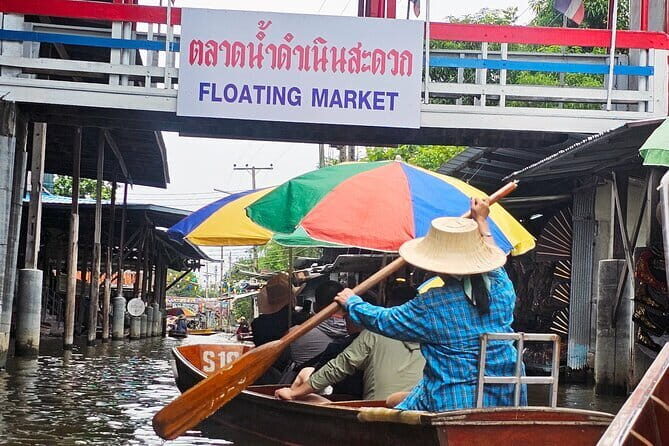
- Damnoen Saduak by teakwood boat: ride right into the floating market’s center area
- Coconut sugar farm stop: learn how coconut sugar is made, not just take photos
- Guide-led day with real local touches: Elena and Tooky are specifically mentioned for being friendly and informative
- Group size stays reasonable: maximum 60 travelers, plus it includes roundtrip air-conditioned transport and water
How this 6-hour tour feels, start to finish
This is built as a day trip from Bangkok that hits the big two: the railway market and the floating market. Expect roughly a 6-hour total day, with travel time folded into the schedule so you’re not spending the whole day commuting.
Value-wise, the price includes the stuff that usually adds up fast on your own: roundtrip air-conditioned transportation, a local guide, a bottle of water, and a boat trip at the market. Lunch is not included, but you do get time at the Damnoen Saduak stop to eat where locals eat.
The tour also uses a mobile ticket and runs in a group (maximum 60). That combo can be handy if you want structure without paying for a private vehicle for the whole day.
You can also read our reviews of more shopping tours in Bangkok


Bangkok to Samut Songkhram: the 96 km reality check
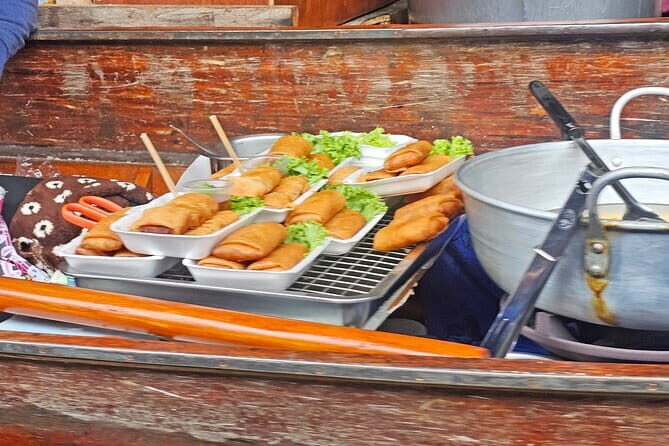
You start from Pak Khlong Talat (Flower Market), near Wat Kalyanamit. It’s a practical choice because you’re already in a major Bangkok area rather than a remote pickup point.
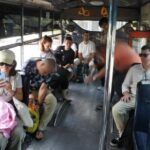
From there, you’re heading about 96 km toward Samut Songkhram Province, the base for Mae Klong Railway Market. The ride is long enough that it matters: you’ll be in the vehicle for stretches of around 90 minutes at a time. If you get car sick, this is the one part of the day that could be annoying.
The upside is the air-conditioned transport. Even if the day gets warm, you at least get a comfortable reset before you start walking and watching things happen.
Mae Klong Railway Market: the track-clearing spectacle
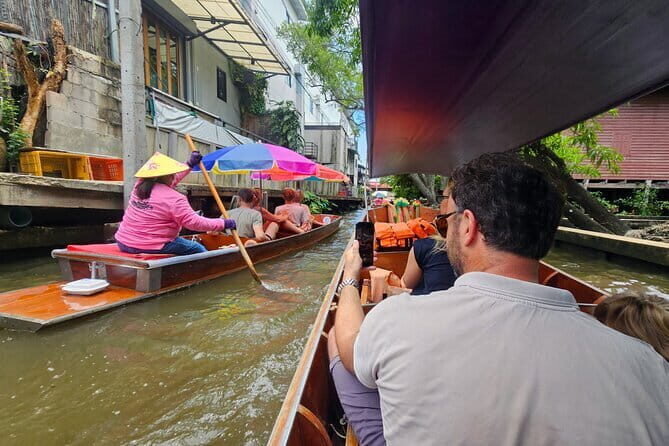
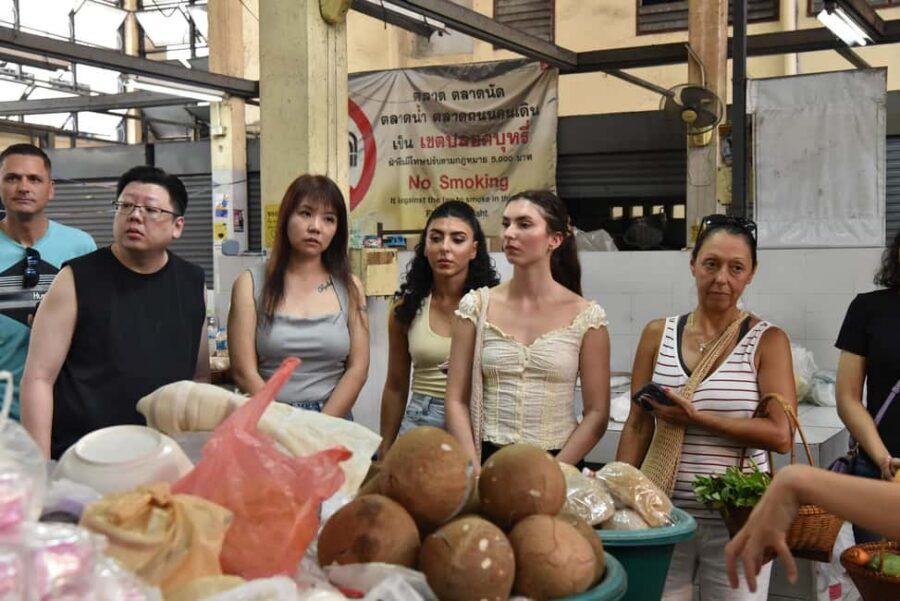
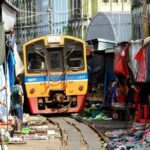
Mae Klong Railway Market, also called the Rom Hoop Market, runs along a railway line in Samut Songkhram. It’s roughly 100 meters long, and it’s a fresh market setting—seafood, fruits, vegetables, meats, and both fresh and dried goods.
The main reason people remember this market is simple: the train passes through, and vendors react. You’ll see how they move items away from the track quickly, and then get them back again right after the train goes by. It’s one of those things that sounds like a story until you witness how coordinated the timing is.
Plan your expectations. This is not a slow stroll market where you browse at leisure the whole time. You’re watching a real working railway market that continues operating around the train schedule, so you get less of a leisurely vibe and more of a live-action “watch it happen” feeling.
Also, since the market is long and linear, it helps to keep your bearings so you don’t end up doubling back. The market is short by geography, but it can feel busy in motion because people are reacting to the train.
Coconut sugar farm: what you’ll actually learn on the ground
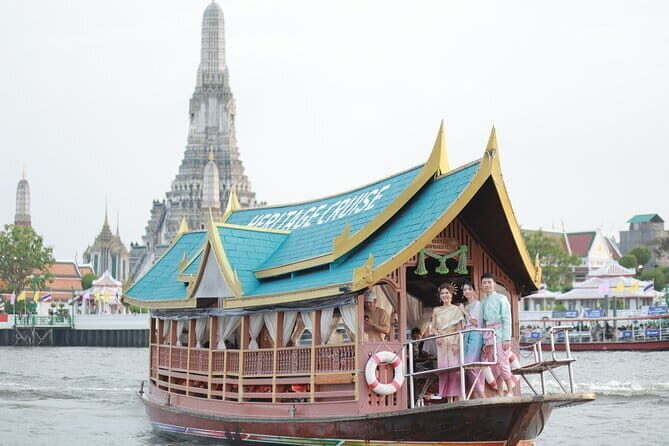
Between the two big markets sits a 30-minute coconut sugar farm stop. This is your palate break from seafood and fruits—plus it adds a different type of Thai daily life.
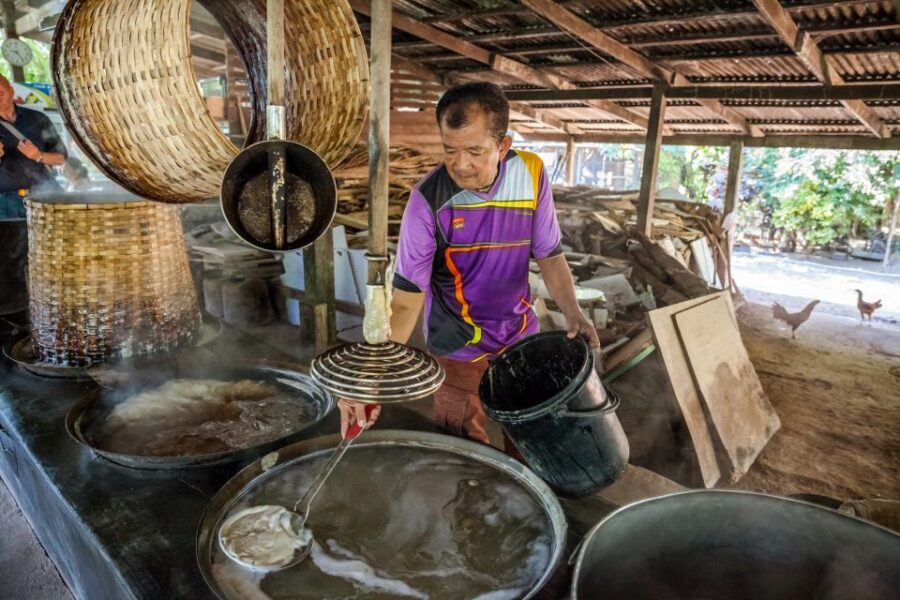
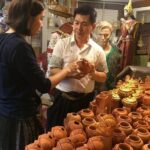
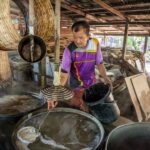
The focus here is learning how coconut sugar is made, and seeing the local factory-house style of production. Even in a short stop, you should come away with a better sense of how a familiar ingredient travels from raw process to the sweet product you see in shops.
One of the most memorable additions from guided experiences is fresh coconut milk. In at least one case, it showed up as a pleasant bonus that felt like the kind of local treat you only get when a guide knows the routine and what visitors appreciate.
Time is limited at this stop, so I’d treat it as a quick, hands-on style introduction rather than a full craft workshop.
Damnoen Saduak: floating market by teakwood boat
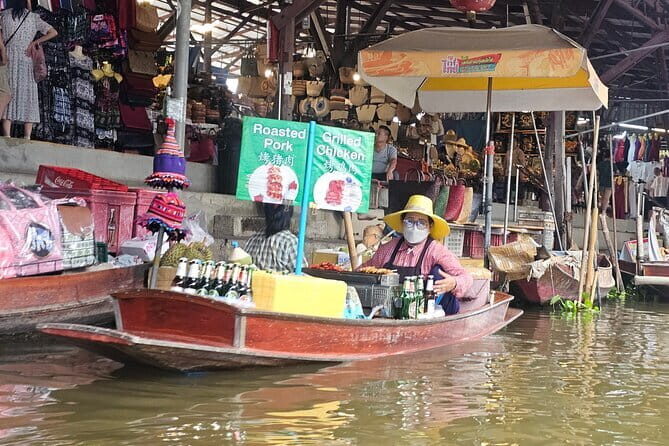
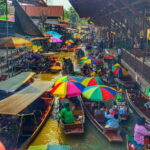
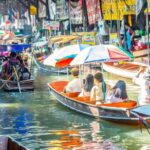
Damnoen Saduak is the other anchor of the day. It’s often described as the Venice of Southeast Asia, and the reason is the boat-based marketplace culture. The tour frames it as a place where locals have sold products on boats for a long time—around 100 years—which gives the scene more weight than just modern tourism.
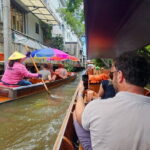
You’ll take a teakwood boat ride into the center area of the floating market. That boat time matters because it changes your view from a shore perspective into the actual canal flow. You’re not just watching sellers from land; you’re moving through the working market route.
This is also where people tend to get their classic floating market photos, but it’s worth thinking about the tradeoff. You will be on a fixed schedule, so you might not roam like an independent traveler. The value is the guided timing and getting you to the right place at the right moment, not the freedom to wander without limits.
The tour also includes time for lunch at the local market during this stop. Lunch itself is not included in the price, but you’ll have the chance to eat on-site where the boat-and-canal rhythm shapes what’s available.
You can also read our reviews of more tours and experiences in Bangkok


Rajini School stop: a quieter moment on the way back

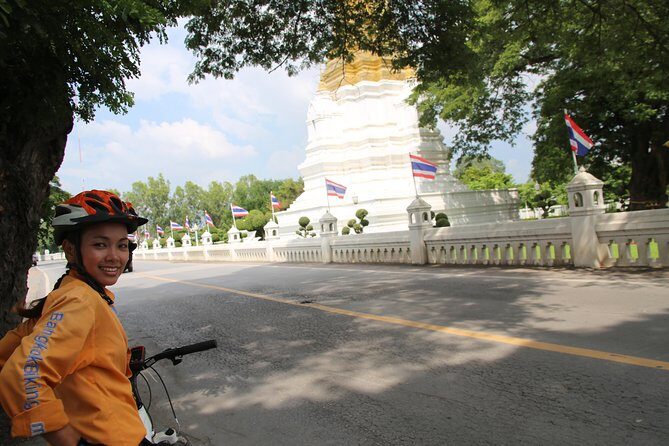
After the floating market experience, the tour heads back toward Bangkok with a stop called Rajini School. The schedule lists it as a travel segment on the return.
This is a useful break from constant market visuals. Even though the time is brief, it can help punctuate the day and give you a small window into everyday life outside the tourist hotspot loop.
Then you travel back to the original meeting point area, ending where you started.
Price and logistics: what you’re really paying for ($61.33)
At $61.33 per person for about a 6-hour day trip, the price can feel like a bargain or a fair deal depending on what you compare it to.
Here’s the value math from what’s included:
- Roundtrip air-conditioned transportation from Bangkok
- Local guide
- Bottled water
- Boat trip at the market
Most people who go to Mae Klong and Damnoen Saduak on their own end up paying a similar amount once you add transportation plus some kind of organized access to the floating market and railway-market timing. This tour packages the hardest parts: getting out to Samut Songkhram and managing the sequence of two very different markets.
Two practical notes:
- Lunch is not included, so keep some spending money for food.
- It’s a group tour with a maximum of 60 travelers, which usually means you get energy and variety, but you also need to follow the group when it counts.
Who this tour suits best (and who should rethink it)
This tour is a good fit if you want a high-impact day without planning every detail. If you like markets but also like structure, you’ll probably enjoy the pace: train market first, then coconut sugar, then Damnoen Saduak by boat.
It’s also a smart option for visitors who don’t want to figure out logistics across two destinations that are tricky to combine on your own.
The biggest “rethink” signal is travel comfort. The drive is about 90 minutes each stretch, and the itinerary notes it’s not recommended for car sickness. If motion makes you feel rough, skip this one or plan an alternate day.
Practical tips to make the day smoother
This is a real-world market day, not a museum day. Here’s how I’d prepare so you enjoy it instead of feeling rushed or uncomfortable.
- Bring a bit of cash for food. Lunch is scheduled during the Damnoen Saduak stop, but it’s not included.
- Plan for a long day by energy, not just time. You’ll move from railway to farm to boats, and you’ll likely be standing and walking more than you expect.
- Use a light daypack. You don’t want extra bulk in a narrow market environment, and you’ll want easy access to water and essentials.
- If you’re sensitive to motion, take it seriously. The ride is long enough that you should plan ahead.
And one small mindset shift helps: treat Mae Klong as a timing show and Damnoen Saduak as a boat-ride canal experience. When you match your expectations to how each place works, the day feels more rewarding.
My honest take: should you book this tour?
I’d book this tour if you want the best of both worlds in one day: the unusual railway-market spectacle and the boat-centered floating market culture. The included boat trip and air-conditioned transport make it easier to justify the price, and the guide quality stands out as a real part of the experience with friendly, informative leadership.
I would hesitate if you’re prone to car sickness, because the route is long and repeated road travel is part of the schedule. Also, if you’re hoping for a super slow browsing day, this plan is more action-and-timing than wandering.
If you’re comfortable with a full day and you like markets that actually operate like markets, this one has strong value.
FAQ
How long is the tour?
The tour runs for about 6 hours.
Where does the tour start?
It starts at Pak Khlong Talat (Flower Market) near Wat Kalyanamit.
Is lunch included?
No. Lunch is not included, even though there is time for lunch during the Damnoen Saduak market stop.
What is included besides transportation?
The tour includes a local guide, a bottle of water, and a boat trip at the floating market.
How far is the drive from Bangkok?
The journey is almost 96 km away from Bangkok.
Is the tour ticket mobile?
Yes, the tour uses a mobile ticket.
How big are the groups?
The tour has a maximum of 60 travelers.
Is it okay if I get car sick?
The tour notes that it is not recommended for car sickness.
What is the cancellation policy?
Cancellation is free up to 24 hours in advance for a full refund. Canceling less than 24 hours before the start time does not refund the amount.