REVIEW · BANGKOK
Bangkok: Grand Palace, Wat Pho, and Wat Arun Guided Tour
Book on GetYourGuide →Operated by WINDOWS OF ASIA COMPANY LIMITED · Bookable on GetYourGuide
Bangkok’s temple walls have stories.
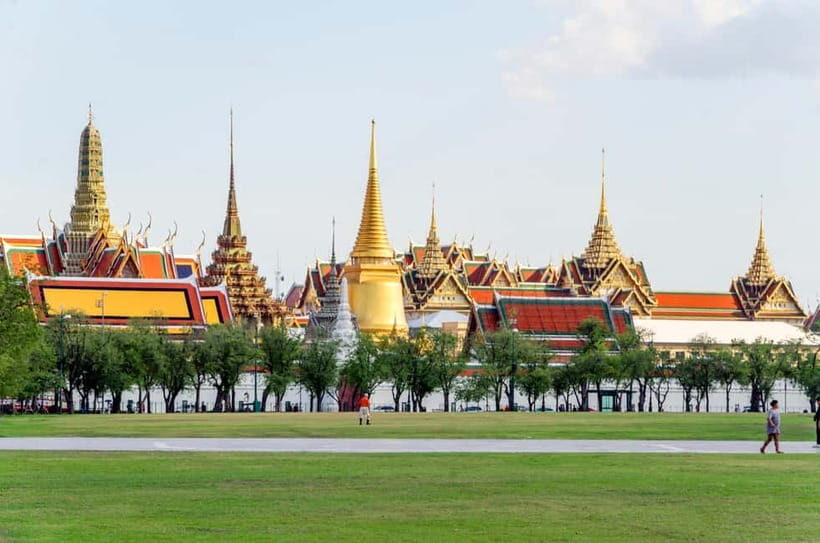
This guided tour strings together three of the city’s biggest spiritual sights, and you’ll actually understand what you’re looking at: the Grand Palace (home of Thailand’s kings, still used for official events) plus Wat Phra Kaew with the Emerald Buddha, and then Wat Pho and Wat Arun. I especially love how the guide connects royal power to everyday belief, and I like the practical flow of visits so you’re not just doing a checklist. One thing to plan for: temple attire rules are strict, and you’ll remove your shoes at buildings—so wear clothes and footwear you can handle quickly.
My favorite part is the stop-by-stop clarity. You’ll learn why Wat Phra Kaew is considered the most sacred Buddhist temple in Thailand, and why Wat Pho matters beyond sightseeing: it’s tied to early public medical education and is recognized through UNESCO’s Memory of the World Programme for its marble inscriptions. I also like that you pass through local market areas on the way—like the amulet market on Rattanakosin Island and the Tha Thien Market—so the day feels more like Bangkok, not just monuments. The main drawback to keep in mind is logistics: it’s not suitable for mobility impairments or wheelchair users, and you’ll be on your feet through multiple temple zones.
If you go with the right expectations, this is a smart-value way to see Bangkok’s core landmarks. I’ve seen a lot of temple tours that rush. This one gives you enough context to make the buildings feel meaningful—and it keeps the practical stuff (what to wear, when shoes come off, what you can photograph) clear from the start.
In This Review
- Key Highlights You’ll Feel on the Day
- Grand Palace and Wat Phra Kaew: stepping into Thailand’s royal center
- Why the Grand Palace stop is more than photos
- The big etiquette moment: dress for the shrine
- Photography rules that actually change what you do
- Wat Pho and the Reclining Buddha: the temple with lessons in stone
- Wat Pho as medical education, not just a landmark
- The massage origin story you’ll remember
- Another practical note: plan for your body
- Wat Arun: the Temple of Dawn and that 70-meter tower
- What to watch for on arrival
- Price and value: what you pay and what you still need
- What to bring so the day stays smooth
- Clothing rules you should take seriously
- Transportation and meeting point: start at Tha Chang pier, end there too
- Who this tour fits best (and who should think twice)
- Should you book this Bangkok temples tour?
- FAQ
- Where do I meet for the tour?
- What does the tour include?
- Are entrance fees included in the $17 price?
- What is the tour language?
- What should I wear?
- Do I need to remove my shoes?
- Can I take photos inside the temples?
- Is there restroom access during the tour?
- Who should avoid booking due to mobility limits?
Key Highlights You’ll Feel on the Day
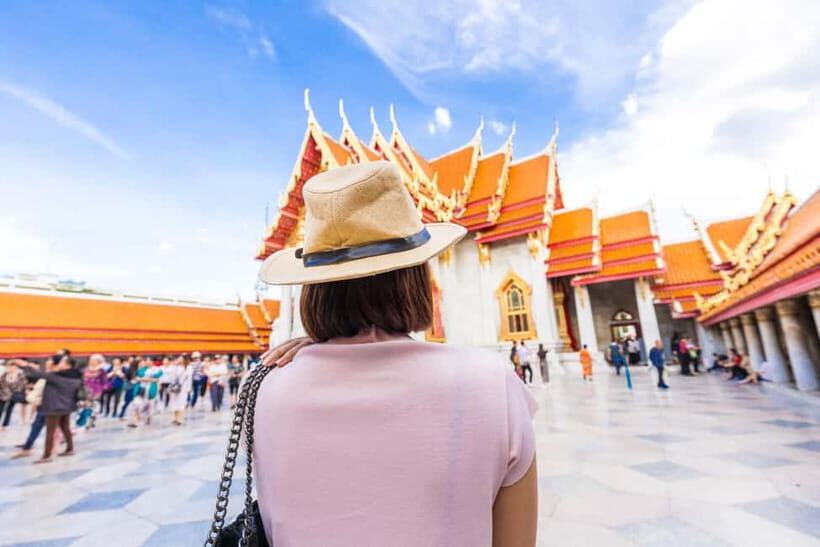
- Grand Palace royal context: see where kings lived and where state ceremonies still happen.
- Wat Phra Kaew details: understand why the Emerald Buddha site is the most sacred in Thailand.
- Wat Pho’s teaching walls: marble illustrations and inscriptions linked to public instruction and UNESCO recognition.
- Traditional Thai massage origin: Wat Pho is taught as the birthplace of the practice.
- Wat Arun by the river: a 70-meter tower with colored glass pieces and Chinese porcelain decoration.
- Guide help you can use: an English guide (Meng is one example) makes etiquette and timing easier.
Grand Palace and Wat Phra Kaew: stepping into Thailand’s royal center
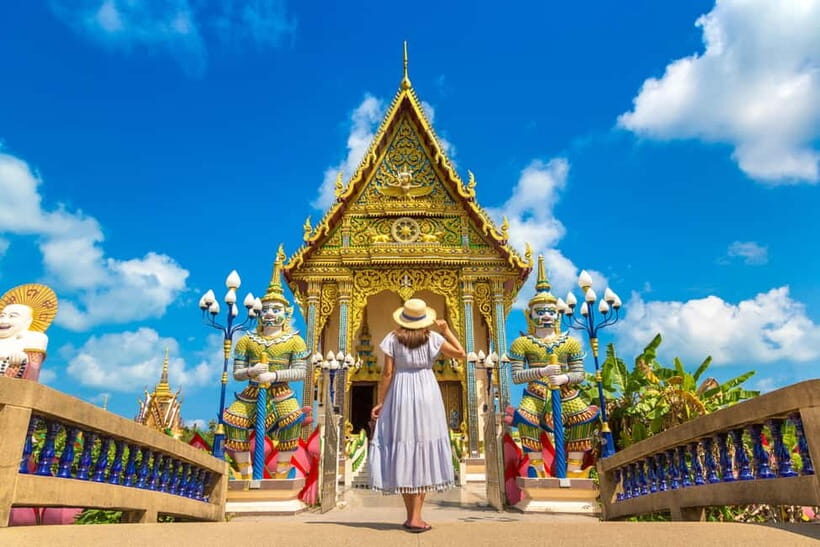
The day starts right near the action—meet in front of the Tha Chang ferry pier, next to the Grand Palace area. That’s a good setup because you’re not fighting across town before you even see the temples.
From there, the route heads toward the Emerald Buddha Temple using local transport. You’ll also pass the amulet market, described as one of the most famous historic community markets on Rattanakosin Island. It’s a small detour, but it matters. Temple sightseeing can feel “sealed off” from normal life. This kind of stop reminds you Bangkok’s spiritual world sits right beside daily street culture.
You can also read our reviews of more guided tours in Bangkok

Why the Grand Palace stop is more than photos
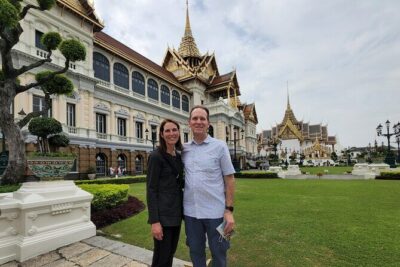
The Grand Palace isn’t just a pretty entrance gate. It was the official residence of Thailand’s kings, and it’s still used for official events today. That means you’re looking at living history, not a museum set.
Even if you’re not obsessed with Thai royal ceremonies, the guide’s explanation helps you notice details you’d otherwise miss—how tightly the palace complex is tied to state functions and how the sacred and official worlds overlap in one place.
The big etiquette moment: dress for the shrine
You’ll need to handle the clothing rules early. The Emerald Buddha Temple complex includes a chapel that’s treated as a national shrine, and the required standard is simple: no bare shoulders and knees, and you’ll also want to avoid strapless-heel shoes. Plan for it like a “no shortcuts” moment.
You’re also expected to remove your shoes before entering temple buildings. This is not a quick toss-off. If your shoes are hard to slip off, or your socks are already questionable, that’s when the day turns stressful.
Practical tip: I’d rather wear comfortable shoes you can remove in seconds than fashionable ones that require wrestling.
Photography rules that actually change what you do
Photography is allowed in the Royal Palace Grounds and in the Emerald Buddha Temple compounds, but not inside the buildings. That changes your behavior: instead of trying to shoot through interior doors, you’ll want to focus on exterior courtyards and the areas where the guide points you.
Wat Pho and the Reclining Buddha: the temple with lessons in stone
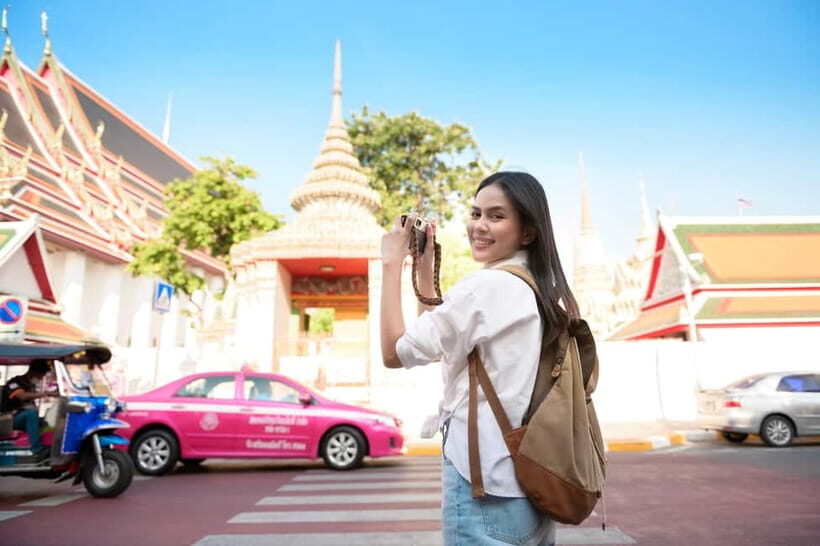
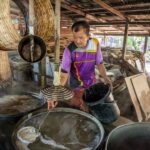
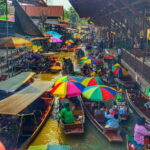
After the Grand Palace, the tour continues to Wat Pho if you selected that option. On the way, you pass the Tha Thien Market, known for dried salted seafood and wholesale products. It’s a short window, but it adds flavor—literally and culturally. You can feel the contrast: market smells and everyday commerce on one side, religious learning and public instruction on the other.
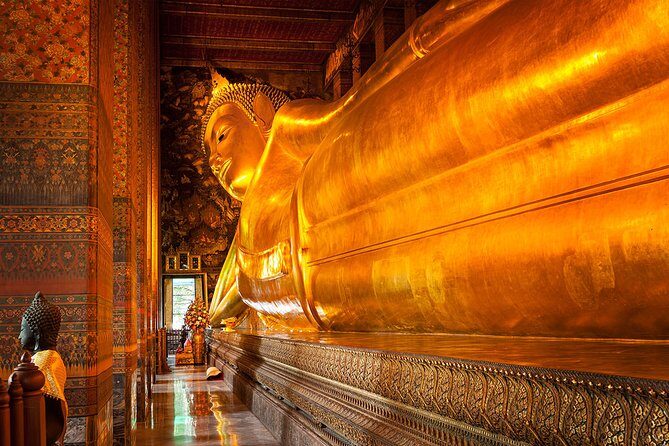
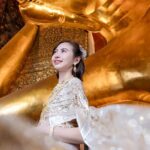
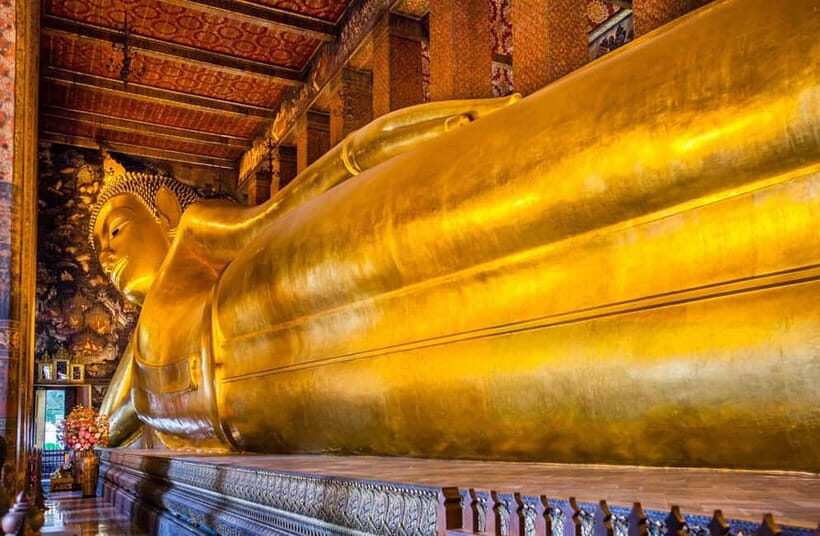
Wat Pho is famous for its Reclining Buddha, but the real value of this stop is understanding why the complex became such an education hub.


Wat Pho as medical education, not just a landmark
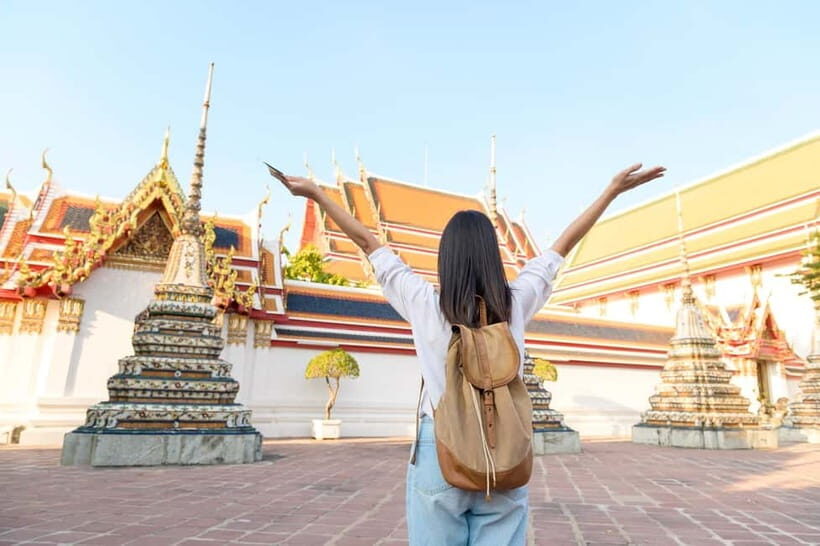
Wat Pho is described as one of the six temples in Thailand classified at the highest grade of first-class royal temples. That alone signals importance, but the guide’s explanation goes further.
The temple is considered the earliest center for medical public education, and it’s tied to marble illustrations and inscriptions set up for public instructions. The UNESCO recognition matters here. It’s not random decoration—it’s evidence that the temple’s educational function is historic and internationally recognized through UNESCO’s Memory of the World Programme.
When you’re standing there, the lesson is straightforward: these temples weren’t only for worship. They were also places where knowledge was displayed for people to learn from.
The massage origin story you’ll remember
The tour also connects Wat Pho to traditional Thai massage, calling it the birthplace of the practice. You’ll hear that traditional Thai massage is still taught and practiced at the temple.
This is one of the stops where context changes your experience. If you just look for big statues, you might miss the point. With the guide’s framing, you start noticing how the temple reads like a teaching space—especially around the instructional inscriptions.
And yes, the Reclining Buddha is still impressive. But you’ll come away with the bigger reason Wat Pho became essential in Thai culture.
Another practical note: plan for your body
This tour involves multiple temple buildings and areas where shoes come off. It also isn’t suitable for people with mobility impairments or wheelchair users. If walking and standing are hard for you, consider that before booking. I’m not saying you won’t enjoy it, but you should know it’s not an easy stroll.
Wat Arun: the Temple of Dawn and that 70-meter tower
The final major stop is Wat Arun, also known as the Temple of Dawn. It’s one of Bangkok’s most famous landmarks, and the guide’s description helps you see why.
Wat Arun is built beside the Chao Phraya River, and the signature feature is a giant 70-meter tower. The decoration is also specific: the tower is covered in tiny pieces of colored glass, surrounded by Chinese porcelain.
That detail matters because Wat Arun can look “just photogenic” if you don’t know what you’re looking for. With the right framing, you notice the craftsmanship and the way materials are used to create texture and light.
What to watch for on arrival
As you get closer, focus on the tower’s surface and the way the different materials catch attention. The colored glass pieces can make the whole structure seem patterned rather than plain stone.
If you’re someone who likes landmarks, you’ll probably enjoy this one the most. If you prefer history lessons, you’ll still get value—because the tour ties each temple to a specific role in Bangkok’s religious and royal world.
Price and value: what you pay and what you still need
The tour price is listed at $17 per person, and it includes a professional licensed guide and drinking water.
What’s not included is important for your budget:
- Grand Palace and Wat Phra Kaew entrance: THB 500 per person
- Wat Pho entrance: THB 300 per person
- Wat Arun entrance: THB 200 per person
So you’re looking at an extra THB 1,000 total for entrance fees if you do all the sites. On paper, that can feel like a lot after seeing the $17 headline.
But here’s how I’d think about value: these are high-demand temples where timing and etiquette matter, and you need the guide to make the complex parts manageable—what to wear, when shoes come off, where photography is allowed, and how the royal and religious meanings connect. The entrance fees are common in Bangkok temple tours. The value comes from reducing confusion and getting the story right while you’re in front of the sights.
If you’re the type who enjoys understanding what you see, this guide-led format is worth the added cost.
What to bring so the day stays smooth
This tour gives you clear “bring this, wear that” guidance, and it’s there for a reason.
Bring:
- Comfortable shoes
- Hat
- Sunscreen
- Cash
Cash matters because entrance fees are not included, and you’ll need to handle them on-site.
Clothing rules you should take seriously
Not allowed:
- Shorts
- Short skirts
- Sleeveless shirts
And remember the chapel is treated like a national shrine. You’ll be required to wear proper attire—no bare shoulders and knees.
Also plan for the shoe rule: shoes must be removed before entering temple buildings. If your shoes are messy, hard to take off, or you hate carrying them, that’ll impact your mood. You don’t want to spend the day worrying about your footwear.
Transportation and meeting point: start at Tha Chang pier, end there too
The tour meets at in front of the Tha Chang ferry pier, right next to the Grand Palace area. The plan is circular: you head out to the Emerald Buddha Temple area by local transport, then you continue through Wat Pho and Wat Arun, and the tour ends back at the meeting point.
Why this matters: it reduces your stress about finding your way back across busy streets. You’re using the guide as your anchor.
The itinerary also includes passing two specific markets:
- the amulet market on Rattanakosin Island
- Tha Thien Market (dried, salted seafood and wholesale products)
Those sections can be quick, but they help the day feel like Bangkok, not just a “temple circuit.”
Who this tour fits best (and who should think twice)
This is a strong match if:
- you want an English-guided tour that connects the sights to Thai royal and Buddhist context
- you care about etiquette and photography rules so you don’t get blocked at entrances
- you like learning the “why” behind major temples (not only the what)
It might be less of a fit if:
- you have mobility challenges, since it’s not suitable for wheelchair users and people with mobility impairments
- you’re not willing to follow strict dress rules and shoe removal expectations
Should you book this Bangkok temples tour?
I’d book it if you want the fastest path to understanding Bangkok’s most important temple sites without getting lost in etiquette. The Grand Palace, Wat Phra Kaew, Wat Pho, and Wat Arun are all famous, but the guide makes them coherent—royal history first, sacred meaning at Wat Phra Kaew, learning-and-medicine at Wat Pho, then the river landmark finish at Wat Arun.
On the flip side, if you’re only here for quick photos and you hate dress restrictions or removing shoes, you might find the experience more annoying than enjoyable. You can still see the temples on your own, but you’d need to do more prep and sorting.
If you get an English guide like Meng, you’ll likely appreciate the extra help with how the day works and how to behave respectfully as you move through the sites.
If you want a temple day that feels organized and meaningful, this is a solid choice.
FAQ
Where do I meet for the tour?
Meet in front of the Tha Chang ferry pier, located next to the Grand Palace.
What does the tour include?
It includes a professional licensed guide and drinking water.
Are entrance fees included in the $17 price?
No. Entrance fees are not included: Grand Palace and Wat Phra Kaew THB 500 per person, Wat Pho THB 300 per person, and Wat Arun THB 200 per person.
What is the tour language?
The tour is offered in English.
What should I wear?
Bring and wear comfortable clothes that meet the temple rules: no shorts, short skirts, or sleeveless shirts. You also need proper attire with no bare shoulders and knees.
Do I need to remove my shoes?
Yes. Shoes must be removed before entering temple buildings as a matter of respect.
Can I take photos inside the temples?
Photography is permitted in the Royal Palace Grounds and in the Emerald Buddha Temple compounds, but not inside the buildings.
Is there restroom access during the tour?
Restroom facilities are available.
Who should avoid booking due to mobility limits?
The tour is not suitable for people with mobility impairments and it is not suitable for wheelchair users.