REVIEW · JIM THOMPSON HOUSE
Bangkok: Jim Thompson House and Baan Krua Community Tour
Book on GetYourGuide →Operated by Bigcountry Experience Co.,Ltd. · Bookable on GetYourGuide
Silk has a backstory in Bangkok. This 4-hour tour pairs the Jim Thompson House museum—traditional teak Thai houses brought to one spot—with a visit to the Baan Krua weaving community on the Klong Saen Saeb canal. I love the real house layout and construction details, and I also like that you get a hands-on look at how Thai silk is still made today.
One heads-up: the Baan Krua side of the tour may feel smaller than you hope, and you’ll be shopping near the source—so have a price mindset before you buy.
In This Review
- Key highlights you’ll care about
- The value of this silk-focused pairing in Bangkok
- Jim Thompson House: moving teak Thai houses into one living museum
- What you’ll enjoy most inside
- A possible drawback to keep in mind
- Baan Krua Nhua by the canal: Cham roots and the silk workday
- What the canal neighborhood adds
- Visiting Uncle Aood’s home and the last-weaver feel
- Questions I’d ask your guide while you’re there
- Shopping for Thai silk: how to buy with confidence at the source
- The smarter way to shop on this tour
- Guide and driver: what makes the morning feel easy
- The difference a great guide makes
- Timeline: how four hours actually feels in Bangkok
- Who should book, and who might prefer something else
- Should you book this Bangkok silk tour?
- FAQ
- What time does the tour pick me up in Bangkok?
- How long is the tour?
- What does the price include?
- Is lunch included?
- What language is the guide?
- Where are the stops during the tour?
- What is the cancellation policy?
Key highlights you’ll care about

- A teak house complex finished in 1959 that shows how Thai architecture can be relocated and preserved
- Baan Krua Nhua on the canal with Cham community roots stretching back to the reign of King Rama I
- A visit to Uncle Aood’s home with the last family still weaving silk for a living
- Silk quality you can actually compare when you’re shopping where it’s made
- A guide-and-driver setup that keeps the morning smooth from your hotel to both stops
The value of this silk-focused pairing in Bangkok
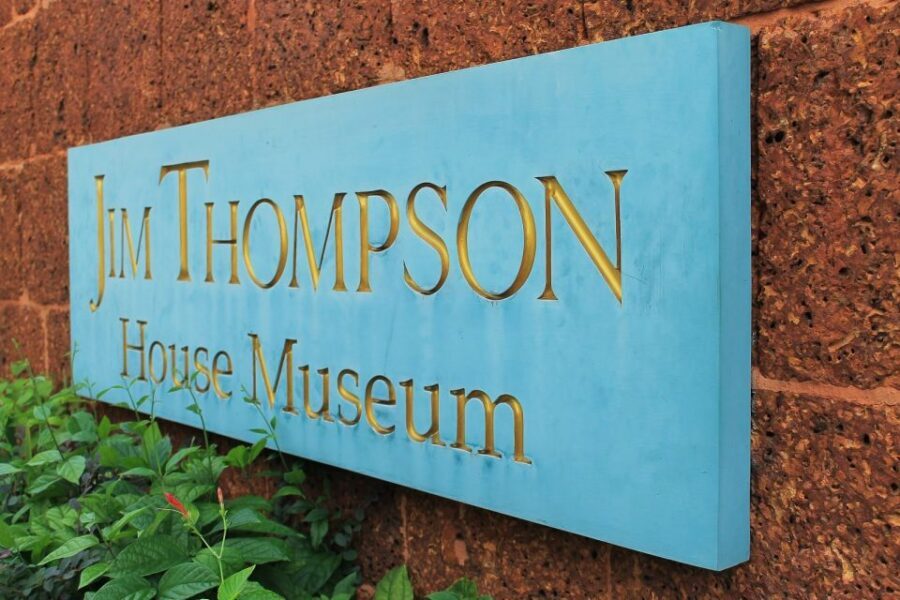
If you only do the Jim Thompson House, you’ll still see one of Bangkok’s most famous museum interiors. But you’ll miss the “why” behind the silk story. This tour connects the house with the people and place that made Thai silk famous.
The time window matters too. With a roughly 08:30 AM hotel pickup and about 4 hours total, you’re not committing half your day. You get a full sensory arc: architecture inside, then working crafts along the canal.
For $55 per person, you’re paying for more than entry. You’re getting private round-trip transfers from Bangkok CBD hotels, an English-speaking guide, and the Jim Thompson House ticket. Lunch is not included, so you’ll want to eat either before pickup or after you’re back.
You can also read our reviews of more tours and experiences in Jim Thompson House.
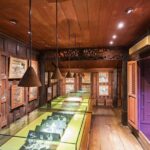
Jim Thompson House: moving teak Thai houses into one living museum
The Jim Thompson House experience starts before you even step inside. Your guide meets you around 08:30 AM at your hotel in central Bangkok, then drives you in an air-conditioned car to the museum. Once you arrive, your guide gives the framing story, then you enter the complex with a Jim Thompson House guide who helps you see different sections.
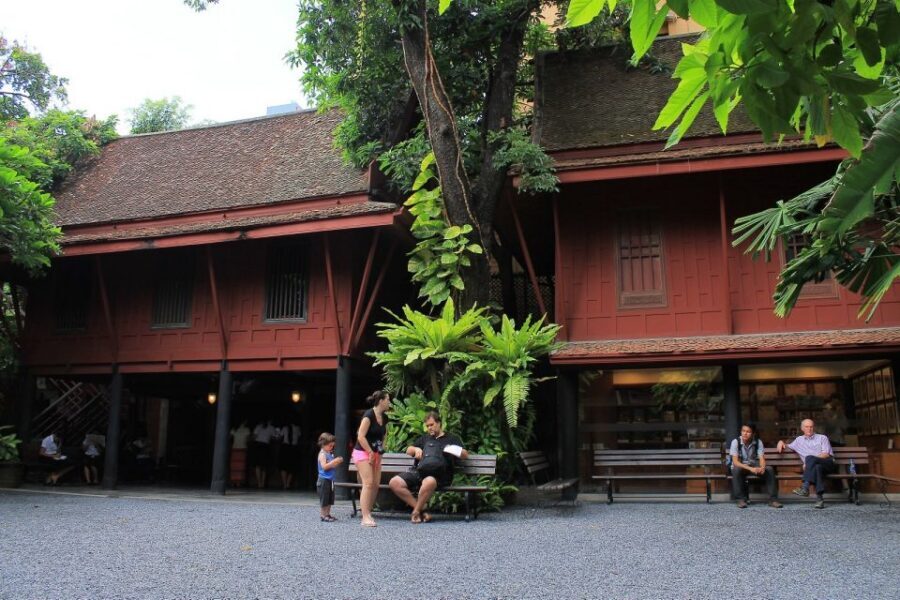
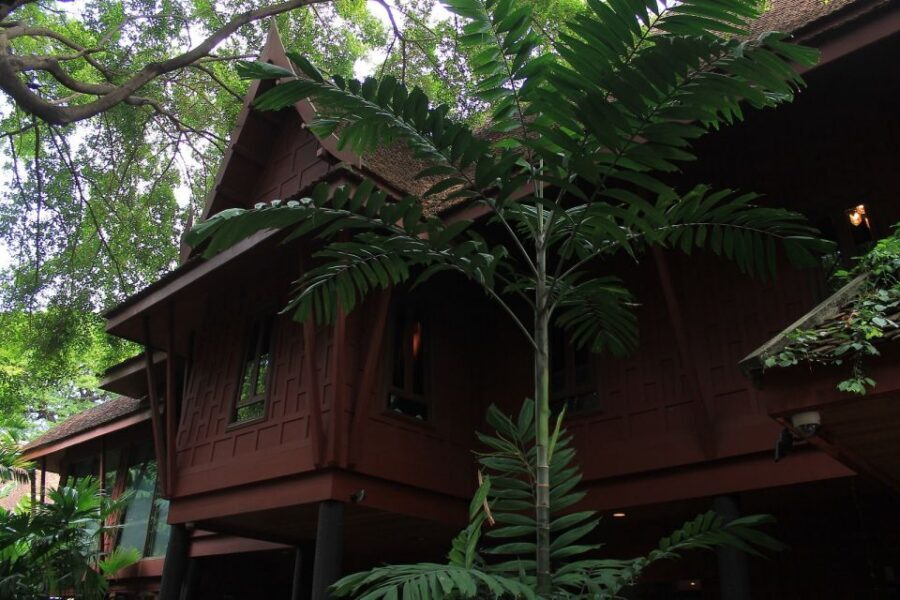
Here’s what makes the house more interesting than a typical museum stop: it’s not one building. It’s a complex of traditional Thai-style houses made of teak structures. According to the tour info, the teak homes were purchased from several owners and moved to this location from different parts of Thailand.
Construction of the Thai house is completed in 1959, and the important idea is continuity. Since Jim Thompson’s disappearance in 1967, the home hasn’t been dramatically changed. That means you’re not just seeing artifacts; you’re walking through a preserved domestic space that once functioned as a social center.
What you’ll enjoy most inside
- The layout of Thai-style rooms and how the buildings connect as a complex
- The teak building story: where the structures came from and why relocation mattered
- Guided pacing through different sections, so you don’t miss the key rooms
A possible drawback to keep in mind
This part is the easiest to do on your own, because the museum is the main event. If you’re expecting the guide to feel like a full deep-dive every minute, set your expectations accordingly. The stronger payoff often comes when the tour transitions from the house to the weaving neighborhood.
Baan Krua Nhua by the canal: Cham roots and the silk workday
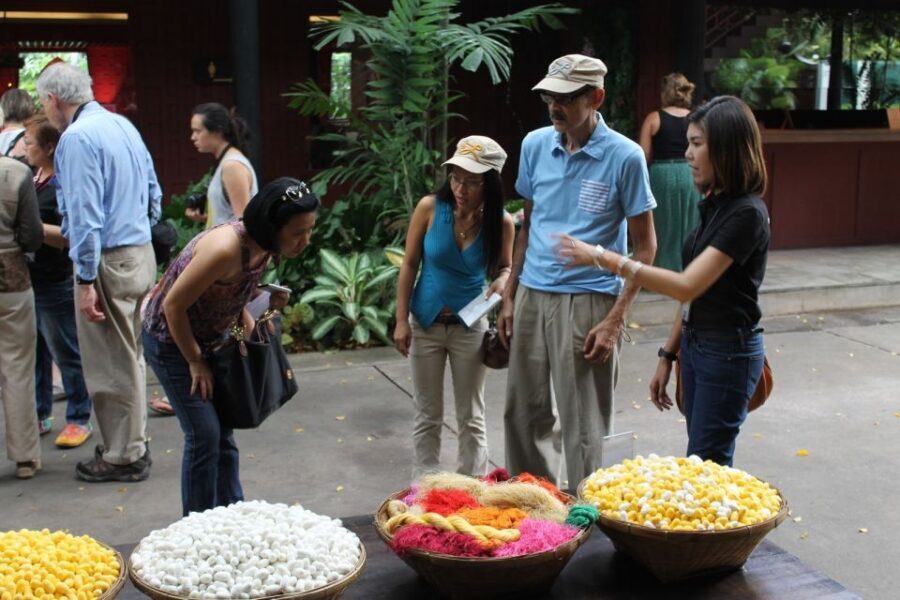
After the Jim Thompson House, you’ll ride to Baan Krua Nhua, located on the bank of the Klong Saen Saeb River. The community is tied to the Cham people, with roots said to reach back to the reign of King Rama I. In the community tradition, people typically work as fishermen and silk weavers.
This is where the “legend of Jim Thompson” gets placed in real geography. The tour explains that Jim Thompson became fascinated by Thai silk and supported weaving in this community, bringing it into his own company. That global brand reputation is part of the reason many people first heard the name Jim Thompson.
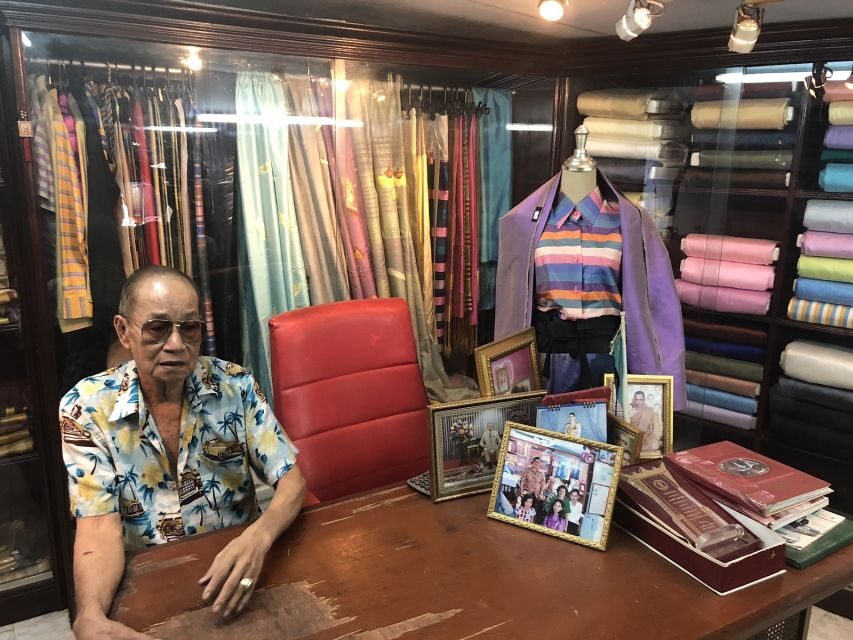
Now it’s time to see what’s still happening. The tour takes you to the silk village area and includes an opportunity to visit the house of Uncle Aood, described as the last family in the Baan Krua community who continues the silk business for a living.
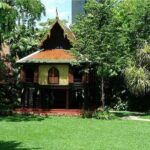
What the canal neighborhood adds
Even if you don’t shop, this stop is about seeing how craft lives in a place. Being near the klong helps you picture the older rhythm of the area—how people worked, moved goods, and built community around the waterways.
This is also the point where the guide’s explanations can make or break the experience. The best guides focus on how silk is made and why this community’s work mattered historically, not just how to pronounce the town name.
Visiting Uncle Aood’s home and the last-weaver feel
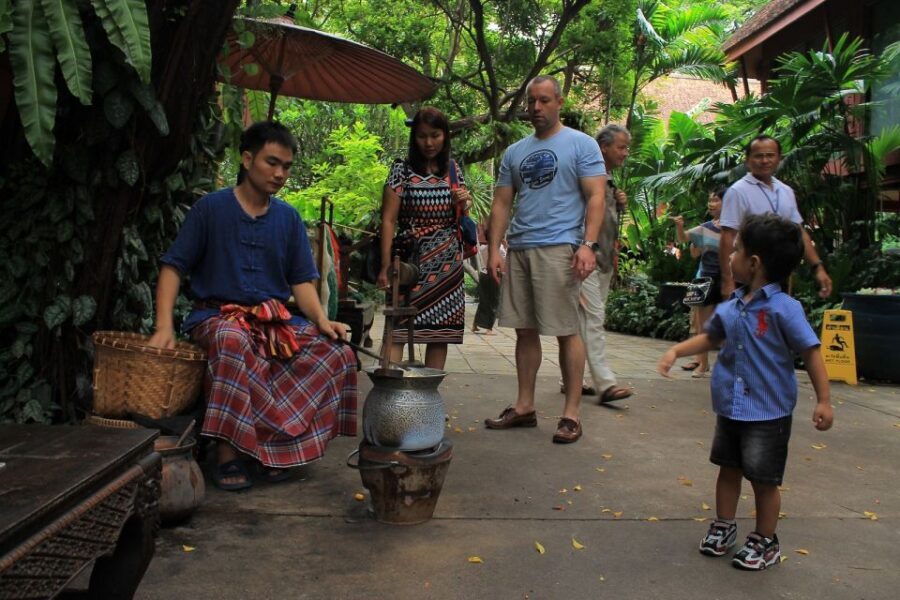
The most emotional part for craft lovers is often the “last family” component. The tour specifically highlights Uncle Aood as the continuing face of silk weaving in Baan Krua Nhua. Even if you’re not a textile expert, you can feel the difference between a showroom and someone actively living the craft.
The tour info also gives you a practical way to judge quality: silk here is described as having a high-quality texture, beautiful color, and durability. When you learn those three words and then see the fabric and products in person, your shopping decisions get easier.
Questions I’d ask your guide while you’re there
If you want your money to turn into something you’ll use, ask your guide:
- Which products come from the weaving process here, versus elsewhere?
- What makes the texture and color last?
- How would they recommend you handle or wash the items if you’re buying clothing?
Not every guide will frame answers the same way, but you’ll get the best results by asking for the “what to look for” version of the story.
Shopping for Thai silk: how to buy with confidence at the source
Shopping at a working craft site can be amazing. It can also be stressful if you don’t go in with a plan. This tour includes an opportunity to buy original Thai silk from the Baan Krua community, directly from the last family still making silk.
That’s a big value point. Buying direct means you can connect the product you hold to the place where it’s made. You’re not stuck with vague explanations or just “nice souvenirs.”
The smarter way to shop on this tour
- Set a target budget before you arrive. If you don’t, you’ll negotiate emotionally, not logically.
- Ask for clarification on what you’re paying for—fabric quality, weaving work, and the specific item type.
- Compare what looks similar. Even if you can’t “test” silk like a specialist, you can compare color and texture by eye.
There’s one more consideration: the Baan Krua community stop can be smaller today than the romantic idea in your head. One experience noted that the community’s silk weaving has narrowed to two looms making silk, with other production happening elsewhere. Another concern raised was about pricing on items like ties and how commissions can work when a guide is involved.
None of that means you should avoid shopping. It means you should treat buying as optional, and you should protect yourself with a clear budget and a calm attitude.
If you want the experience without any shopping pressure, you can still enjoy the visit for the architecture story plus the living-craft context. Just tell your guide you’re browsing first.
Guide and driver: what makes the morning feel easy
This tour runs on smooth logistics. Your guide meets you at your hotel around 08:30 AM, and you travel by air-conditioned car. The transfers are private round-trip from Bangkok CBD hotels, which is a big deal if you’re trying to avoid Bangkok traffic stress before noon.
The tour is also guided in English, with your guide described as English-speaking. The listing notes English and Thai as languages connected to the experience. Then inside the Jim Thompson House, the museum guide escorts you through different sections.
The difference a great guide makes
The most praised part of this experience is often the guide’s ability to connect dots. For example, some guides like Tum Tum are described as sharing strong insights into silk production and the history of the Jim Thompson area. Others, named Kiwi, are praised for being friendly, patient, and willing to answer lots of questions, plus helping point you toward good shopping options based on what you like.
Even if your guide isn’t named Tum Tum or Kiwi, you can use that as a checklist: look for someone who explains what you’re seeing and doesn’t rush you out the door.
Timeline: how four hours actually feels in Bangkok
A four-hour tour is the sweet spot if you want Bangkok culture without burning your day. You get pickup, two focused stops, and then return transfer back to your hotel.
The pacing tends to work like this:
- Hotel pickup ~08:30 AM and drive to Jim Thompson House
- Jim Thompson House intro + guided route through the complex
- Transfer to Baan Krua Nhua on the Klong
- Visit to the silk weaving area and Uncle Aood’s home
- Return to your hotel
You’ll want to plan around lunch since it’s not included. If you’re the type who needs a meal early, eat before pickup or keep a simple plan for afterwards. Your energy level will affect how much you enjoy the hands-on craft and shopping time.
Also, wear comfortable shoes. Thai house complexes involve walking between sections, and canal-area visits usually mean you’ll spend time moving around rather than sitting in one place.
Who should book, and who might prefer something else
This is a great fit if:
- You like Thai architecture and want to understand how the teak houses became a museum complex
- You care about textiles and want to see silk making tied to a specific community
- You want a guided story that connects Jim Thompson to the place where silk mattered
You might want to think twice if:
- You only want a quick museum visit and don’t care about the weaving neighborhood
- You’re very price-sensitive and don’t want any shopping moment at the end
- You expect Baan Krua to feel like a large, busy village workshop. The craft side can be limited today.
That said, even when the weaving portion is smaller than a first-time visitor imagines, it still adds meaning to the Jim Thompson House visit. It turns a famous name into something you can point to on a map.
Should you book this Bangkok silk tour?
Book it if you want the best value from your morning by combining two related experiences: a preserved teak Thai house complex and a real silk-weaving community stop. The private transfers and guide make it easy, and the Uncle Aood visit is a strong reason to choose a tour rather than wing it.
Skip it or adjust expectations if you’re only shopping-minded, or if you mainly want museum-only time. You’ll still get plenty from Jim Thompson House, but the tour’s extra value depends on whether you enjoy the storytelling and seeing craft where it happens.
If you book, do two things: go with a budget for silk purchases (or decide not to buy), and ask your guide what makes this silk durable, how the weaving works, and what to look for in the products.
FAQ
What time does the tour pick me up in Bangkok?
The guide meets you at your hotel around 08:30 AM in central Bangkok.
How long is the tour?
The duration is about 4 hours.
What does the price include?
It includes private round-trip transfers from Bangkok CBD hotels, the entrance ticket to Jim Thompson House, an English-speaking guide, and all taxes and fees.
Is lunch included?
No, lunch is not included.
What language is the guide?
The tour includes an English-speaking guide, and the experience is listed as available in English and Thai.
Where are the stops during the tour?
You’ll visit the Jim Thompson House museum, then the Baan Krua Nhua weaving community on the bank of the Klong Saen Saeb River, including a visit to Uncle Aood’s house.
What is the cancellation policy?
You can cancel up to 24 hours in advance for a full refund.