REVIEW · BANGKOK
Private Heritage Tour of Jim Thompson House and Bangkok Temples
Book on Viator →Operated by Mam Holidays Thailand Co Ltd · Bookable on Viator
Bangkok history, minus the chaos. This half-day private tour is built for real conversation with an English-speaking guide, while you move through Jim Thompson House and standout temple landmarks at a pace that doesn’t feel rushed. I like that the whole flow is designed around your questions, not a time clock and a megaphone.
Two things I especially like: entrance fees are included (so you’re not doing surprise add-ons at the counter), and the visits hit both Thai art/culture and major spiritual sites in a way that’s easy to follow. One caution: guide quality can vary, and I’ve seen at least one case where the guide admitted they hadn’t been to the stops before, which can mean less accurate on-the-ground context.
If you want a smarter Bangkok day—cool car, clear explanations, and time to look closely—you’ll likely enjoy this format. Just do a quick sanity check before you go if you’re picky about deep site knowledge.
In This Review
- Key highlights and what they mean for your day
- Private transport and hotel pickup: the comfort win in Bangkok
- Jim Thompson House: teak, silk, and a house with a mission
- The temple circuit: Wat Saket Golden Mount and the view payoff
- Loha Prasat (Wat Ratchanatdaram Woravihara): 37 metal spires and unusual calm
- Wat Suthat (Thepwararam): murals and an enormous bronze Buddha
- The missing piece to double-check: Suan Pakkad Palace or the temple-only version?
- How long it really feels: 4 hours, but with smart breathing room
- Booking value: what you’re paying for, and what you get back
- Who this tour suits best
- Should you book it? My straight take
- FAQ
- FAQ
- How long is the private heritage tour?
- Is this a private tour or shared group?
- Do I get hotel pickup and drop-off?
- What transportation is used?
- Is an English-speaking guide included?
- Are entrance fees included?
- Are mobile tickets provided?
- When should I cancel for a full refund?
- What if the experience is already booked far ahead?
Key highlights and what they mean for your day
- Private pacing: You can linger in galleries and slow down on stairs without holding a group back.
- Jim Thompson House storytelling: You’re not just looking at teak and art—you get the silk-industry origin story behind the home.
- Wat Saket Golden Mount views: A short climb with big-picture panoramas over Rattanakosin Island.
- Loha Prasat’s 37 metal spires: One of Bangkok’s rare temple structures, with quiet interior spaces to explore.
- Wat Suthat’s scale: You’ll see the enormous bronze Buddha and murals tied to a major royal temple.
- Entrance-tickets included: Less hassle, more time spent actually sightseeing.
Private transport and hotel pickup: the comfort win in Bangkok
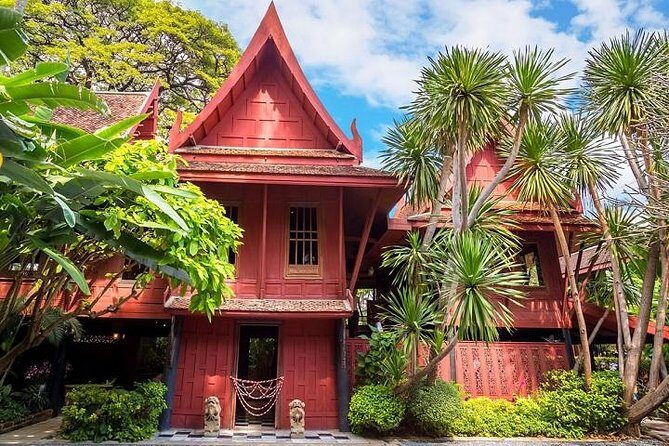
The best part of this tour format is that it removes two common Bangkok headaches: where to meet, and how to get around in peak traffic with a hot, crowded ride. You meet your driver at your hotel, then head out in an air-conditioned sedan. That matters because you’re doing multiple heritage stops in a single morning/afternoon window, and Bangkok weather can make walking stand out more than the sights.
The private setup also changes the way you experience places like Jim Thompson House and the temples. Instead of watching other people line up or compete for the next photo angle, you can ask practical questions as you go. If you’ve ever wished you could pause mid-visit and ask what you’re actually looking at, this style is the point.
One more practical value: the tour includes admission tickets for the stops listed as paid entrances. You’re not left scrambling to figure out which sites require which ticket type. It’s a small thing, but it keeps your schedule smoother.
You can also read our reviews of more private tours in Bangkok


Jim Thompson House: teak, silk, and a house with a mission
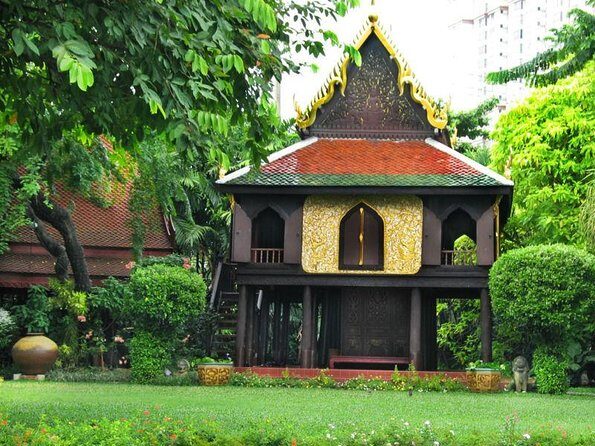
Jim Thompson House is the kind of place that works on two levels at once. Visually, it’s calm and beautiful. Story-wise, it connects a person, a business, and a cultural industry.
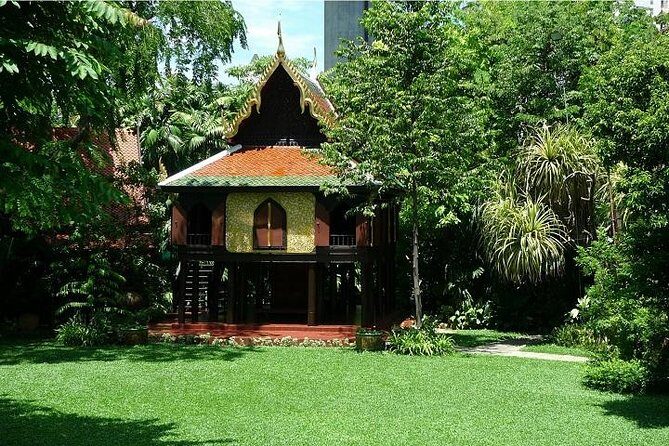
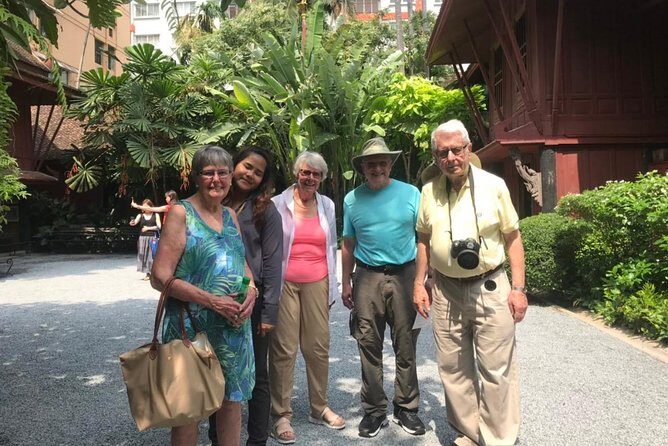
You’ll spend about an hour exploring the traditional teakwood home associated with Jim Thompson—an American businessman credited with helping revitalize Thailand’s silk industry. That detail matters because it gives context to what you see. When you notice the craftsmanship in teak detailing and the home’s overall layout, you’re not just admiring decoration. You’re seeing how a “collector’s home” can also become a cultural statement.
Inside, the rooms are arranged around fine arts, antiques, and Buddhist sculptures. You may also see examples of styles mentioned in the tour description, including pieces connected to Burmese, Sukhothai, Suwankhalok, and Benjarong traditions. If you like learning how regional styles traveled and how collections reflect taste and purpose, this is a strong stop.
Then there’s the garden. It’s not just greenery for photos; it’s part of why the house feels different from many city attractions. It gives your eyes a break after indoor rooms, and it makes the visit feel paced rather than sprinted.
Potential drawback to consider: if you’re expecting a deep dive into every object, a private guide helps—but guide experience can vary. I’ve seen one situation where the guide admitted they hadn’t been to either site before, and the mismatch can affect how confident the explanations feel. If you care a lot about interpretive detail, take advantage of any Q&A time and ask what a piece represents, where it was from, and why it ended up there.
The temple circuit: Wat Saket Golden Mount and the view payoff
After Jim Thompson House, the route often shifts into temple territory. One stop is Wat Saket, also called Golden Mount, where you ascend a spiral staircase. This isn’t a huge trek, but it’s enough effort that you’ll feel rewarded when you’re higher up.
Golden Mount is described as one of Bangkok’s oldest temple sites. That age is part of the appeal: you’re not just touring a shiny landmark. You’re visiting a place that’s been a spiritual point for a long time, with the structure itself guiding you upward.
And yes, the views are the point. From up high, you get a wider look over Rattanakosin Island and the calmer grounds around the temple. Even if you’ve seen Bangkok from elsewhere, the combination of elevated perspective plus temple atmosphere tends to land well because the setting feels quieter than the street level you’re escaping.
Tip that makes a difference: wear comfortable footwear for stair climbing. It’s not a mountain hike, but it’s enough steps that good shoes keep the mood right.
Loha Prasat (Wat Ratchanatdaram Woravihara): 37 metal spires and unusual calm
Next up is Wat Ratchanatdaram Woravihara, better known as Loha Prasat. This stop is famous for its 37 metal spires, which is a rare sight in a city full of classic temple roofs.
The structure is part science experiment, part spiritual landmark. The tour format gives you time to explore quiet corridors, spiral staircases, and upper-level meditation areas while your guide explains the symbolism—so it’s not just a quick exterior glance.
What I like about Loha Prasat for a half-day plan is that it gives variety. After Jim Thompson’s teak and indoor collections, Loha Prasat feels different immediately: more vertical, more architectural, and more about how spaces are designed for movement and contemplation.
Possible drawback to weigh: because the spires are visually dramatic, you might think it’s only a photo stop. Give it the time to slow down once you’re inside. The payoff is in the interior layout and how the building’s shapes guide your attention upward.
Wat Suthat (Thepwararam): murals and an enormous bronze Buddha
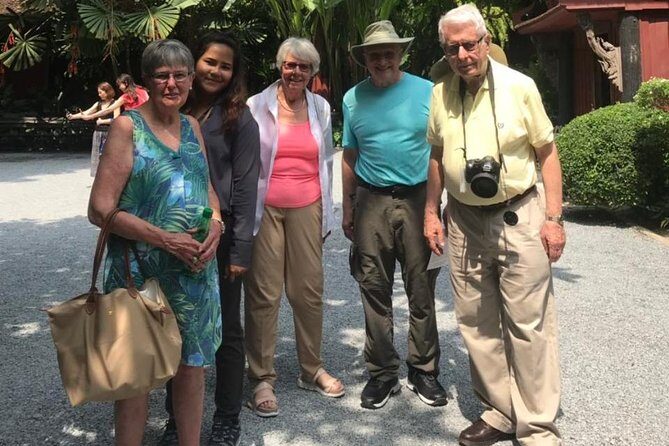
The route often includes Wat Suthat Thepwararam, described as one of Bangkok’s six royal temples. That matters because royal temples tend to be more detailed and more consistent in architectural quality, even when you’re just walking through.
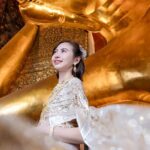
This stop is noted for an enormous bronze Buddha and hand-painted murals, plus elegant temple architecture. In practical terms, that means your visit can work even if you’re not a “temple person.” You can focus on the scale of the Buddha, then switch to the murals for closer viewing.
Also, royal temples usually feel more composed. You’ll likely notice more people moving calmly rather than rushing through. That fits well with a private guide who can explain what you’re seeing while you take your time.
My advice: aim to spend your full allotted time here. If you rush, you’ll miss what makes Wat Suthat different from smaller stops: the murals and the sense of ceremony around the Buddha space.
You can also read our reviews of more historical tours in Bangkok

The missing piece to double-check: Suan Pakkad Palace or the temple-only version?
There’s one detail you should pay attention to before you assume the entire route. The tour write-up highlights Suan Pakkad Palace as a major heritage destination, describing it as a former royal residence with eight traditional teak wood houses and a beautiful garden. It also calls out collections connected to Prince and Princess Chumbhot, including something described as the Lacquer Pavilion built in Ayutthaya during the 17th century.
It also mentions Ban Chiang artifacts—pottery, tools, and glass ornaments dating back to 3600 BCE—which is an excellent fact for anyone who likes early history and material culture.
But the schedule-style stops provided for the experience focus on temples after Jim Thompson House. So in real life, you’ll want to confirm which version you’re booked on, especially if Suan Pakkad Palace is a must for your interests.
If your goal is specifically Thai royal residence + archaeology-style artifacts, prioritize verifying that Suan Pakkad Palace is included on your day. If you’re more into temple architecture and city views, the temple sequence is a strong match.
How long it really feels: 4 hours, but with smart breathing room
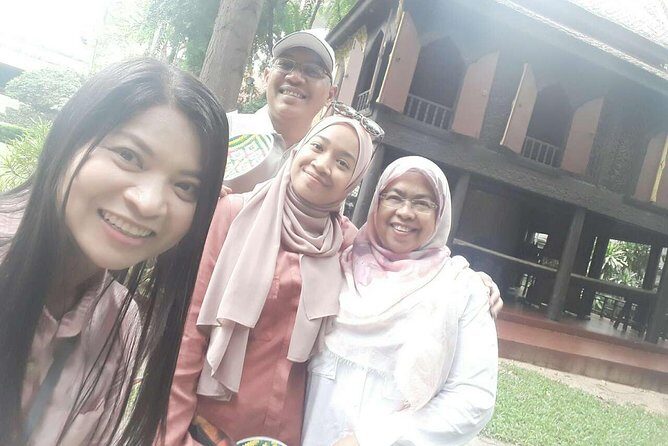
The tour duration is about 4 hours. With a private format, that usually translates to a comfortable pace if you don’t treat every stop as a sprint for photos. The time allocation you’ll likely experience looks like this: around an hour at Jim Thompson House, then shorter temple visits (about 30 minutes each for the major temple stops mentioned).
That timing is part of the value. You’re getting variety—art and antiques at Jim Thompson House, then architectural temple experiences, then views from Golden Mount—without trying to cram too much into one exhausting day.
The private guide also helps you “use” the time more effectively. Instead of reading signs alone, you can get quick context so you don’t have to guess what matters.
Booking value: what you’re paying for, and what you get back
At about $133.34 per person, this isn’t a “budget bus tour,” and it shouldn’t be. The price feels more reasonable when you look at what’s included: hotel pickup/drop-off in Bangkok City Area, transport in an air-conditioned sedan, an English-speaking guide during sightseeing, plus entrance tickets at the paid sites.
For a private heritage tour, you’re paying for time and convenience. You’re also paying for interpretation. If you like learning while you look—and if you plan to visit multiple heritage sites anyway—private guide time can be a smart way to keep your day organized.
Where value gets less consistent is guide experience. I’ve seen a situation where the guide admitted they hadn’t been to either site, which is the opposite of what you want when you’re paying for a guided experience. That doesn’t mean it’s the norm, but it’s a good reminder: if your trip depends on detailed explanations, ask the company ahead of time how they assign guides, and be ready to ask more directly on-site.
Who this tour suits best
This works best if you:
- Prefer private time over group schedules.
- Want a guide to explain what you’re seeing at Jim Thompson House and the temple stops.
- Like a mix of architecture, art, and spiritual landmarks without a full-day commitment.
It might be less ideal if you:
- Want a museum-level deep interpretive experience at every object.
- Are highly sensitive to guide experience quality and need highly trained specialists at each stop.
Should you book it? My straight take
I’d book this tour if you want an organized half-day with hotel pickup, a private guide, included tickets, and a practical mix of Bangkok heritage. Jim Thompson House alone makes a good case; the temple circuit adds variety without turning your day into a marathon.
Before you hit confirm, do one quick check: confirm whether Suan Pakkad Palace is actually included on your exact day. If it is, you get a strong bonus of teak-house architecture and artifacts described down to the Ban Chiang timeframe. If it isn’t, then the tour still makes sense as a temple-and-culture route starting with Jim Thompson House.
If you’re fortunate enough to get a guide like Eff (praised for excellent English and helping with less-visited wats), the experience becomes noticeably better. If you get a guide who hasn’t been prepared for the sites, you’ll still see the main landmarks—but you may rely more on what you can ask in the moment.
FAQ
FAQ
How long is the private heritage tour?
It’s listed as about 4 hours.
Is this a private tour or shared group?
It’s private. Only your group participates.
Do I get hotel pickup and drop-off?
Yes, hotel pickup and drop-off are included for Bangkok City Area hotels.
What transportation is used?
You ride in an air-conditioned sedan.
Is an English-speaking guide included?
Yes, an English-speaking guide is included during the sightseeing.
Are entrance fees included?
Admission tickets are included for the listed stops, and entrance fees are included for the destinations visited so you don’t have to handle separate site charges.
Are mobile tickets provided?
Yes, mobile tickets are listed as a feature.
When should I cancel for a full refund?
You can cancel up to 24 hours in advance for a full refund.
What if the experience is already booked far ahead?
This tour is on average booked about 43 days in advance, so earlier planning can help if your dates are tight.