REVIEW · BANGKOK
Bangkok: Koko Japanese Omakase
Book on GetYourGuide →Operated by Hungry Hub · Bookable on GetYourGuide
Omakase in Bangkok feels like dinner with a live workshop. Koko Japanese Omakase brings a traditional Japanese omakase format into central Bangkok, with chefs preparing each course in front of you and serving it in a tight, curated flow.
I like two things right away. First, the meal is clearly built around chef skill and fresh Japanese ingredients, so every course feels intentional. Second, the sharing set packages help you try more variety (and feel good about the price), which is ideal if you’re eating with friends. One thing to consider: based on a real booking experience, the chef’s explanations may be brief and can lean Thai-focused when Thai diners are at the table.
In This Review
- Key points to know before you go
- What You’re Really Buying in 90 Minutes
- The Sharing Set Packages: value that makes sense
- Chef Skill You Can See Without Knowing Japanese
- Japanese Seafood Sourcing: why it actually matters
- The Atmosphere: small, intimate, and very focused
- Price and value check: is $24 worth it?
- Practical Bangkok planning: what to wear and what not to bring
- Timing and flow: how the meal likely feels
- Who Should Book This Omakase—and who might skip it
- Should You Book Koko Japanese Omakase?
- FAQ
- How long is Bangkok: Koko Japanese Omakase?
- What’s the price per person?
- Where does this take place?
- Is transportation included?
- Are there sharing set packages?
- Are there any rules about what you can bring or wear?
- Is alcohol included?
- Are refunds available if you cancel?
- How do starting times work?
Key points to know before you go
- 90-minute, course-by-course pacing that keeps the experience focused instead of dragging on
- Japanese-sourced seafood and ingredients, which is the whole point of choosing omakase
- Sharing set packages designed for groups who want variety without blowing the budget
- Intimate, exclusive atmosphere where you’re close to the action at the counter
- Hospitality that feels attentive, even if course commentary may be quick
What You’re Really Buying in 90 Minutes
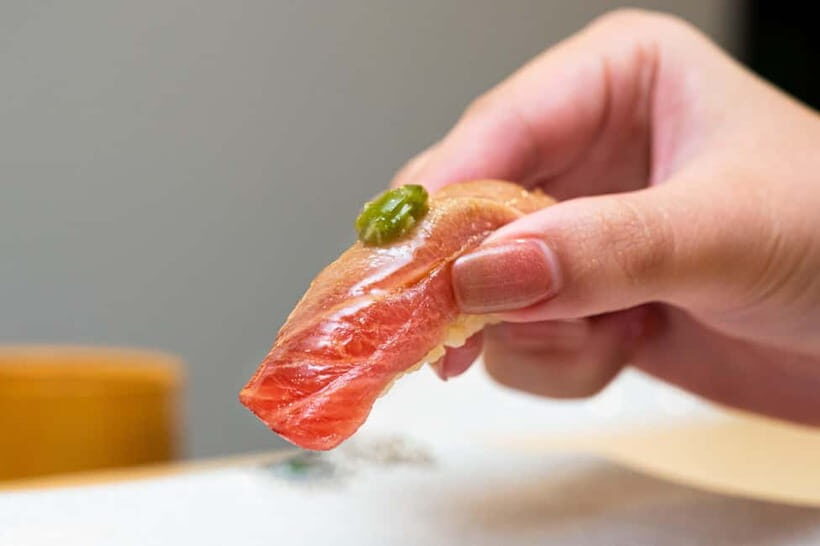
This is a 90-minute omakase meal, not a slow, wandering food tour. That matters because omakase works best when the timing is controlled: you taste, reset, then move on to the next course while the kitchen stays in rhythm.
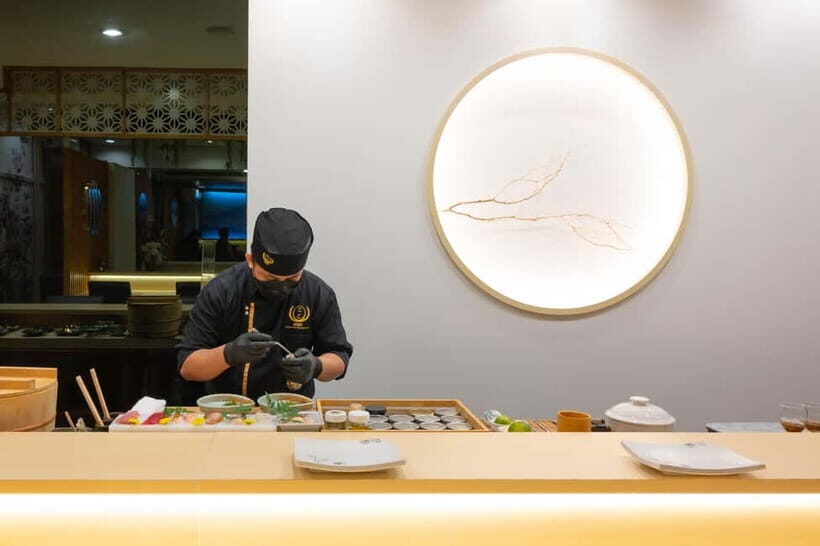
You’ll be part of an intimate, exclusive dining setup where chefs do the hands-on work as each course comes out. The experience is built around what the chef produces and how it’s presented—so it’s as much about watching technique as it is about eating.
You can also read our reviews of more tours and experiences in Bangkok.

The Sharing Set Packages: value that makes sense
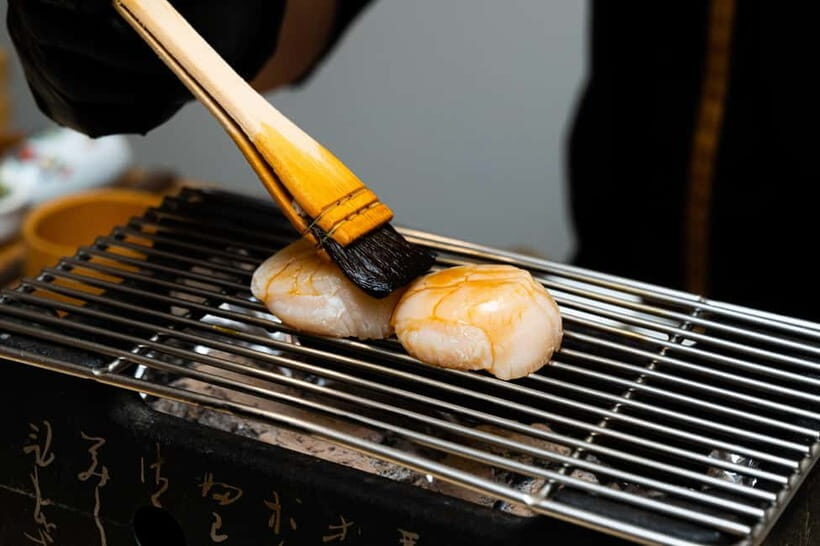
Koko Japanese Omakase offers sharing set packages that are meant to be good value while still feeling like real omakase. If you’ve ever felt like “omakase” meant paying a lot for too little food, this is the smart workaround.
In practical terms, sharing sets help you:
- Try a wider selection across the meal
- Split the cost more evenly in a group
- Stay within a predictable $24 per person budget level
For groups, this style is especially convenient. You can stay together, share the table experience, and still end up with a varied plate rather than each person getting the exact same narrow slice of the menu.
Chef Skill You Can See Without Knowing Japanese
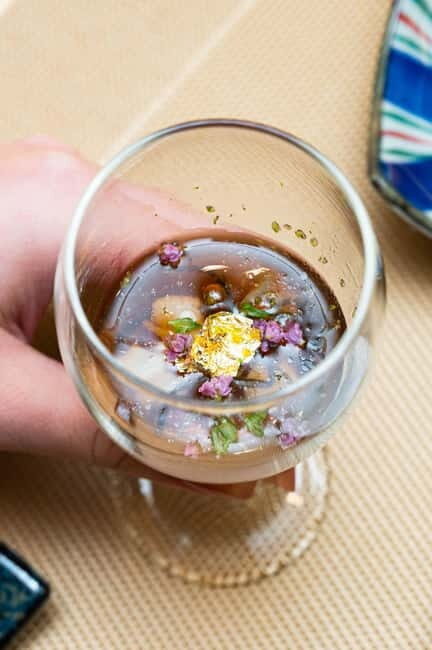
Omakase lives or dies on technique, and this one is clearly set up for that. When a chef prepares each course carefully in front of you, you notice the small details fast: the pace, the handling, the way each element is treated as part of the whole.
You might get less “lecture-style” commentary than you expect. One booking experience noted that when Thai diners were seated at the table, the chef’s talk leaned Thai, and when it was their turn the explanation was quick. That’s not a deal-breaker if you’re there for the food first—but it’s worth knowing if you like deeper narration with each course.
Japanese Seafood Sourcing: why it actually matters
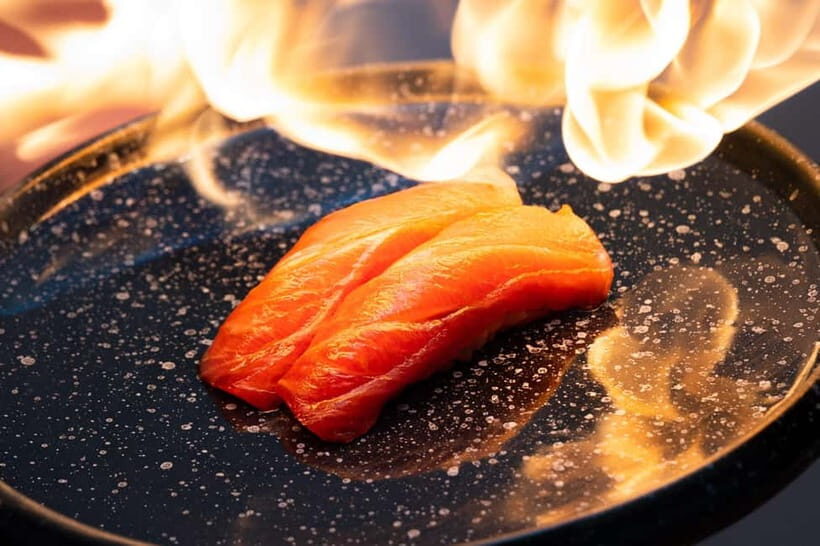
The highlights here are honest: you’re coming for highest quality seafood and ingredients sourced from Japan. In a city like Bangkok, you can find great food anywhere. So choosing omakase with Japan sourcing is about chasing consistency—flavor, freshness, and that clean taste profile that shows up when ingredients are handled with care.
What does this mean for your plate? Typically, you’ll taste less “heavy” seasoning and more focus on quality ingredients. Even when the courses vary, the common thread is that the chef is working with seafood and components that are meant to shine on their own.
If you’re someone who loves seafood, this is the kind of meal where you’ll feel the difference quickly. If you’re not a seafood-first eater, you’ll still enjoy the structure—just consider that the whole concept is built around seafood quality.
The Atmosphere: small, intimate, and very focused
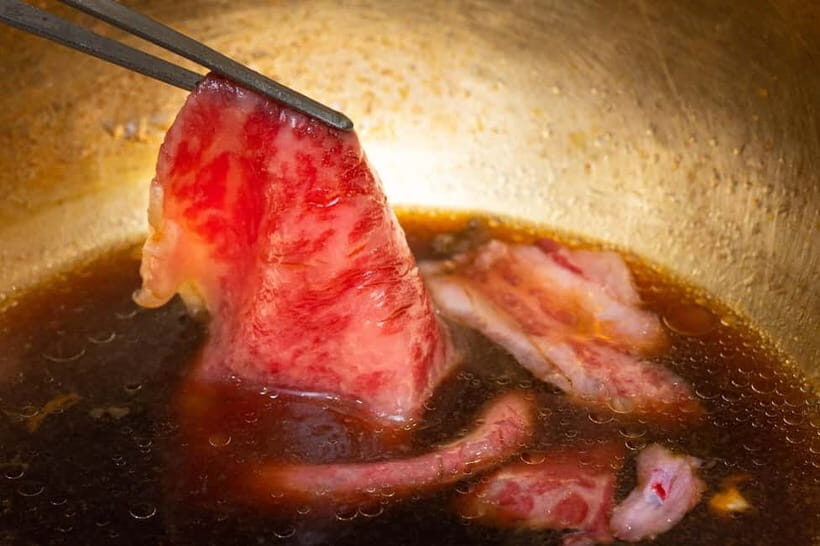
This isn’t a big, noisy dining room. It’s positioned as intimate and exclusive, which changes the vibe. Instead of feeling like you’re eating in the background of a restaurant, you feel like you’re part of the meal’s main event.
That closeness is also why timing matters. Since each course is served in the flow of the experience, you’ll probably want to arrive ready to settle in. If you’re the type who needs time to decompress after a long day, plan for that before you sit down.


Price and value check: is $24 worth it?
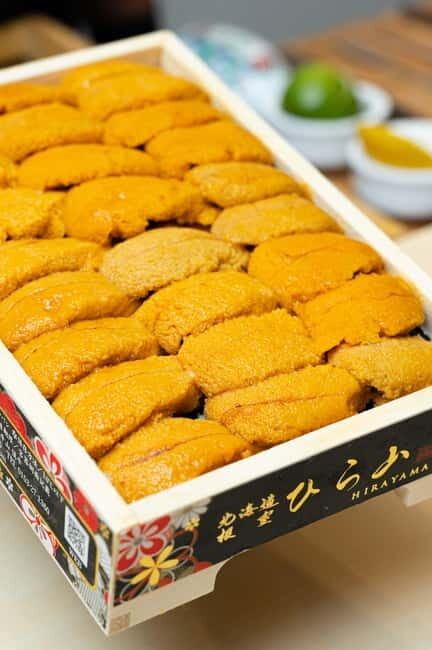
Let’s talk straight numbers: the price is listed as $24 per person for the omakase experience, with 90 minutes of dining time. For Japan-style seafood-focused dining, that’s a strong value point, especially in Bangkok where imported ingredients and high-touch service can usually push prices higher.
What makes it feel like value isn’t just the sticker price. It’s the combination of:
- Chef-prepped omakase structure
- Japan-sourced ingredient positioning
- Sharing set options that stretch variety without making your bill chaotic
One practical note: this activity doesn’t include transportation, so your total “real cost” is what you spend getting there. If you’re already close, great. If you’re far, factor that ride into the budget so you can judge value accurately.
Practical Bangkok planning: what to wear and what not to bring
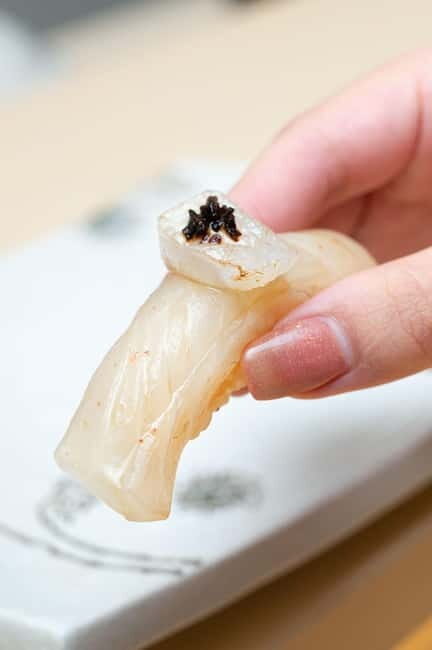
For a smooth night, follow the on-site rules. You can’t bring weapons or sharp objects, and you should avoid swimwear, sportswear, and bare feet. Alcohol and drugs also aren’t allowed.
So think simple:
- Wear regular casual clothes that look neat
- Keep bags and anything sharp locked away or left behind
- Plan for non-alcohol-centered dining unless you’re certain about what the place provides (the only explicit rule here is that alcohol itself isn’t allowed)
Also remember: duration is 90 minutes, and starting times depend on availability. If your schedule is tight, check the times early so you’re not scrambling.
Timing and flow: how the meal likely feels
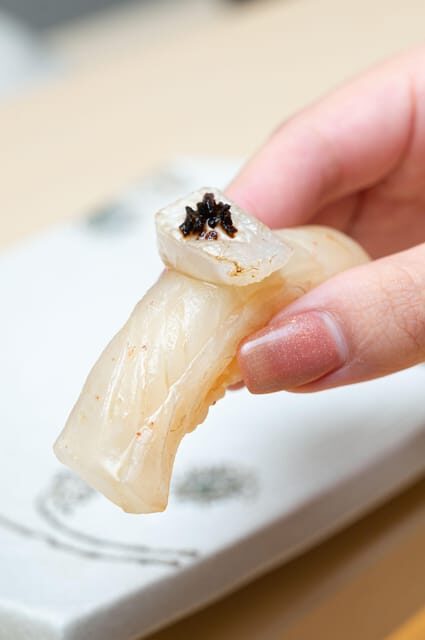
You’re not looking at a multi-stop itinerary. This is one experience with a defined rhythm: sit down, the chef starts, you move through courses, and then you’re done within the 90-minute window.
That makes it a good fit for:
- A dinner slot on a busy day
- Someone who wants a special meal without losing half the night
- Travelers who prefer quality over quantity
If you’re the type who likes to linger after dessert, this one may feel efficient. But if you like your food experiences structured and intentional, the pacing is part of the appeal.
Who Should Book This Omakase—and who might skip it
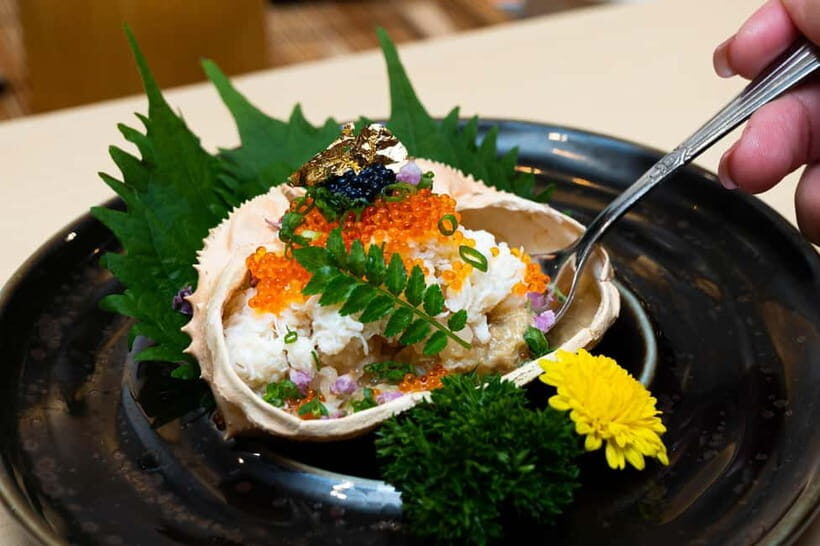
This experience is a great match if you:
- Want Japanese omakase format rather than a generic “Japanese restaurant”
- Love seafood and want ingredient freshness to lead the show
- Enjoy meals where the chef’s skill is part of the entertainment
- Are traveling in a group and like the sound of sharing set packages
It may be less ideal if you:
- Expect long, detailed explanations for every course in your preferred language
- Need alcohol service built into the experience (the only firm info here is that alcohol isn’t allowed)
- Want a flexible, open-ended dining time (it’s 90 minutes and designed to stay on schedule)
Should You Book Koko Japanese Omakase?
Yes, I’d book it if you want a short, high-focus meal with Japan-sourced seafood and real chef-driven presentation at a price point that feels reasonable for what you’re getting.
I’d think twice only if you know you strongly prefer extended commentary with each course or you’re sensitive to quick explanations. If you’re food-first and you like watching skilled work happen in front of you, this is the kind of Bangkok dinner that feels worth dressing up a little for.
FAQ
How long is Bangkok: Koko Japanese Omakase?
The experience duration is 90 minutes.
What’s the price per person?
The price is listed as $24 per person.
Where does this take place?
It’s in Bangkok, in central Thailand.
Is transportation included?
No, transportation is not included.
Are there sharing set packages?
Yes. The experience includes sharing set packages designed to offer a selection of dishes at a valuable price, especially for groups.
Are there any rules about what you can bring or wear?
Weapons or sharp objects are not allowed. Swimwear, sportswear, and bare feet are also not allowed. Alcohol and drugs are not allowed either.
Is alcohol included?
Alcohol isn’t allowed, so you should plan based on that.
Are refunds available if you cancel?
No. The activity is non-refundable.
How do starting times work?
The experience runs for 90 minutes, and you need to check availability to see starting times.