REVIEW · BANGKOK
Bangkok: Wat Pho Thai Massage in Your Hotel Room
Book on GetYourGuide →Operated by Bigcountry Experience Co.,Ltd. · Bookable on GetYourGuide
A great massage in Bangkok can be simple. This is a Wat Pho-style Thai massage delivered right to your room, with therapists who use hands, elbows, knees, feet, and herbal hot compresses in a focused 2-hour session. It’s also tied to the Thai massage tradition recognized by UNESCO as an Intangible Cultural Heritage, so you’re not just booking a spa add-on.
What I like most is the convenience of having the session at your hotel—no trip, no timing stress—and the feel of a true Thai approach, not the loose, oil-only version you might get elsewhere. You’ll also get real value at $32 per person for a full 2 hours, and the professionalism comes through clearly in accounts that call out therapists like Kay for being very professional and capable. One consideration: this massage is hands-on stretching work, so it’s not suitable if you have issues like back problems, heart problems, high blood pressure, diabetes, pre-existing medical conditions, or recent surgery.
When you’re ready, the whole experience is built around one idea: let skilled therapists work on circulation, flexibility, and comfort, while you stay relaxed in familiar surroundings.
In This Review
- Key Things to Know Before You Book
- Why a Wat Pho Thai Massage in Your Bangkok Hotel Room Works So Well
- From Lobby Meeting to Herbal Hot Compresses: What Happens in the 2 Hours
- $32 Per Person: How This Prices Like Real Value (and Why It Matters)
- Thai Massage Feels Different Than a North American Spa Style
- Who This Is Best For (and Who Should Skip It)
- Making It Smooth in Your Hotel: Small Prep That Prevents Big Friction
- Couples, Families, and Shared Recovery
- Bottom Line: Should You Book This Hotel-Room Wat Pho Massage?
- FAQ
- How long is the massage?
- Where does the massage take place?
- What is the price per person?
- What is included in the experience?
- Do I need to undress?
- What should I bring with me?
- Is it wheelchair accessible?
- Who should not book this massage?
- When should I book?
Key Things to Know Before You Book
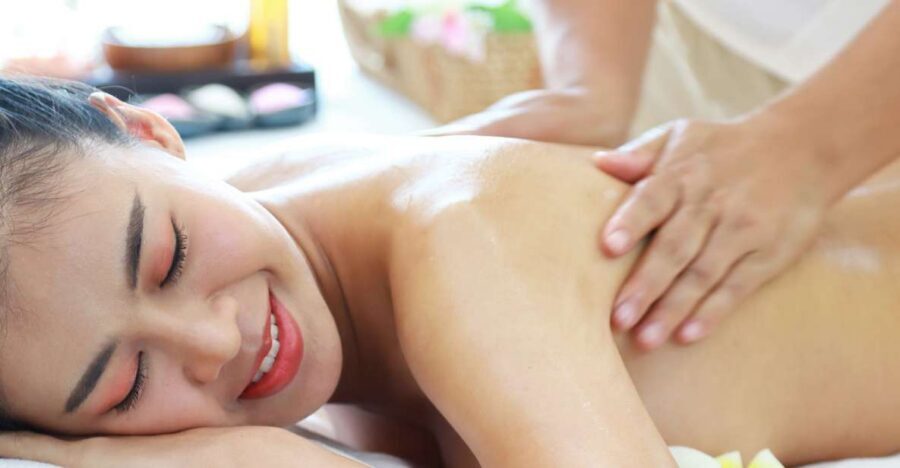
- It’s Wat Pho–style, not a generic spa massage, with specific Thai techniques like elbows, knees, and feet.
- Herbal hot compresses are part of the treatment, adding warmth to the stretching work.
- You keep your clothes on the entire time, so you can show up comfortable and move on with your day.
- Therapists travel to your hotel and you meet them in your lobby when they arrive.
- Two hours is the real focus, not a quick half-session.
- A room-based setup can be ideal after travel stress, especially when Bangkok heat makes you want to slow down.
Why a Wat Pho Thai Massage in Your Bangkok Hotel Room Works So Well
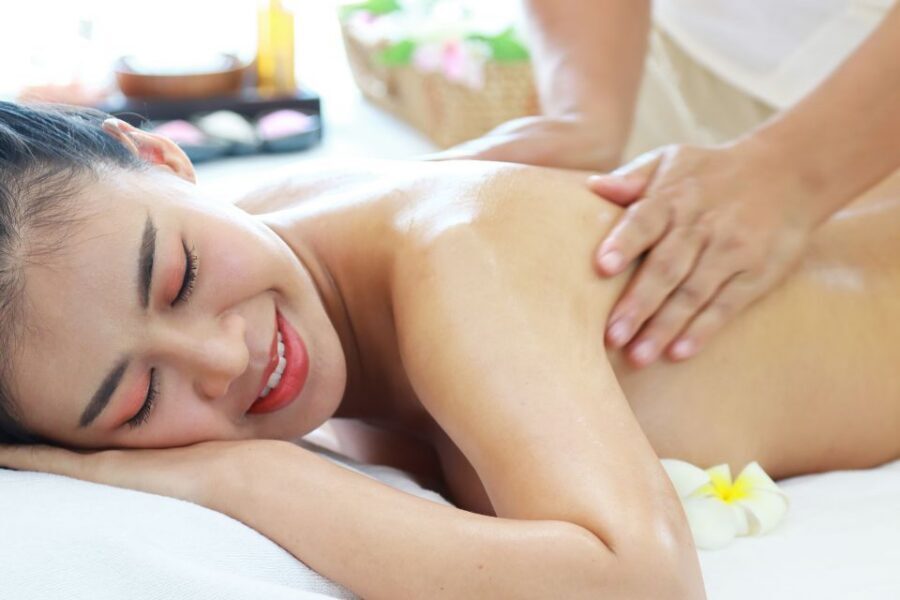
Bangkok is loud, hot, and full of momentum. After a long flight or a day of walking, the last thing you want is a second trip to a massage shop that might be hard to find, too far, or too inconvenient when you’re tired. This kind of service fixes that. A Thai massage tradition—linked to UNESCO recognition—comes to you, so your recovery time starts sooner.
I also like the way this experience frames Thai massage as more than relaxation. It’s presented as a healing practice that targets problems believed to come from blocked energy flow, and therapists work to rebalance that flow. Even if you view it in a practical, body-based way, the method makes sense: Thai massage uses firm pressure plus stretching to help restore comfort and mobility.
And yes, the hotel-room setting is a big deal. You can stay in your own space, keep your routine intact, and avoid the awkward part of going to a spa when you’re already jet-lagged. You also keep your clothes on throughout, which helps make the whole session feel straightforward.
You can also read our reviews of more tours and experiences in Bangkok.



From Lobby Meeting to Herbal Hot Compresses: What Happens in the 2 Hours
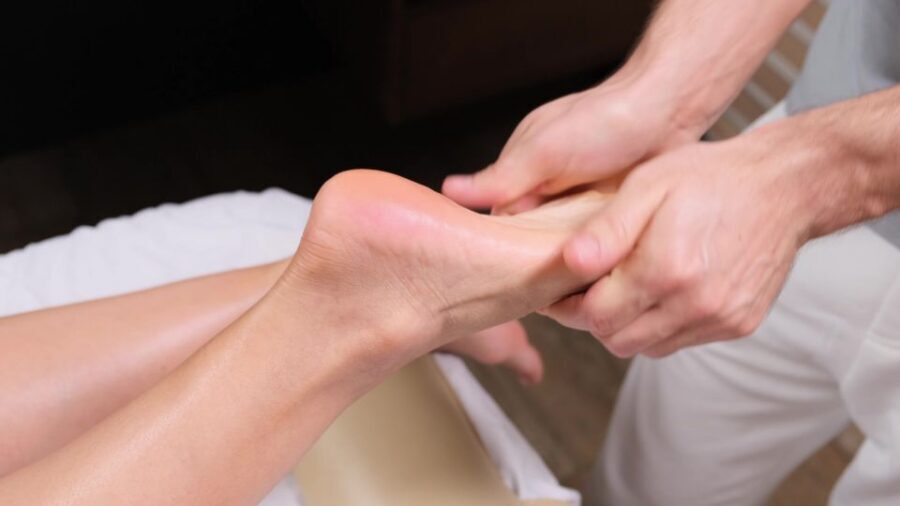
The session starts when your massage therapist arrives at your hotel. Because of hotel policy, you meet them in the hotel lobby when they get there. Then they go to your room with you (or guide you), and the massage begins at your setup.
Here’s the shape of what you’re booking for the full 2 hours:
- Thai massage work using hands, elbows, knees, and feet
- Stretching and manipulation meant to open up blocked routes and help rebalance energy flow
- Herbal hot compresses used as part of the treatment
That combination is what gives Thai massage its distinct rhythm. It’s not just pressure; it’s pressure plus movement. You’ll likely spend time in different positions, with the therapist applying technique that blends massage with stretching. Because you keep your clothes on, you’re spared the wardrobe step and can focus on relaxing while the therapist does the work.
The intention behind the session is also explicit: the goal is to replenish your body, energy, and structure, and to treat issues believed to happen when energy flow is obstructed. You can take that as spiritual language or as traditional framing. Either way, the practical outcome they’re aiming for is common to Thai massage: improved flexibility and increased blood flow, which many people feel as relief and looseness after a long day.
$32 Per Person: How This Prices Like Real Value (and Why It Matters)
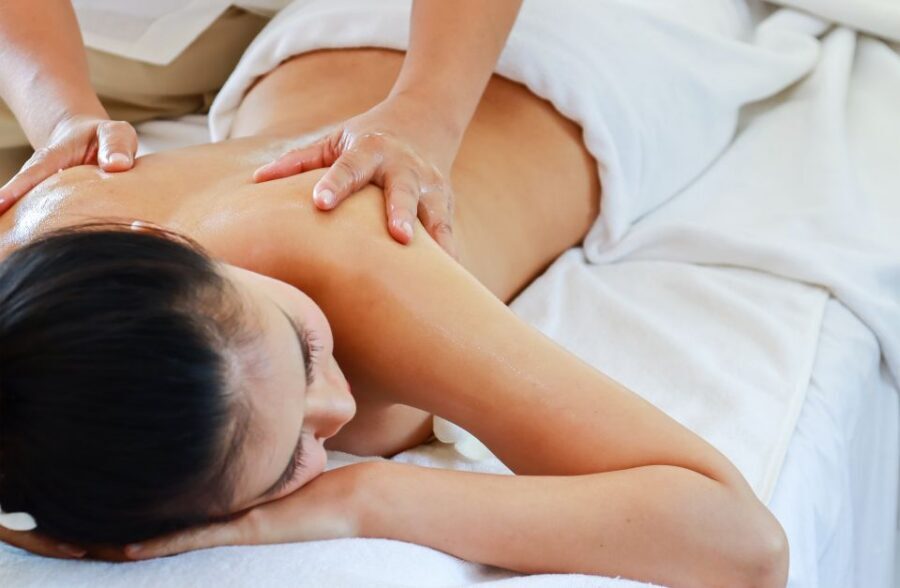
At $32 per person for a 2-hour massage, the headline price is strong. But what makes it good value isn’t only the number—it’s what you’re getting for that number.
You’re paying for:
- A therapist who travels to your hotel
- A full 2-hour session
- A traditional Thai massage approach that includes herbal hot compresses
- A service designed to reduce friction in your day (no transport required)
In Bangkok, it’s common to see massages that look cheap at first glance but turn into a different expense when you factor in travel time and location hassles. Here, the convenience is baked in. You’re not trying to fit massage time into your schedule; the therapist comes to your schedule.
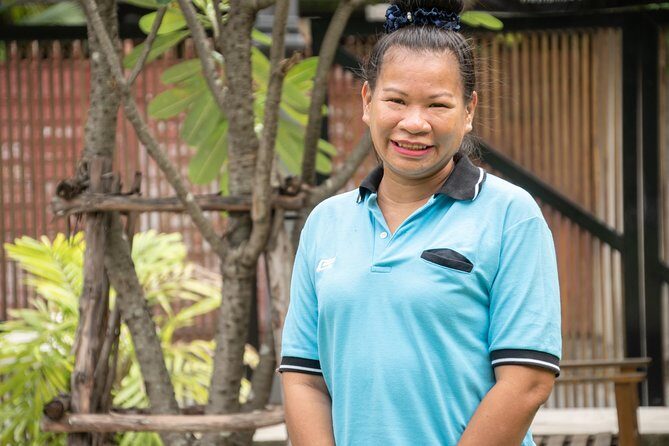
Also, the professionalism shows up repeatedly in the strongest feedback. People describe therapists as capable, professional, and hospitable, with no awkwardness. That matters because Thai massage is hands-on and direct. When the therapist is confident, the session feels safer and calmer.
If you’re worried about whether $32 is too good to be true, look at the structure: two hours, real Thai techniques, and a therapist who comes to you. That’s a lot of time and labor for the cost.
Thai Massage Feels Different Than a North American Spa Style
If your last massage was a quick oil rub with a lighter touch, Thai massage may feel like a bigger reset. The method here is described using hands plus elbows, knees, and feet, along with compresses and stretching-style manipulation.
The biggest practical difference you’ll notice is this: you keep your clothes on, so the session is designed around working through fabric and moving through positions without stripping down. That keeps it comfortable and simple, but it also means you should wear comfortable clothes that feel easy for stretching and movement.
Another difference is that Thai massage often targets flexibility and mobility directly. Instead of only soothing sore areas, the therapist is also working to open up areas and improve circulation through technique. The experience list also focuses on therapeutic effects like increasing flexibility and blood flow—so don’t expect it to be purely gentle.
If you like a massage that feels more physical and structural, you’ll probably enjoy this. If you want something very light and passive, you might find the Thai approach more intense than you expected.
Who This Is Best For (and Who Should Skip It)
This is a smart booking when you want stress recovery and body relief without extra planning. I especially think it fits these situations:
- You’re arriving in Bangkok and want a soothing reset after travel and sightseeing heat
- You feel stiff from walking, sitting, or uneven daily rhythms
- You want a hands-on Thai massage style instead of a simple spa routine
There’s also evidence that people sometimes arrange massage in shared settings. One account described a couples massage, and another described multiple therapists working in parallel for a family group. If you’re traveling with someone, you may be able to set up a coordinated experience, depending on your group size and your room space.
Now the important part: it’s not suitable for many common medical situations. Skip this if you have:
- Back problems
- Heart problems
- Diabetes
- Pre-existing medical conditions
- High blood pressure
- Recent surgeries
That’s not picky fine print. Thai massage includes bodywork that can involve significant stretching and pressure. If you fall into any of those groups, don’t gamble. Choose a different kind of therapy that’s appropriate for your health needs.



Making It Smooth in Your Hotel: Small Prep That Prevents Big Friction
The experience has a few straightforward rules that make it easier if you plan ahead.
First, book at least 4 hours in advance so your hotel schedule and therapist route line up. Bangkok is big, and hotel timing can be sensitive, so this buffer helps.
Second, plan for cash. You’re asked to bring cash, and you’ll want to have it ready when the therapist arrives. You don’t want to be scrambling while everyone is waiting.
Third, wear comfortable clothes. Since you keep your clothes on throughout, choose something you can move comfortably in and that won’t feel too tight or restrictive.
Finally, think about where the session will happen inside your room. You don’t need to redesign your hotel suite, but having a bit of open space and a calm area helps the therapist work efficiently. I’d also keep your schedule around the massage light. Don’t book something stressful right after. Give yourself time to settle.
Couples, Families, and Shared Recovery
One of the quietly great things about home-room massage is that it can fit travel groups. Your space matters, but when a room setup allows it, you can sometimes get more than one therapist working during the same overall window.
In one account, a family had multiple therapists working for the full two hours, and in another, a couples massage was done with two therapists. That tells me the service can handle parallel sessions when the situation is right.
If you’re traveling with someone and want recovery time together—without booking two separate time slots—this is the type of experience worth asking about. Just remember: your room size and hotel layout will affect what’s possible.
Bottom Line: Should You Book This Hotel-Room Wat Pho Massage?
I think you should book this if you want traditional Thai massage at UNESCO-recognized roots, but you also want it to be low-drama. The biggest advantages are the therapist traveling to your hotel and the focused 2-hour session with Thai techniques and herbal hot compresses.
You might want to skip it if you need a very gentle, passive massage or if you’re in any of the medical categories listed as not suitable. Also, if you dislike firm stretching-style bodywork, this may feel more hands-on than you expected.
If you do book, go in with the right expectations: it’s Thai massage. It’s practical, physical, and meant to help your body feel better.
FAQ
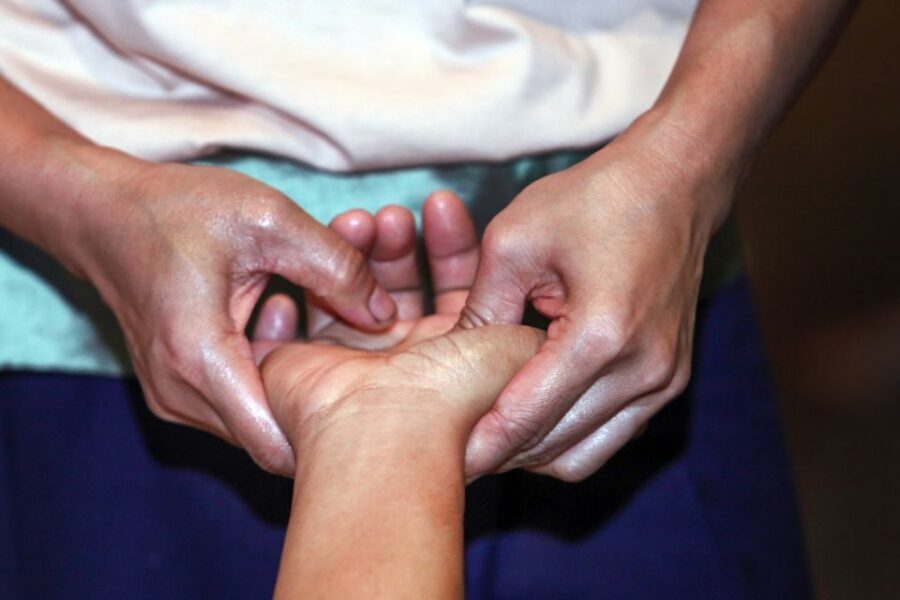
How long is the massage?
The massage lasts 2 hours.
Where does the massage take place?
The massage happens in your hotel room. You meet the therapist in your hotel lobby when they arrive.
What is the price per person?
The price is $32 per person.
What is included in the experience?
You get a massage therapist who travels to your hotel, plus the 2-hour massage session.
Do I need to undress?
No. You keep your clothes on throughout the massage.
What should I bring with me?
Bring comfortable clothes and cash.
Is it wheelchair accessible?
Yes, it is wheelchair accessible.
Who should not book this massage?
It is not suitable for people with back problems, heart problems, diabetes, pre-existing medical conditions, high blood pressure, or people who have had recent surgeries.
When should I book?
You should book at least 4 hours in advance.