REVIEW · BANGKOK
Bridge over River Kwai and Hellfire Pass Tour with Train Ride
Book on Viator →Operated by Amazing Asia Tours Co., Ltd. · Bookable on Viator
History hits different when it’s not on a screen. This private day trip takes you out of Bangkok for the Death Railway story arc, with major WWII sites—then adds a countryside train ride so the day feels more than just museums.
Two things I especially like: you get serious, guided context at Hellfire Pass and the war sites (not just dates on a wall), and the timing gives you breathing room for photos and questions. One thing to consider: it’s a long day with lots of driving, so if you hate early starts and traffic time, plan for fatigue.
In This Review
- What you’ll actually do, stop by stop
- Key highlights you should care about
- A private Bangkok day trip that avoids the usual chaos
- The drive, the guide, and how you get your questions answered
- Hellfire Pass Interpretive Centre and Memorial Walk: where the story becomes real
- Kanchanaburi War Cemetery: quiet respect, guided context
- JEATH War Museum: practical, but emotionally intense
- River Kwai Bridge: timing your photos and soaking in the view
- The train ride through Thai countryside: the break you’ll thank yourself for
- Lunch, water, and staying comfortable on a long travel day
- Price and value: is $172.84 per person fair for this day?
- Who this tour is best for (and who should think twice)
- Should you book? Yes, if you want a guided, single-day impact
- FAQ
- What time does the tour start?
- How long is the Bridge over the River Kwai and Hellfire Pass tour?
- Is this tour private or shared?
- What’s included in the price?
- Do I need to pay for admission tickets?
- Is lunch included, and what kind of food should I expect?
- Does the tour include a train ride?
- Are alcoholic drinks included?
- What should I wear?
What you’ll actually do, stop by stop
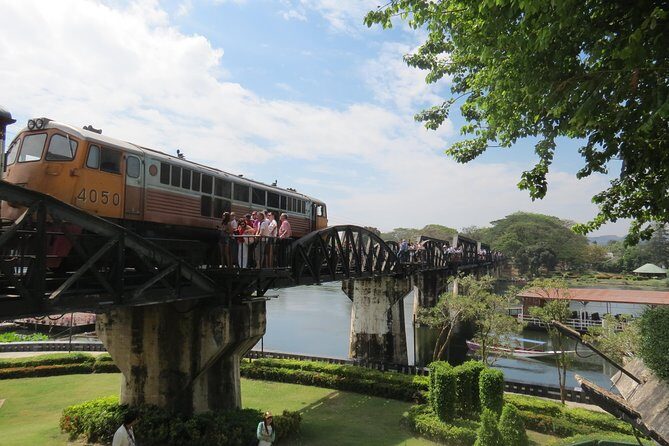
You’ll start with hotel pickup around 7:00am, then head west toward Kanchanaburi. The heart of the day is a walk through the Hellfire Pass Interpretive Centre and Memorial Walking Trail, followed by respectful visits to the Kanchanaburi War Cemetery and the JEATH War Museum. After that, you get a free chunk of time at the Bridge over the River Kwai, plus a train ride that offers some of the prettiest scenery of the whole route.
Key highlights you should care about
- Hellfire Pass walking trail + memorial gives the story a physical sense, not a textbook one
- Train ride through the countryside breaks up the day and improves your photo options
- WWII sites with guided interpretation help you connect what you see to why it mattered
- Hotel pickup and drop-off removes the stress of figuring out transport to this corner of Thailand
- Lunch and bottled water included helps you keep your energy up during the long run
- Private format means you can ask questions without feeling rushed
You can also read our reviews of more tours and experiences in Bangkok.

A private Bangkok day trip that avoids the usual chaos
This is a private tour, meaning it’s just you and your group with a professional guide and a driver. That matters more than it sounds. When you’re visiting places tied to real suffering—Hellfire Pass and the WWII cemeteries—having time to ask questions and regroup between stops makes the experience feel intentional, not rushed.
The schedule also does something smart: it bundles the key sites in one trip, so you’re not bouncing around with separate tickets, separate transport, and separate decision-making. You get round-trip private transfer and pickup from your Bangkok hotel, with a start time set for 7:00am. Plan on a day that runs about 10–12 hours total, and treat that as the baseline, not a surprise.
Price-wise, at $172.84 per person, it’s not a bargain. But it’s also not “pay extra for nothing.” You’re buying convenience (pickup, transport, and entry fees) plus a guide who can explain the context of the Death Railway and help you pace the day. If you were trying to do this on your own, the time cost in Bangkok traffic alone can be brutal.
The drive, the guide, and how you get your questions answered
The day starts with pickup at your hotel. That’s a big deal because reaching Kanchanaburi without a plan can eat up your whole morning. A professional guide meets you and stays with you through the main stops, and the driver handles the long road between attractions.
One reason people rate this so highly is the guide style. Names you may hear include Ken, Lucky, Maha, Rudy, Anna, and Thanya—different personalities, same goal: clear explanations and enough time to ask follow-ups. If you like history but hate being talked at, you’ll probably appreciate how these guides tend to work: they explain, then they adjust to your pace.
A practical note: this route includes steeper walking in places, especially around Hellfire Pass. If you have mobility limits, don’t just hope for the best. Ask your guide what’s workable on the day. One guest shared that their guide arranged extra help at Hellfire Pass for a painful knee—exact details may vary, but the takeaway is to speak up early.
Hellfire Pass Interpretive Centre and Memorial Walk: where the story becomes real
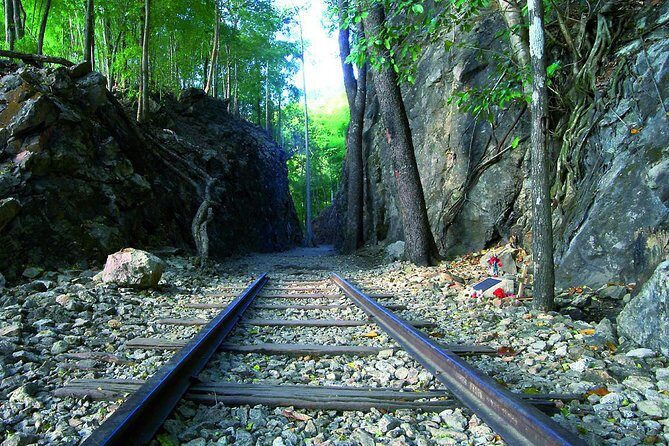
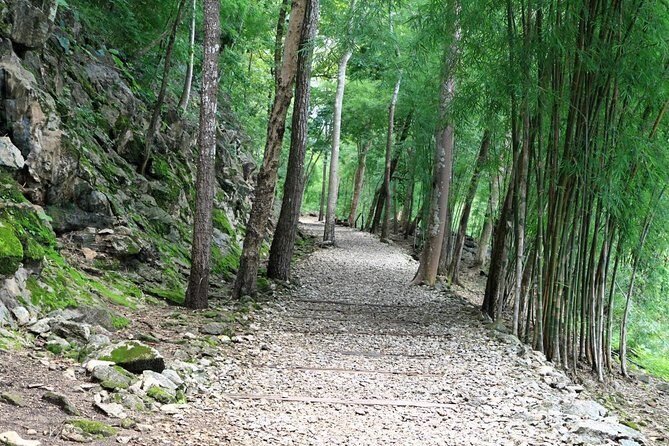
This is the centerpiece, and it’s built for learning through place. You’ll spend about 2 hours at the Hellfire Pass Interpretive Centre and Memorial Walking Trail. That length gives you time to take in the exhibits, then walk the memorial trail at a human pace.
What makes Hellfire Pass so powerful is the contrast: the memorial looks quiet, even peaceful, but the story behind it is heavy. The Death Railway wasn’t just built by “history people” long ago—it was constructed under brutal conditions by prisoners of war and forced laborers. The interpretive centre helps you connect the dots between the landscape and what happened there.
From a visitor-experience standpoint, I’d treat this as your “slow down” stop. Don’t aim to power through. Wear shoes you’re comfortable walking in, and give yourself time to pause. If you’re sensitive to emotional sites, build that into your expectations. This is exactly the kind of place where the guide’s explanation can help you process what you’re seeing.
Kanchanaburi War Cemetery: quiet respect, guided context
Next up is the Kanchanaburi War Cemetery, with a guided visit of about 30 minutes. Cemeteries can feel straightforward—until you understand who is buried there and what their presence represents in the larger story.
This stop is valuable because it anchors the day in remembrance. You’re not only learning about events; you’re meeting the human outcome of those events. A guided visit helps you read the site properly, instead of just scanning names without the context that turns it into something meaningful.
If you’re short on time elsewhere, don’t cut this one. Think of it as the emotional brake pedal. It’s also one of the easiest stops to enjoy calmly, because it doesn’t require steep terrain or long walking stretches.

JEATH War Museum: practical, but emotionally intense
After the cemetery, you’ll visit the JEATH War Museum for about 1 hour. This museum focuses on WWII experiences connected to the Death Railway and the camps in the region.
A museum like this can go one of two ways: either it’s a quick photo stop, or it becomes a place you actually understand what you’re seeing. With a good guide, it becomes the second. People on this tour consistently highlight how their guide was thorough and made the information feel connected, not disconnected.
The drawback? Museums don’t pause for your feelings. If you’re the type who needs time between emotionally intense sites, plan to take small breaks as you move from stop to stop. Bottled water is included, so use that to keep your body comfortable even when your brain is processing heavy material.
River Kwai Bridge: timing your photos and soaking in the view
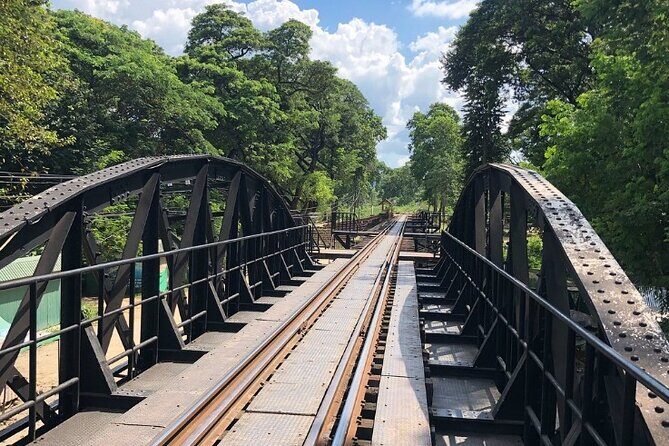
Then comes the Bridge over the River Kwai, with about 30 minutes of free time. This is where you switch from “learning” mode to “seeing” mode. You’ll get time to walk, look, and photograph—without the pressure of fitting everything into a timed group rush.
One tip that comes directly from how the day is paced: the timing often helps. Guides tend to work for good photo conditions, and arriving when it’s less crowded can make a noticeable difference. If you care about photos, use part of your free time for slow shots from different angles, not just one quick pass.
Also, treat the bridge as more than a landmark. It’s a symbol people recognize from popular culture, but standing there with real context from Hellfire Pass and the war sites changes the meaning of what you’re looking at. That’s the whole point of doing the stops in one day instead of scattering them.
The train ride through Thai countryside: the break you’ll thank yourself for
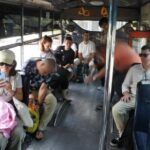
A big part of the appeal is the train ride along the Death Railway route area. This is one of those experiences that works in two ways: you get actual motion through the region, and the scenery gives your eyes a rest after emotionally intense stops.
The ride is described as around an hour, and people consistently call it picturesque and interesting. That’s not just because it’s “pretty.” It’s also because the train gives you a different sensory layer—rhythm, views, and a slower tempo than road travel.
Practical tip: if the seating options are part of your day, ask your guide about the best place to sit. Some guides are known for getting guests into the right spots and suggesting good photo angles during the ride.
Lunch, water, and staying comfortable on a long travel day
This tour includes lunch and bottled water, plus time built into the route for breaks. Given the full-day length and the road time between Bangkok and Kanchanaburi, that matters more than it might on a short city tour.
Lunch is included, and it’s described as Thai food, typically in a local restaurant setting. I like included meals on tours like this because it removes one more “where do we eat” decision—especially when you’re already managing a lot of emotions and walking.
Comfort-wise, expect a driver and vehicle used for long-distance travel. In at least one account, the van had air-conditioning and lots of cold drinks on board. Even if your exact vehicle setup varies, you can still count on the tour providing bottled water so you’re not scrambling for refreshments.
Price and value: is $172.84 per person fair for this day?
Let’s talk value like you’d talk to a friend. You’re paying for a private structure, a professional guide, round-trip private transfer, lunch, bottled water, and included entry at key stops. That’s not cheap, but it does add up.
What you’re not paying for is also clear: alcoholic drinks aren’t included, but they can be purchased. If you don’t drink alcohol, that’s actually a win—no forced upsells.
If you’re a solo traveler, the private format can still feel pricey, but the convenience and guidance often outweigh that cost for a day this long. If you’re a couple or family group, value improves because you share the guide and vehicle.
My simple way to judge whether it’s worth it: if you want to see Hellfire Pass and the River Kwai area in one organized day without navigating traffic, tickets, and timing yourself, this price starts to make sense fast.
Who this tour is best for (and who should think twice)
This is a strong fit if you:
- care about WWII history and want it explained clearly in context
- want hotel pickup and a guided day rather than self-planning
- prefer a private pace where you can ask questions
It’s also a good fit if you want a meaningful day that includes a mix of moving places: interpretive centre, cemetery, museum, bridge, and a train ride.
Think twice if you:
- can’t handle a long day with substantial driving time
- have mobility concerns with steep walking (Hellfire Pass can be tough, but you should talk to your guide before you go)
- dislike emotional content—this route is respectful, but the subject matter is heavy
Should you book? Yes, if you want a guided, single-day impact
If you’re spending limited time in Bangkok and you want the highlights of the Death Railway story without turning it into a logistics project, I’d book this. The combination is the win: private transport, a guide who can translate complicated context into something you understand, and real time at major sites rather than a rushed drive-by.
The long day is the trade-off. But if you’re okay with an early start and you’re ready to walk, look, and ask questions, you’ll get a day that feels both educational and deeply human.
FAQ
What time does the tour start?
The tour starts at 7:00am. Pickup is offered from your Bangkok hotel, so you can plan to be ready before that time.
How long is the Bridge over the River Kwai and Hellfire Pass tour?
The duration is listed as approximately 10 to 12 hours. That includes pickup, driving time, guided stops, and the train ride.
Is this tour private or shared?
It’s a private tour/activity. Only your group will participate.
What’s included in the price?
The tour includes a professional guide, private round-trip transfer, lunch, bottled water, and admissions for the key sites on the route.
Do I need to pay for admission tickets?
No. Admission tickets for the main stops are included, based on the tour details.
Is lunch included, and what kind of food should I expect?
Lunch is included. It’s described as local Thai food in a restaurant stop during the day.
Does the tour include a train ride?
Yes. The experience includes time on the train so you can view the countryside as part of the route.
Are alcoholic drinks included?
No. Alcoholic drinks are not included, but you can purchase them.
What should I wear?
The dress code is casual. Wear comfortable shoes because you’ll do walking at Hellfire Pass and spend time at other sites.



![Top 3 Bangkok Temples: Multilingual Private Tour [EN,ES,DE,IT,FR] - Wat Pho and the UNESCO Memory of the World Reclining Buddha](https://b.exploringbangkok.com/wp-content/uploads/top-3-bangkok-temples-multilingual-private-tour-enesdeitfr.jpg)