REVIEW · BANGKOK
Floating Markets and Bridge on River Kwai Tour from Bangkok
Book on Viator →Operated by Tour East Thailand · Bookable on Viator
Floating market meets a WWII bridge. You’ll get a long-tail boat ride through the canals of Damnoen Saduak, and you’ll also hit the River Kwai bridge and key WWII sites in Kanchanaburi in one smooth day. It’s a very Thai mix of shopping-by-water and heavy history, with enough comfort built in to keep the long travel day from wearing you out.
Two things I really like: the chance to see how daily commerce works in the canals, and the fact that the WWII stops aren’t just a photo stop—they include the JEATH War Museum and the war cemetery. The main thing to watch is that the floating market area can feel crowded, and the day runs long from Bangkok, so plan for heat, traffic, and the occasional push toward paid extras.
In This Review
- Key things to know before you go
- Bangkok to Damnoen Saduak: why this day trip works
- The early drive past salt fields and rice country
- Coconut sugar farm stop: a short taste of real production
- Damnoen Saduak floating market by long-tail boat
- Crowds, fumes, and the reality check
- Optional smaller-boat ride is often worth it
- Shopping tip: pace yourself
- Crossing to Kanchanaburi: the long bus ride you actually need
- JEATH War Museum: small time, serious subject
- Kanchanaburi War Cemetery: the final resting place
- Bridge on the River Kwai: what you’re seeing today
- Timing trick: train sightings
- Lunch on the route: included, but quality varies
- Comfort checklist for a 10-hour day
- Price and value: $85.17 and what you’re really paying for
- Group guide style: why names matter
- Who should book this, and who should skip it
- Final call: should you book?
- FAQ
- How long is the Floating Markets and Bridge on River Kwai tour?
- What does the tour cost?
- Is hotel pickup and drop-off included?
- Will I ride a boat to the floating markets?
- Is lunch included?
- What history sites do we visit in Kanchanaburi?
- Are museum and cemetery admissions included?
- Is a train ride included on the bridge?
- Can I take an additional boat ride inside the floating market?
- What if the tour is canceled due to minimum numbers?
- FAQ
- How do refunds work if I need to cancel?
- Is a mobile ticket used for this tour?
Key things to know before you go
- Small group size (up to 6): more breathing room on a packed kind of day
- Long-tail boat time is built in: not just sightseeing from the curb
- Kanchanaburi WWII stops are included: JEATH museum, war cemetery, and the bridge area
- Lunch is included at a local restaurant: helpful on a 10-hour schedule
- Optional add-ons can cost extra: especially if you want a closer look by a smaller canoe
Bangkok to Damnoen Saduak: why this day trip works
This is a classic Kanchanaburi day trip from Bangkok, but it’s built around two very different moods. First, you’re in the sensory chaos of Damnoen Saduak, where food and souvenirs seem to move past you on boats. Then the mood shifts hard—Thailand’s wartime rail story, the JEATH War Museum, and the Prisoner of War cemetery.
The big value here is time. With hotel pickup and drop-off from selected areas, you don’t have to wrestle with transport across provinces on your own. The route also keeps you from doing that annoying “get there, figure out tickets, get there again” shuffle.
You can also read our reviews of more tours and experiences in Bangkok.


The early drive past salt fields and rice country
Your morning starts with hotel pickup and a drive out of Bangkok. The route is described as passing through salt fields (Samut Sakhon province) and rural stretches like rice paddies. That part may sound simple, but it matters: it’s how the day stops feel like a real escape, not just a long bus ride to two gift shops.
You’ll be riding in an air-conditioned vehicle, which is a lifesaver in Thailand’s heat. Expect a long day overall; 10 hours is about right even when everything runs smoothly.
Coconut sugar farm stop: a short taste of real production
Before you reach the canals, the tour includes a coconut sugar farm visit (about 40 minutes, with admission included). You get to see how coconut sugar is made, then taste the natural candies. There’s also a short presentation described as wild orchil.
This stop is quick, but it gives you a “Thailand beyond the market” moment. If you’re already focused on food and craft, it adds variety. If you’re not into factory-style demos, think of it as a break from sitting on a coach.
Damnoen Saduak floating market by long-tail boat
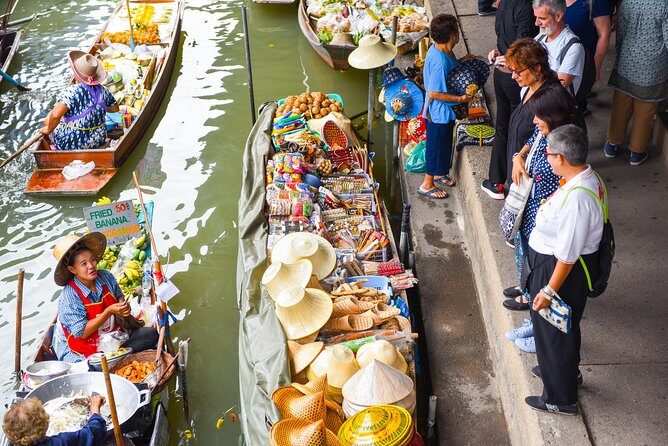
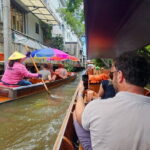
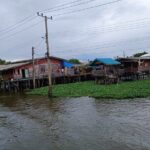
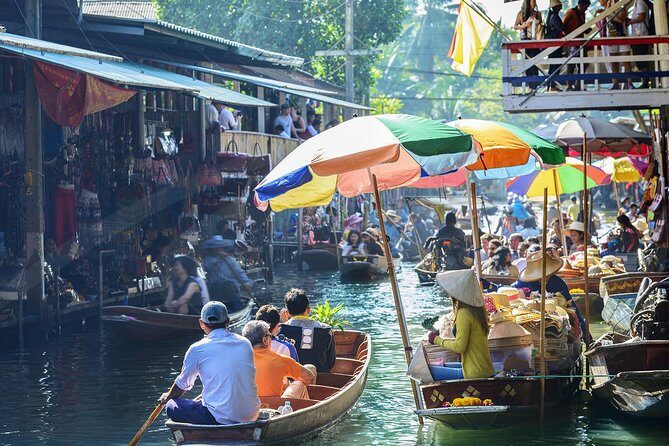
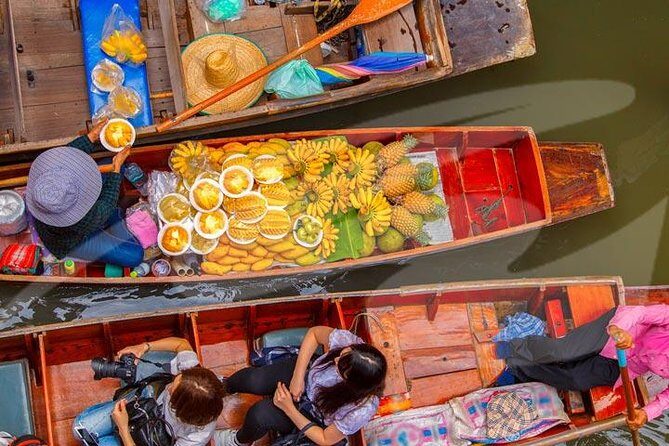
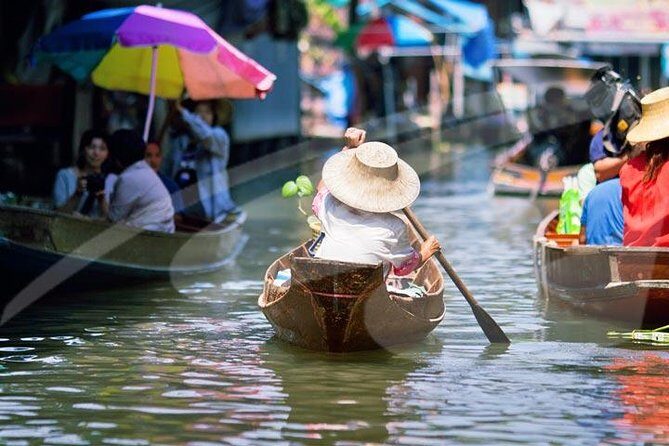
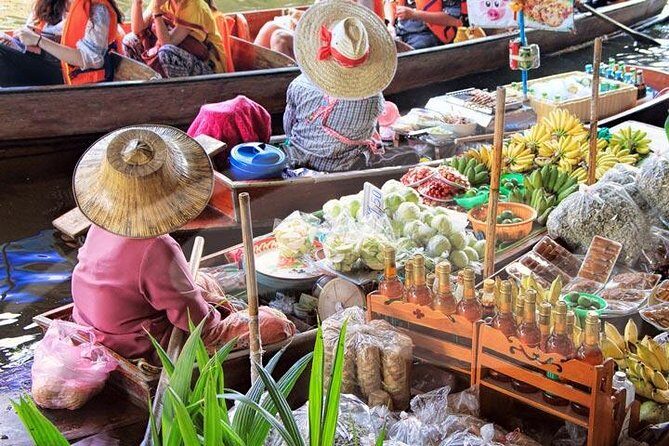
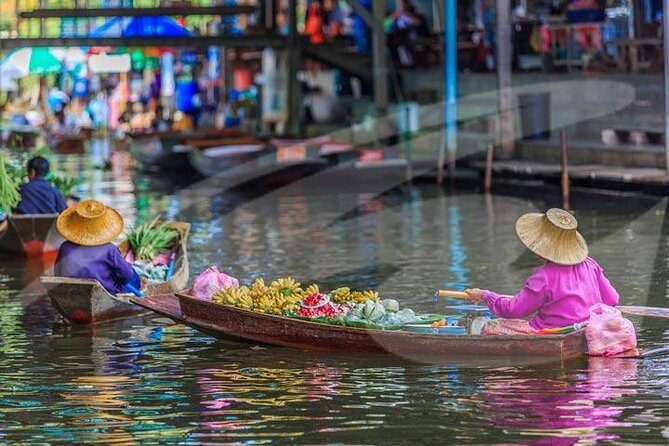
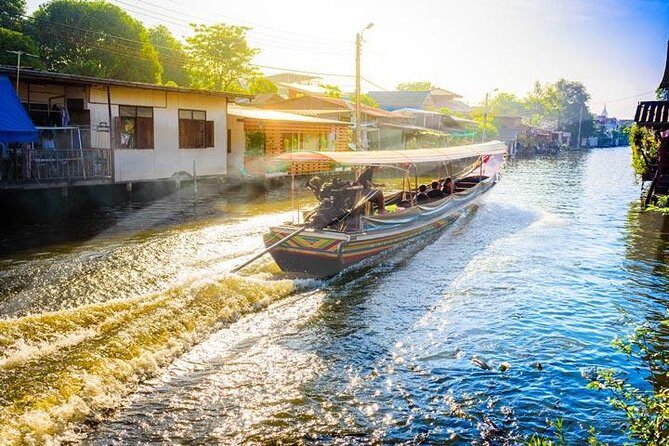
This is the main event: you head out on a long-tail speedboat for the trip into the Damnoen Saduak canal area. You’re looking at the market as it functions—boats carrying goods glide through canal lanes, and you shop while staying close to the water trade.
The included market time is about 1 hour 30 minutes. In that window, you can wander the canal scene, look for snacks and small souvenirs, and see how the whole thing works without feeling like you missed the best part.
Crowds, fumes, and the reality check
Here’s the practical truth: Damnoen Saduak is popular. Expect lots of boats and people, and sometimes boats can feel stalled or packed tightly along the canals. One common complaint is that modern motorized boats can interfere with the atmosphere and you may notice exhaust or unpleasant smells—especially if you’re downwind.
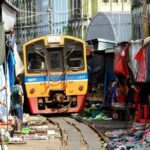
A simple fix helps: bring a face mask and go with the mindset that this is an experience-first market, not a quiet nature cruise. Also, some accounts say the market is not always the classic postcard mix of boats floating everywhere—it can feel like a strong mix of shoreline stalls plus canal traffic.

Optional smaller-boat ride is often worth it
The tour includes a boat trip to reach the market area, but you may see opportunities to add a closer canoe ride inside the market network at your own expense. One price mentioned was 150 baht for a smaller canoe tour, and it was considered absolutely worth it by at least one guide/pair of travelers.
If you want a better view of individual sellers and the canal lanes (instead of staying in the busiest zone), this is your lever. Do it if you feel comfortable paying extra for a better angle and more movement.
Shopping tip: pace yourself
This is where expectations get tested. It can be easy to overpay when you’re looking at a crowded tourist market selling the same few items everywhere. If you want a souvenir, buy what you genuinely love. If you’re bargain hunting, be ready that prices may not match what you’ll find in smaller local markets later.
Crossing to Kanchanaburi: the long bus ride you actually need
After the canals, the day turns west toward Kanchanaburi, where the River Kwai is. The driving time is described as around 2 hours 30 minutes one way, and that’s the tradeoff for bundling everything together.
I think this is one of the best parts of a guided day trip—yes, it’s long, but you’re not spending that time improvising. You’re also going through the countryside, so the ride isn’t just gray highway monotony.
JEATH War Museum: small time, serious subject
Once you reach the Kanchanaburi area, the tour includes a stop at the JEATH War Museum (about 30 minutes, admission included). This museum focuses on the wartime bridge story with pictures and paintings that explain what happened.
Important context: the bridge project began in 1943 as a wartime effort to link Thai and Burmese rail lines to support Japanese occupation of Burma. The numbers given are staggering—over 100,000 laborers and about 12,000 prisoners of war died during the whole project. With that in mind, the museum stop makes the rest of the day feel less like a sightseeing checklist and more like a remembrance stop.
If your group guide explains the story clearly, this is the moment that can stick with you the most.
Kanchanaburi War Cemetery: the final resting place
Right after lunch, you visit the Kanchanaburi War Cemetery (about 30 minutes, admission included). This cemetery is described as the final resting place for many WWII prisoners of war.
This isn’t the type of place that needs dramatic commentary. Just go slowly, keep your voice down, and let it land. If you’re the kind of person who likes to understand how a place connects to real events, this stop is worth your attention.
Bridge on the River Kwai: what you’re seeing today
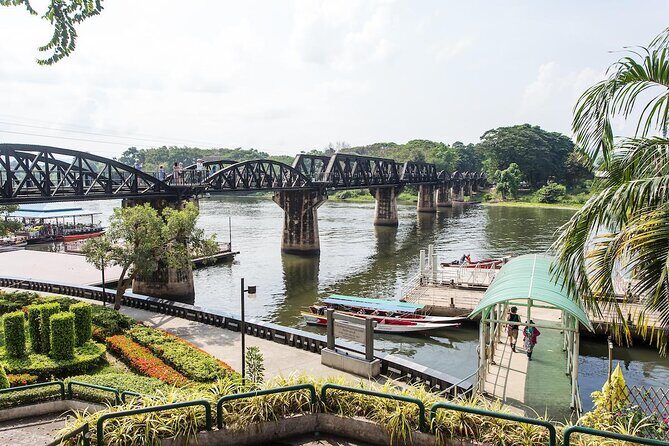
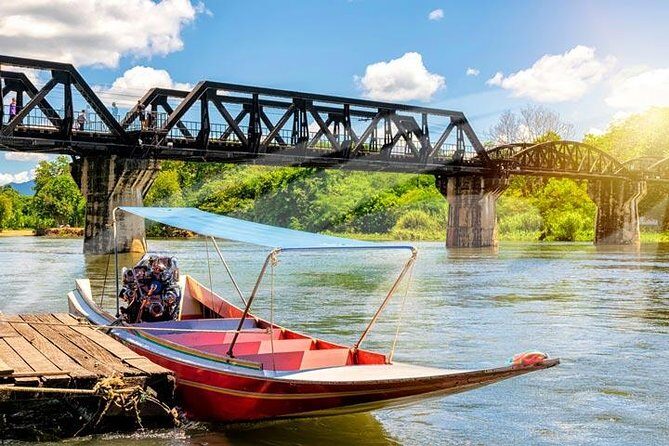
Then it’s time for the bridge area itself—about a 30-minute visit with admission included. The bridge built in 1943 is historically famous, but one practical note: what you see today may not be exactly what your imagination expects.
In fact, some people found the bridge a bit disappointing if they went in expecting the old structure from the famous film vibe. A modern train bridge experience can change the feeling of the place—though it still connects you to the core story of rail and wartime engineering.
Timing trick: train sightings
A small bonus is that the day can be timed to catch a train on the bridge. It’s not guaranteed in the details you’re given, but timing matters here because that moving train is the most “alive” way to understand a rail bridge.
Lunch on the route: included, but quality varies
Lunch is included at a local restaurant. That’s the right move on a 10-hour day because it keeps you from getting stuck paying tourist prices for a rushed meal.
Still, quality can vary. One account described lunch as poor, with tougher meat and less appealing tofu. If you’re picky, bring a small snack and water so you’re not stuck waiting for lunch to save the day.
Comfort checklist for a 10-hour day
This tour is built with an air-conditioned vehicle, which helps, but it’s still a full day with heat and time outdoors around the canals and bridge area.
Here’s what I’d plan for:
- Water and wipes: you may not get extras like cold cloth or water, so don’t rely on it
- A face mask: useful in crowded canal zones with motorized boats
- Sun protection: shade is limited where you’ll be walking
- Cash for optional extras: especially if you want that smaller canoe ride
Group size can be a bright spot. The max is 6 travelers, and some groups were tiny (like 9 in one case), which usually means fewer delays and more flexibility at stops.
Price and value: $85.17 and what you’re really paying for
At about $85.17 per person, the value depends on what you’d otherwise pay and how hard you’d find transport.
You’re getting:
- Hotel pickup and drop-off from selected hotels
- Air-conditioned coach for long transfers
- A boat trip to the floating market area
- Lunch
- Museum admissions (JEATH)
- War cemetery admissions
- Bridge area admissions
Optional add-ons (like a closer boat ride inside the market network) are extra. When people feel the day isn’t worth it, it’s often because the floating market time feels short for the one thing they cared about most, or because of surprise add-on stops. If you want maximum focus on Damnoen Saduak and the bridge story only, keep an eye on any extra activities that weren’t on your must-see list.
Group guide style: why names matter
Some guided days can feel way better than others, mostly because of storytelling and pace. In past experiences attached to this route, guides such as Nikko and Miss Yelli were mentioned as helpful and informative, with a driver named Suki also getting credit for keeping things smooth.
That matters on two fronts. First, the bridge and WWII stops need clear context so it doesn’t feel like a quick walk-through. Second, in the crowded floating market chaos, you’ll enjoy the day more if your guide helps you time movements and avoids wasted minutes.
If you’re sensitive to language barriers, that’s another reason to choose a tour with a reputation for strong guide commentary.
Who should book this, and who should skip it
This tour is best for you if:
- You want Damnoen Saduak + River Kwai in one day without independent logistics
- You like a mix of food markets and WWII-related sites
- You want guided context at JEATH and the cemetery
You might want to skip it (or choose another option) if:
- You hate crowded market environments and want a quiet, nature feel
- You only care about the floating market and want hours there, not about 90 minutes
- You’re strongly uncomfortable with any animal-themed or gift-shop-heavy add-on stops that sometimes appear on similar day schedules (one account flagged orchid/elephant-related stops as unwanted)
Final call: should you book?
I’d book this tour if you want a single full-day plan that pairs Thai canal culture with meaningful WWII context—and you’re okay with a long day and crowded market conditions. The included boat trip, guided stops, lunch, and admissions make it a practical way to reach Kanchanaburi from Bangkok.
If your priorities are ultra-specific—like spending half a day only at Damnoen Saduak—then compare other options. But for most people doing Bangkok for the first time, this is a solid value: one day, two iconic places, and no transport stress.
FAQ
How long is the Floating Markets and Bridge on River Kwai tour?
It runs for about 10 hours (approximately).
What does the tour cost?
The price is listed as $85.17 per person.
Is hotel pickup and drop-off included?
Yes, hotel pickup and drop-off are included from selected hotels.
Will I ride a boat to the floating markets?
Yes. The tour includes a boat trip to the Floating Markets.
Is lunch included?
Yes, lunch is included at a local restaurant.
What history sites do we visit in Kanchanaburi?
You’ll visit the JEATH War Museum and the Kanchanaburi War Cemetery, and you’ll also go to the River Kwai bridge area.
Are museum and cemetery admissions included?
Yes, admissions for the JEATH War Museum and the Kanchanaburi War Cemetery are included.
Is a train ride included on the bridge?
A train ride is included only if you select the option for it; it’s not guaranteed as part of every booking.
Can I take an additional boat ride inside the floating market?
Yes. A closer boat ride inside the markets is described as optional and paid directly on-site.
What if the tour is canceled due to minimum numbers?
If the minimum number of travelers isn’t met, you’ll be offered an alternative date/experience or a full refund.
FAQ
How do refunds work if I need to cancel?
Free cancellation is available up to 24 hours in advance of the experience start time for a full refund. After that point, changes aren’t accepted and you won’t receive a refund.
Is a mobile ticket used for this tour?
Yes, a mobile ticket is provided.