REVIEW · BANGKOK
From Bangkok: Death Railway & Hellfire Pass Tour with Lunch
Book on Viator →Operated by Discova Thailand · Bookable on Viator
Hellfire Pass hits you fast. This day trip from Bangkok follows the full arc of the Thailand-Burma Railway story, from the cut through the rock to the places where people paid the price. I like that the focus stays on context and human impact, not just famous landmarks.
Two things I really like: you get Hellfire Pass on foot, plus you also see the memorial museum and research center that explain what happened and why. And it’s built for convenience, with air-conditioned van transport, English guide, lunch, and admission fees/taxes handled for a set price at $82.
One drawback to plan for: the day runs long and moves at a steady pace. If you prefer lots of slow time inside museums, you may feel the timing gets tight at certain stops—especially the walking trail and museum viewing.
In This Review
- Key things I’d prioritize on this tour
- Why Hellfire Pass feels different from the River Kwai Bridge
- 12 hours from Bangkok: what the pace really means
- Stop-by-stop: Hellfire Pass Interpretive Centre and the memorial trail
- Nam Tok and the WWII sites around it
- River Khwae Bridge: the quick iconic stop
- Death Railway Museum and Research Centre: where details become personal
- Kanchanaburi War Cemetery: pay respects, then breathe
- Lunch at the right time, plus a train ride break
- Van comfort, pickup zones, and how to manage Bangkok traffic
- Who should book this (and who might not)
- Cost and value: why $82 can make sense on this route
- A quick note on Hellfire Pass closures
- Should you book this Death Railway and Hellfire Pass day trip?
- FAQ
- What time does the tour start in Bangkok?
- How long is the Death Railway & Hellfire Pass tour?
- Is hotel pickup included?
- How big is the group?
- What’s included in the price?
- Are museum and site tickets included?
- Will we ride a train?
- How much time is spent at each main stop?
- What happens if Hellfire Pass is closed on my travel date?
- Is the tour refundable if plans change?
Key things I’d prioritize on this tour
- Hellfire Pass Memorial Walking Trail: you actually walk the scarred route, not just look at photos
- Museum + research stop: you get the background behind the suffering, not only the monuments
- River Kwai area photo stop: quick, iconic views without wasting the whole day there
- Kanchanaburi War Cemetery: a serious memorial moment that helps you connect names and numbers to the story
- Lunch + short train ride: small breaks that keep the day from feeling only heavy
Why Hellfire Pass feels different from the River Kwai Bridge
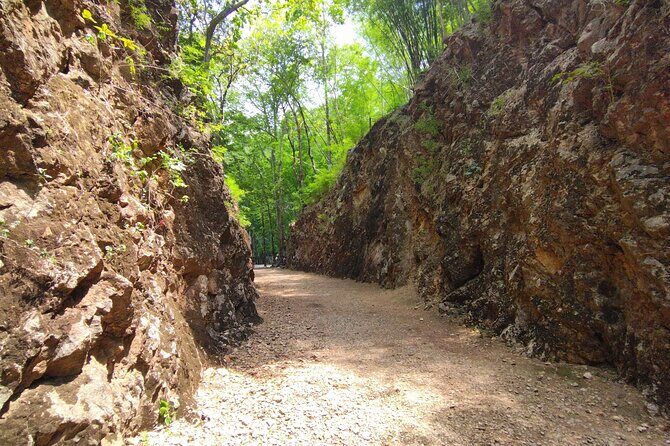
Most railway tours in the region show you the bridge first, then call it history. Here, the day starts with Hellfire Pass—the place where the story turns from political and military to physical and personal. The walking trail and memorial setting give you that immediate sense of scale and effort.
The bridge at River Kwai is famous, but it can feel like a postcard if you don’t have the right setup. Hellfire Pass does the opposite. It’s a hard, specific geography story: rock cut, labor forced, and a landscape shaped by survival and loss. One review called out the aura at Hellfire Pass as a highlight, and I get why. When the site is built into your route, you can’t separate the “what” from the “how.”
You can also read our reviews of more tours and experiences in Bangkok


12 hours from Bangkok: what the pace really means
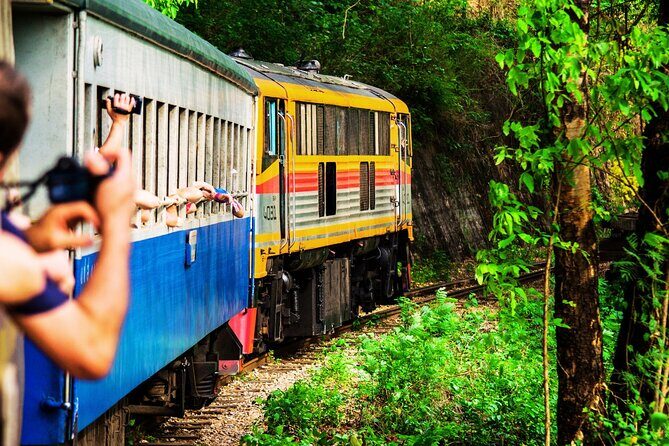
This is an all-day trip, roughly 12 hours, starting at 7:00am. You’ll be on the road enough that the tour isn’t about stretching your legs whenever you want. It’s about using the day efficiently: ride out from Bangkok, hit the key WWII sites, then return.
That packed rhythm is exactly why the experience can feel great for some people and frustrating for others. There’s a reported issue with time organization—like not feeling there was enough time at the museum and walking sections. My advice is to treat this as a “see the big picture in one day” outing, not a slow museum day.
Also note the group size. The tour maxes at 15 travelers, which helps. You’re not stuck with a giant bus crowd, and your guide can actually manage stops and questions. Still, with a 12-hour schedule, the plan is moving.
Stop-by-stop: Hellfire Pass Interpretive Centre and the memorial trail
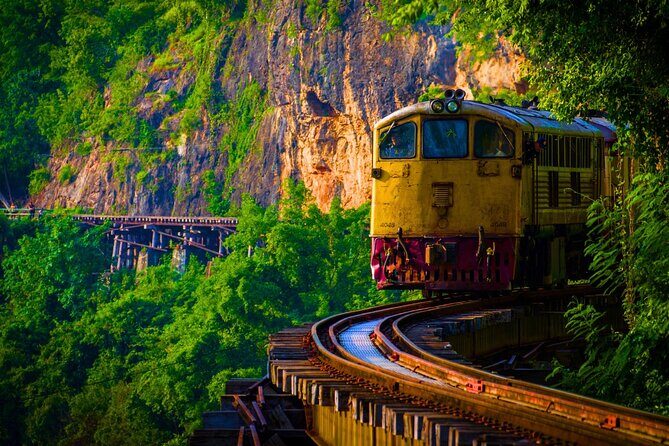
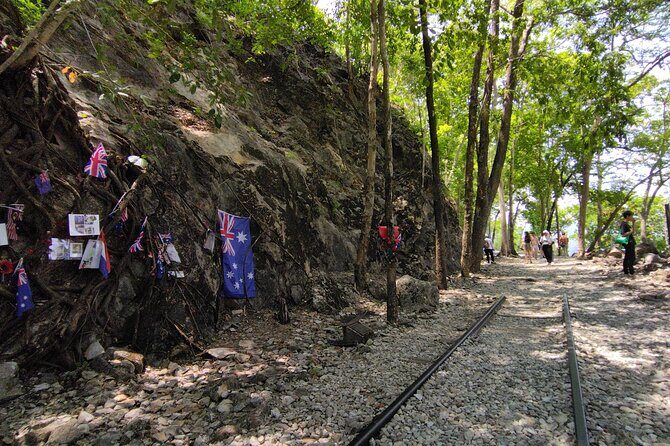
Your first major stop is the Hellfire Pass Interpretive Centre and Memorial Walking Trail. The center gives you the framework: what the Thailand-Burma Railway was, what Hellfire Pass specifically involved, and how the terrain made the work harder. Then you walk the trail portion as part of the memorial experience.
In one review, the walking time was described as around 30 minutes. Whether your pace matches that or not, plan for real walking on a memorial trail—not just a stroll. Good shoes matter. Bring water. And if you’re the type who reads everything on a wall label, you’ll need to pick your priorities because the schedule keeps you moving.
This first stop is also where you decide what kind of day you want. If you’d rather feel the story before seeing cemeteries, you’re in the right order here. If you’re sensitive to WWII content, mentally prepare for heavy themes early in the day, because the tour doesn’t wait.
Nam Tok and the WWII sites around it
After Hellfire Pass, the itinerary takes you to the Nam Tok area. This is another key part of the route where you link what you’ve just learned to what you can see in the wider region. Admission is included here, so you don’t have to handle ticketing or permissions on the ground.
This is also where the day starts to shift from learning to landmark visiting—still serious, but more about location and connection. You’ll be moving through the physical “where” of the Death Railway story, not only the “why.”
If you’re aiming to get the most out of Nam Tok, my practical tip is to stay mentally flexible. You may be split between short viewing windows and time inside interpretive spaces. When the timing feels compressed, focus on the single theme you care about most: labor conditions, the logistics of construction, or how the terrain drove outcomes.
River Khwae Bridge: the quick iconic stop
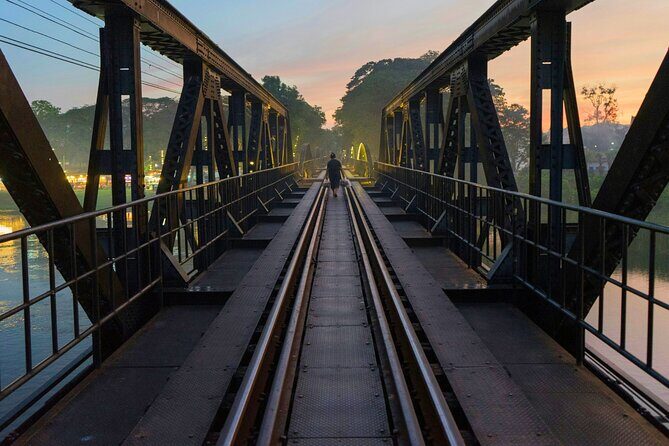
Next comes the River Khwae Bridge Station area, with a shorter stop (about 30 minutes) and free access. This is the classic River Kwai moment: the structure tied to the rail line’s hardship and the region’s WWII legacy.
A 30-minute stop is short, so don’t treat it like a full sightseeing outing. It’s better to use it as a grounding moment—an anchor you can connect back to Hellfire Pass and the museum content. If you want photos, plan to do them briskly. If you want a calm look, pick one angle and commit rather than trying to see everything in a tiny window.
One smart approach: use the bridge stop to compare experiences. Hellfire Pass is about a difficult cut through rock. The bridge is about the monumental engineering effort under coercion. Seeing both in one day helps the story snap into place.




Death Railway Museum and Research Centre: where details become personal
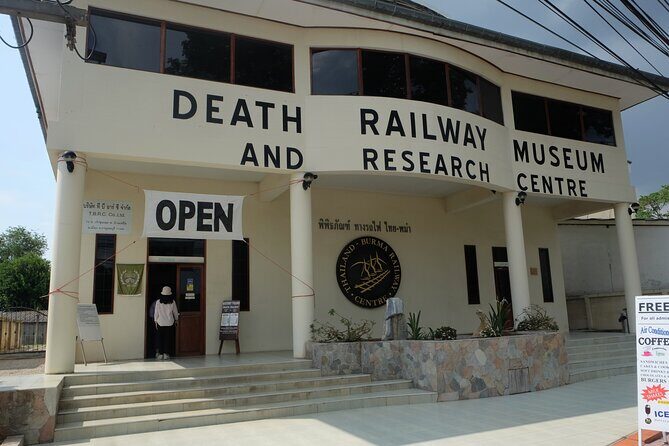
The Death Railway Museum and Research Centre is one of the most important stops for turning locations into meaning. Museums like this don’t just show objects. They explain the systems behind the suffering—who was used, how the railway was built, and how conditions translated into death.
There’s a reason the day includes this stop after you’ve walked Hellfire Pass and seen the surrounding WWII geography. If you hit the research center too late, you miss the chance to interpret what you’ve already experienced with sharper detail.
One review described the tour as intense at places like the war cemetery and the museum. That makes sense here too. WWII history at scale can be overwhelming. The best thing you can do is let the museum do its work. Don’t rush the panels just because the schedule is moving. Spend your time on the parts that answer your biggest questions.
Kanchanaburi War Cemetery: pay respects, then breathe
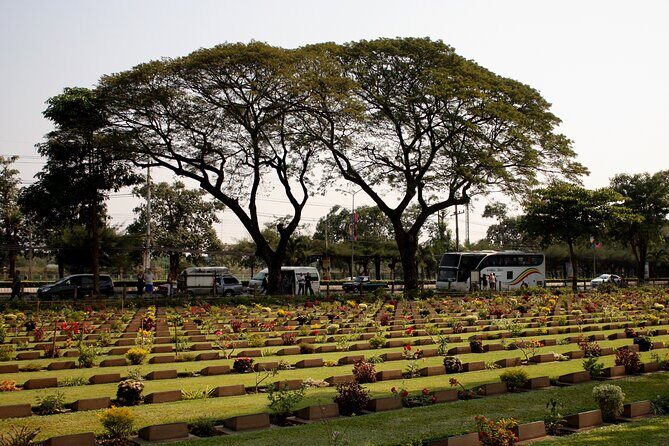
The day ends with Kanchanaburi War Cemetery, a solemn memorial for Allied prisoners of war and laborers who perished during WWII—especially connected to the railway construction. Admission is free here, and the stop lasts about an hour.
This is where your earlier visits start to matter. After Hellfire Pass and the museums, the cemetery isn’t just rows of names. It becomes the human cost of an entire system. One review summed it up well: humbling, and overwhelming in the best sense—because being on-site makes the story feel real instead of abstract.
My practical advice: take a little time before you enter fully. Stand, look, then pick a direction and slow down. If you need a mental reset, step back and let the emotions pass, then re-enter when you’re ready. One hour can fly when you’re absorbing, but it’s enough if you don’t sprint.
Lunch at the right time, plus a train ride break
This tour includes lunch, and it helps. When your morning starts with WWII memorial sites, you need a planned pause so the rest of the day stays bearable. One review specifically said the lunch at Wang Pho was delicious, and that the train ride afterward was a lot of fun.
The fact that there’s a train ticket included is also a practical win. You’re not just sitting in a van the entire time. You get a small, different kind of movement—one that connects you to the railway without turning the day into pure walking and museum rooms.
A word of advice: don’t treat lunch as a power nap opportunity. Use it as a reset—eat, hydrate, and be ready for the cemetery. If you end up dehydrated or too full, your energy will drop right when the emotional weight rises.
Van comfort, pickup zones, and how to manage Bangkok traffic
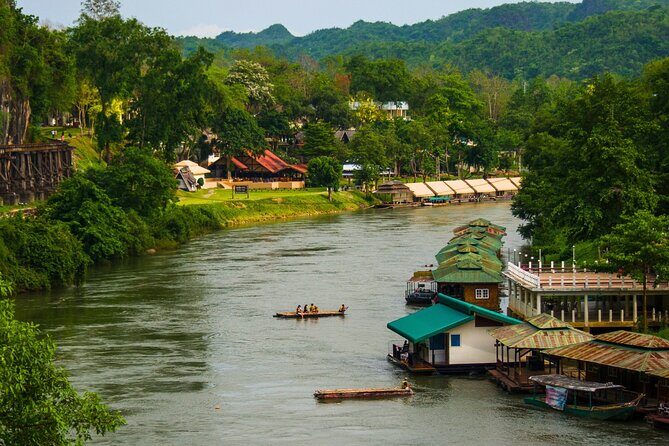
Transportation matters on a day like this. The tour uses an air-conditioned vehicle, and hotel pickup and drop-off are available for hotels in the Bangkok areas listed (including Chatuchak, Lat Phrao, Bang Khen, Don Mueang, Suvarnabhumi, and others). The meeting pickup starts at 7:00am.
Bangkok traffic can be chaotic, so I like the fact that the tour is structured around getting you out early and running a set route back. You’re less likely to lose the day to taxis and wrong turns.
One nuance: after the tour ends, the guide may not accompany you all the way back to your hotel. In that case, the driver still drops you off safely. That’s normal for long days, but it’s good to know so you’re not surprised when the guide’s time ends while you’re still riding.
Who should book this (and who might not)
This is a strong fit if you want a single-day plan that hits the biggest WWII-related sites and doesn’t require you to research transport, tickets, and timing yourself. It’s also a good match if you’re comfortable with heavy history and want more than a quick photo stop.
It might not be ideal if you need generous time in each building. The schedule is tight enough that some people felt the pacing wasn’t realistic at certain stops. If you like slow, unhurried museum time, you may find it stressful.
It’s also worth considering the walking portion. Even though it’s not an all-day trek, the Hellfire Pass trail is real walking. If you have mobility limits, plan carefully; the tour does say most travelers can participate, but the walking portion still matters.
Cost and value: why $82 can make sense on this route
At $82 per person, you’re paying for a full day out of Bangkok with a lot included: English-speaking guide, lunch, travel insurance, all fees and taxes, and a train ticket. You’re also paying for the transport in an air-conditioned vehicle and the time management of a small group.
Could you do it cheaper independently? Maybe, depending on how you price your time and how smoothly you can coordinate. But on a day that starts at 7:00am and involves multiple sites with admissions, the set-price approach is usually a win. You get a clear plan, and you don’t spend your day negotiating schedules.
The value question really comes down to one thing: do you want one packed day that covers the essentials? If yes, this is a reasonable price.
A quick note on Hellfire Pass closures
Hellfire Pass can close on certain dates in late 2025 and early 2026. If that happens, the tour uses Wat Tham Suea (Tiger Cave Temple) in Kanchanaburi as the alternative attraction. If your trip lands on one of those closure dates, it’s worth checking your exact calendar before you lock in plans.
Should you book this Death Railway and Hellfire Pass day trip?
If you want a powerful, structured WWII day that combines walking, museums, a major landmark, and a real memorial cemetery, I’d say book it. Hellfire Pass first, then the rest of the chain of sites makes the story feel connected, not random.
Choose it if you’re okay with a long day and brisk pacing. Skip it (or think carefully) if you need lots of slow time at each stop or you’re likely to get frustrated when a schedule doesn’t leave room for lingering.
If you do book, go in with one mindset: you’re not here for a casual sightseeing stamp. You’re here to understand a place where geography and human suffering intersect. When you treat it that way, the day works.
FAQ
What time does the tour start in Bangkok?
It starts at 7:00am.
How long is the Death Railway & Hellfire Pass tour?
It runs for about 12 hours.
Is hotel pickup included?
Hotel pickup and drop-off are available for hotels in the listed Bangkok areas (including Chatuchak, Lat Phrao, Bang Khen, Don Mueang, Suvarnabhumi, and more).
How big is the group?
The tour has a maximum of 15 travelers.
What’s included in the price?
Included items are air-conditioned vehicle, lunch, English speaking tour guide, travel insurance, all fees and taxes, and a train ticket.
Are museum and site tickets included?
Yes. The tour includes tickets and all fees and taxes for the stops that require admission.
Will we ride a train?
Yes. A train ticket is included as part of the experience.
How much time is spent at each main stop?
Based on the itinerary, the stops include about 1 hour at Hellfire Pass Interpretive Centre and trail, 1 hour 40 minutes around Nam Tok, 30 minutes at River Khwae Bridge Station, 1 hour at the Death Railway Museum and Research Centre, and about 1 hour at Kanchanaburi War Cemetery.
What happens if Hellfire Pass is closed on my travel date?
If Hellfire Pass is closed on the listed dates, the alternative attraction is Wat Tham Suea (Tiger Cave Temple) in Kanchanaburi.
Is the tour refundable if plans change?
Yes. There is free cancellation, with a full refund if you cancel at least 24 hours before the experience start time.