REVIEW · BANGKOK
From Bangkok: Erawan Park & Kanchanaburi Small-Group Tour
Book on GetYourGuide →Operated by TripGuru Thailand · Bookable on GetYourGuide
One day, two sides of Thailand. I like this small-group tour because it mixes WWII history with real time in nature, traveling comfortably from Bangkok by air-conditioned van. You’ll hit the Erawan waterfall area after stops at the JEATH War Museum and the Bridge Over the River Kwai, with an English-speaking guide keeping the story clear and the schedule moving.
My favorite part is the pacing: you’re not stuck in a lecture hall all day. You get a guided history segment, then you get legs and water time at Erawan. The trade-off is simple: it’s a long day, and the hiking and changing plans at the falls can make your schedule feel tight if you want every level.
In This Review
- Quick Take
- Why This Day Trip Works From Bangkok
- Getting There: AC Van Comfort, Realistic Timing, and Easy Meeting Points
- JEATH War Museum: A Heavy Start That Sets the Tone
- Bridge Over the River Kwai: Walking the “Death Railway” Landmark
- Kanchanaburi Lunch Stop: Time to Reset (Lunch Costs Extra)
- Erawan National Park: Swim, Hike, and Choose Your Level
- A smart plan for Level 7
- Water shoes and the reality of wet stone
- Wildlife moments can happen
- Sustainable Touches: Glass Bottles and Carbon Offsets That Are More Than PR
- Guide Quality Makes the Day Feel Shorter
- Price and Value: What You’re Paying For at $59
- What to Pack for a Comfort-First Waterfall Day
- Who This Tour Suits (and Who Should Skip It)
- Should You Book This Tour?
- FAQ
- How long is the tour from Bangkok to Erawan and Kanchanaburi?
- Where do I meet the guide if I don’t choose hotel pickup?
- Are meals included in the price?
- Is the tour suitable for people with mobility or health concerns?
- What’s included besides transport?
- How big is the group?
Quick Take
- Small group of 9 keeps the van experience calmer and makes it easier to get help with timing.
- JEATH Museum + Bridge Over the River Kwai gives context for the Thai-Burma Railway story before you see the landmark in person.
- Erawan’s seven tiers mean you can swim, hike, and choose how ambitious you want to be.
- Glass bottle water + carbon offsets are small moves that add up on a long day.
- Guides like Nancy, Ohm, and Jacky come up often for clear explanations and smooth handling of the day.
- Plan for a long travel window so you don’t feel rushed between Bangkok, Kanchanaburi, and the park.
Why This Day Trip Works From Bangkok

If you’re in Bangkok and want one outing that feels like two totally different trips, this is a strong choice. You start with one of Thailand’s toughest WWII stories at the JEATH War Museum, then you walk a landmark tied to the Thai-Burma Railway: the Bridge Over the River Kwai. After that emotional left turn, you get to reset in the jungle at Erawan National Park, where swimming in cool pools is the main event.
I also like that the day is built around time you can feel, not just photos. You’re not only looking at things from afar. You’re crossing the bridge, walking inside the museum space, and then you’re in the water at Erawan. That mix makes the whole route feel more complete.
The tour runs 12–14 hours, so treat it like a proper day commitment. If you hate long days, you might feel the fatigue. But if you’re the type who wants history plus nature in one shot, this delivers.
You can also read our reviews of more tours and experiences in Bangkok.


Getting There: AC Van Comfort, Realistic Timing, and Easy Meeting Points
This is a long stretch from Bangkok, and the tour handles that part well on paper: you travel by air-conditioned vehicle, and the ride time is clearly accounted for (about 2.5 hours out and 3 hours back). Because the group is limited to 9, the van doesn’t feel like a sardine can, and there’s usually enough space to settle in.
You have two practical ways to join:
- Meeting point: National Stadium BTS Station, Exit 2 (2nd floor). Your guide holds a TripGuru sign, and you should arrive about 10 minutes early.
- Optional pickup: From your hotel or registered accommodation in Bangkok (not from roadsides or shopping malls for safety and traffic-law reasons). Your pickup time and meeting details are confirmed by email the evening before.
Why that matters: long travel days feel easier when you’re not improvising the logistics. The pre-trip email confirmation also means you’re not stuck guessing where to find your guide.
A small note from what I’d watch for: the drop-off list includes multiple BTS/areas (Bang Rak, Phra Nakhon, Pathum Wan, Sathon, Lumphini, National Stadium BTS Station). That’s convenient because you’re more likely to end near home base rather than needing another hop across town.
JEATH War Museum: A Heavy Start That Sets the Tone
The day begins with about an hour at the JEATH War Museum. This stop is built around World War II Prisoners of War who constructed the Thai-Burma Railway. The subject is grim, and the value here is context—seeing the story in a focused setting before you go to the bridge itself.
What I like about doing this early is that it prevents the bridge from turning into a quick photo stop. Once you understand what the “Death Railway” reference means, the bridge becomes something heavier than a viewpoint. It also helps you notice the details your guide points out as you move through the site.
It’s not a full-day museum marathon. You’re getting a concentrated visit (about an hour), which is ideal if you want the story without losing half your day. The drawback is also obvious: if you want to read every panel slowly or want a very deep museum experience, the time limit may feel short. Bring patience, and focus on what the stop is trying to do—give you enough background to understand what comes next.
Bridge Over the River Kwai: Walking the “Death Railway” Landmark
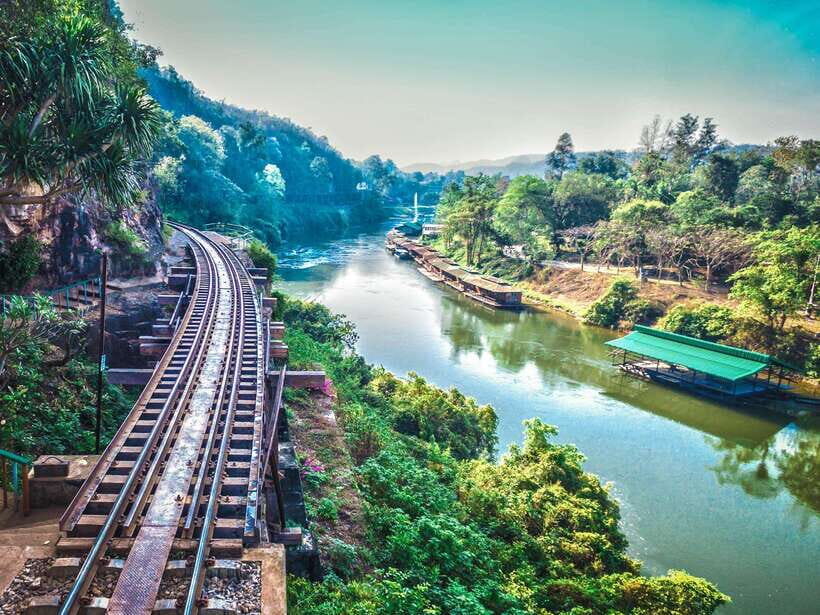
Next you’ll head to the Bridge Over the River Kwai, with about an hour for sightseeing. The bridge is iconic not just for its appearance, but because it’s linked to the Thai-Burma Railway and the suffering tied to that era.
This is one of those places where walking matters more than standing still. You get the chance to walk across its spans and look at the limestone mountains around it. Your guide also helps connect the landmark to the broader story, so it doesn’t feel random.
One practical thing I’d keep in mind: the area can be active, and it’s possible you’ll spot a train passing while you’re on the bridge. That moment turns the bridge from history into something alive and current—still respectful, just more memorable.
The main consideration here is emotional weight. The bridge is a landmark, yes, but it’s also tied to hardship. If you’re sensitive to WWII history, mentally brace yourself before you walk across.
Kanchanaburi Lunch Stop: Time to Reset (Lunch Costs Extra)
Between the bridge and Erawan, the tour schedules a Kanchanaburi lunch break (about an hour). Meals are not included, so you’ll pay for lunch on your own.
I like this kind of stop because you get a chance to rehydrate and refuel before the park, and you can choose what fits your stomach. If you’re traveling with kids or you know you get picky when you’re tired, having a set lunch window is helpful.
What to watch for: since lunch is at your own expense, plan for cash. The day-trip packing list specifically mentions cash, so don’t assume every place will handle cards.

Erawan National Park: Swim, Hike, and Choose Your Level
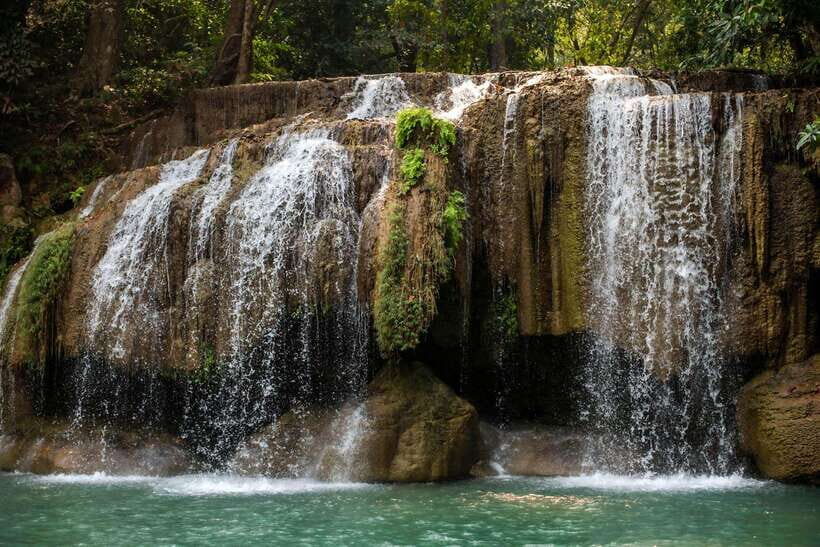
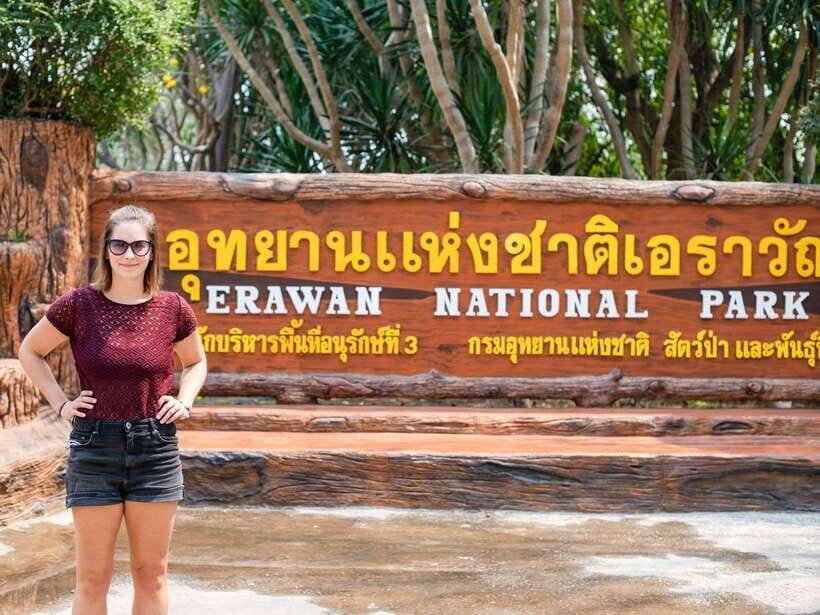
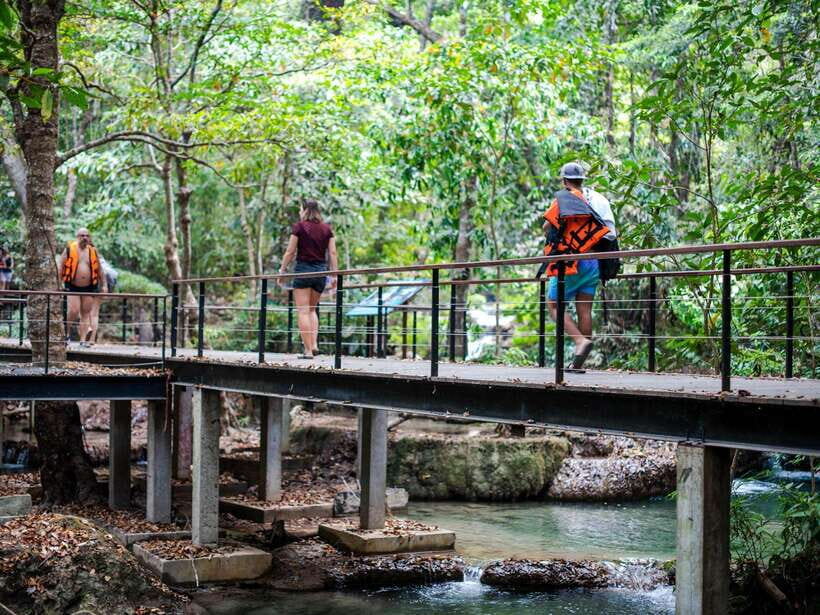
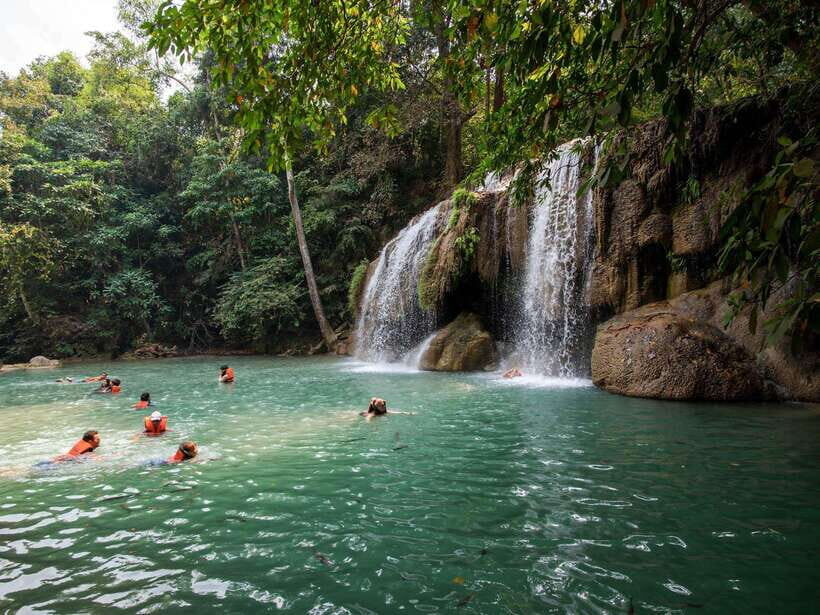
Then comes the reward: Erawan National Park. The schedule gives you two park blocks: a visit time (about 1 hour) and then time for hiking and swimming (about 1 hour). In plain terms, it’s enough time to enjoy the pools and climb at least a bit—especially if you’re strategic.
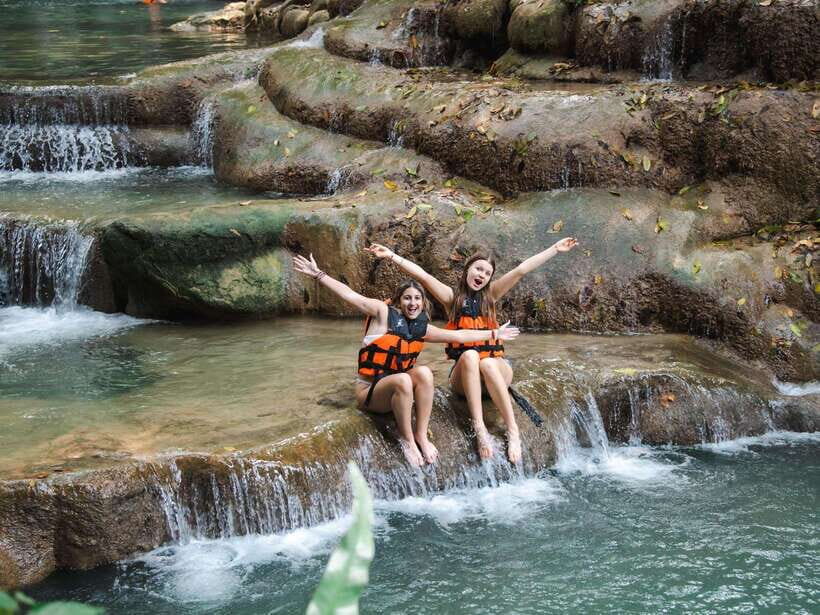
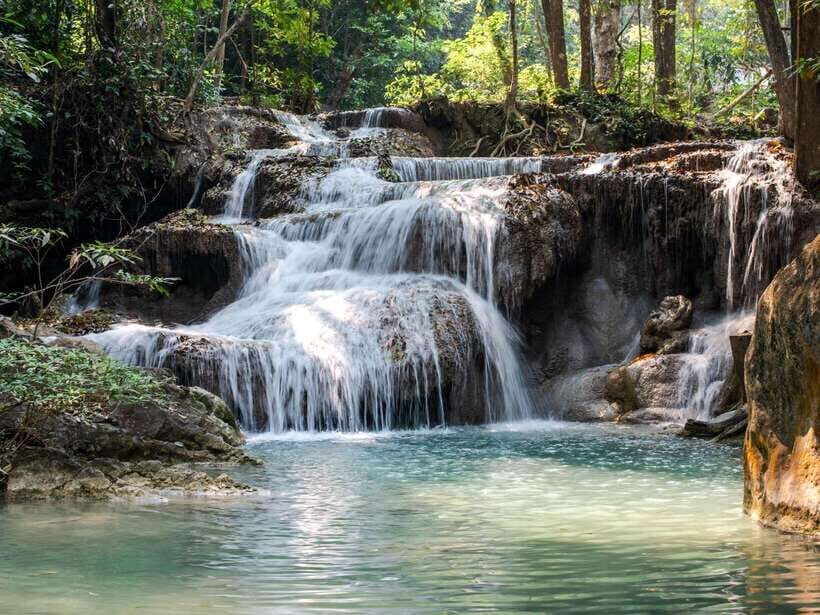
Erawan’s main draw is the seven-tier waterfall system. You’ll be in a jungle setting where the water is clear enough to actually want to get in. The tour is designed for that: it’s not a “look only” stop. You can swim in the pools and hike between levels to experience different viewpoints and water access.
A smart plan for Level 7
A recurring tip you can use immediately: if you’re aiming for the top-tier experience, think about how you move through the levels. Some guides and guests recommend going straight toward level 7 and then coming down, which can help you feel like you’re getting the best height view without spending too long grinding through every middle tier.
Here’s my practical take: if your priority is the biggest payoff viewpoint, start with the climb while you still have energy. If your priority is swimming and relaxing, take your time and stay where the pools feel easiest to reach.
Water shoes and the reality of wet stone
One specific suggestion that shows up clearly: bring or consider water shoes. The park involves wet surfaces and slippery steps. If you’re walking carefully and you’ve got sturdy footwear, you’ll enjoy it more.
Also: bring a swimsuit and towel if you want the full experience. Erawan time is the part of the day where it’s worth being prepared to actually get wet.
Wildlife moments can happen
You might also spot small wildlife in and around the pools—fish in shallow water show up, and monkeys or other animals can appear along the paths. That’s part of being in a national park. Stay aware, don’t chase anything, and keep your eyes on your footing.
Sustainable Touches: Glass Bottles and Carbon Offsets That Are More Than PR
This tour includes a few sustainability elements that are easy to overlook when you’re excited about waterfalls. Here’s the practical version:
- Water in glass bottles: Instead of plastic bottled water, you’re provided water in glass. That’s a better move for waste on a day trip where you’ll likely drink more than you expect.
- Carbon emission offset: The tour offsets carbon emissions in every tour, reducing its carbon footprint.
And it’s not just a label: it’s described as a GSTC-certified experience. What that means for you is simple—this isn’t only built around “nice eco words.” It includes actions tied to how the day runs.
Is it perfect? Nothing like this is. But on a day trip that includes long van rides and a full schedule, these are meaningful touches that don’t require you to do extra work.
Guide Quality Makes the Day Feel Shorter

The tour experience can rise or fall with the guide, especially on a 12–14 hour schedule. Names that come up in the feedback include Nancy, Mr Tecky, Jack, Eddy, Ohm, Pop, Tank, Cherry, Rach, Bonny (and Jacky as Prakadkiet), Surina, and Eddy again.
Even without knowing which guide you’ll get, you can expect a style built for this kind of day:
- clear instructions on where to meet and when,
- historical explanations that connect stops (museum → bridge),
- help staying on schedule at the park so you don’t lose time regrouping.
Small note for your comfort: guides often handle photos and group management. That matters at Erawan, where everyone wants pictures but the group still has to stay together for timing.
Price and Value: What You’re Paying For at $59
$59 per person can feel like a lot at first, until you break down what’s included.
Included basics that add real value:
- English-speaking tour guide (and Spanish is also listed)
- Air-conditioned vehicle
- Entrance fees if you select that option
- Hotel pickup and drop-off if you select pickup
- A glass bottle of drinking water
- Insurance
- Walking tour coverage
Not included:
- Meals and other drinks (so budget for lunch)
So you’re paying for transportation, a guide, and the structure of a day trip that would be hard to do efficiently on your own—especially when you factor in the museum and the bridge stops plus the park logistics.
If your priorities are history + Erawan water time and you want a low-stress format, this price often feels fair. If you only care about Erawan and you’d rather move at your own pace, you might find other ways to travel. But if you want a guided route that saves you planning energy, $59 is the kind of cost that buys convenience and context.
What to Pack for a Comfort-First Waterfall Day
This is a practical list straight from what you’re told to bring, with a few notes on why it matters:
- Comfortable shoes: You’ll be walking paths and wet areas at the park.
- Sunglasses + hat + sunscreen: The day is long, and you’ll be outside.
- Insect repellent: Jungle setting can mean bugs.
- Camera: You’ll want bridge photos and waterfall photos.
- Cash: Lunch is not included, so you’ll need payment flexibility.
- Insect repellent + sunscreen aren’t optional if you’re prone to getting uncomfortable outdoors.
If you plan to swim, add your own essentials:
- swimsuit and a towel,
- and consider water shoes for grip on slippery steps.
If you skip those, you can still enjoy Erawan, but you may feel less comfortable staying out longer.
Who This Tour Suits (and Who Should Skip It)
This works best for you if you:
- want history and nature in one day,
- don’t mind a long ride and a packed schedule,
- can handle walking and climbing a bit at the park,
- want swimming and water-level exploration at Erawan.
It’s not suitable for:
- people with back problems,
- people with heart problems.
That’s not just about “being healthy enough.” The park hiking and the stress of a full day in motion can be a lot for some bodies.
If you’re traveling as a couple, a small group of friends, or solo, the small-group setup is a good fit. If you’re bringing anyone who gets easily impatient with long transit days, plan snacks and water and set expectations early.
Should You Book This Tour?
If you want a single, organized day from Bangkok that covers WWII history at the JEATH Museum, the famous Bridge Over the River Kwai, and the cooling reward of Erawan’s seven-tier waterfall pools, I’d say this is worth booking. The mix is the point, and the small group size plus air-conditioned van makes the long day feel more manageable.
Book it if:
- you can handle a 12–14 hour day,
- you want swimming time and at least some hiking,
- you like having a guide connect the dots between stops.
Skip it if:
- long travel days drain you fast,
- you need lots of time for slow museum reading or unhurried park wandering,
- you fall into the listed health limitations.
If you do book, do one smart thing: aim your Erawan plan around your goal (swim and relax, or climb for level 7). Then the day feels like a win instead of a scramble.
FAQ
How long is the tour from Bangkok to Erawan and Kanchanaburi?
It runs for 12 to 14 hours.
Where do I meet the guide if I don’t choose hotel pickup?
You meet at National Stadium BTS Station, Exit 2 (2nd floor). The guide holds a TripGuru sign, and you should arrive about 10 minutes early.
Are meals included in the price?
Lunch is not included, and other drinks and personal expenses are also not included. The lunch stop is about one hour.
Is the tour suitable for people with mobility or health concerns?
The tour is not suitable for people with back problems or heart problems.
What’s included besides transport?
The tour includes an English-speaking guide, entrance fees if you select that option, a walking tour component, air-conditioned vehicle, a glass bottle of drinking water, and insurance.
How big is the group?
It’s a small group limited to 9 participants.