REVIEW · BANGKOK
From Bangkok: Living Green Elephant Sanctuary Day Trip
Book on GetYourGuide →Operated by Living Green Elephant Sanctuary Chiang Mai and Chonburi · Bookable on GetYourGuide
Elephants, but with rules.
I like this trip because it keeps things no-riding, no-chains, and it lets you get close through calm, guided feeding and walking. One real drawback to plan for is travel time: Bangkok traffic can turn the drive into a long, sometimes bumpy minivan ride.
The sanctuary sits in the mountains of Chonburi, spread over 40 acres, so it feels like space, not a lineup. Guides such as Lulu and Mo (and other energetic names like Crazy Man and Sexy Man) make the session feel personal, with clear elephant stories and safety-first instructions.
This is also not a sit-and-watch show. You’ll be changing clothes, walking on paths, and getting in the water only when conditions allow, so bring the right gear and go in with a respectful mindset.
In This Review
- Key things I’d circle in your itinerary
- An ethical elephant encounter that actually feels natural
- A quick reality check on “close”
- Bangkok to Chonburi: what the drive is really like
- Pickup options you should understand before you commit
- Mo Hom clothing and a short briefing that sets the tone
- Feeding rescued elephants: hands-on, but controlled and respectful
- A small but real tip: keep your hands and timing simple
- Walking with elephants through forest paths
- Fitness reality
- Bath time and mud: when you can join, and when you just watch
- Clothing and gear that actually helps
- Lunch: fresh Pad Thai and a calm break from elephant intensity
- Guides that keep it fun, clear, and safety-first
- Price and value: is $57 a good deal?
- Who should book this, and who should skip it
- Practical tips so your day goes smoothly
- Should you book the Living Green Elephant Sanctuary day trip from Bangkok?
- FAQ
- How far is Living Green Elephant Sanctuary from Bangkok?
- How long is the day trip?
- What time options are available?
- Is elephant riding allowed?
- Will I definitely get to bathe with the elephants?
- What’s included in the trip?
- What should I bring?
- What language is the guide?
- Is hotel pickup available?
- Who is this not suitable for?
Key things I’d circle in your itinerary
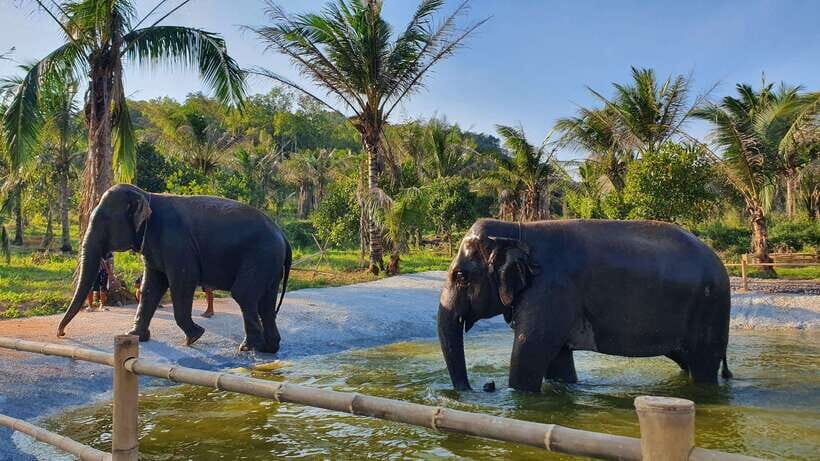
- Strict welfare rules: no riding, no chains, no performances—behavior comes from the elephants, not you
- Hand-feeding and forest walking: you interact in a slow, controlled way along natural paths
- Water time is weather-based: cold weather can mean you watch more than swim
- Mo Hom traditional clothing moment: you start the day with a short cultural touch
- Pad Thai lunch with real downtime: shaded seating with mountain views and a local meal
- Guides who keep energy high: names like Lulu, Mo, Crazy Man, and Sexy Man show up in standout reviews
An ethical elephant encounter that actually feels natural
Most elephant experiences in Thailand fall into two buckets: either you’re chasing photos, or you’re trying to find something that respects animal behavior. This day trip is built for the second bucket. The sanctuary operates with a hard welfare policy: no riding, no chains, and no performances. That matters because you’re not rewarding tricks. You’re sharing space while the elephants forage, socialize, and choose what’s comfortable.
The result is the feeling you want: you’re not “handling” elephants like props. You’re working alongside them during a guided routine. You’ll hear individual elephant stories, watch how they move through their environment, and follow your guide’s instructions for safe, gentle interaction.
I also like that the day isn’t only about feeding. You get trekking on forest paths and a chance to join bath time if the elephants go where they want and the weather is suitable. That combination makes the visit feel more complete than the typical one-action elephant tour.
You can also read our reviews of more tours and experiences in Bangkok


A quick reality check on “close”
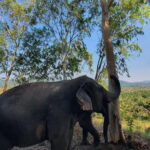
You’ll be close enough to feel the scale, smell the outdoors, and notice how calmly elephants communicate with each other. Just remember: this is still a large animal encounter, and the staff keep the flow controlled for everyone’s safety. If you want a storybook “close up,” this is that—without the fake posing.
Bangkok to Chonburi: what the drive is really like
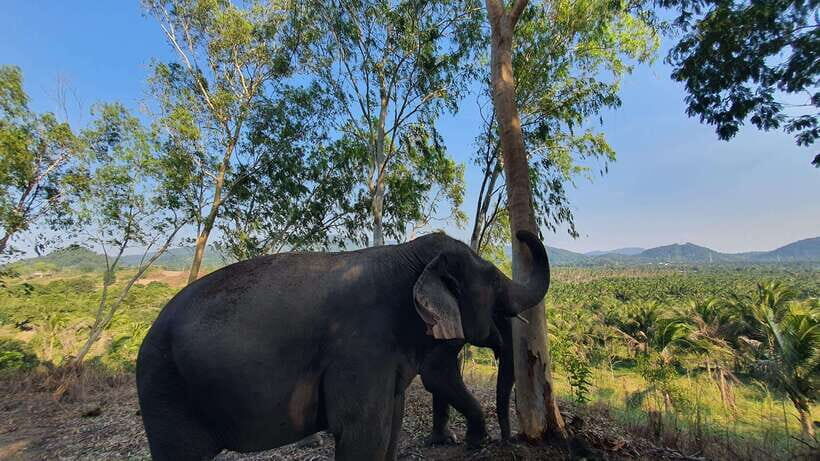
You’re getting out of Bangkok fast in theory. The sanctuary is about 1.5 hours from Bangkok, in the Chonburi mountain area. In practice, traffic can stretch that—some people see closer to three hours total in and out if conditions are rough.
That’s the part to take seriously when you pick your session. The trip runs as a morning program (07:00–14:30) or an afternoon program (11:00–18:30). The drive time is included in the overall schedule, so you’re planning a full chunk of your day, not a quick hop.
Transport is usually by air-conditioned minivan. Reviews mention AC and reclining seats, but you can also run into a ride that feels old or rough if you’re sensitive to motion. If you get carsick easily, plan ahead.
Also keep in mind: routing can adjust based on weather. In hot months, you might still be fine; in monsoon periods, timing can shift. If you hate being in traffic, schedule-smart choices help, but you can’t fully beat Bangkok congestion.
Pickup options you should understand before you commit
This tour offers several ways to join, depending on the package:
- Hotel pickup in Bangkok (and in some cases Pattaya/nearby areas)
- Meet at Eakkamai Wat That Thong
- Or a no-transfer option where you meet at the sanctuary
If you want the least stress, choose the pickup option that matches your hotel location so the drop-off lines up with the same zone restrictions.
Mo Hom clothing and a short briefing that sets the tone
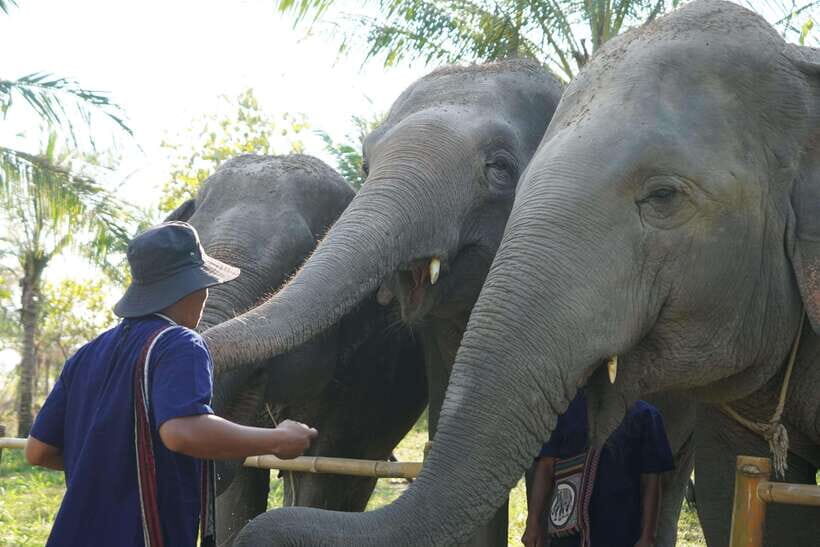
Before you meet elephants in earnest, you start with a change into traditional Mo Hom clothing. It’s not just a costume. It signals the shift from city tourism mode to a cultural-and-welfare guided visit.
Then you’ll get a briefing about the sanctuary approach. This is where the day becomes more than entertainment. Guides explain what the sanctuary is trying to do for rescued elephants and why their routines look the way they do.
You also learn the “rules of proximity,” which is important. When you’re close to elephants, the safest experience feels boring—in the best way. You move when told, keep the right distance, and follow instructions around feeding and water.





Feeding rescued elephants: hands-on, but controlled and respectful
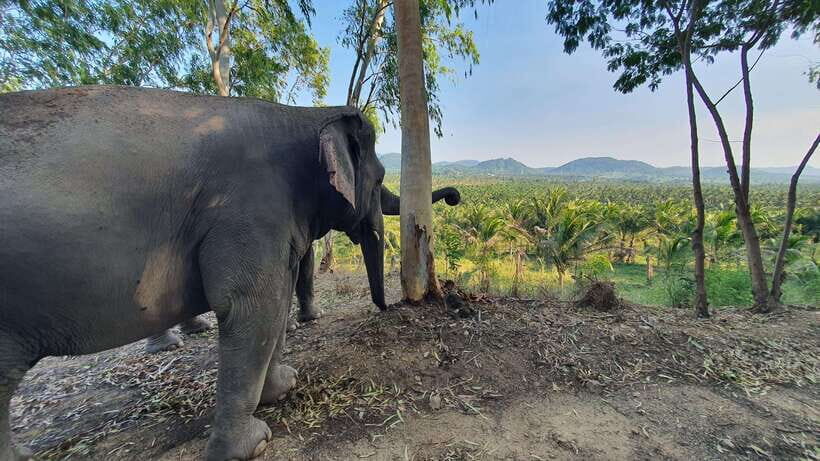
Feeding is one of the best parts of this day trip, and it’s handled in a way that feels structured. You’ll hand-feed elephants, and you may get chances to offer items such as bananas and sugar cane (the day-to-day details can vary, but hand-feeding is a consistent theme).
What I like here is the focus on calm interaction. You’re not expected to force the animal into a perfect moment. Elephants forage when they want, and your guide keeps the flow so everyone gets a fair turn without pushing.
You’ll also hear individual stories. In reviews, people mention learning about multiple elephants and their personalities. That turns “feeding” from a bucket-list tick into something more human: you start noticing who is curious, who is relaxed, and how different individuals move through the same space.
A small but real tip: keep your hands and timing simple
When staff guide you into feeding position, stay ready but don’t rush. The elephants will do what elephants do—sniff, decide, grab, move on. If you fumble or hesitate too much, you create chaos. Simple timing equals better photos and a smoother experience.
Walking with elephants through forest paths
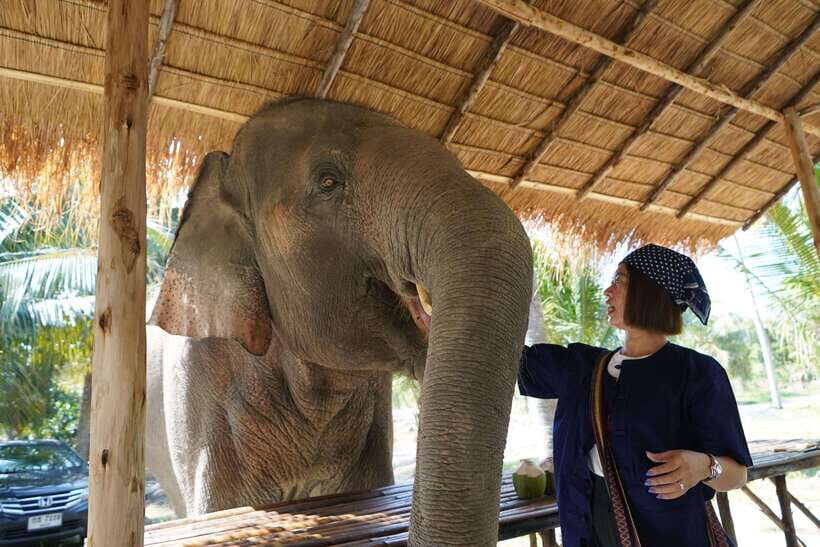
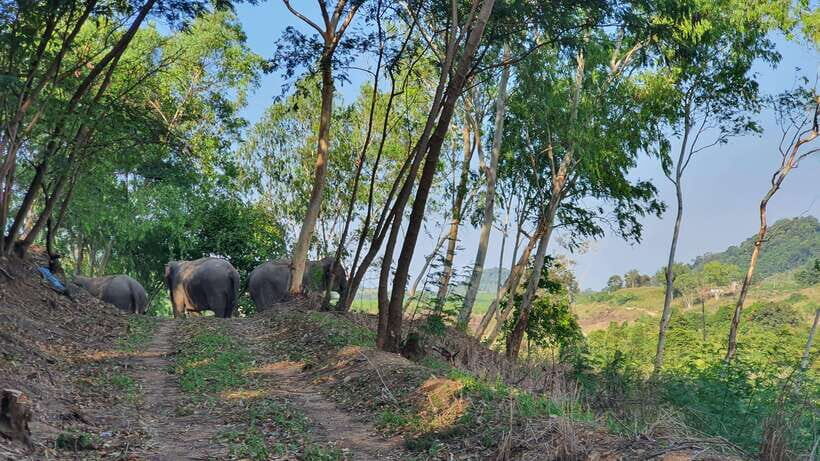
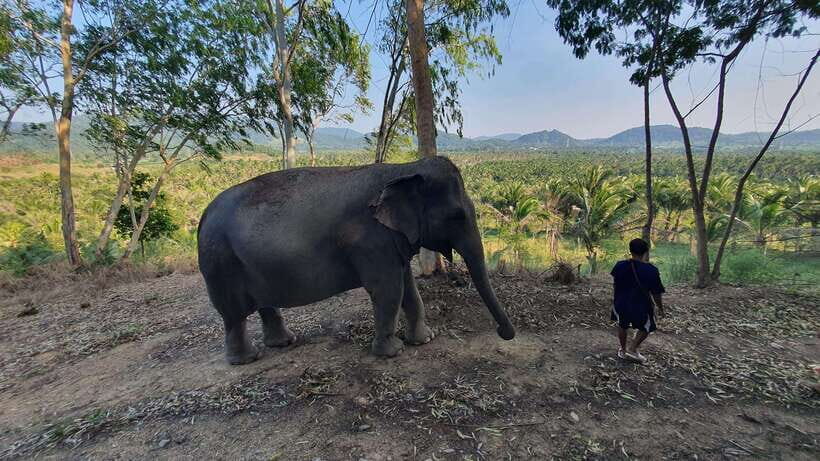
After feeding, you move into trekking time. This is a small walk with the elephants, not a long hike across mountains. Still, you should expect uneven paths and some walking in outdoor heat.
The walking segment is valuable because it shows elephant behavior beyond the moment they’re fed. You’ll see how they shift as a group, how they use space, and how they respond to people being present calmly. It’s also a nice contrast: you spend less time staring at one spot and more time learning how the day flows.
Some reviews describe an easy uphill part and a later slope toward water time. Even if your exact route differs, the rhythm is similar: walk, pause, observe, then move toward bath activities.
Fitness reality
This is suitable for all ages according to the program, and it’s not presented as a strenuous trek. Still, it’s not a sit-down tour. Avoid it if you’re dealing with back problems, and for young kids, expect short bursts of walking outdoors.
Bath time and mud: when you can join, and when you just watch
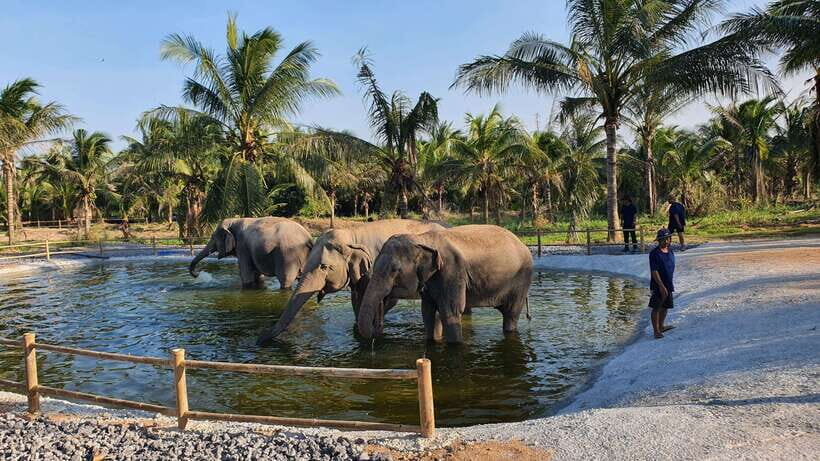
Bathing is the “wow” factor for a lot of people. The sanctuary lets elephants bathe and play naturally, and you may be able to join them in the water.
Two key notes:
- Elephants won’t be forced into water if the weather is cold.
- If you can’t join in the pond, you’ll still be able to watch them in the process.
Mud time comes first in the vibe. You’ll see elephants roll in mud to cool down and protect their skin. It’s not dramatic theater; it’s real animal behavior. The water part can be equally real and a little messy, which is part of the point. If you’re not thrilled by the idea of seeing floating matter, know that it can happen in the water.
People also mention shower time after water play, and the day is built for you to change into dry clothes. That’s why your towel and spare clothes matter more than you think.
Clothing and gear that actually helps
Bring a change of clothes and a towel. Wear sandals or footwear that can handle wet ground. Also bring water so you can reset after trekking.
And yes, you may get wet even if you plan not to. This is an elephant water zone, not a pool party.
Lunch: fresh Pad Thai and a calm break from elephant intensity
After the elephant time, you get a local meal. The meal commonly comes as Ancient Pad Thai using local ingredients. Reviews also mention watermelon and lots of water, which makes the heat part of the day feel more manageable.
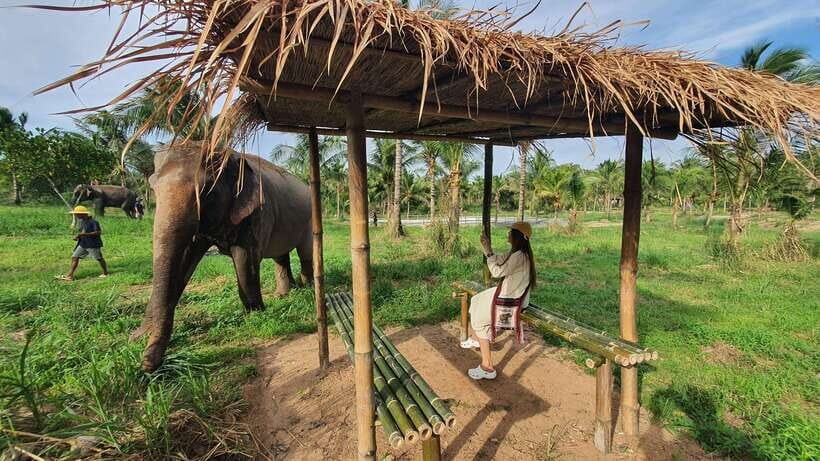
Lunch isn’t just a refuel stop. You’ll likely eat in a shaded area with views of the surrounding mountains, giving you a breather before the final goodbye.
This kind of break matters emotionally. Elephant encounters can be intense in a good way. A decent meal and downtime helps you process what you saw instead of immediately rushing back into the van.
Guides that keep it fun, clear, and safety-first
The sanctuary experience lives or dies on the guide team. The standout factor in reviews is how the guides bring energy while keeping things respectful.
You’ll see names like Lulu, Mo, Mod, and playful guide nicknames like Crazy Man, Handsome Man, and Sexy Man. The consistent theme: humor plus clear elephant and conservation explanations, with an easy pace so people can ask questions.
I like that guides manage turns. It reduces crowding and helps you feel like the elephants are still the priority. One review even notes that the day felt well organized even when there were many people, and that interactions stayed respectful without forcing pose-style behavior.
Price and value: is $57 a good deal?
At $57 per person, this isn’t the cheapest thing you can book from Bangkok. But it also isn’t a basic “stand next to elephant for a minute” experience.
Your money goes toward:
- round-trip transportation (when you choose hotel pickup options)
- a briefing and a live English guide
- multiple interaction segments: feeding, trekking, and bathing access when conditions allow
- a local meal (Pad Thai)
- traditional clothing and on-site support gear (like what you need for the day)
When you compare that to shorter attraction-style elephant visits, the value comes from the length of meaningful interaction plus the meal and structured welfare approach. You’re paying for a day that aims to align with animal wellbeing, not a photo sprint.
Just be honest with yourself about transport. If traffic hits hard, you may feel like you spent more time riding than walking with elephants. That isn’t the sanctuary’s fault, but it is part of the value equation.
Who should book this, and who should skip it
This trip fits best if you:
- want an ethical, no-riding elephant encounter
- enjoy guided nature time, not a loud show
- travel with kids old enough to handle outdoor walking (program says suitable for all ages, and reviews include families)
Skip or reconsider if you:
- are pregnant (the program lists it as not suitable)
- have back problems
- are under 2 years old
- get extremely carsick or hate long van rides (some reports mention rougher rides; AC helps but doesn’t fix motion)
If your main goal is zero-contact animal viewing, you might still enjoy watching elephants forage and bathe, but your highlight is the interactive segments, so be ready for that level of participation.
Practical tips so your day goes smoothly
Here’s how to show up ready:
- Pack a towel and change of clothes for the water segment
- Bring water, since you’ll be outside for much of the day
- Wear comfortable clothes and sandals
- Don’t plan on alcohol or smoking during the tour (not allowed)
- If you have luggage, note the bag policy: there’s an extra charge of 200 Baht per medium/large suitcase if applicable
- Check your email the night before for exact pickup time and driver details (the day-of details matter)
Also, keep an eye on weather. If it’s cold, elephants may not go into water, so your plan should shift from “swim” to “watch and enjoy the sanctuary behavior.”
Finally, bring your patience for traffic. Bangkok roads can be unpredictable. Your elephant time is worth it, but your schedule should be flexible.
Should you book the Living Green Elephant Sanctuary day trip from Bangkok?
Yes, if your priority is ethical interaction and you want a structured day that includes feeding, walking, and a real chance at bath time when conditions allow. The sanctuary’s approach—no riding, no chains, no performances—keeps the day closer to natural behavior than most elephant attractions.
Book it if you can handle a full morning or afternoon and you’re willing to be outside. Don’t book it if you’re fragile about motion sickness or if walking and water play (or watching it) would be too much for your body.
If you’re choosing only one elephant activity from Bangkok, this is the type that feels like it’s trying to do right by the animals first—and that’s the difference.
FAQ
How far is Living Green Elephant Sanctuary from Bangkok?
It’s about 1.5 hours from Bangkok to the sanctuary area, though traffic can change drive time.
How long is the day trip?
The program runs about 6 to 7 hours for the full experience, including transport time.
What time options are available?
You can choose a morning session (07:00–14:30) or an afternoon session (11:00–18:30). Specific meet times differ by pickup option.
Is elephant riding allowed?
No. The sanctuary follows a strict no-riding policy, along with no chains and no performances.
Will I definitely get to bathe with the elephants?
Not guaranteed. Elephants won’t be forced into water if weather is cold, so bathing depends on conditions.
What’s included in the trip?
Included are a local meal, briefing, interaction with elephants, trekking, bathing time with elephants, and hotel pick-up and drop-off depending on the package you select.
What should I bring?
Bring a change of clothes, a towel, sandals, water, and comfortable clothes.
What language is the guide?
The tour includes a live English guide.
Is hotel pickup available?
Yes, depending on the selected package. There are also options to meet at Eakkamai Wat That Thong or at the sanctuary without transfer.
Who is this not suitable for?
The program says it’s not suitable for children under 2, pregnant women, and people with back problems.