REVIEW · PATTAYA
From Pattaya: Living Green Elephant Sanctuary Day Trip
Book on GetYourGuide →Operated by Living Green Elephant Sanctuary Chiang Mai and Chonburi · Bookable on GetYourGuide
Elephants, but no riding.
That alone is the reason this Living Green Elephant Sanctuary trip feels different: rescued elephants live on a 40-acre site in the Chonburi mountains, and you meet them as they move through the day, not as a show for you. I like that it’s only about 45 minutes from Pattaya, so the whole plan feels doable even if you’re not chasing a full-day excursion.
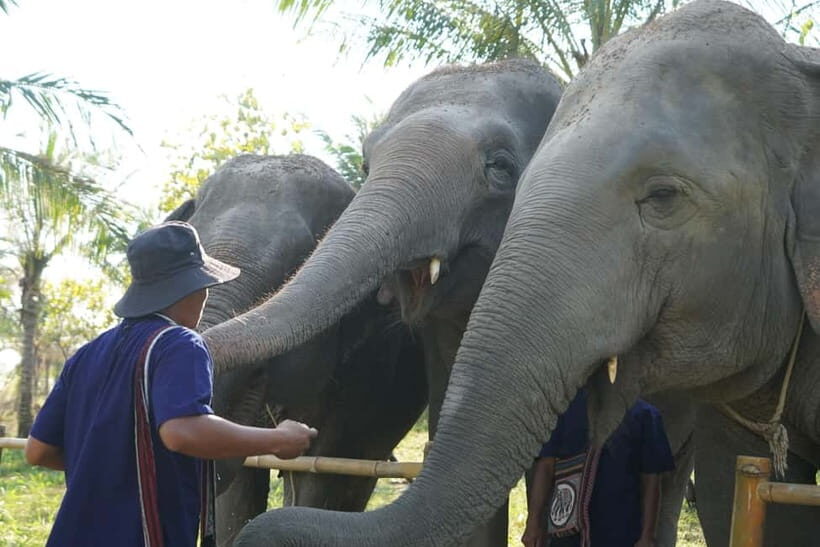
Two things I really love: first, the strict welfare rules—no riding, no chains, no performances—plus elephants can choose whether to engage. Second, you’re not stuck watching from a distance: you’ll hand-feed them, walk alongside them on forest paths, and (when conditions allow) join in as they bathe and roll in the mud. It’s the kind of close-up encounter that still keeps the power with the animals.
One thing to consider: the day is weather-dependent. If it’s cooler or the elephants don’t want to get into the water, you won’t force it, and the heat can mean a bit of waiting in the open during briefing moments.
In This Review
- Key Highlights You’ll Actually Care About
- Entering Living Green’s Sanctuary: What Makes It Feel Different
- Mo Hom Clothing and the First Elephant Check-In
- Hand-Feeding Rules: Close, But Not Crowded
- The Jungle Walk: What It Really Means to Trek With Them
- Bath Time With the Herd: Water, Mud, and Flexible Expectations
- Lunch Break: Ancient Pad Thai, Watermelon, and a Real Reset
- Round-Trip From Pattaya: Why Timing Can Make or Break Your Day
- What to Bring (So You’re Comfortable, Not Miserable)
- Who This Trip Is Perfect For (And Who Should Skip It)
- The Little Details That People Remember
- Should You Book Living Green Elephant Sanctuary From Pattaya?
- FAQ
- How long is the trip from Pattaya?
- Do I get to feed and interact with elephants?
- Is elephant riding included or allowed?
- Will I definitely be able to bathe with the elephants?
- What’s included in the price?
- What should I bring with me?
- Can I cancel if plans change?
Key Highlights You’ll Actually Care About
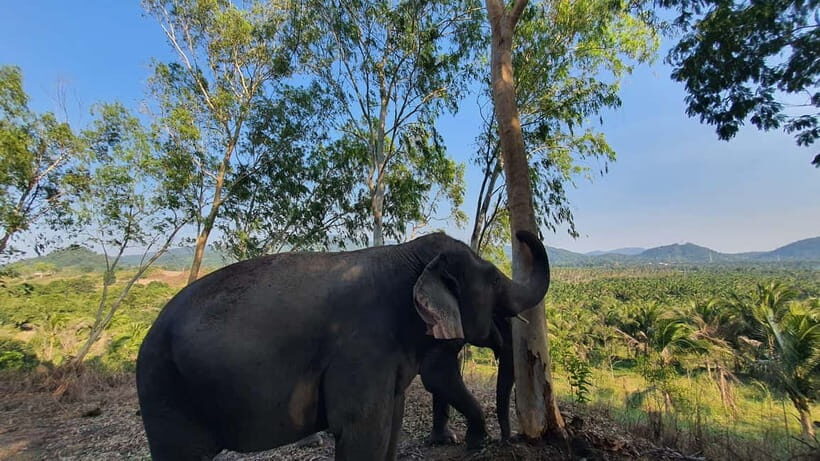
- No riding, no chains, no performances: the rules are clear, and the elephants set the pace
- Mo Hom outfit before you meet them: a small detail that makes the whole visit feel more respectful and grounded
- Hand-feeding + walking with the herd: you’re close in a controlled, animal-safe way
- Jungle paths and elephant social behavior: you learn how they move, forage, and relate to each other
- Elephant bathing time on their terms: mud cooling, water play, and possible pool participation if they choose to join
- Pad Thai lunch with mountain views: Ancient Pad Thai made with local ingredients and a real break from the heat
Entering Living Green’s Sanctuary: What Makes It Feel Different
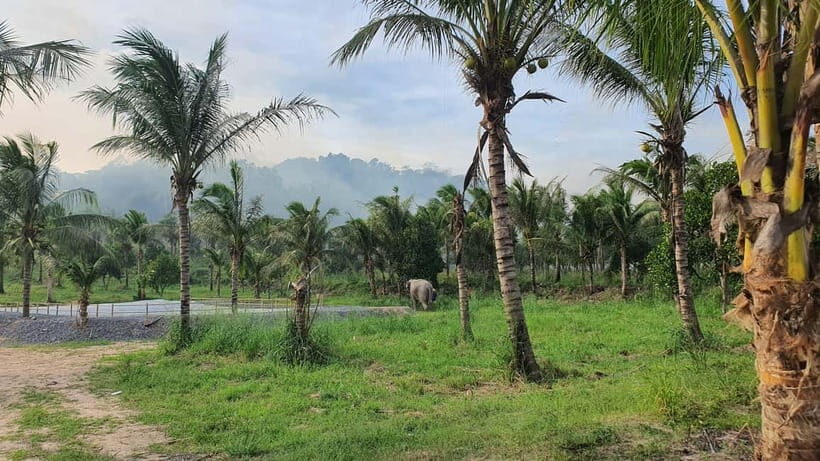
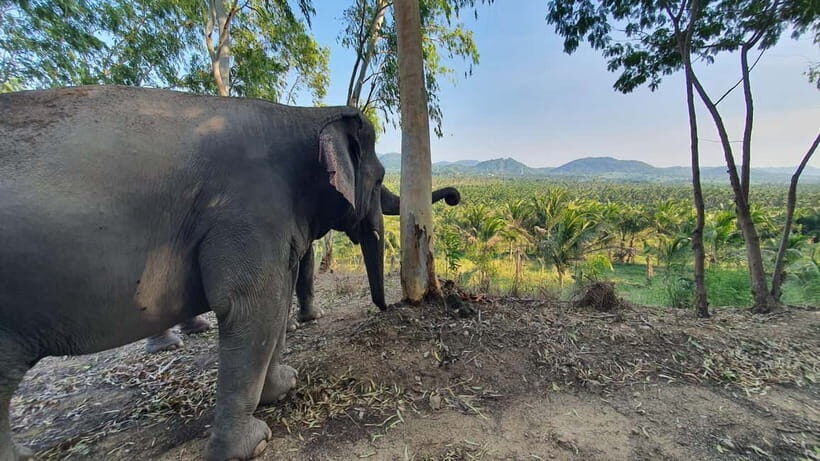
From Pattaya, you’ll roll out by van, then climb into a greener, calmer pocket of Chonburi Province. The sanctuary sits in the mountains and covers about 40 acres, which matters more than it sounds. With space, the elephants aren’t packed into a tiny performance area. They can roam, forage, and move around without needing to stay in one spot just because your group arrived.
The experience starts with a briefing and a quick setup moment. You change into traditional Mo Hom clothing before meeting the elephants. It’s not just for photos. It signals that you’re entering the elephants’ world with a different mindset—less touristy, more visitor.
The sanctuary’s core promise is welfare. You won’t see riding. You won’t see chaining. You won’t see the kind of “command and trick” setup that makes some people uncomfortable when they visit animal attractions in Thailand. Here, the focus is natural behavior and observation, with you joining only in ways the elephants tolerate.
One thing I appreciated is how often the day loops back to conservation. The guides explain why elephants matter and how the sanctuary supports rescued elephants and their long-term care. It turns an activity into something you understand, not just something you do.
You can also read our reviews of more tours and experiences in Pattaya


Mo Hom Clothing and the First Elephant Check-In
Before you get any closer, you’ll get your first grounding moment: the guides brief you, then you’ll change into Mo Hom clothing. Everyone gets the same basic setup, so you don’t end up feeling like you’re dressed wrong for the encounter.
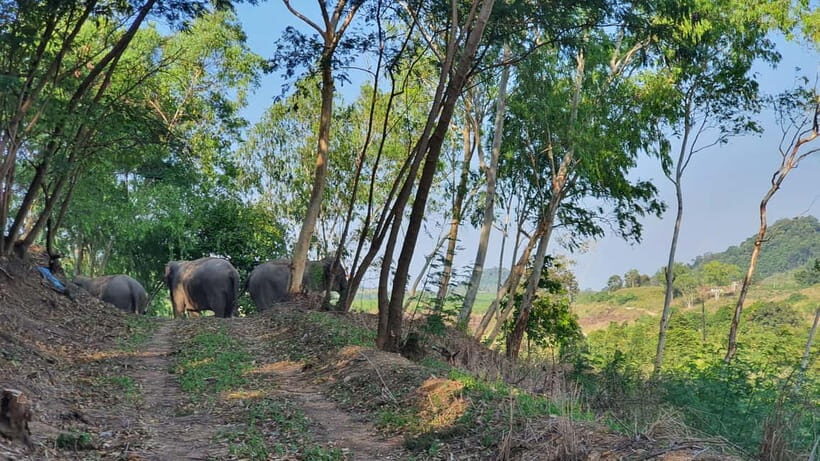
Then the “show” starts—but not in the usual sense. You watch elephants roam freely. They forage and move through the area at a pace that doesn’t match your schedule, which sounds obvious until you’ve been in places where the animal never leaves a single marked spot. Here, you learn quickly that your job is to watch, follow instructions, and stay within boundaries.
Guides also talk about individual elephant personalities. Based on guide names you’ll often hear on this route—people like Lulu, Mod, Adam, Tuck, and Wing—the storytelling tends to be a big part of the experience. You don’t just get facts. You get small details that help you read what the elephant is doing. Is it curious? Moving away? Focused on food? That kind of interpretation makes the day feel richer.
Hand-Feeding Rules: Close, But Not Crowded
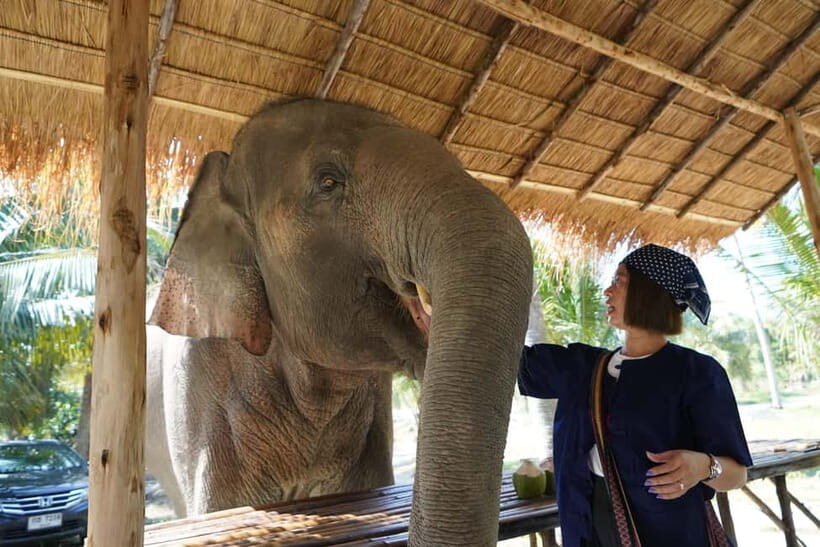
Hand-feeding is one of the most praised parts of this trip, and for good reason. You’re not buying a “bucket of bananas” and rushing the animal. Feeding is handled carefully, with safety and animal choice built into the rhythm.
You’ll be briefed on how to approach and feed, and you’ll typically interact in a controlled way (including the idea of going one at a time during feeding moments). That approach is important for two reasons:
- It reduces stress for the elephants.
- It keeps your group from swarming the same spot like a stampede with cameras.
The food you use for feeding is part of the fun—sugar cane and bananas come up in the experience, and you’ll see how elephants use their trunks with calm, practical precision. It’s the kind of up-close moment that makes you stop thinking about the activity as a “tour” and start thinking of it as meeting a big animal that has its own agenda.
If you’re an elephant lover, this is where the day clicks. And if you’re worried about welfare, this is where your questions get answered. The elephants have space and the staff don’t push the interaction past what the animals accept.
The Jungle Walk: What It Really Means to Trek With Them
After the first meeting and feeding, you’ll do a small trek through forest paths alongside the elephants. “Small trek” matters. You get movement and variety without turning the day into a grueling hike.
Walking near the elephants gives you something a photo-only visit never does: you see how they move and how their body language works in real time. Elephants forage naturally. They socialize. They pause. They drift in and out of your field of view. Your perspective shifts from trying to capture a moment to trying to understand a behavior pattern.
You’ll also pick up context from the guides while you walk. They talk about conservation and why rescued elephants need continued support. It’s not heavy classroom stuff. It’s more like storytelling that keeps you paying attention while you’re walking and watching.
Practical note: forest-path walking in Thailand can feel warm and buggy. That’s why you’ll want insect repellent and comfortable clothes you don’t mind getting dusty. Also, sandals are handy, but keep an eye on footing.
Bath Time With the Herd: Water, Mud, and Flexible Expectations
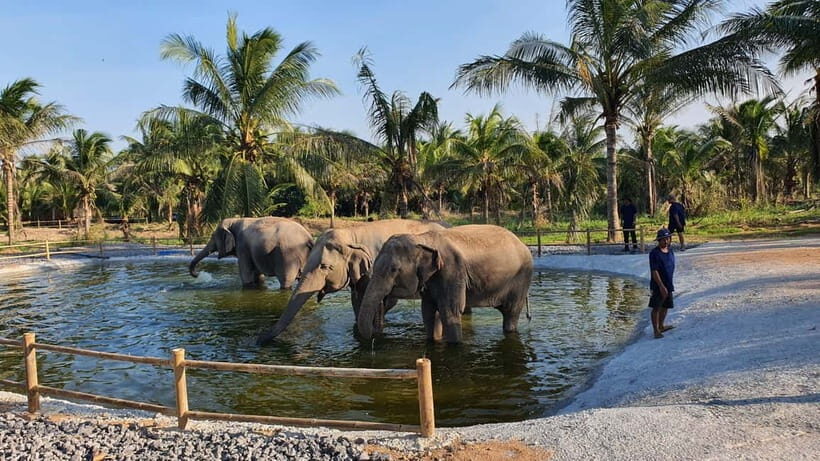
Bathing is one of the biggest “wow” factors, especially because it’s not forced theater. Elephants roll in the mud to cool down and protect their skin. That’s not a performance trick—it’s daily behavior.
You may have the chance to take part if the elephants join in or if conditions make it appropriate. That said, the sanctuary also states they won’t force elephants into the river if it’s too cold or if they don’t want to enter. This is where you should adjust your expectations:
- If bathing happens, it can be a highlight that feels both fun and meaningful.
- If it doesn’t, the day still centers on observation and respectful interaction.
A small caution, based on what people describe: bathing time can be the part that feels the most intense, simply because water brings you physically into a bigger environment moment. Even then, the elephants are still free to choose what they do. The staff set boundaries and keep it calm.
If you’re planning to participate in the water, bring a towel and a change of clothes. You’ll thank yourself later. Also, swimwear isn’t optional if you want to take advantage of the bathing moment.





Lunch Break: Ancient Pad Thai, Watermelon, and a Real Reset
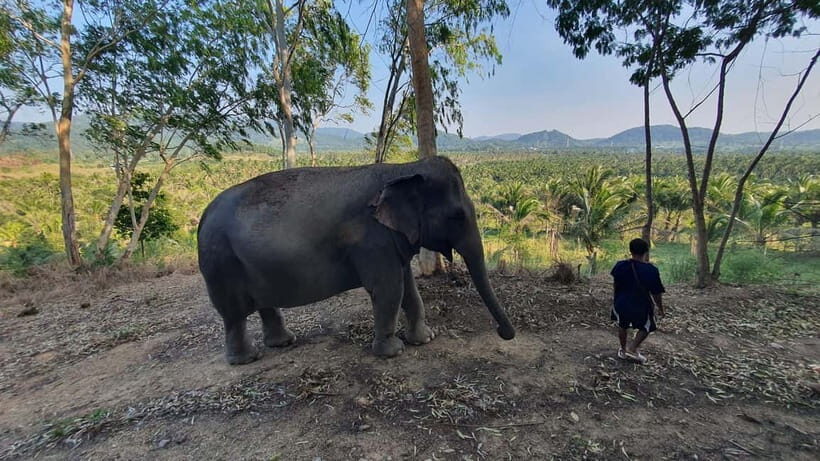
After time with the elephants, you get a lunch break that helps you recover and stay focused for the end of the day. You’ll be served freshly prepared Ancient Pad Thai with local ingredients, plus fruit like watermelon and plenty of bottled ice-cold water.
This matters more than it sounds. Elephant time is active, warm, and sensory-heavy. Food and hydration keep the day enjoyable instead of turning into a sun-soaked scramble.
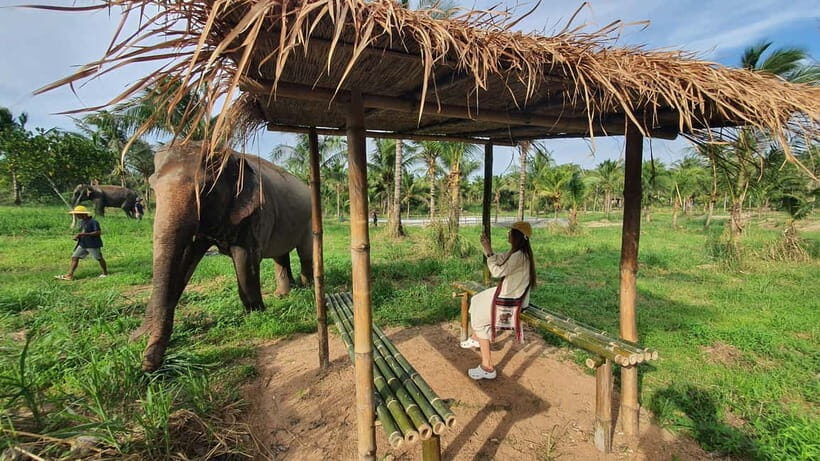
You’ll also have seating and a chance to catch your breath with panoramic views of the surrounding mountains. Not every moment is under shade. Still, the combination of food, water, and a view makes it feel like you’re rewarded for spending the morning (or afternoon) respectfully with the herd.
To keep it practical: wear sunscreen even if you think you’ll stay mostly in shade. The hot spots are real, and people do mention limited shaded areas at times. A hat is one of the simplest upgrades you can make before you go.
Round-Trip From Pattaya: Why Timing Can Make or Break Your Day
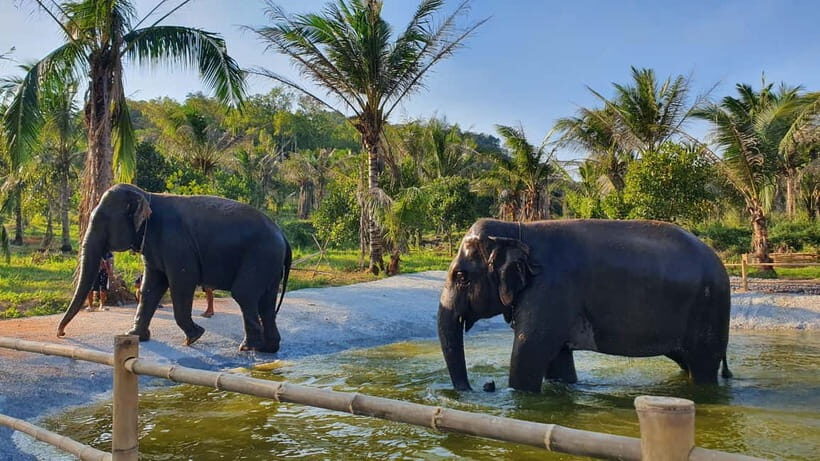
This is a day trip where logistics matter, because the van ride is part of the experience length. You’ll have two program options:
- Morning session: 07:45–14:30
- Afternoon session: 11:45–18:30
The sanctuary visit itself is built into that bigger window, and the total outing can feel like nearly a full half-day once transportation is included.
Pickup can vary by where you’re staying in Pattaya and nearby areas. If you choose a hotel pickup option, the exact pickup time gets confirmed by email. Some hotels in Na Jomtien, Jomtien, and the Nong Nooch Garden area may have small surcharges, and bags like medium/large suitcases can have extra fees. If you’re traveling light, you avoid headaches.
One more timing reality: if your van picks up earlier, you may arrive earlier than some other groups. That can be good for comfort and photos. If you arrive later, you might be joining larger groups. Either way, the sanctuary is the star, not the schedule.
What to Bring (So You’re Comfortable, Not Miserable)
This trip is outdoors. You’ll move, you’ll get warm, and you might get wet. Pack like you’re going to a nature day in Thailand, because you are.
Bring:
- Hat
- Swimwear
- Change of clothes
- Towel
- Sandals
- Sunscreen
- Insect repellent
- Comfortable clothes for outdoors
Also, keep your phone in a secure place if you’re joining the bathing moment. There’s a lot of water energy in those moments.
And remember what you can’t do:
- No smoking
- No riding the elephants
If you’ve ever been on a tour where people treat the animal like a playground, you’ll feel the difference here immediately.
Who This Trip Is Perfect For (And Who Should Skip It)
This is one of those activities that makes sense if you care about animal welfare and you want a close encounter that avoids entertainment-style cruelty. I think you’ll especially enjoy it if you:
- want an ethical alternative to riding elephants,
- like learning from guides who connect animal behavior with conservation,
- enjoy nature walks and being outside in the mountains.
It’s also listed as suitable for all ages and fitness levels. Still, there are clear “not for you” categories:
- children under 2
- pregnant women
- people with back problems
- people with animal allergies
If any of those apply, skip it. Don’t force yourself into something that could be unsafe or uncomfortable.
The Little Details That People Remember
A few small things keep coming up in feedback, and they’re worth your attention:
- The staff and guides manage group behavior carefully so interactions stay calm.
- People praise clean toilet facilities and shower access.
- Guides often bring humor and personality along with the facts. Names you may hear include Lulu, Mod, Adam, Tuck, and Wing.
- The elephants can look toward you and move near you, but they aren’t required to do anything. When an elephant wants space, it gets space.
One practical downside does show up: in busier moments, group sizes can feel large. That can reduce the chance for longer photo moments with individual elephants. If photos are your top priority, choose the time you feel you’ll be more comfortable with crowds, and don’t expect unlimited “stand here and pose” moments. This is about the elephants, not your photo quota.
Should You Book Living Green Elephant Sanctuary From Pattaya?
Yes—if you want a close elephant encounter with a strong welfare focus and you don’t need riding or tricks to feel satisfied.
This trip offers real value for the price because it includes more than just entry. You get transportation (when selected), a local meal, Mo Hom clothing, guided interaction, feeding, jungle walking, and bathing access when conditions allow. When the day is run well, it feels like you’re paying for care and conservation, not for an animal “experience” built on forcing behavior.
Book it if you:
- care about ethical rules (no riding, no chains, no performances),
- want to learn how elephants live and behave in a sanctuary setting,
- are comfortable being outdoors in heat and sun.
Skip it if:
- you’re not able to join outdoor walking,
- you have back problems, are pregnant, have animal allergies, or are traveling with a child under 2,
- you need guaranteed river bathing regardless of weather.
FAQ
How long is the trip from Pattaya?
The scheduled session runs about 6–7 hours including transportation, with two options: a morning program (07:45–14:30) or an afternoon program (11:45–18:30).
Do I get to feed and interact with elephants?
Yes. Your visit includes hand-feeding and interacting with elephants, with guidance on safe, respectful boundaries.
Is elephant riding included or allowed?
No. Riding is not allowed. The sanctuary operates with a strict no-riding policy.
Will I definitely be able to bathe with the elephants?
Bathing is included, but it depends on conditions and the elephants’ willingness. The sanctuary notes they will not force elephants into the river if it’s too cold.
What’s included in the price?
Included: hotel pickup and drop-off if you select that option, a local meal, and bathing with elephants. You’ll also have English-speaking guidance and included traditional clothing and equipment.
What should I bring with me?
Bring a hat, swimwear, change of clothes, towel, sandals, sunscreen, and insect repellent, plus comfortable outdoor clothing.
Can I cancel if plans change?
There is free cancellation up to 24 hours in advance for a full refund. You can also reserve and pay later.