This tour stitches Thailand into one smooth route. I like the way domestic flights are built in, so you spend less time on long overland transfers. I also like the clear day-by-day temple circuit in Bangkok and the north, with enough structure that you don’t have to guess what to do next.
One thing to plan for: the schedule is active. You’ll hit major sites, including 306 steps up to Wat Phra That Doi Suthep, and the tour follows a strict temple dress code, so it’s best for families who can handle early starts and covered shoulders/knees.
In This Review
- Key highlights you’ll actually feel
- A north-to-south route where the hard parts are handled
- Bangkok’s palace and pagoda day that still makes sense
- Ayutthaya’s royal stops, then a flight day to Chiang Rai
- Chiang Rai’s tea-country views and border-market energy
- The White Temple, hot springs, and Chiang Mai’s pagoda atmosphere
- Warorot Market, rickshaw streets, and Doi Suthep’s 306 steps
- Cooking class plus Phuket flight: the trip changes gears on day seven
- Two Phuket free days: how to use the room wisely
- Price and logistics: what you’re paying for (and what you’re not)
- Who should book this Thailand family route?
- Should you book it?
- FAQ
- Where do we meet in Bangkok and what time does the tour start?
- Are flights between Thailand cities included?
- Are hotel breakfasts, lunches, and entrance fees included?
- What dress code is required for temple visits?
- Is this tour private for my family?
- Is the tour refundable if I cancel?
Key highlights you’ll actually feel
- Bangkok river break: Chao Phraya cruise breaks up temple days and helps everyone reset.
- Ayutthaya outside-the-city feel: palace and temple stops give you that Siam-era contrast.
- Chiang Rai border-area stops: Mae Sai, Golden Triangle, and Chiang Saen add variety beyond big-city temples.
- Chiang Mai street-to-stupa mix: Warorot Market plus a rickshaw ride, then big religious landmarks.
- Thai cooking class: a hands-on class that gives you something to take home (besides photos).
- Two Phuket free days: you get room to relax without the tour turning into a daily sprint.
A north-to-south route where the hard parts are handled
This 10-day family tour is designed for travelers who want to see a lot of Thailand without constantly reorganizing transportation. The backbone is a sequence of regions—Bangkok, Ayutthaya, Chiang Rai, Chiang Mai, then Phuket—with English-speaking guides and air-conditioned vehicles for most ground time.
The big value move here is the way economy flights are included between key jumps: Bangkok to Chiang Rai, Chiang Mai to Phuket, and Phuket back to Bangkok. For families, that matters. Fewer transit headaches usually means more energy for temples and meals instead of cranky sitting time.
You’ll also notice the trip is structured around included entrance fees and scheduled meals. That’s a quiet win when you’re traveling with kids, since you’re not scrambling for ticket counters while everyone’s hungry.
That said, this isn’t a slow, beach-only vacation. It’s a “see Thailand top-to-bottom” plan, with Phuket offering the slower pace at the end.
You can also read our reviews of more private tours in Bangkok
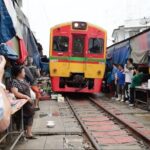
Bangkok’s palace and pagoda day that still makes sense
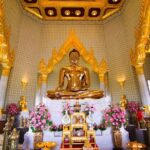
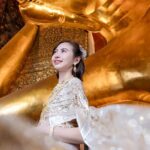
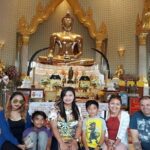
Your first full sightseeing day in Bangkok is built as an efficient loop, so you don’t waste time moving around the city aimlessly. It starts at Wat Traimit (Temple of the Golden Buddha), home to a big golden Buddha statue (about 5 meters tall). Next comes Wat Phra Chetuphon (Wat Pho), famous for the huge reclining Buddha (about 46 meters long).
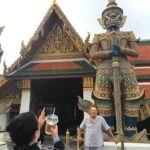
Then you step into the Grand Palace complex, followed by Wat Phra Kaew (Temple of the Emerald Buddha). These are the kind of sites where guided context helps, because the scale can feel overwhelming even when the details are stunning. You’re also visiting with the practical understanding that this is a working temple-palace area, not a theme park.
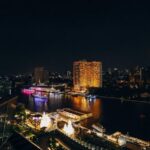
In the afternoon, the plan swaps land heat for a Chao Phraya River cruise. If you’ve ever tried to do Bangkok temples back-to-back, you know the cruise functions like a pressure release. You get a different view of the city, plus a bit of seated downtime.
The day finishes at Wat Arun (Temple of Dawn) with its tall pagoda (about 79 meters). It’s a great closer because you leave with a skyline image that feels distinctly Bangkok.
Practical tip: temples have a strict dress code. Plan for shoulders and knees to be covered for both men and women. Shorts and sleeveless tops can lead to refused entry, and that’s not a fun family moment.
Ayutthaya’s royal stops, then a flight day to Chiang Rai
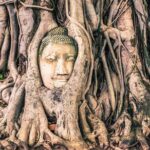
On day three, you leave the Bangkok rush and head to Ayutthaya, the ancient Siam capital that lasted for centuries. The first stop is Bang Pa In Palace, which gives you that “outside the city” feeling fast. It’s the sort of place where the setting helps you understand why this region mattered.
Next is Wat Niwet Thammaprawat, described as gothic inspired—an interesting contrast to what most people expect from Thai temple design. Then you’ll have lunch at a local specialty restaurant, and the meal timing is helpful because you’re switching from walking to driving again.
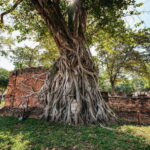
After lunch, you visit Wat Mahathat, one of the better-known Ayutthaya temple stops. From there the day pivots: you return toward Bangkok for a 1.5-hour flight to Chiang Rai, then check in at your hotel.
This is a “two different modes of travel” day: ruins and riverscape in the morning, then air-conditioned movement and a flight. For families, that usually works better than trying to do one more long overland leg when energy is fading.
Chiang Rai’s tea-country views and border-market energy
Chiang Rai on this plan isn’t only temples. It’s also landscapes and border-area life.
You start with Mae Salong, known for tea plantations and scenery. Even if you just spend part of the day driving and stopping for views, the atmosphere feels different from the central plains. It’s a good reset after Ayutthaya’s dense historical feel.
Then you head to Mae Sai, a market area on the Thai-Burmese border. This stop is less about monuments and more about how people live and trade in a border town. If you like snacks, street shopping, and quick photo moments, this kind of market stop tends to deliver.
After lunch, the plan takes you to the Golden Triangle, where borders of Myanmar, Laos, and Thailand meet. You’ll also visit Chiang Saen, with ruins and remains near the Mekong River.
One consideration: these are “road days.” You’re traveling and stopping in multiple places, so it helps to pack water and easy-to-wear layers. The weather can swing and walking comfort matters when you’re mixing market time with temple time.
The White Temple, hot springs, and Chiang Mai’s pagoda atmosphere
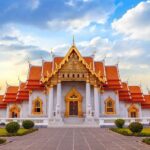
Day five shifts you toward Chiang Mai, but not before a strong Chiang Rai highlight. The day starts with Wat Rong Khun, the famous White Temple. Even if you’ve seen pictures, the real thing tends to feel more detailed than expected, and it’s one of those stops that makes the trip feel special.
Next is Mae Khachan Hot Spring for a short rest. It’s not positioned as a whole spa day, more like a pause to reset before continuing. For families, that kind of built-in break is valuable.
Then you move to Chiang Mai and begin temple touring with Wat Jed Yod, featuring a main stupa with seven spires. From there you visit Wat Suan Dok, known for more than 100 white pagodas and used as mausoleums for the Chiang Mai royal family.
The overall pacing on this day is smart: you get iconic sights plus a small decompression break before moving into the next region. You’ll also appreciate that your transport is handled, since Chiang Mai stops can be spread out.


Warorot Market, rickshaw streets, and Doi Suthep’s 306 steps
In Chiang Mai, the tour makes a deliberate switch from temples-only mornings to street-life + landmark days.
You start at Warorot Market (Kad Luang), an indoor market with strong Chinese community influences from long trade history. This is where the trip feels more everyday Thai, not just postcard views. It’s a good stop for families because it’s active and visually varied without requiring long, uninterrupted temple standing.
Then you get the exclusive rickshaw ride experience—a specially arranged ride designed to show the older streets and alleys you might miss on foot. The rickshaw portion is short, but it adds a sense of motion and local flavor.
After the market, you’ll see the Three Kings Monument, visit Wat Chedi Luang, and then Wat Phra Singh. The day ends at Wat Phra That Doi Suthep, with its 306 steps leading up to the main hall.
The steps matter. If anyone in your group struggles with stairs, you’ll want to take it seriously and decide ahead of time how you’ll handle it. The plan notes that you can climb the steps or use the options available on site, so you’re not stuck with one choice.
One more thoughtful detail: at Wat Chedi Luang, there’s a monk chat session offered daily from 9:00 to 17:00. That’s a rare chance to ask questions and understand daily Buddhist life through conversation, not just sightseeing.
Cooking class plus Phuket flight: the trip changes gears on day seven
Day seven is where the itinerary pivots from north-focused temple days to a more relaxed travel mood.
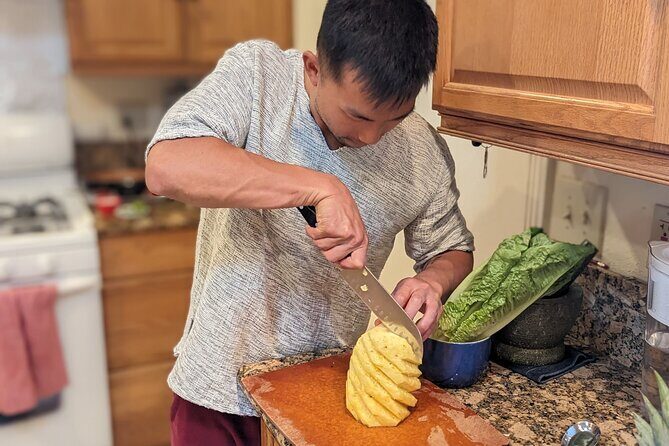
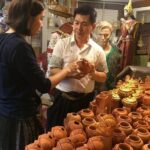
You start with a Thai Farm Cooking School class, described as a join-in class. The format matters here: a class that takes you through local ingredients and hands-on cooking gives kids and adults something active to do that doesn’t rely on long stair climbs.
After lunch time (timing varies based on the class flow), you head to the airport and take a 2-hour flight to Phuket. When you land, a local driver transfers you to your hotel in an air-conditioned car.
This is a smart transition day because it gives you both structure and release. You still have planned experiences in the morning, then you move into beach-time with minimal decision fatigue.
Two Phuket free days: how to use the room wisely
Days eight and nine are built as free time: you have about 8 hours each day to explore Phuket at your own pace. The tour doesn’t lock you into a tight schedule here, and that’s the point. This is where your family can choose the vibe.
If you want recovery time, you can keep it simple: sleep, swim, and light walking near your hotel. If you’re an active group, you can use the open hours to explore more widely, but keep expectations realistic about traffic and heat.
For families, two free days is usually better than one. You can adjust after day one of Phuket. Maybe the first day is mostly beach. Then you pick a different style the second day—market snacks, relaxed views, or an easy day outing.
Also, since you have included transfers earlier, check with your hotel front desk about how you’ll get around locally on your free days. The tour structure gives you flexibility, but you still need a plan for moving day-to-day.
Price and logistics: what you’re paying for (and what you’re not)
At $3,199 per person for 10 days, this is not a budget trip. But the price is easier to justify when you look at what’s included: domestic airfare between regions, selected hotels with daily breakfast, English-speaking guides, an air-conditioned vehicle with private/shared driver service, and entrance fees for the sights listed.
For families, the “value math” often comes down to stress reduction. When flights and transfers are handled, you spend less energy coordinating logistics and more energy enjoying the country. This itinerary is built to accomplish that with domestic flights timed across the route.
Here’s what’s not included:
- International flights into and out of Bangkok
- Personal expenses (laundry, phone, drinks, and the like)
- Tips for guides and drivers
- Travel insurance
- Thailand visa fees
- Festival or holiday peak season surcharges (if applicable)
Important detail for planning: the tour meeting point is in Bangkok at the Bangkok airport area, with a 9:00 am start. On arrival day, your guide meets you in the airport arrival hall and escorts you to your hotel by air-conditioned car.
You’ll also carry a mobile ticket, and the whole experience is private in the sense that only your group participates.
Who should book this Thailand family route?
I’d put this tour high on the list if your family wants a first-time Thailand highlight route: temples in Bangkok, Ayutthaya day, northern scenery around Chiang Rai and Chiang Mai, and then Phuket as your reward and recovery time.
This also fits well if you like having a plan. The itinerary is active and guided, with entrance fees handled and meals included, so you’re not constantly making decisions on the fly.
I’d think twice if your family struggles with long travel days or stair-heavy sites. The tour includes a famous 306-step climb at Doi Suthep and also follows a strict temple dress code. And the tour data states it’s not suitable for people over 80 years old.
One more note on comfort: one family highlight from a past trip was that the planning ran smoothly when working with the company ahead of time, including support from Wendy Lee. Another point of caution was that some guides can have a strong accent, which can make memorized explanations harder to follow. If you want clarity, ask questions often, not just at the end of a stop.
Should you book it?
If you want a single trip that covers Thailand’s big regions—fast and organized—this tour is a strong match. You’re buying convenience: domestic flights, hotels, entrance fees, English-speaking guides, and a thoughtful shift to Phuket free time.
If your top priority is downtime, this won’t feel like a spa vacation. It’s more like an efficient sightseeing relay, with Phuket providing the slower beat.
My suggestion: if your family fits the active style (and the dress code won’t be a deal-breaker), booking makes sense.
FAQ
Where do we meet in Bangkok and what time does the tour start?
The tour starts at 9:00 am with a meeting point at Bangkok Intl Airport (listed meeting point: 999 Bangna – Trad Road, Racha Thewa Subdistrict, Bang Phli District, Bangkok 10540 Thailand).
Are flights between Thailand cities included?
Yes. The included airfare covers Bangkok to Chiang Rai, Chiang Mai to Phuket, and Phuket to Bangkok (economy class).
Are hotel breakfasts, lunches, and entrance fees included?
Accommodation includes daily breakfast at selected hotels, and the tour includes entrance fees for the sights listed. It also includes breakfast (9) and lunch (5).
What dress code is required for temple visits?
You need to be properly dressed: no shorts or sleeveless tops, and knees and shoulders must be covered for both men and women. Not following the dress code can result in refused entry.
Is this tour private for my family?
Yes. It’s described as a private tour/activity, meaning only your group participates.
Is the tour refundable if I cancel?
No. The experience is non-refundable and cannot be changed for any reason. If you cancel or request an amendment, the amount paid is not refunded.