REVIEW · SAMUT PRAKAN
Samut Prakan: The Erawan Museum Admission Ticket (NON THAI)
Book on GetYourGuide →Operated by OTO TRIP SERVICE CO., LTD · Bookable on GetYourGuide
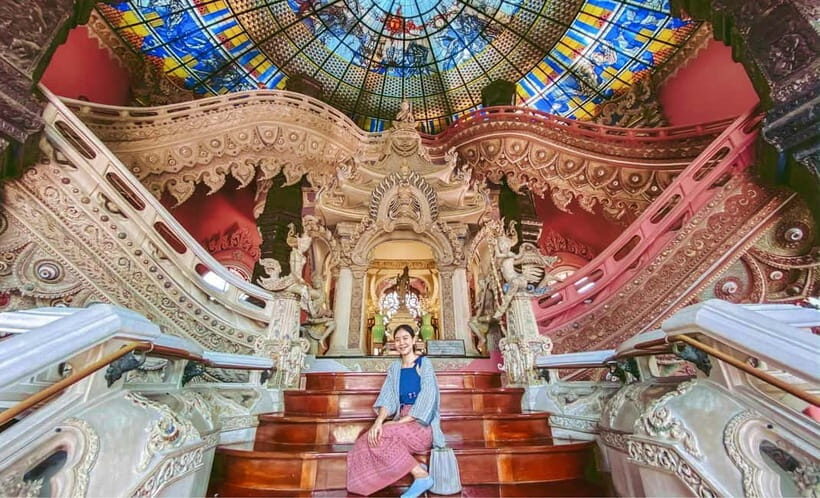
Step into a myth you can walk through. The Erawan Museum in Samut Prakan turns Hindu legend into a real building you can explore for 8 hours. I like that the star is the massive three-headed bronze elephant, and you’re not stuck in one room. You also move through three big sections, Underworld, Earth, and Heaven, with lots of spots that make photo taking feel natural instead of forced.
I also really like the story behind the museum. It’s tied to antique collector Lek Viriyapant, the design that reflects Airavata and Indra’s mythology, and even the detail that the elephant stands on a sphere meant to symbolize Earth. The main drawback to plan around is that you have to follow the rules closely, including dress code limits and no food or drinks inside.
In This Review
- Key things to know before you go
- Erawan Museum in Samut Prakan: what the three-headed elephant really is
- Getting there with BTS and a free shuttle tuk-tuk
- Ticket value: $12 that includes offerings, taxes, and 8 hours
- How to pace your visit through Underworld, Earth, and Heaven
- Underworld: start by setting the mood
- Earth: the zone that makes the symbolism feel grounded
- Heaven: finish strong with the most uplifting visuals
- Photo opportunities inside and outside, with smart limits
- Quick photo strategy that actually helps
- Rules that can affect your experience (dress, food, and pets)
- Included extras: flowers, incense, and lotus flower
- Timing: why 8 hours feels more relaxed than you’d expect
- Who this ticket suits best
- Should you book the non-Thai Erawan Museum ticket?
- FAQ
- How long is the Erawan Museum admission ticket valid?
- What does the ticket cost for non-Thai visitors?
- Is this admission tied to a specific date and time?
- What is included with admission?
- Are transfers included in the ticket?
- Can I skip the ticket line?
- What’s the easiest way to reach the museum?
- What clothing is not allowed?
- Can I bring food, drinks, or pets?
- Is there a cancellation option and how does it work?
Key things to know before you go
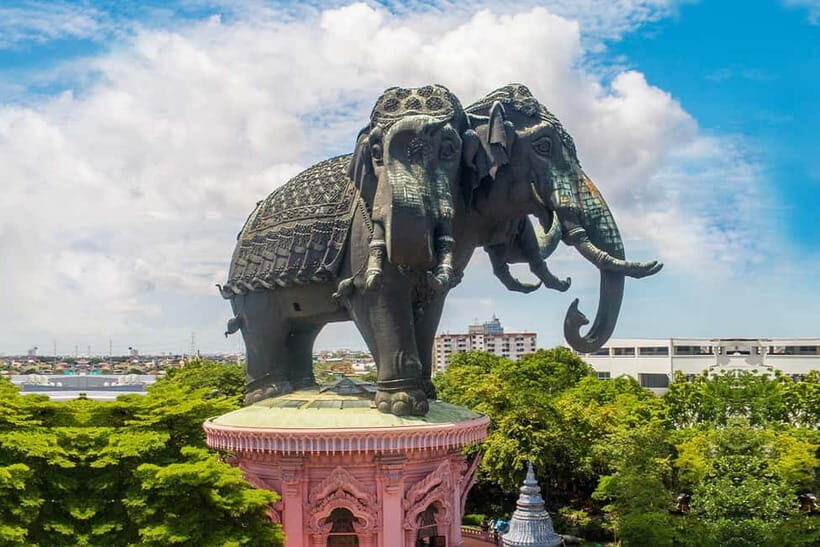
- Three-headed elephant first impression: It sets the tone fast and gives you the most memorable photos early.
- Three zones, not one show: Underworld, Earth, and Heaven help you structure your time.
- Sacred offerings included: Flowers, incense, and a lotus flower are part of the experience.
- Built from a collector’s mission: The museum exists to preserve sacred objects and heritage for future generations.
- Photo opportunities both inside and outside: It’s designed for pictures, with clear limits on commercial use.
Erawan Museum in Samut Prakan: what the three-headed elephant really is
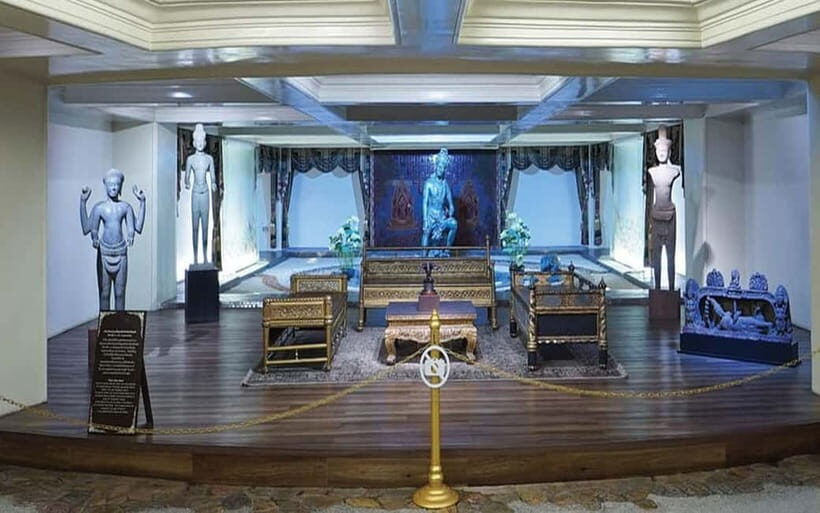
The Erawan Museum isn’t just an attraction with a cool statue. The three-headed elephant is based on Airavata, a mythological figure in Hindu tradition. The idea is that it acts as the vehicle of God Indra, which helps explain why the museum feels like a temple-adjacent place even though it’s also a museum.
What I find especially interesting is the symbolism built into the structure. The elephant isn’t floating on vibes alone. It’s designed to stand on a sphere, like a globe, meant to represent protection of the Earth. That sphere detail matters because it reinforces the museum theme: you’re not only looking at art, you’re moving through a kind of cosmos, with sacred objects placed inside that story-world.
The museum was created by well-known antique collector Lek Viriyapant, with the blueprint later handed to his son, Pagpean Viriyapant, for construction. Even before the building work was finished, people came to worship the massive symbol and the sacred objects tied to his collection. Lek and Pagpean Viriyapant passed away before completion, but the family carried on the mission so the collection and cultural meaning would live on for the next generation.
That background helps you see the museum differently. If you come expecting only decorative displays, it can feel like an overbuilt photo stop. If you come curious about why someone would dedicate a whole museum to preserving antiques tied to sacred blessing and prosperity, the building clicks.
You can also read our reviews of more tours and experiences in Samut Prakan
Getting there with BTS and a free shuttle tuk-tuk
You’ll get to the museum area easiest using the BTS Skytrain Greenline. Your key stop is Chang Erawan Station (E17). From there, use Exit 2, and you’ll find a free pick-up shuttle tuk-tuk that runs every day.
Since transfers are listed as not included, plan to handle the last leg yourself. The upside is that this route keeps things straightforward: BTS gets you close, and the shuttle handles the short move to the museum.
If you’re trying to time your arrival, remember this is tied to a specific date and time after you booked. Showing up early usually helps with getting oriented, but don’t assume you can walk in on any schedule you like.
Ticket value: $12 that includes offerings, taxes, and 8 hours
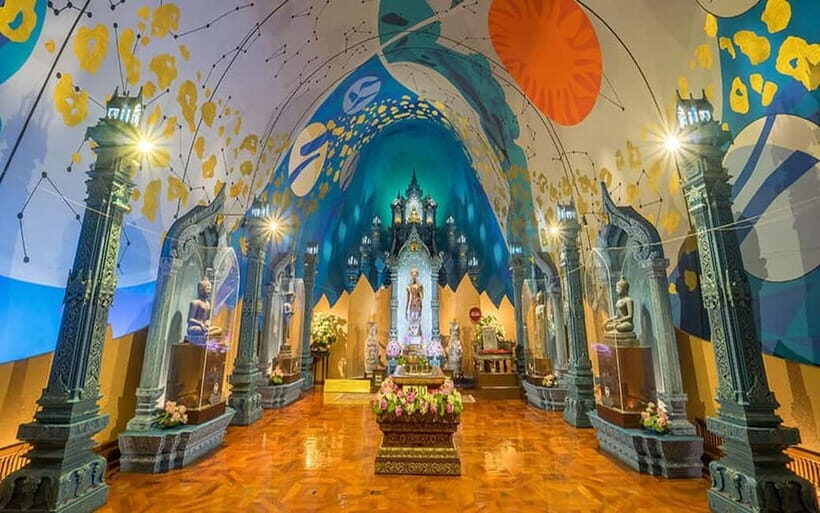
At about $12 per person for a non-Thai ticket, this is one of those low-cost attractions where the price mainly covers access and basic support. And the “small extras” add up.
Here’s what’s included:
- Admission to the Erawan Museum
- Flowers, incense, and a lotus flower
- Access to any area surrounding the museum
- All taxes and fees
That means you’re not paying extra for the typical on-site add-ons people end up buying at the last minute. The included incense and lotus flower also support the museum’s spiritual vibe, so you don’t just browse—you participate in a small ritual element that fits the place.
The other value piece is time. You get 8 hours, which is generous for a self-paced museum. You can rush for photos and highlights, or you can slow down and actually read and look.
The non-value part: transfers aren’t included, so don’t assume everything from your hotel is handled. If you’re staying far from BTS, you’ll want to budget time for the BTS + shuttle plan.
How to pace your visit through Underworld, Earth, and Heaven
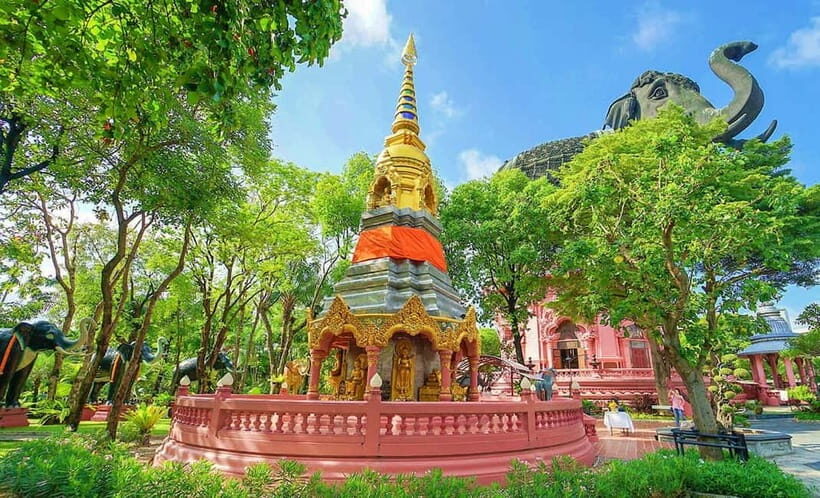
You’re visiting three sections: Underworld, Earth, and Heaven. Even without a formal guided script, the museum design gives you a natural route. Think of it like three chapters of the same theme—each one shapes the mood and your photo opportunities.
Because the elephant symbolism centers on protecting Earth and housing valuable sacred objects, the order of areas helps you feel the “world-building” effect. You’re not wandering randomly; you’re moving through themed space.
Underworld: start by setting the mood
The Underworld section is where the museum leans into darkness-and-depth energy. Expect it to feel more dramatic in tone and visuals than a standard gallery. This is a good first stop because it helps you adjust your eye to the museum’s style.
Practical tip: take a few steady photos early, but avoid slowing the flow in busy spots. The museum asks for quiet and respectful behavior, and you’ll usually get a calmer experience if you treat it like a place that asks for attention, not just selfies.
Earth: the zone that makes the symbolism feel grounded
The Earth area is the center of gravity, literally in theme. This is where the museum’s idea of Earth protection and sacred objects becomes easiest to understand. If you’re the type who likes meaning behind what you’re seeing, this section is where your brain can connect the dots.
I like Earth as a mid-visit stop because you can balance the emotional tone. Underworld feels weightier. Heaven often reads as uplifting. Earth sits between, which makes your pacing more comfortable if you’re visiting longer than a couple hours.
Heaven: finish strong with the most uplifting visuals
Heaven is the payoff zone. Even if you don’t know the mythology details, the design tends to feel more expansive and lighter in tone. It’s also a great place to make your last photo run because you’ll be warmed up to the museum’s layout by then.
If you care about getting good shots, give yourself time at the end. People often slow down as they get near the exit, and having your “final photos” planned means you won’t end up rushing out of the best areas.
Photo opportunities inside and outside, with smart limits
The museum is set up for photos. You’ll find plenty of photo opportunities in the interior and exterior areas, including obvious “everyone will photograph this” points around the three-headed elephant.
But the photo rules matter:
- Taking pictures or videos for commercial purposes is not permitted inside the museum.
That doesn’t stop casual photography for personal memories, but it does mean you should avoid anything that looks like a paid shoot. If you’re using a tripod for serious filming or staging, it’s safer to keep it low-key.
Also, don’t forget the human side. The museum asks visitors to be quiet and respectful. If you treat it like a temple-adjacent cultural space, you’ll get better atmosphere and fewer awkward moments.
Quick photo strategy that actually helps
- Get your elephant shots early and then move through the three sections.
- Return to any area with good light, but don’t block the main path.
- Keep an eye on your clothes and comfort: you’ll want to move between spaces without overheating.
Rules that can affect your experience (dress, food, and pets)
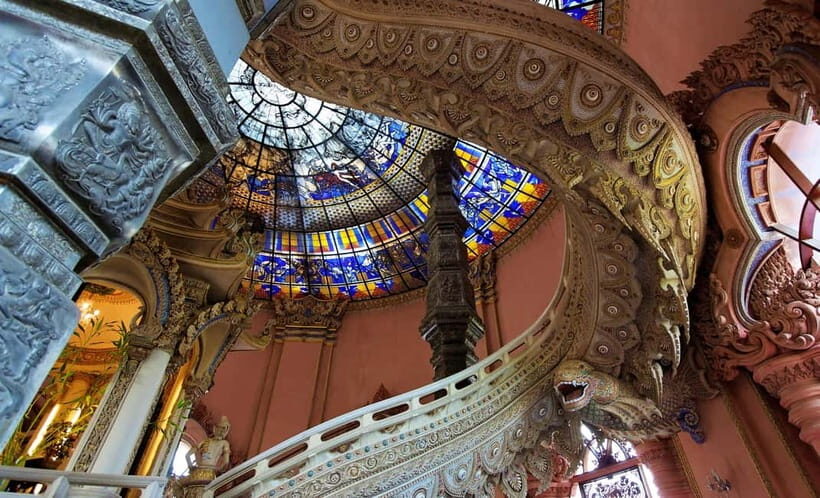
These are the kinds of rules that can make or break your day, because they’re easy to break by accident when you’re traveling in hot weather.
Not allowed:
- Pets
- Shorts
- Short skirts
- Sleeveless shirts
- Food and drinks
- Alcohol and drugs
So if you arrive in a tank top or casual shorts, you might need a quick workaround before entering. Plan clothing that covers your shoulders and keeps your legs comfortably covered. This is a museum, but it also works like a cultural site with specific modesty expectations.
Food and drinks being forbidden inside is another real-world consideration. Bring a plan for hydration outside. If you tend to snack while you browse, you’ll want to adjust your rhythm. The good news is that the ticket also includes access to areas surrounding the museum, so you can step out for breaks.
Finally, pets aren’t allowed. If you’re traveling with an animal, rethink the trip format.
Included extras: flowers, incense, and lotus flower
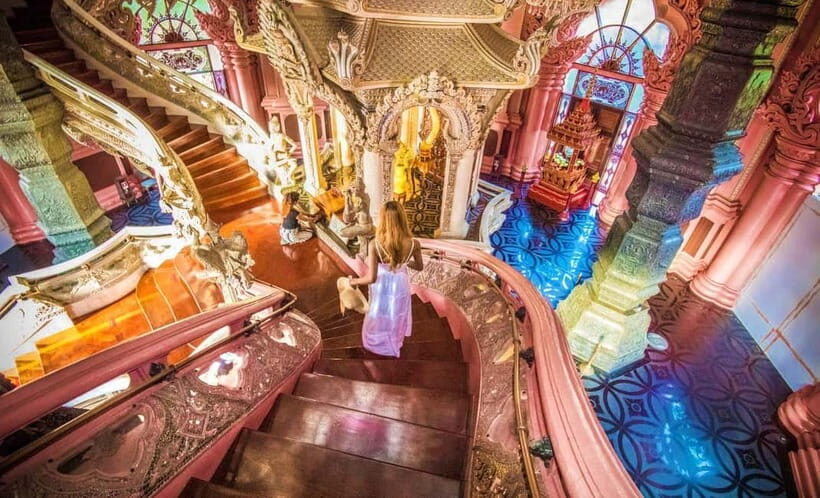
One of the more memorable parts of this ticket is that the museum provides flowers, incense, and a lotus flower along with admission. It turns the visit into something closer to participating in the atmosphere rather than only observing it.
You’re not just walking around objects; you’re doing the small symbolic actions that match the museum’s purpose. And since the museum was built to preserve sacred items tied to blessing and prosperity, those included offerings feel like the right kind of touch.
Don’t overthink it. Just treat it as part of the flow once you’re inside, and follow what staff suggest for how to use the offerings respectfully.
Timing: why 8 hours feels more relaxed than you’d expect
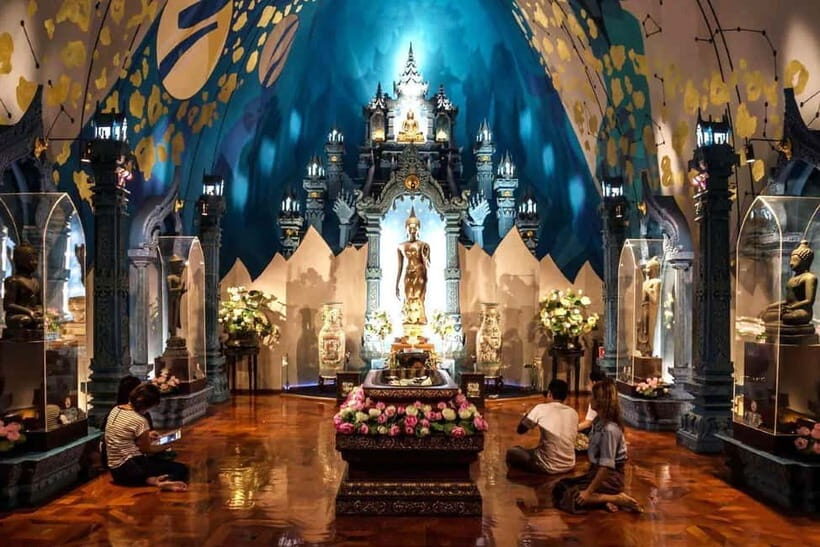
An 8-hour window sounds long for a single museum ticket, but it works well here because you’re not only looking at one set of displays. You’re moving through three sections with different moods and photo opportunities, plus time to wander around the surrounding areas.
This is also a place where you might want to pause and read symbolism instead of sprinting to the next room. If you’re traveling with someone who likes photos and someone else who wants meaning, the long time helps the split feel fair.
If you only have a couple hours, you can still make it work. You’ll just miss some of the calmer moments that come from slow looking and a few “return visits” to the elephant area for better angles.
Who this ticket suits best
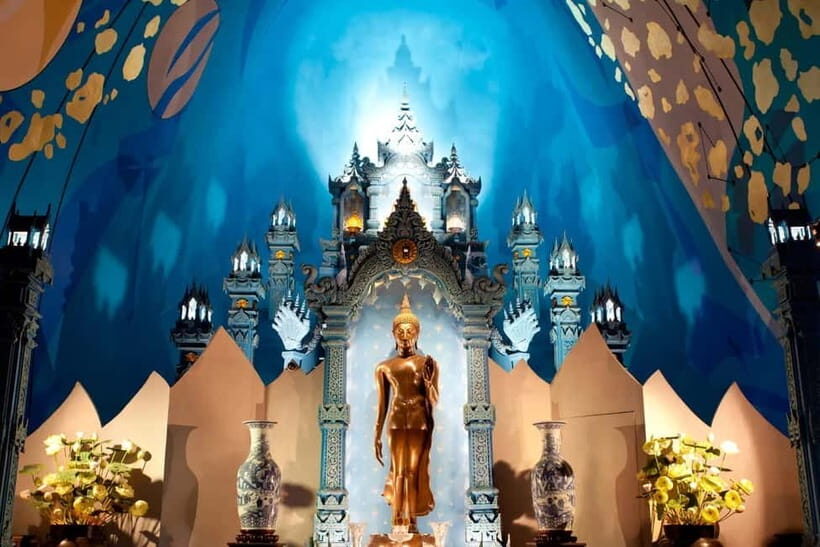
This ticket is a great fit if you:
- Want a cultural stop that mixes myth symbolism with real objects
- Like museums where photos are natural, not tacked on
- Prefer flexible time over tightly scheduled tours
- Are comfortable following a modest dress code and no-food rules
It may feel less ideal if:
- You hate rules on clothing or dislike places where quiet and respect are expected
- You planned to eat on-site as you explore
- You’re looking for a standard art museum vibe only, without the temple-like behavior
Should you book the non-Thai Erawan Museum ticket?
I’d book it if you want solid value with a long visit window and a museum layout that supports both photography and meaning. The included flowers, incense, and lotus flower add a small but real layer to the experience, and the three zones make it easy to pace yourself instead of rushing.
I’d hesitate if you’re arriving in outfits that don’t meet the modest dress requirements. Also, since food and drinks aren’t allowed inside, plan breaks outside so you don’t feel stuck.
If you’re in the Samut Prakan area (or you’re using BTS to reach it), this is one of those tickets that makes sense as a day plan: start with the elephant, then take your time through Underworld, Earth, and Heaven.
FAQ
How long is the Erawan Museum admission ticket valid?
The ticket is valid for 8 hours.
What does the ticket cost for non-Thai visitors?
The price is $12 per person.
Is this admission tied to a specific date and time?
Yes. You can only visit the Erawan Museum on the specified date and time after you booked.
What is included with admission?
Admission includes flowers, incense, and a lotus flower, plus access to areas surrounding the museum, with all taxes and fees included.
Are transfers included in the ticket?
No, transfers are not included.
Can I skip the ticket line?
Yes, this activity includes skipping the ticket line.
What’s the easiest way to reach the museum?
Use BTS Skytrain Greenline and exit at Chang Erawan Station (E17) Exit 2. There is free pick-up by shuttle tuk-tuk every day.
What clothing is not allowed?
Shorts, short skirts, and sleeveless shirts are not allowed. You should dress modestly.
Can I bring food, drinks, or pets?
Food and drinks are not permitted, and pets are not permitted.
Is there a cancellation option and how does it work?
You can cancel up to 24 hours in advance for a full refund.
![Top 3 Bangkok Temples: Multilingual Private Tour [EN,ES,DE,IT,FR] - Wat Pho and the UNESCO Memory of the World Reclining Buddha](https://b.exploringbangkok.com/wp-content/uploads/top-3-bangkok-temples-multilingual-private-tour-enesdeitfr.jpg)