REVIEW · BANGKOK
The Erawan Museum: A Cultural Treasure in Bangkok
Book on Viator →Operated by I Asia Thailand · Bookable on Viator
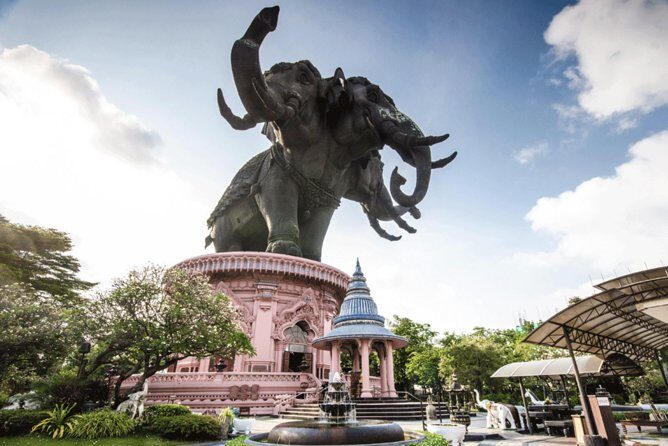
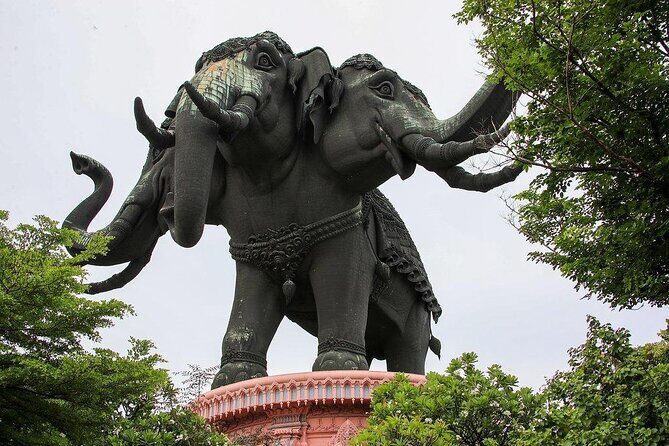
Three heads on one museum roof.
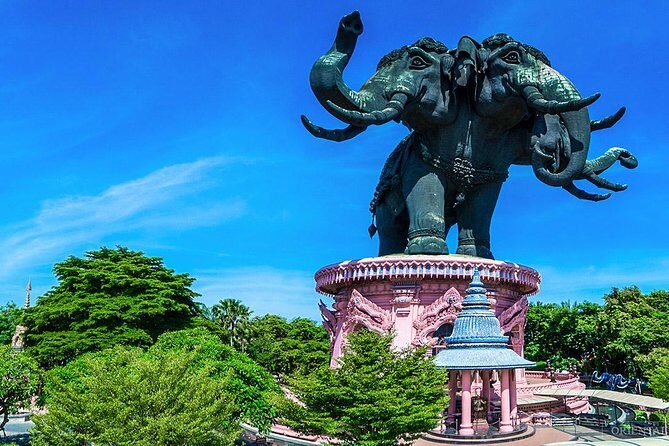
The Erawan Museum is built around a massive three-headed elephant statue, and the whole place feels designed like a living map of Thai belief. Inside, you move through three levels that echo the underworld, earth, and heaven, with ornate art and religious relics that make it more than a quick photo stop.
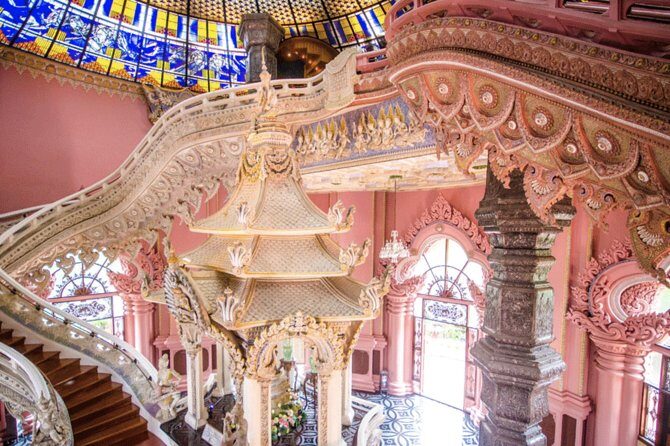
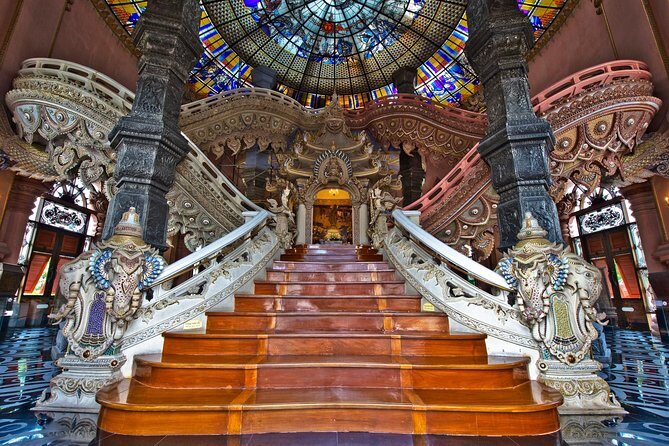
I also really like the museum’s fabulous staircase and the way the space pulls your eyes upward. Add the lush garden grounds around the building, and you get a calmer pace than most big city attractions.
One thing to plan for: the museum can get busy, and crowds can make photos tricky at peak times. If you’re sensitive to lines, or you want clean shots without people in the frame, aim for earlier in the day.
In This Review
- Key Things to Know Before You Go
- Why the Erawan Museum Feels Like a Real Cultural Experience
- Seeing the Three-Headed Elephant and the Garden Grounds
- Inside the Museum: Underworld, Earth, and Heaven
- The Staircase Moment (Yes, It’s a Big Deal)
- Your Visit Timing: Quick 30 Minutes or a Longer Stroll
- Tickets and What’s Included (And Why It Matters)
- How to Get There From Bangkok (BTS Makes It Simple)
- Crowds, Photos, and How to Avoid the Frustration
- Is There Enough Here for You?
- Should You Book the Erawan Museum?
- FAQ
- FAQ
- How long does the Erawan Museum visit take?
- What are the opening hours?
- Is the ticket a mobile ticket?
- What is included in the ticket price?
- Is an audio guide available in multiple languages?
- Can locals visit, or is it foreigners only?
- Where is the museum and how do I get there?
- Do I need to pay extra donations?
- What happens if I cancel?
- Is the visit suitable for most people?
Key Things to Know Before You Go
- Elephant-on-top architecture: the three-headed elephant dominates the whole experience from the outside in
- Three-level spiritual design: underworld to earth to heaven, with religious art and relics in each space
- Staircase that earns your time: you’ll want to look up and walk slowly to appreciate the structure
- Gardens with elephant models: extra time outdoors makes the visit feel complete
- Easy BTS access: take the Skytrain to Chang Erawan Station, then walk about 5–10 minutes
- A quick visit becomes meaningful: the audio guide is designed for about 30 minutes of focused exploring
Why the Erawan Museum Feels Like a Real Cultural Experience
This museum works because it doesn’t act like a typical box of artifacts. The building itself is the centerpiece, shaped like a grand elephant idea and topped with a giant three-headed statue that looks unreal until you’re standing under it.
The inside layout gives you a clear sense of place. You’re not just wandering room-to-room. You’re moving through underworld, earth, and heaven, and each level is decorated with religious-themed art and items meant to connect you with Thai spiritual and cultural traditions.
If you like museums that feel intentional—where architecture supports meaning—you’ll probably enjoy this more than you expect. Even if you only have an hour, the design helps you make sense of what you’re seeing without needing a guide holding your hand.
You can also read our reviews of more museum experiences in Bangkok



Seeing the Three-Headed Elephant and the Garden Grounds

Start outside, because the museum’s big star is obvious: the three-headed elephant sitting on top of the structure. Photos can show the shape, but the real size lands differently in person. When people say you have to see it to believe it, they’re not exaggerating.
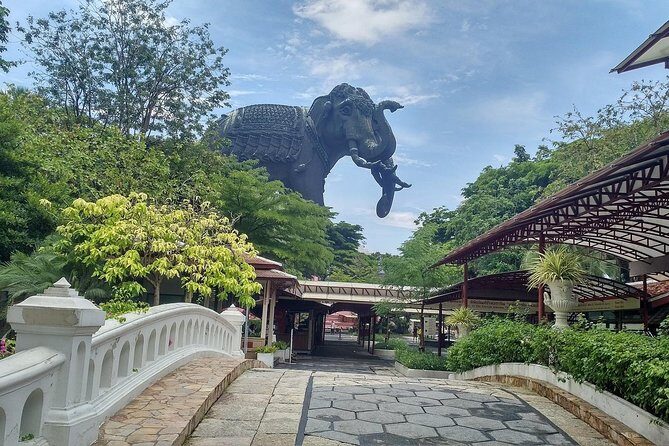
Then shift to the grounds. The surrounding garden area adds a soft, slow break from Bangkok traffic energy. You’ll find model elephant figures around the property, which makes the place feel like you’re stepping into a themed courtyard, not just entering a ticket gate.
I like that the grounds give you an easy “reset” if you’re traveling with kids, older relatives, or anyone who gets tired of long indoor rooms. You can do the main interior in one focused chunk, then spend extra time outside if your schedule allows.
Inside the Museum: Underworld, Earth, and Heaven

Once you’re inside, plan to move upward mentally as well as physically. The museum is organized into three levels that correspond to underworld, earth, and heaven.
What makes this more interesting than a generic “look around” museum is the way the theme stays consistent. Each level has distinct decorative style and religious art elements, so your visit feels like a guided journey—even when you’re walking at your own pace.
The museum also houses a broad collection of Thai-related items, including Thai antiques, ancient artifacts, and revered Buddhist statues. That mix matters. It means you’re not only seeing one type of object or one historical era. You get a fuller sense of what Thailand chooses to honor and preserve through art and religious representation.
If you’re the type who likes to read signage and pause for details, you may naturally spend longer. If you’re not, the audio guide helps you still get the point without turning the visit into a homework assignment.
The Staircase Moment (Yes, It’s a Big Deal)
I’d build your schedule around the staircase. It’s one of those features that changes how the whole place feels. Instead of standing still and taking flat photos, you’re encouraged to move through the structure and look for perspectives.
A big practical tip: treat the staircase as your “first big landmark.” Get your bearings early, then decide how fast you want to go for the rest of the floors. If you chase photos first and explore later, crowds can make it frustrating. If you explore the structure early, you can come back for better angles once you understand the flow.
Also, don’t rush your upward stops. The museum’s design rewards slow glances because the art and the architecture are connected. You don’t just see objects—you see them placed into a meaningful setting.
Your Visit Timing: Quick 30 Minutes or a Longer Stroll
The suggested time spent here is about 30 minutes with the audio guide. That’s a great target if you’re juggling other Bangkok plans.
But the listed duration ranges from about 30 minutes up to 10 hours. So the museum clearly supports a range of traveler styles:
- quick entry with audio guidance
- slower walking while you check levels carefully
- extra time to linger outdoors in the garden areas
Since the museum opens daily from 9:00 AM to 7:00 PM, you’ve got options. A later afternoon visit can feel nice if you want daytime sightseeing without getting up too early. Just remember that museums tend to peak when tour buses arrive.
One more timing note: the museum experience is mostly indoor, and the transit getting there is mostly Skytrain + short walk. You’ll probably feel comfortable with a simple plan and a little flexibility.





Tickets and What’s Included (And Why It Matters)
The ticket price is listed at $16.21 per person, and it’s booked on average about 19 days in advance. For a cultural site with a large building, multiple floors, and an audio guide setup, I think it’s priced reasonably—especially because the ticket includes more than just entry.
Here’s what’s included:
- Entry ticket to the Erawan Museum (foreigners only)
- Audio guide device service (English, Chinese) and the experience overview also references availability across five languages: English, Chinese, Russian, Thai, and Korean
- Flower, incense sticks, and lotus for floating in water
That last part is important for value. Many museum tickets focus only on artifacts. This one adds a small ritual-style touch with the items provided for a water-floating moment.
Not included items are straightforward:
- Transportation to and from the museum
- Any optional donations
- Personal expenses
If you’re the type who hates paying for extras after you arrive, the included audio guide and the ritual set are real perks.
How to Get There From Bangkok (BTS Makes It Simple)
You don’t have to treat this as a complicated day trip. The museum is near public transportation.
My favorite simple route:
1) Take the BTS Skytrain to Chang Erawan Station
2) Walk about 5–10 minutes
That short walk is a big deal because it keeps you from getting stuck waiting for traffic or dealing with a long transfer. It also helps if you’re on a schedule and don’t want to gamble on road conditions.
Practical note: the BTS can feel quite cold because of air conditioning. If you run warm, you might be fine. If you’re prone to chills, bring something light.
Crowds, Photos, and How to Avoid the Frustration
This museum can attract tour groups, and that can affect your experience. One downside you should plan for is that the place may get crowded, which can make certain photo angles hard.
Instead of fighting it, use smart timing:
- If you care about photos, go earlier in your visit window
- Focus on the outside elephant and the staircase first when people are still spreading out
- For indoor shots, choose moments when you can pause without blocking views
Also, don’t expect a photo to capture the scale correctly. The museum is big, and the structure’s size is part of the appeal. If you can, step back for a full-building view before you start close-ups.
Is There Enough Here for You?
This works best if you enjoy:
- architecture that tells a story
- religious art, statues, and Thai cultural artifacts
- a museum with a calm garden space around it
It’s also a good fit if you want something meaningful during the day without committing to a whole multi-stop tour. The museum is open until 7:00 PM, so it can slot nicely into an afternoon or early evening.
You might want to rethink it if:
- you strongly dislike crowds
- you want a very fast museum with no audio or ritual elements
- you’re only interested in one type of object and nothing else
And if your day includes other nearby attractions, keep expectations flexible. One nearby museum option can feel dim and less comfortable than the Erawan Museum’s brighter open areas, so plan your mood accordingly.
Should You Book the Erawan Museum?
Yes, if you want a cultural stop that feels more like an experience than a standard museum. The three-headed elephant is the obvious hook, but the interior structure and the underworld-to-heaven layout make it worth your time even if you only do the recommended 30-minute audio-guided pace.
If you hate crowds or need perfect photo conditions, go early, be strategic with angles, and keep your expectations realistic. The museum can be busy, but it’s still special because the building is doing most of the storytelling for you.
FAQ
FAQ
How long does the Erawan Museum visit take?
The experience duration is listed as approximately 30 minutes to 10 hours. The audio guide is suggested for about 30 minutes.
What are the opening hours?
The museum is open daily from 9:00 AM to 7:00 PM.
Is the ticket a mobile ticket?
Yes, this experience uses a mobile ticket.
What is included in the ticket price?
The entry ticket for foreigners is included, along with an audio guide device service (English, Chinese). The experience also includes flower, incense sticks, and a lotus for floating in water.
Is an audio guide available in multiple languages?
The audio guide is referenced as being available in five languages: English, Chinese, Russian, Thai, and Korean.
Can locals visit, or is it foreigners only?
The entry ticket included is for foreigners only.
Where is the museum and how do I get there?
It’s in Samut Prakan Province, near public transportation. You can take the BTS Skytrain to Chang Erawan Station and walk about 5–10 minutes.
Do I need to pay extra donations?
Donations are optional, not required.
What happens if I cancel?
This experience is non-refundable and cannot be changed for any reason.
Is the visit suitable for most people?
The experience lists that most travelers can participate.