REVIEW · BANGKOK
Train trip death railway Bridge on river Kwai from Bangkok to Kanchanaburi trip
Book on Viator →Operated by Trip Thai Tour · Bookable on Viator
Death Railway has a way of sticking with you.
I like how this day strings together the key sights in Kanchanaburi without feeling rushed: the POW cemetery, the JEATH museum, a walk on the River Kwai Bridge, and then an actual train ride along the old route. I also like the comfort of a hotel-city pickup and a small group size (max 10), which helps the morning feel organized. One thing to consider: it’s an early 6:00 am start and the subject matter is heavy, so you’ll want to pace yourself.
You’ll head west from Bangkok to Kanchanaburi for a full stretch of WWII-focused stops, plus lunch. I’m especially glad there’s time to understand what you’re seeing before you step onto the bridge and onto the train. If your tolerance for long days is low, plan for a tiring day—about 10 hours total.
In This Review
- Key highlights at a glance
- The early 6:00 am start: getting from Bangkok on the clock
- Kanchanaburi War Cemetery at 9:10: a sober first stop
- JEATH War Museum at 10:00: context before you step onto the bridge
- River Kwai Bridge: the walk-through moment
- The Death Railway train ride: a sightseeing route with real weight
- Lunch at around 13:45: refuel without breaking the storyline
- The pacing back to Bangkok by 15:00
- Price and value: why this costs about $80.67
- Guides and on-the-ground organization: what to watch for
- Who should book this Death Railway day trip (and who should skip it)
- Is this Bangkok to Kanchanaburi Death Railway tour worth booking?
- FAQ
- What time does pickup start?
- How long is the tour?
- What stops are included?
- Is admission included for the war cemetery and museum?
- Is lunch included?
- Is hotel pickup included?
- Is the train ride included?
- How big is the group?
- What payment format is used?
- Can I cancel for a full refund?
Key highlights at a glance
- Small group limit (up to 10) for a more controlled, calmer day
- Hotel pickup starting 6:00 am so you’re not spending the day figuring out transport
- Kanchanaburi War Cemetery visit included with admission, timed at about 50 minutes
- JEATH War Museum included, great as a quick on-ramp before the bridge and railway
- River Kwai Bridge + Death Railway train ride included as the emotional core of the trip
- Lunch included (many people enjoy it with river views)
The early 6:00 am start: getting from Bangkok on the clock
This tour is built around a very specific rhythm: pickup begins at 6:00 am from Bangkok city-area hotels. By 9:10 am, you’re already at the war cemetery, which means you’re not burning half the day just traveling.
For you, that timing matters. If you’re the type who likes to “do things properly” instead of sprinting, this schedule gives you a sequence: learn first, then walk, then ride. You’ll also find it’s easier to handle the day if you eat breakfast before pickup and bring water.
One practical note: because the day is timed to the minute, you’ll want to be ready at the pickup spot on the dot. Even small delays can ripple through the rest of the stops.
You can also read our reviews of more tours and experiences in Bangkok.


Kanchanaburi War Cemetery at 9:10: a sober first stop
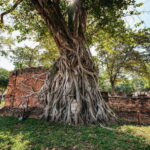
Your first named stop is the Kanchanaburi War Cemetery (also known locally as Don-Rak War Cemetery). It’s described as the main POW cemetery for victims of Japanese imprisonment while building the Burma Railway.
I like starting here. It gives you a human baseline before you see landmarks and train tracks. You’re not just collecting photos; you’re grounding the day in names, loss, and the scale of forced labor connected to the railway story.
This stop runs about 50 minutes, and admission is included. That’s a good length: long enough to actually pay attention, not so long that you feel mentally drained before the rest of the day.
JEATH War Museum at 10:00: context before you step onto the bridge
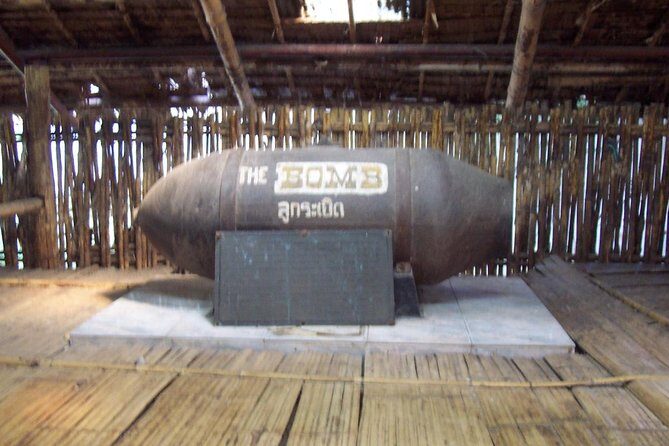
After the cemetery, you head to the JEATH War Museum, timed at about 30 minutes with admission included.
The museum focuses on the Death Railway built from 1942 to 1943, using Allied POW labor under Japanese direction, as part of the Thai-Burma railways. Even if you’ve read a bit already, this stop helps you connect the dots fast: who built it, when it was built, and why the route matters.
I think this museum is especially useful if WWII details aren’t your strength. It’s not trying to be a college lecture; it’s more like a structured primer that prepares your eyes for what comes next.
Drawback to keep in mind: 30 minutes is tight. If you’re the type who likes to read every sign slowly, you might wish you had more time here. Still, the museum does its job: it gets you ready for the bridge and the train.
River Kwai Bridge: the walk-through moment
Around 10:40 am, you’ll walk along the Bridge Over the River Kwai. Then you transition to the train shortly after (the schedule places the train ride at about 11:10 am).
This is the emotional hinge of the day. From the bridge, you understand why this section of route caught the world’s attention—crossing a major river while moving people and materials through difficult terrain. It’s also a place where the visuals and the history collide, which can feel intense.
Your tour gives about two hours associated with the River Kwai Bridge block, which likely includes time walking and taking in the area before the train. I’d treat it as your chance to slow down. Pause and look before you start filming everything—this is one of those sights where your brain needs a moment to catch up.
The Death Railway train ride: a sightseeing route with real weight
At roughly 11:10 am, you take the train trip along the Death Railway, described as a countryside sightseeing segment.
This is a big part of why people book the tour. A museum can inform you; a train ride can make the route feel immediate. You’re traveling through the same kinds of corridors that shaped the railway’s role during WWII—even if the atmosphere today is different from what people endured back then.
Because the schedule holds the train ride as part of the core flow, you’ll want to sit back and watch. Look for how the scenery changes and how the train moves through the region. Try to balance it: enjoy the motion, but keep the context in your head from the cemetery and museum.
One practical tip: trains can get warm or cool depending on the carriage and weather. Layering helps, even in Thailand. And yes, bring your camera plans—but leave space for looking without a screen.

Lunch at around 13:45: refuel without breaking the storyline
Lunch is included at about 13:45, served at a restaurant. The day doesn’t throw you into a long lunch break; it’s designed so you eat, recharge, and still make it back to Bangkok at 15:00.
I like that lunch is part of the package because it prevents the classic problem of tour days: you end up spending mental energy hunting food instead of absorbing the experience. Plus, at least some departures include a buffet and people have called out having nice views over the river while eating.
Keep in mind this is still a long day. Go for something filling, hydrate, and try not to overdo spicy dishes if you know you’ll be on the move afterward.
The pacing back to Bangkok by 15:00
You depart the restaurant for Bangkok at 15:00. That puts the full experience at around 10 hours total.
For you, this matters because you’ll likely want a simple evening plan after you get back. Think early dinner, no big plans, and a little time to process what you saw. This is one of those trips where the photos won’t explain everything. Your brain will want a quiet moment.
Price and value: why this costs about $80.67
At $80.67 per person, this tour sits in a mid-priced day-trip range for Bangkok. What helps the value is what’s bundled:
- hotel-city pickup
- admission included for the war cemetery and JEATH War Museum
- the River Kwai Bridge walking component
- the Death Railway train ride
- lunch at the restaurant
- and a small group size (max 10), which often improves logistics
If you were to piece this together on your own—transport, separate admissions, and coordinating train timing—you’d likely spend more than you expect, especially on a day that runs on a strict schedule.
There is one “value trade-off” to consider: because the day is packed, it’s not built for slow travel. You’re paying for structure and convenience. If you want open-ended time in each stop, you might feel constrained.
Guides and on-the-ground organization: what to watch for
The tour is operated by Trip Thai Tour, and the experience includes a guide.
One thing that stood out in the better outcomes is how much the guide can shape the day. For example, a guide named Rach was praised for lots of information and being quite helpful. When a guide does this well, your experience feels clearer and more meaningful—especially at the cemetery and museum.
Still, no group tour is perfect. Some people have flagged issues like the bus condition and driver quality on at least one occasion, and one departure described a messy change in guides. Those sound like exceptions, but they’re reminders to keep expectations realistic.
My advice: treat the day as “structured,” not “stress-free.” If you’re sensitive to discomfort or you need everything to run like clockwork, arrive early for pickup and keep a calm attitude. You’ll have a better day.
Who should book this Death Railway day trip (and who should skip it)
This fits best if you want WWII context paired with real-world sights—without having to manage logistics all on your own. It’s a strong match for:
- couples and friends who like a guided structure
- people who want an included train ride rather than just a museum day
- history-minded travelers who appreciate a step-by-step route (cemetery → museum → bridge → train)
It may not be ideal if:
- you hate early starts and long days
- you need lots of free time at each stop
- you’re uncomfortable with heavy historical topics and want a lighter outing
Also, with a max of 10 travelers, you’ll likely feel the group more. That can be good. It can also mean you’re less anonymous if you prefer independent travel.
Is this Bangkok to Kanchanaburi Death Railway tour worth booking?
If you want one day that covers the core of the Death Railway story in the right order, this is a good bet. The value comes from bundling admissions, lunch, pickup, and the train ride into a single timed plan. And the small group size helps.
I’d book it if you’re comfortable with an early 6:00 am start and you’re ready for a day that asks you to pay attention—because this isn’t just scenery. It’s remembrance, context, and a route you can actually ride.
I’d skip it if you need flexible pacing or if you’re very picky about vehicle comfort. In the past, some people have raised concerns about bus/driving quality, and that kind of issue can matter if you’re prone to motion discomfort.
FAQ
What time does pickup start?
Pickup begins at 6:00 am from hotels in the Bangkok city area.
How long is the tour?
The tour runs about 10 hours (approx.).
What stops are included?
You’ll visit the Kanchanaburi War Cemetery, the JEATH War Museum, and the River Kwai Bridge area, plus you’ll take a Death Railway train ride and have lunch.
Is admission included for the war cemetery and museum?
Yes. Admission tickets are included for both the Kanchanaburi War Cemetery and the JEATH War Museum.
Is lunch included?
Yes. Lunch is provided at a restaurant around 13:45.
Is hotel pickup included?
Yes. Pickup is offered for travelers staying in the Bangkok city area.
Is the train ride included?
Yes. The schedule includes a train trip along the Death Railway around 11:10 am.
How big is the group?
The tour has a maximum of 10 travelers.
What payment format is used?
Mobile tickets are mentioned as part of the experience.
Can I cancel for a full refund?
Yes. You can cancel up to 24 hours in advance for a full refund. Cancellation cut-off is based on the experience’s local time.