REVIEW · BANGKOK
Authentic Street Food Tour in Chinatown I Bangkok
Book on GetYourGuide →Operated by PaChanTiew company limited · Bookable on GetYourGuide
Chinatown eats like a storybook. This Bangkok Chinatown street food tour is built around Thai-Chinese fusion in Yaowarat, plus a guided walk past old Chinese religious sites as your night winds down.
I love the way it feeds you a lineup of favorites like Chinese dumplings and grilled pork alongside Thai standbys like Pad Thai and cold Chinese desserts. I also like that the guide doesn’t treat food like random snacks, but explains stories and origins of what you’re eating. One drawback to weigh is that the experience can depend on the guide’s English comfort, and heavy rain may shrink the time on the street.
You’ll meet at a very local anchor point and then spend the evening in backstreets where locals actually eat. Just know this is a walking food-and-culture route, so if you’re hoping for a fully relaxed sit-down dinner, adjust your expectations before you go.
In This Review
- Key things to know before you go
- Why Yaowarat Street Food Feels Like a Storybook
- Meeting at Wat Mangkon MRT: How the Night Starts Smoothly
- Backstreet Bites in Chinatown: What You Actually Eat
- The Itinerary in Plain English: 19:15 to 20:30
- A small reality check about guide communication
- Why the Food Stories Matter (More Than You Think)
- The Shrine Walk: Guan Yin and Old Chinese Presence in Bangkok
- Timing: 21:30 exit point
- Price and Value: Is $46 for 2 Hours Worth It?
- Logistics That Affect Your Enjoyment (Without the Boring Stuff)
- Who Should Book This Chinatown Street Food Tour?
- Should You Book This Authentic Street Food Tour in Bangkok Chinatown?
- FAQ
- Where is the meeting point?
- How long is the tour?
- What food and drinks are included?
- Is hotel pick-up included?
- What languages does the tour guide speak?
- What if my plans change?
Key things to know before you go
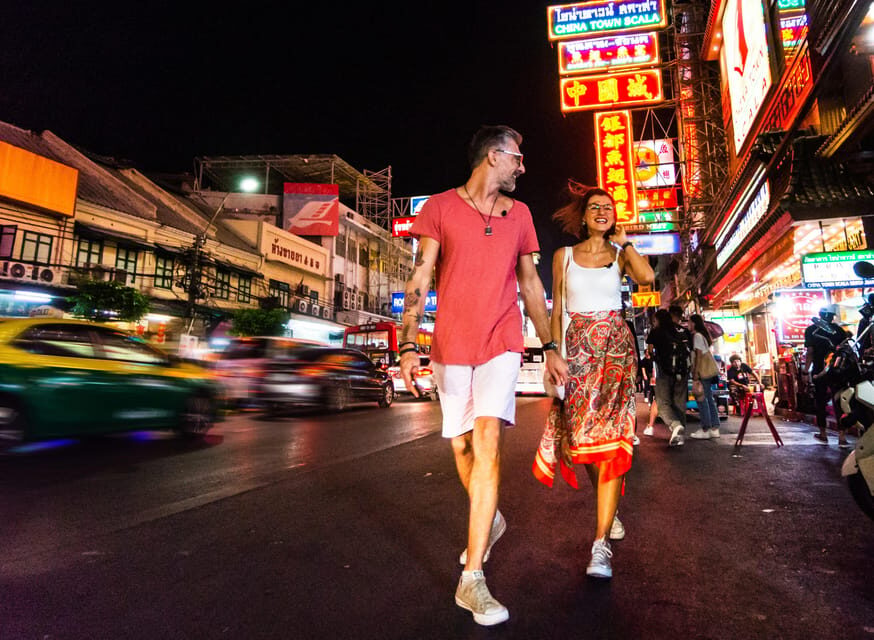
- Backstreet tastings first: you start in the quieter side streets rather than only the main drag.
- Thai-Chinese lineup: dumplings, grilled pork, Pad Thai, and cold Chinese desserts are part of the standard rotation.
- Food with context: you’re not only tasting, you’re getting the stories and origins behind each dish.
- A shrine visit is included: you’ll walk to the Guan Yin Shrine and learn how old Chinese worship shows up in Bangkok.
- Weather can affect timing: if rain turns heavy, the tour length may shorten (so bring a light rain layer).
Why Yaowarat Street Food Feels Like a Storybook
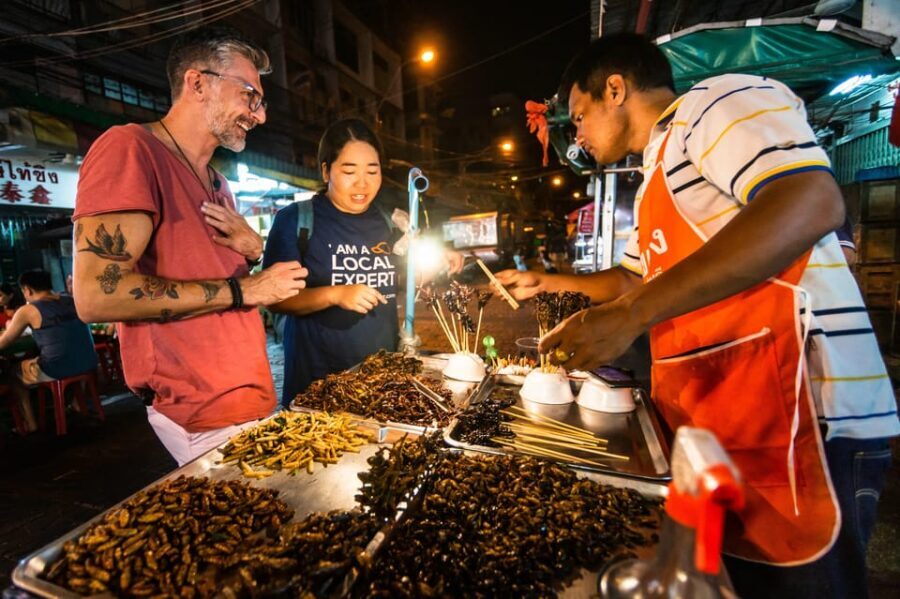
Bangkok’s Chinatown, especially the Yaowarat area, is where Thai and Chinese food traditions rub shoulders in real time. This tour leans into that overlap. Instead of giving you one-country-only dishes, you get a mix that mirrors the neighborhood itself: Chinese-style dumplings and grilled pork next to Thai favorites you recognize fast.
What makes this setup worth your time is that it’s not just about quantity. The highlights specifically mention learning the rich stories and origins of each dish. That matters because it changes how you eat. You start noticing the why behind flavors: spice level, seasoning style, and how certain items became local staples.
And the shrine stop gives the evening a second purpose. Food alone can blur together, but stopping at an old Chinese shrine adds grounding. You see how the community’s cultural roots show up beyond restaurant signs and menus.
You can also read our reviews of more food & drink experiences in Bangkok


Meeting at Wat Mangkon MRT: How the Night Starts Smoothly
You meet at Wat Mangkon MRT Station Exit 1, with the plan to gather at 19:00 and start the trip at 19:15. That timing is practical. You’re catching Chinatown at a moment when stalls are fully awake, and the streets feel social rather than sleepy.
This also means you’re not relying on hotel pickup. If you’re already in central Bangkok, it’s an easier logistics day. Just plan to arrive a few minutes early so you don’t rush into the first tasting.
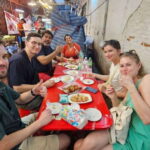
Since it’s listed as a private group, you may feel less like you’re being herded and more like you can ask questions when something catches your attention. You still do a fair amount of walking, so comfortable shoes are the right kind of “tour gear.”
Backstreet Bites in Chinatown: What You Actually Eat
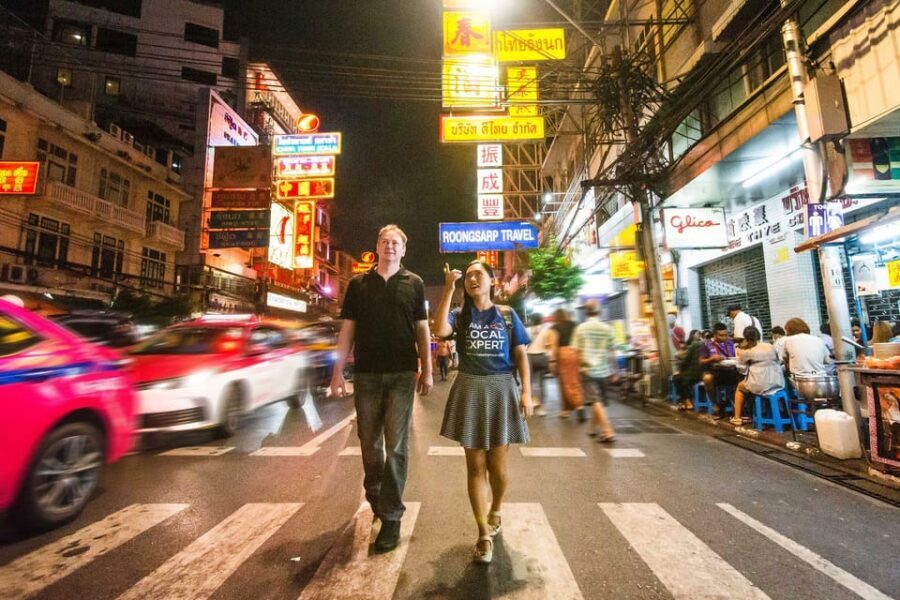
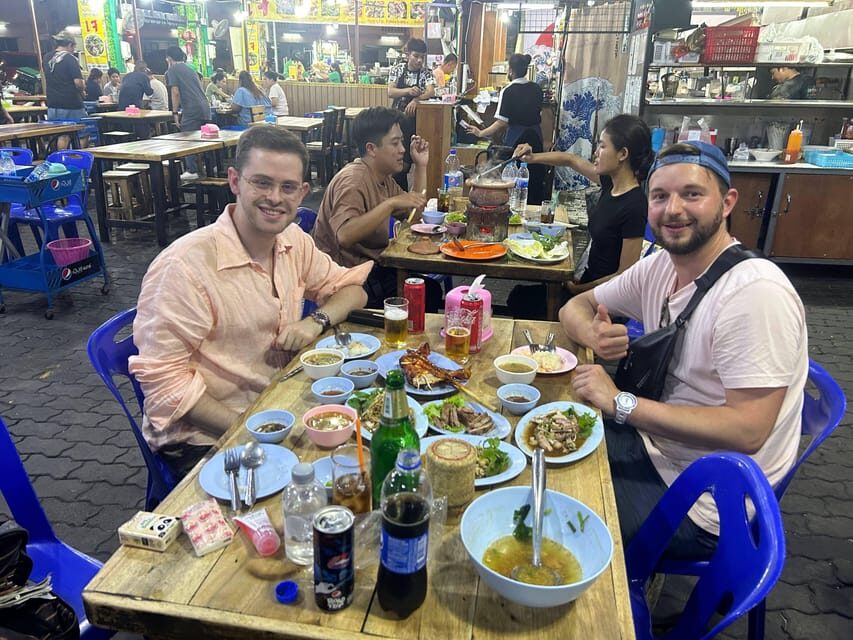
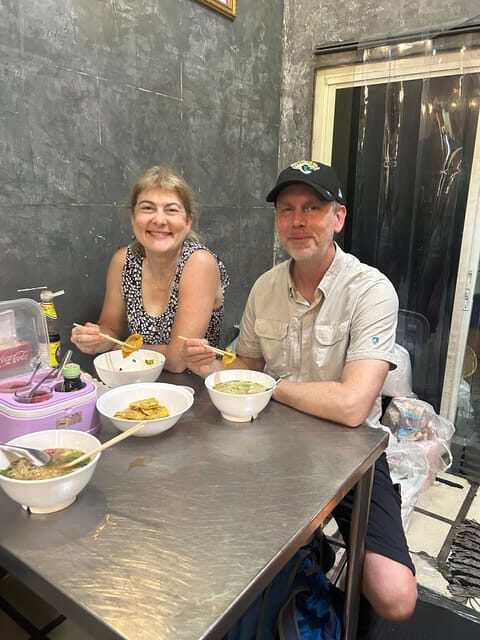
The core of the evening happens right after you start. From about 19:15 to 20:30, the route takes you through food stalls and restaurants hidden in the backstreets of Bangkok Chinatown. The point here is simple: you’re meant to sample more than one style of cooking without spending an entire night searching for each item.
Here’s what the tour is built to include:
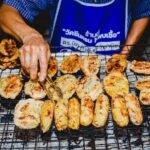
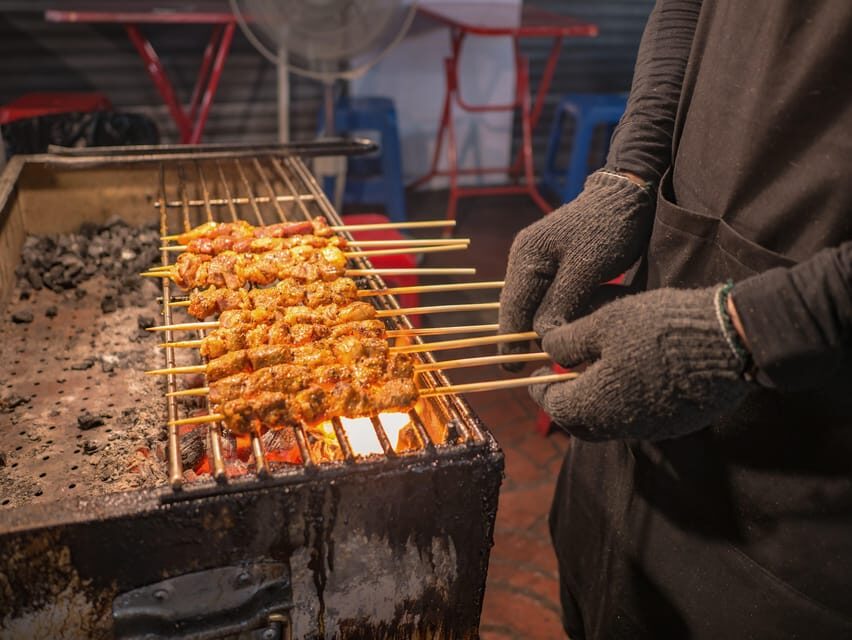
- Grilled pork
- Chinese dumplings
- Pad Thai
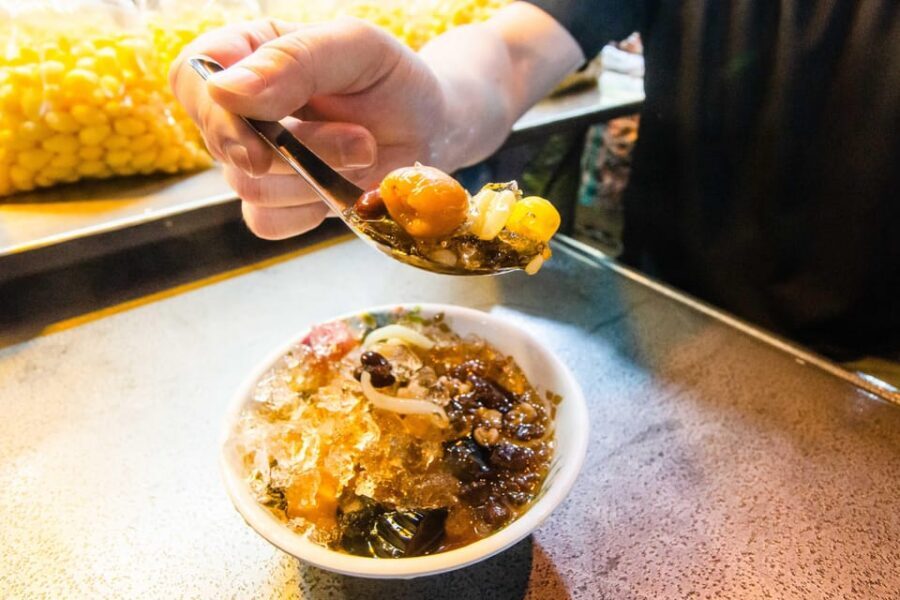
- Cold Chinese desserts
That list is a good mix. Dumplings and grilled pork give you savory Chinese-leaning flavors. Pad Thai gives you the Thai street-food baseline that most people recognize and can compare. Cold Chinese desserts add contrast so you’re not only eating warm, heavy bites all evening.
One practical note: the “street food” style often means small portions across multiple stops. The upside is variety. The downside is you’ll want to pay attention to what’s being offered instead of saving space for a single dream dish that might not come later. If something looks great at the moment, it’s usually because it’s part of the tasting plan.
The Itinerary in Plain English: 19:15 to 20:30
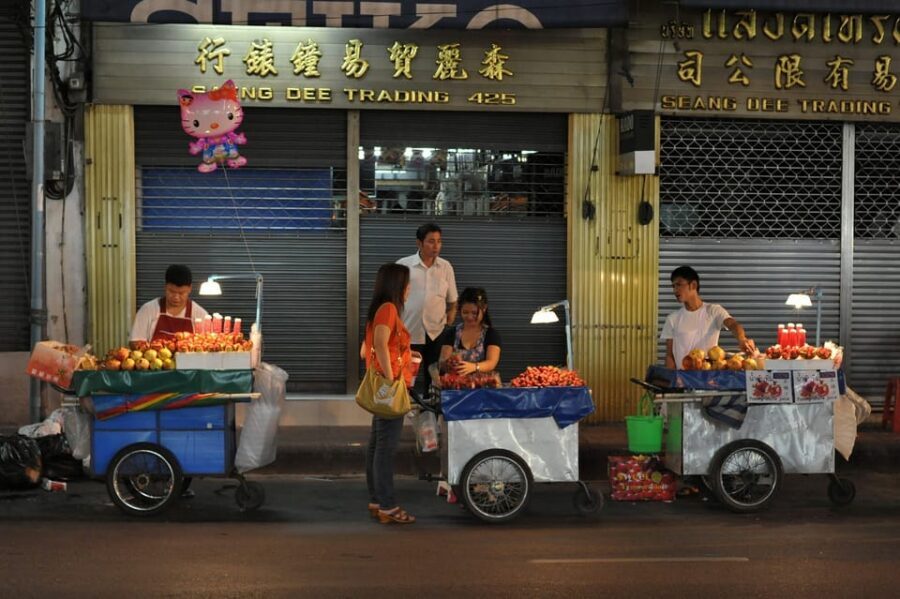
After you kick off at 19:15, the schedule is designed around sampling blocks. Expect the guide to move you from one stop to another in the Chinatown backstreets, where the focus is on tasting and learning.
This is where you get the most value from an English or Thai guide. The highlights promise you’ll learn the stories and origins of each dish. Even if your stomach is already making decisions, the explanation helps you order with confidence when you later come back on your own.
The snacks you’ll likely encounter aren’t random. They’re arranged to show the neighborhood’s Thai-Chinese blend. If you tend to eat first and ask questions later, this tour flips the script in a helpful way. You’ll taste, then learn what to look for next time.
A small reality check about guide communication
One past experience tied a big issue to English comprehension. In that case, the guide reportedly had trouble speaking English and following questions, and the tour was cut short during heavy rain. That’s a rare situation, but it’s a smart reminder: if you’re booking specifically for an English tour, consider that communication quality can shape how much you get from the “stories behind the food” part. You don’t just want food; you want context.
You can also read our reviews of more tours and experiences in Bangkok
Why the Food Stories Matter (More Than You Think)
Here’s the trick with Chinatown: if you go without a guide, you can still eat extremely well. But your choices may be more guesswork, and you might not understand the cultural logic behind a dish.
This tour’s emphasis on origins gives you a shortcut to noticing patterns:
- You’ll start recognizing which flavors feel more Chinese in style versus which are Thai street-food adaptations.
- You’ll learn how certain dishes became local staples in Yaowarat rather than staying “foreign” to the neighborhood.
- You’ll get a clearer mental map for what to order when you return independently.
The value is not academic. It’s practical. When you know what something is and why it’s made that way, your future Chinatown meals get easier and better.
The Shrine Walk: Guan Yin and Old Chinese Presence in Bangkok
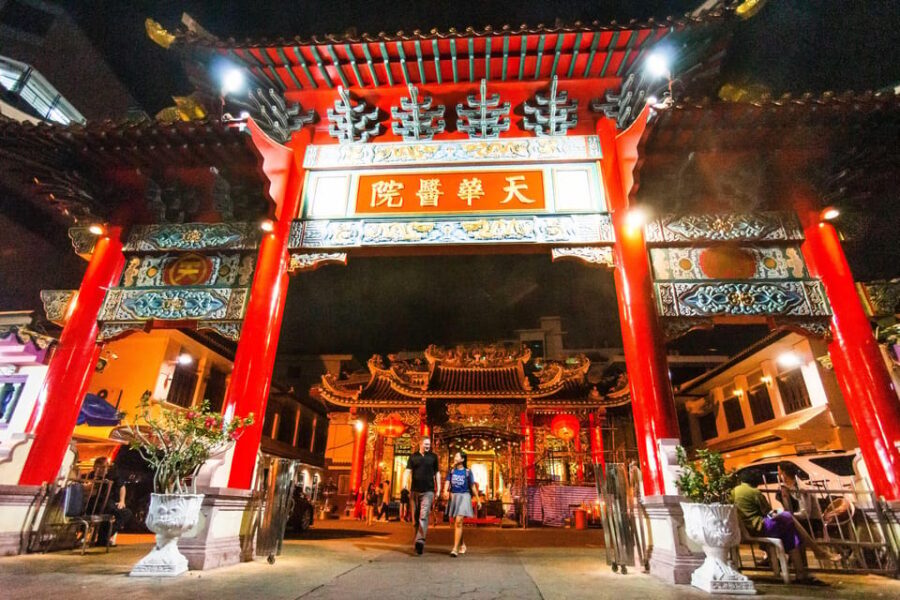
After the food portion, the plan shifts from eating to seeing. Around 20:30, you walk along the road in Chinatown to local life and then visit the old Chinese shrine, with the itinerary listing Guan Yin Shrine for about 30 minutes.
This part is where the tour becomes more than a meal run. Chinese shrines in Bangkok aren’t just photo stops. They reflect long-standing community traditions, and seeing them with an explanation can change how you understand the neighborhood.
You can also treat the shrine visit as a natural “cool down” after eating. You’ll have time to slow down, look around, and get your bearings in the area you just tasted. The walking continues afterward to head back.
Timing: 21:30 exit point
The tour wraps at 21:30. That’s a manageable length for a night walk: long enough to eat well and learn a bit, not so long that you’re exhausted by midnight.
Price and Value: Is $46 for 2 Hours Worth It?
At $46 per person for a 2-hour tour, the pricing works out best if you value both food and guided context. The good news is that the inclusions are not skimpy:
- Food and drinks
- English tour guide
- Travel insurance
- Admission/activity fee
That matters because Chinatown street food can vary wildly in cost and quality from stall to stall. Paying for a guided tasting itinerary can feel more expensive than buying single snacks on your own. But when the tour is bundling multiple tastes, plus explanations, plus insurance, it becomes easier to justify.
Where the value can fall apart is the two factors you should plan for:
- English comfort with your guide affects how much you actually get from the stories.
- Rain can change how many stops you reach and whether the timing stays on track.
If you’re the kind of traveler who likes to taste and learn at the same time, you’ll likely feel good about the price.
Logistics That Affect Your Enjoyment (Without the Boring Stuff)
This isn’t a hotel-to-restaurant door-to-door tour. You start at Wat Mangkon MRT and then walk. The route includes backstreets, which usually means uneven pavement and a bit of crowd movement. For most people, that’s part of the charm. For some, it’s a reason to bring shoes you can trust.
It’s also listed as wheelchair accessible, which is a plus if you need that. Still, you’ll want to mentally prepare for street-level conditions since it’s a Chinatown walk.
One more practical note: there’s a chance the operator may request your email address to send more detail and an insurance form. If you’re the type who hates surprises in your inbox, just be ready for a message after booking.
Who Should Book This Chinatown Street Food Tour?
This is a strong match if you:
- Want a Thai-Chinese tasting mix rather than one single cuisine lane
- Like guided explanations that help you understand what you’re eating
- Prefer a short night plan, not an all-day food hunt
- Are curious about old Chinese religious sites, especially the Guan Yin Shrine
It may not be the best fit if you:
- Hate walking and standing around food stalls for short bursts
- Want full control over the menu with no surprises at all
- Are highly sensitive to guide language quality (in the past, communication issues have impacted the experience)
If you’re traveling with friends who enjoy sampling, a private group setup can feel more relaxed than large tour clusters.
Should You Book This Authentic Street Food Tour in Bangkok Chinatown?
I’d book it if your goal is a guided night in Yaowarat that covers both food and culture in a tight timeframe. The inclusions make the cost feel more fair than a simple “wander and snack” plan, and the itinerary covers the big draws: dumplings, grilled pork, Pad Thai, cold Chinese desserts, plus a stop at the Guan Yin Shrine.
I’d also book it with one safety mindset: pack for rain and be prepared for timing changes. And when you’re booking an English tour, keep expectations realistic. If guide communication is weak, you’ll still eat well, but you may miss some of the story-side value that makes this tour different.
FAQ
Where is the meeting point?
You meet at Wat Mangkon MRT Station Exit 1.
How long is the tour?
The tour is listed as 2 hours, with the schedule gathering at 19:00, starting at 19:15, and ending at 21:30.
What food and drinks are included?
Food and drinks are included, with examples such as grilled pork, Chinese dumplings, Pad Thai, and cold Chinese desserts.
Is hotel pick-up included?
No, hotel pick up is not included.
What languages does the tour guide speak?
The tour offers a live guide in English and Thai.
What if my plans change?
You can cancel up to 24 hours in advance for a full refund.