REVIEW · BANGKOK
Authentic Thai Cooking with the Largest market visit &TukTuk ride
Book on Viator →Operated by Sabieng Thai Cooking School · Bookable on Viator
Thai food gets real fast.
This Bangkok experience mixes Khlong Toei Market ingredient shopping with a tuk tuk ride to a tidy cooking school, then turns it into hands-on cooking you can actually repeat at home. I like the step-by-step teaching from instructors like Chef Pim and Chef Alex, and I love that the kitchen setup is clean and feels organized, not chaotic. One thing to consider: the meeting point directions can be confusing if you exit the wrong way, so double-check exactly where you’re meeting near the MRT.
You’re looking at about 3 hours 30 minutes, and the price covers more than just cooking class time. You get market time, transport by tuk tuk back to the school, instruction, and a full sit-down meal made by you. The group stays small (up to 12), which usually means you get real help when you’re chopping, mixing, or adjusting flavor.
Finally, come hungry. You’ll cook multiple dishes and eat what you make, including Thai favorites like pad Thai, curries, and mango sticky rice. If you’re vegetarian, the class can handle substitutions, which is a big plus for people who don’t want to guess or pick around a menu.
In This Review
- Key Things You’ll Really Notice
- Thai Cooking with Khlong Toei Market + Tuk Tuk: How the Tour Works
- Khlong Toei Market: Ingredients, Not Just Souvenirs
- Tuk Tuk Ride: Quick Bangkok Color on the Way to Cooking
- Sabieng Thai Cooking School: Clean Kitchen, Real Instruction
- What You’ll Cook: Pad Thai, Curries, Tom Yam, and Mango Sticky Rice
- Pad Thai and Noodle Skills
- Curries with Fresh Paste Techniques
- Tom Yam and Bright Sour-Spice Flavor
- Mango Sticky Rice for the Sweet Finish
- Dietary Notes: Vegetarian Substitutions
- Price and Value: Why $44 Can Feel Like a Deal
- Practical Tips Before You Go (So You Enjoy It)
- Who This Bangkok Cooking Class Fits Best
- Should You Book This Thai Cooking Experience?
- FAQ
- How long is the Thai cooking class in Bangkok?
- Where does the tour start and end?
- Is the group size small?
- Do I get recipes to take home?
- What kinds of dishes might I cook?
- Can vegetarians join?
- Is there a cancellation refund?
Key Things You’ll Really Notice
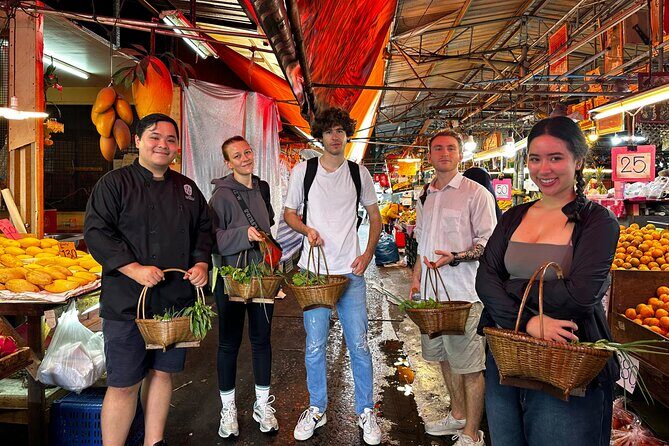
- Khlong Toei Market first, so you understand what you’re buying and why it matters
- Tuk tuk transfer that adds classic Bangkok energy without eating your whole day
- Small group size (max 12) for better attention and clearer instructions
- Cook then eat format, so every course has a purpose and you taste what you learn
- Clean, air-conditioned school kitchen that makes the whole experience feel comfortable
- Online recipes to take home, so the class doesn’t vanish the next morning
Thai Cooking with Khlong Toei Market + Tuk Tuk: How the Tour Works
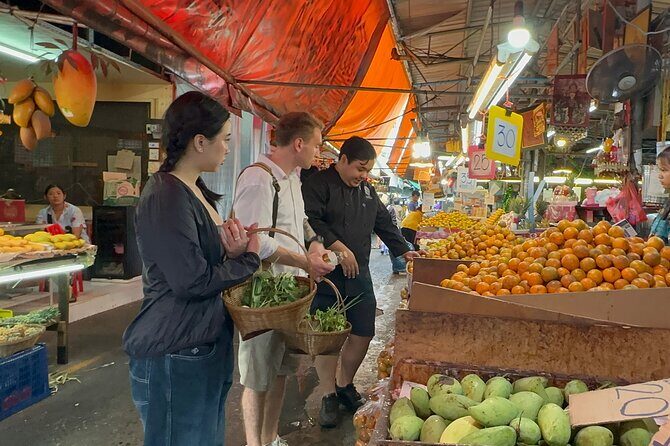
This is a Bangkok Thai cooking class built like a mini food journey. You start with ingredient context at Khlong Toei Market, then head to the school for a hands-on session where you prep and cook several dishes, course by course, and then eat them together.
What makes it work well is the order. Shopping first means you learn the “what” and “why” behind Thai pantry staples and fresh produce. Cooking after that turns the lessons into muscle memory: chopping, mixing, balancing sweet-sour-salty, and adjusting spice without panicking.
The tuk tuk part isn’t just for fun. It helps reset the mood from crowded market streets to a calmer kitchen setting, and it keeps the schedule moving. At the end, you walk away with a meal you made plus recipes you can use again.
In plain terms: you’re not just watching food get cooked. You’re learning how to make it, while the flavors are still fresh in your mind.
You can also read our reviews of more shopping tours in Bangkok



Khlong Toei Market: Ingredients, Not Just Souvenirs
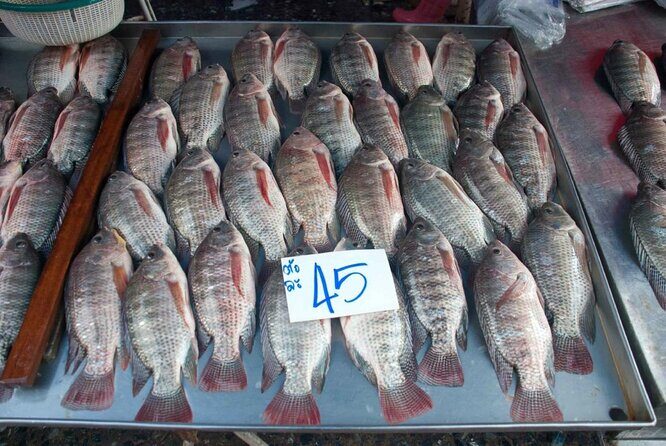
Khlong Toei Market is the best kind of market visit: practical. You’ll see the produce and seafood that show up in real Thai cooking, and you’ll get explanations tied to what you’re about to cook. Think fruits, vegetables, and seafood sold in a busy local setting, not a staged tourist version.
This stop matters because Thai cooking is built on balance and freshness. When you understand what kinds of herbs you’re using, what texture you’re aiming for, and which ingredients bring aroma versus heat, the recipes become easier to reproduce later.
It’s also a good spot to learn how Thai flavors are layered. You’re not just chasing spice. You’re building flavor through a mix of salty, sour, sweet, and aromatic notes. That’s the difference between a dish that tastes okay and one that tastes like Thailand.
A practical consideration: markets move fast and can feel loud. Wear comfortable shoes, and keep water on your mind. If you’re the type who gets overwhelmed in crowds, you’ll still do fine, but patience helps.
Tuk Tuk Ride: Quick Bangkok Color on the Way to Cooking
After the market, you hop in a tuk tuk and head back to the cooking school. The ride is short enough to stay fun, but it adds that unmistakable Bangkok feeling: sounds, motion, and street-life energy.
Why I like this part of the experience is simple. It breaks up the day so the market doesn’t blur into kitchen fatigue. You get a clean transition, then you arrive ready to cook.
Also, a tuk tuk transfer is part of the value here. You’re not paying only for a kitchen lesson. You’re getting a Bangkok experience that fits naturally into the cooking theme.
If you’re sensitive to heat, do what you always do in Bangkok: keep your pace steady, take short breaks when you need to, and plan to cool down once you’re at the school.
Sabieng Thai Cooking School: Clean Kitchen, Real Instruction
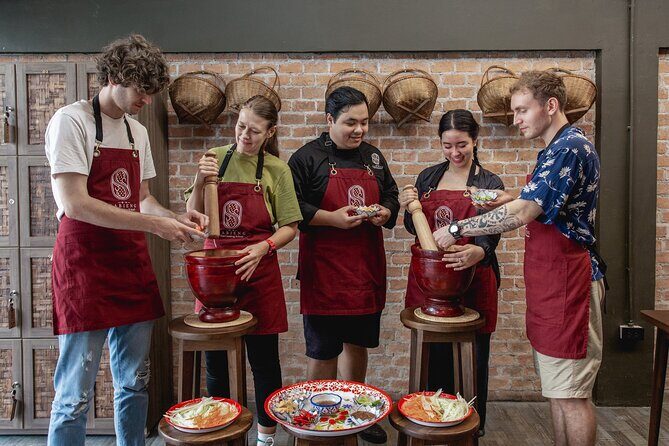
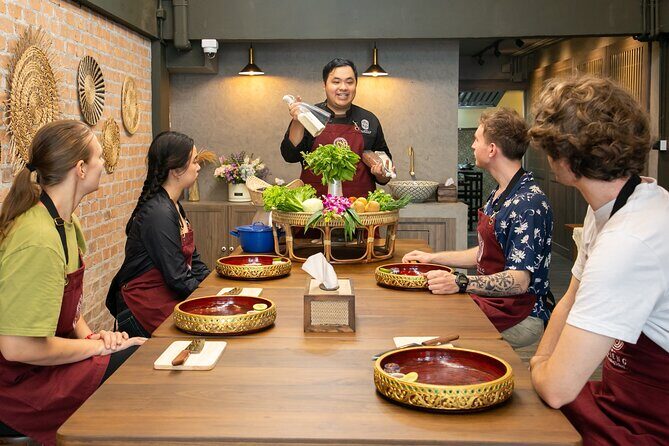
The cooking school atmosphere is one of the most repeated positives. People describe it as clean and well kept, and the kitchen setup helps you focus on the recipes instead of worrying about mess or confusion.
In a small group (up to 12), you’re more likely to get hands-on help when you hit a snag. That includes help with ingredient prep and how to handle Thai flavors without overthinking them. Instructors like Chef Pim and Chef Alex are known for being clear, approachable, and patient.
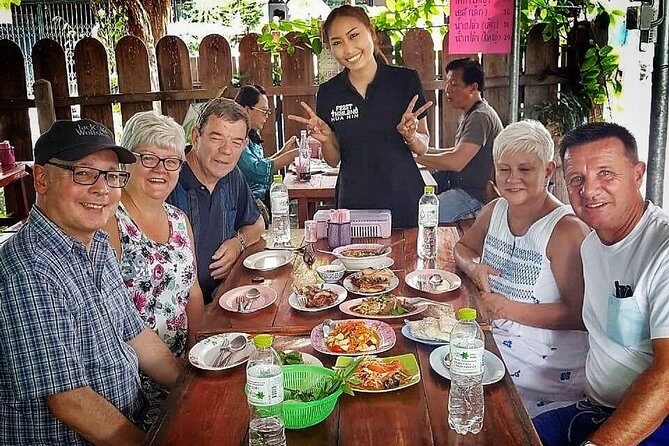
The class format is also important. You typically cook each dish, then sit down and eat it before moving on. That pacing keeps motivation high and makes each course feel like a finished product, not a rushed assembly line.
You’ll also learn prep techniques that travel well. Thai cooking can look complex, especially curry pastes and herb-heavy dishes. But the way the class breaks it down makes it less intimidating, and the results taste good because you’re doing it yourself.
One more practical perk: you’re not leaving empty-handed. You get online recipes for what you cooked, which is huge if you want Thai food to show up again in your kitchen after the trip.
What You’ll Cook: Pad Thai, Curries, Tom Yam, and Mango Sticky Rice
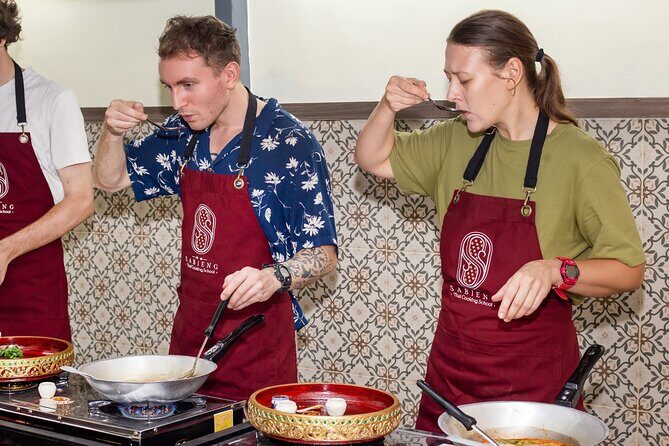
This class centers on Thai favorites with a mix of familiar and slightly more advanced techniques. Many courses include dishes like pad Thai, red curry, and mango sticky rice, plus other classic options depending on the exact menu for your session.
You can also read our reviews of more tours and experiences in Bangkok




Pad Thai and Noodle Skills
Pad Thai is often included, and it’s a great dish to learn because the flavor comes from balancing multiple ingredients. The class approach emphasizes ingredient prep and the right steps, so you understand what you’re adding and when.
You’re also more likely to get confidence with cooking noodles properly. That matters because Thai noodle texture is a big part of the taste.
Curries with Fresh Paste Techniques
Curries are where you can really level up. You may cook red curry and also green curry, and at least some sessions include making curry paste from scratch. That’s a key learning moment because it shows you how aroma is built before the curry even hits the pot.
When you learn paste-making, you’re not stuck using only store-bought paste at home. You gain a method you can adapt later.
Tom Yam and Bright Sour-Spice Flavor
Tom Yam (often described as part of the course lineup) teaches Thai balance in a punchy way. It’s a soup where sour, spicy, and savory notes have to work together, not separately.
Learning it in a class format helps because the instructor can guide you through the timing and flavor adjustment while you’re cooking.
Mango Sticky Rice for the Sweet Finish
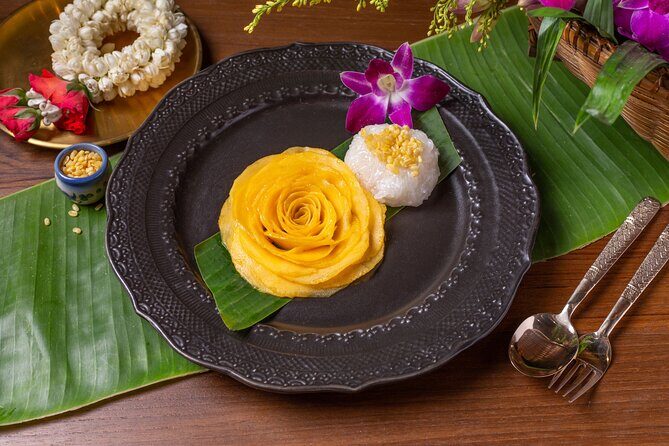
For dessert, mango sticky rice shows up often. It’s a satisfying way to end because it’s not just sweet. It has texture from the sticky rice and freshness from the mango, which helps you notice the difference between Thai dessert flavors and many Western-style sweets.
If you’re curious about Thai flavor depth, this dessert is a good “last taste” check that you’ve learned the balance side of Thai cooking.
Dietary Notes: Vegetarian Substitutions
If you’re vegetarian, the class can make substitutions. That’s a big deal because Thai cooking relies on fish sauce, shrimp paste, and similar ingredients in many recipes. The ability to swap so the dish still tastes right keeps the experience enjoyable instead of stressful.
Price and Value: Why $44 Can Feel Like a Deal
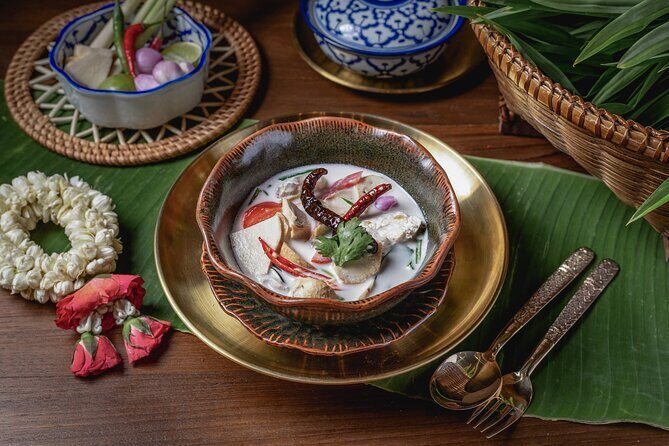
At $44 for about 3 hours 30 minutes, the value comes from what’s included, not just the price tag. You’re paying for instruction, ingredient context at a real local market, a tuk tuk ride, and a full meal you help cook.
Small-group teaching (max 12) adds value too. You’re less likely to feel like you’re in the back row watching and hoping. Instead, you can ask questions and get guidance while you’re cooking.
And the online recipes matter more than you might think. A cooking class becomes much more valuable if you can remake what you learned. Getting the recipes online gives you a way to practice later, especially for dishes like curry paste or pad Thai where small timing changes affect the whole result.
So the real question isn’t whether $44 is cheap. It’s whether you’re getting a full food experience. Here, you are.
Practical Tips Before You Go (So You Enjoy It)
A little prep will make this class smoother.
Wear shoes you can stand in. The market involves walking, and the cooking portion involves moving between prep and cooking stations.
Bring your appetite mindset. The class is structured so you cook and then eat, so plan a light start to the day. If you’re doing it in the morning, you might regret a heavy breakfast because you’ll end up eating again soon after.
For meeting point confidence, slow down. The tour meets near public transportation, but meeting directions can be unclear if you exit a station the wrong way. When you arrive, take a moment to confirm you’re at the correct spot, and look for the staff sign if one is used.
If you have diet needs, mention them when you book or before you start the class. The class can handle vegetarian substitutions, but you’ll get better results if they know your needs early.
Who This Bangkok Cooking Class Fits Best
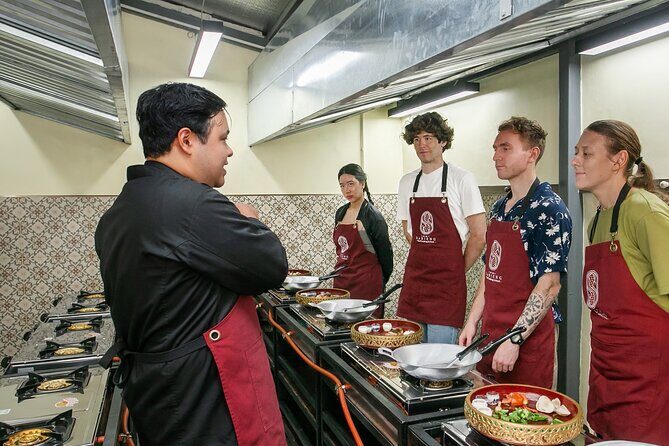
This one fits people who like hands-on learning more than restaurant dining. If you want to leave Bangkok with actual cooking skills—how to prep Thai ingredients, how to balance flavors, and how to assemble multiple courses—this format is built for you.
It’s also a solid choice for food lovers who want authenticity without turning it into a full-day research project. You get real market ingredient context, then you move directly into cooking.
Families can often enjoy it too. Many parents like that the class is organized and that kids can participate in prep tasks, then eat what they made. Teens who are picky can be nudged by the fact that they cooked their own versions and tasted them while warm.
If you hate markets or hate cooking, you might not love this. The experience is built on both. But if you’re even slightly curious, it’s a strong way to turn Bangkok eating into a skill you take home.
Should You Book This Thai Cooking Experience?
I’d book it if you want a small-group, structured Thai cooking class that includes Khlong Toei Market shopping and a tuk tuk ride. The price feels fair because it includes the full arc: ingredient learning, hands-on cooking, and a sit-down meal you helped create.
I’d hesitate only if you know you’ll struggle with crowded market conditions or if meeting points stress you out. If that’s you, fix the risk by arriving early and verifying your exact meeting spot.
If your goal is to learn Thai flavors that you can reproduce—especially pad Thai, curry techniques, and mango sticky rice—this is the kind of class that gives you something lasting, not just a nice meal for today.
FAQ
How long is the Thai cooking class in Bangkok?
It lasts about 3 hours 30 minutes.
Where does the tour start and end?
It starts at PHC5+JVH, Bangkok, Thailand, and ends back at the meeting point.
Is the group size small?
Yes. The maximum group size is 12 travelers.
Do I get recipes to take home?
Yes. You receive online recipes for the dishes made in class.
What kinds of dishes might I cook?
The experience often includes Thai favorites such as pad Thai, tom yam, curries (including red and green curry), and mango sticky rice.
Can vegetarians join?
Yes. Vegetarian substitutes are available.
Is there a cancellation refund?
No. The experience is non-refundable and cannot be changed for any reason.