REVIEW · BANGKOK
Bangkok: Hands-on Thai Cooking Class and Market Tour
Book on GetYourGuide →Operated by House of Taste Thai Cooking School · Bookable on GetYourGuide
Four dishes. One unforgettable Thai day.
This class works because it is hands-on from ingredient prep to the final plate: you learn how Thai flavors are built, including making curry paste and coconut milk from scratch. I especially like the market-first ingredient hunt (on the morning schedule) and the fact that you cook everything yourself in a small group with clear English support—names like Jay, Pitch, April, and Jade show up again and again in recent sessions.
One catch to plan for: the experience changes by time of day. Morning classes include the market tour, while afternoon and evening swap the market for mango carving, plus ingredient intro happens at the school instead of out in the neighborhood.
In This Review
- Key Highlights You’ll Feel Fast
- Entering The Class: BTS Asoke vs. Sukhumvit 4
- Morning Schedule: Market Tour That Actually Preps Your Cooking
- Cooking Room Reality: Small Group, Clear Steps, No MSG
- The Four-Dish Format: What You’re Really Learning
- How the menu rotates during the week
- What each dish teaches (in plain terms)
- How the Class Handles Diet Needs Without Making It Weird
- Mango Sticky Rice: The Sweet Rhythm at the End
- Afternoon and Evening Options: Mango Carving Instead of the Market
- Getting There and Timing: Small Details That Save You Stress
- Value Check: Is $45 a Good Deal?
- Who This Class Suits Best
- Should You Book This Bangkok Thai Cooking Class?
- FAQ
- How long is the Bangkok cooking class?
- Where do I meet for the morning class?
- What’s included in the price?
- Is the market tour available for afternoon and evening classes?
- What dishes will I cook?
- Can the class accommodate dietary restrictions?
Key Highlights You’ll Feel Fast
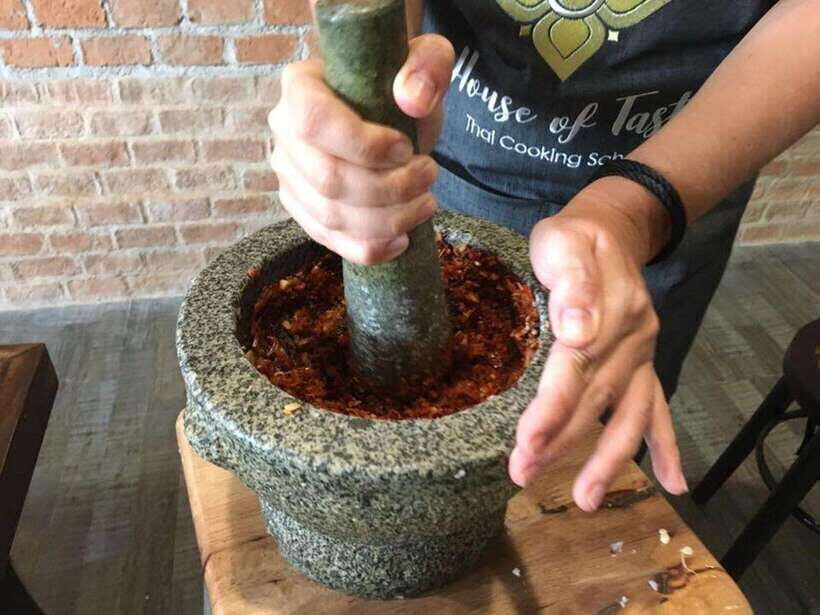
- Curry paste from scratch: you’re not just chopping; you’re building a Thai base.
- Four-dish cooking with a real finish: the desserts are part of the same flow, not an afterthought.
- Market tour only in the morning: if you want shopping and comparing ingredients, pick the 8:30AM slot.
- Mango carving later in the day: a fun skill add-on that fits the Thai-food vibe.
- No MSG in the cooking: you taste the ingredients, not a shortcut.
Entering The Class: BTS Asoke vs. Sukhumvit 4
Start where Bangkok is easy to reach. For the morning class, meet on the street level at the BTS Asoke Exit 3 and MRT Sukhumvit Exit 3 area (you can also pin to Hey! Coffee MRT Sukhumvit). The afternoon/evening class starts at the school in Sukhumvit 4.
Why this matters: you’ll spend less time searching and more time doing. Also, those meeting points put you near Bangkok’s transit grid, which helps if you’re stacking this activity with other plans.
If you have a stiff travel schedule, you’ll also like that the class runs about 210 minutes. That’s long enough to learn and cook without feeling like a quick demo.
You can also read our reviews of more shopping tours in Bangkok



Morning Schedule: Market Tour That Actually Preps Your Cooking
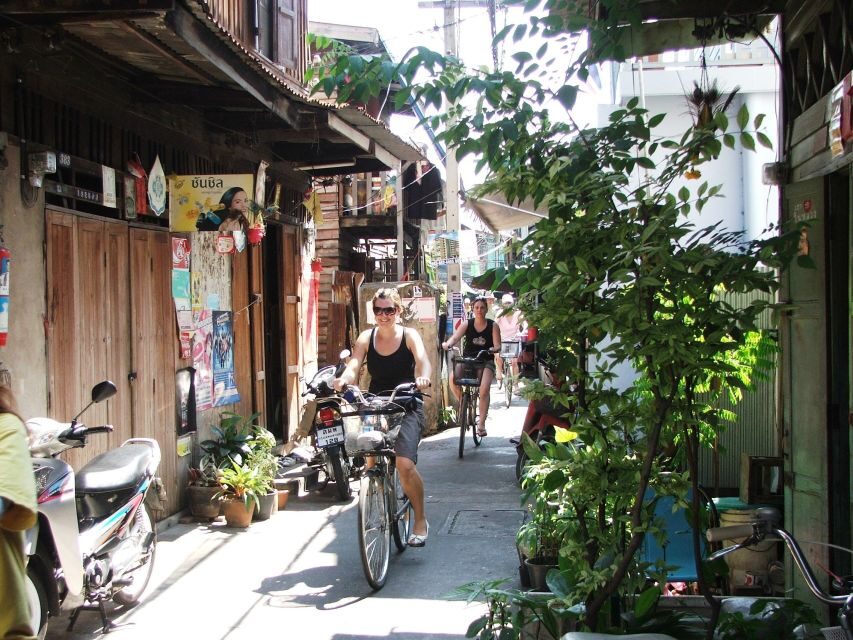
Morning class has a big difference: it starts with a guided ingredient walk and a market stop. You browse for vegetables, rice, herbs, spices, and the kinds of items that make Thai food taste like Thai food. Then you shift straight into the cooking station.
Here’s what I like about this format: it turns shopping into knowledge. When you later stir-fry or grind, you remember what you picked and why. It also helps you understand what substitutions will still taste right if you cook at home.
A fair note: some people find the market visit more limited than they expected. If you’re picturing a sprawling wet market scene, set your expectations to a focused ingredient hunt rather than a giant tour of everything on earth.
Practical tip: wear comfortable shoes. You’ll likely be walking and standing. Bring your energy—this is one of those Bangkok experiences where you truly should arrive ready to eat.
Cooking Room Reality: Small Group, Clear Steps, No MSG
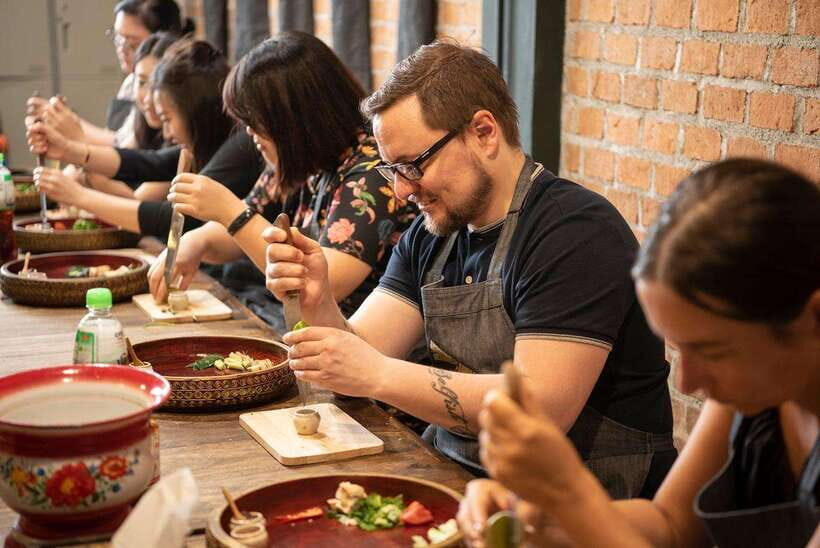
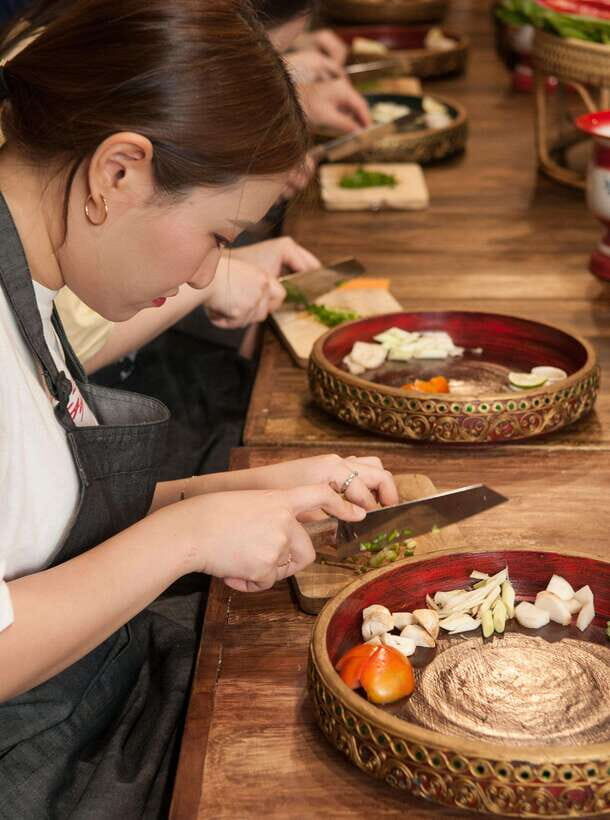
Once you’re inside, the vibe is hands-on and structured. You’ll be working in a setup designed for personal stations (including a personal locker), and you get ingredient help and attention during prep.
The curriculum centers on Thai flavor building, including how to prepare key elements such as coconut milk and curry paste from scratch. That’s the difference between cooking Thai as a list of recipes and cooking it as a set of repeatable techniques.
Two other details that help:
- The class uses English and Thai instruction.
- They state no MSG is used in the cooking, so your final dishes taste like the ingredients and the balance you made, not a heavy flavor shortcut.
If you’re a first-time cook, you’ll likely appreciate the pacing. Multiple people mention the instruction is easy to follow even at beginner level, and that helpers stay on top of what you’re doing while you cook.
The Four-Dish Format: What You’re Really Learning
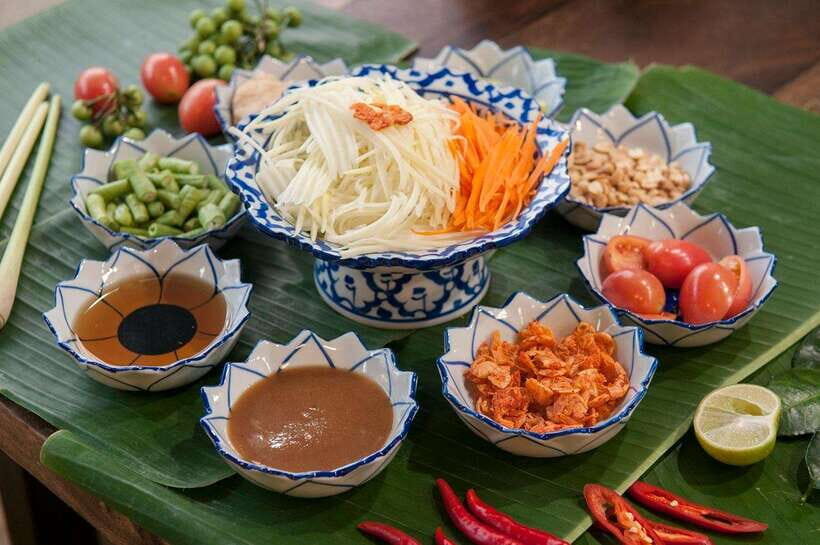
The heart of the day is simple: you cook four traditional dishes and eat them while they’re hot and fresh. Then you take the knowledge home with recipes sent by email.
One more thing to know: depending on timing and the specific group flow, some sessions report cooking three savory dishes plus mango sticky rice. You should still plan for a full meal and a clear learning path.
How the menu rotates during the week
The exact set of dishes varies by day, but each day includes mango sticky rice. Here’s the weekly pattern you can use to choose the best day for your cravings:
Monday
- Thai Papaya Salad (Som Tum)
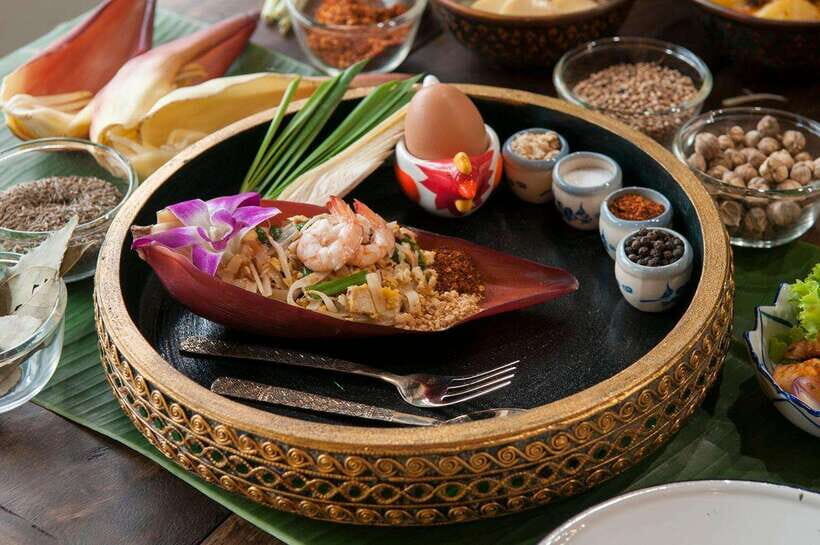
- Stir-Fried Noodles with Shrimp (Pad-Thai)
- Green Curry with Chicken
- Mango Sticky Rice
Tuesday
- Spicy Coconut Soup with Chicken (Tom Kha Gai)
- Stir-Fried Thai Basil Chicken (Pad Krapow Gai)
- Red Curry with Chicken
- Mango Sticky Rice
Wednesday
- Hot and Sour Soup with Shrimp (Tom Yum Goong)
- Stir-Fried Flat Rice Noodles with Chicken (Pad See Ew)
- Green Curry with Chicken
- Mango Sticky Rice
Thursday
- Spicy Minced Chicken Salad (Larb Gai)
- Stir-Fried Noodles with Shrimp (Pad-Thai)
- Panang Curry with Chicken
- Mango Sticky Rice
Friday
- Thai Papaya Salad (Som Tum)
- Stir-Fried Thai Basil Chicken (Pad Krapow Gai)
- Red Curry with Chicken
- Mango Sticky Rice
Saturday
- Spicy Coconut Soup with Chicken (Tom Kha Gai)
- Stir-Fried Noodles with Shrimp (Pad-Thai)
- Green Curry with Chicken
- Mango Sticky Rice
Sunday
- Hot and Sour Soup with Shrimp (Tom Yum Goong)
- Stir-Fried Flat Rice Noodles with Chicken (Pad See Ew)
- Panang Curry with Chicken
- Mango Sticky Rice
You can also read our reviews of more tours and experiences in Bangkok




What each dish teaches (in plain terms)
You’re not just eating. You’re getting technique practice across key Thai categories:
- Som Tum (Papaya Salad): This trains you on flavor balance and the crunch-tang mix that Thai salads are known for.
- Pad Thai / Pad See Ew: You get experience with Thai noodle style—sauces, heat, timing, and how noodles behave when tossed.
- Green / Red Curry and Panang Curry: This is where the class really flexes. You’re learning how curry paste and coconut milk create the backbone.
- Tom Yum Goong / Tom Kha Gai: You taste how Thai sour-spicy works and how aromatics build the soup.
- Pad Krapow Gai (Thai Basil Chicken) and Larb Gai: You learn how Thai herbs and chili drive bold flavor without needing complicated steps.
If you cook at home, this variety helps you avoid the trap of knowing one dish only. You’ll leave with a set of instincts for sauces, aromatic intensity, and texture.
How the Class Handles Diet Needs Without Making It Weird
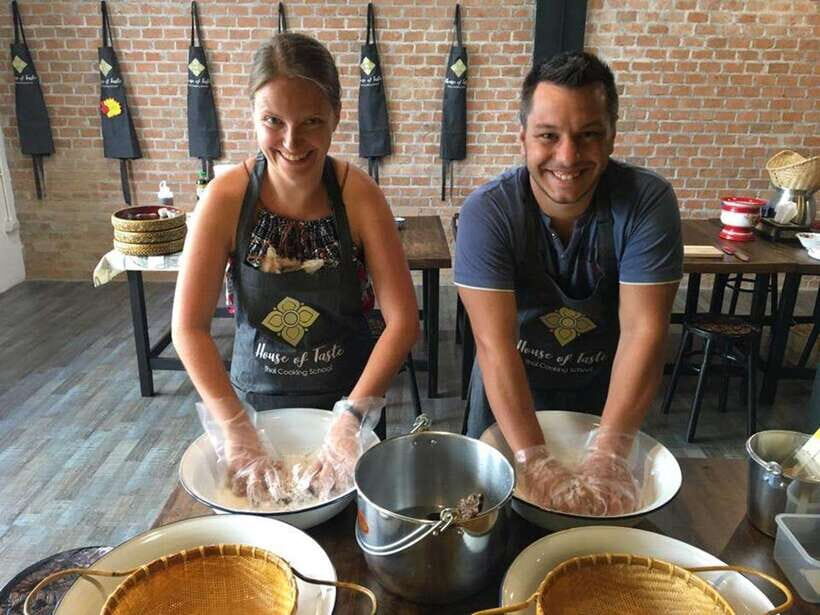
The course states it can provide substitute ingredients for vegetarian, halal, kosher, and for allergy needs with advance notification.
This matters because Thai cooking often depends on fish sauce, shrimp paste, or specific proteins. If you tell them what you need ahead of time, you should still get the core flavor logic instead of a bland workaround.
Also, you’ll get a drink of water, and alcoholic drinks are not included (available for purchase).
Mango Sticky Rice: The Sweet Rhythm at the End
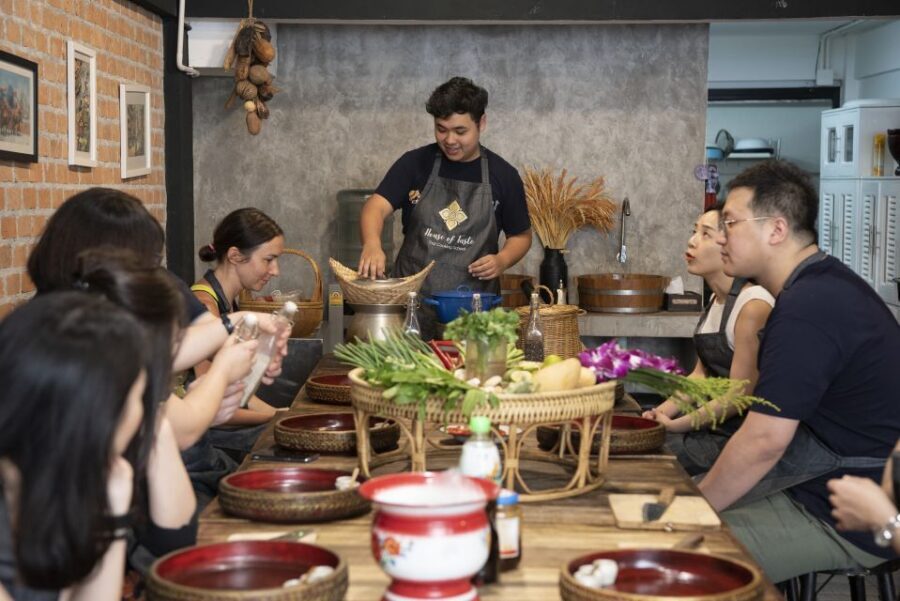
Mango sticky rice shows up every day on the schedule. It’s the logical closing move: creamy, sweet, and very Thai in feel. Since you make it as part of the same class flow, it won’t feel like a random dessert drop at the finish.
From a value point of view, desserts matter here because it’s included in the same ticket. You’re paying for a meal and the recipes that go with it—not just paying for instruction that ends after the savory dishes.
Afternoon and Evening Options: Mango Carving Instead of the Market
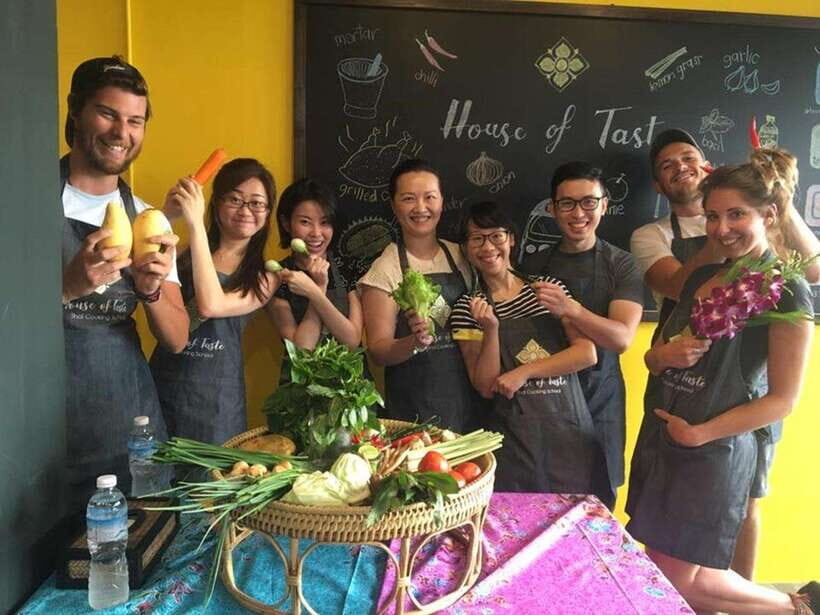
If you book later in the day, you’ll skip the market tour. Instead, the schedule includes mango carving as the last activity.
The food intro in that case happens at the school in Sukhumvit 4, not out in the neighborhood market. So you still learn the ingredients, but you get more of a classroom-first approach compared with the morning format.
Why mango carving works as a trade-off: it keeps the session fun and hands-on, and it connects to Thai dessert culture. People mention this add-on as a highlight, especially if you like photo moments and small skill building.
Getting There and Timing: Small Details That Save You Stress
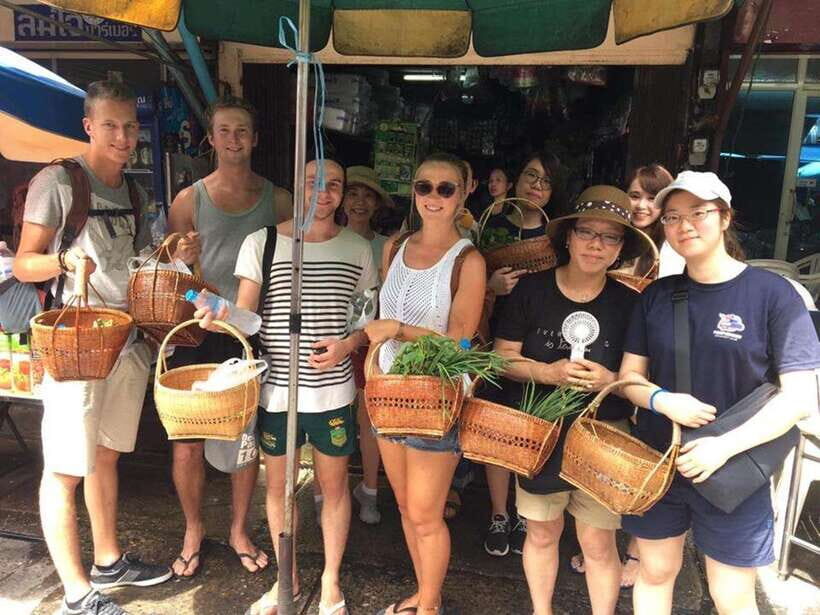
Bangkok can be chaotic, so I always care about meeting points and walking comfort. This class is built around major transit exits, which helps.
A few practical pointers from the course info:
- Wear comfortable shoes.
- Bring an empty stomach mindset. There will be plenty of food.
- Plan for the full 210 minutes experience window.
If you’re choosing between mornings and later times:
- Pick morning if you want the ingredient hunt and shopping context.
- Pick afternoon/evening if you want mango carving and a less crowded start.
Value Check: Is $45 a Good Deal?
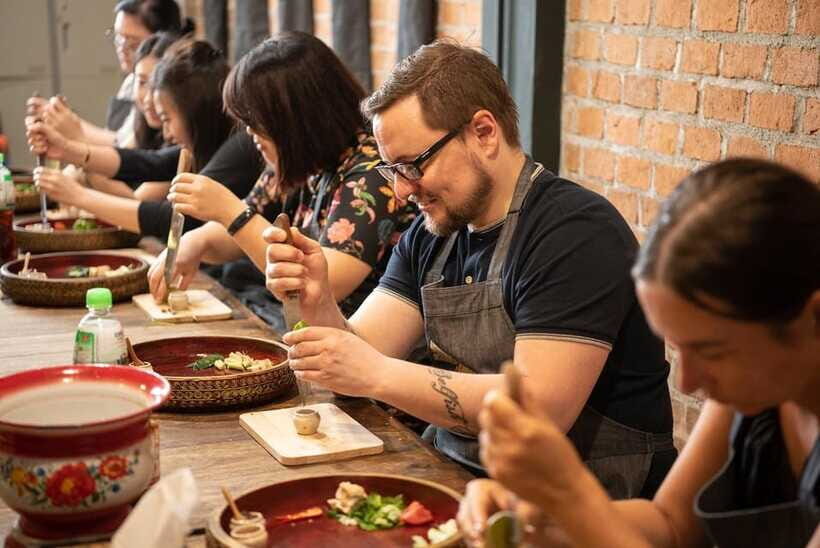
For $45 per person and about 3.5 hours, you get a lot that would cost extra if you booked each part separately. Included items cover:
- The cooking class and instructor
- A four-course meal
- Ingredient sourcing and all cooking equipment
- A personal locker
- Recipes via email
- Market tour (morning only) or mango carving (afternoon/evening)
- Water
What makes this feel like real value is that you’re not just watching. You’re cooking. You’re eating hot dishes you made. And you leave with recipes so you can repeat the results.
Also, the no-MSG detail and the focus on scratch elements like curry paste and coconut milk suggest you’re learning techniques that translate beyond one meal.
If you hate paying for classes that end in a photo-op and a weak meal, this one is structured to feed you and teach you at the same time.
Who This Class Suits Best
This experience is a strong match if you:
- Love Thai food and want to cook it yourself, not just order it
- Want a guided market-to-cooking flow (morning)
- Prefer a smaller, friendlier class setup with hands-on help
- Enjoy learning techniques, especially for curry bases and noodle dishes
- Want a fun extra activity later in the day (mango carving)
It may be less perfect if your main goal is a huge, sprawling market day. The market tour is useful for cooking context, but it can feel focused rather than massive.
Should You Book This Bangkok Thai Cooking Class?
Yes, if you want a day that mixes learning with eating and leaves you with repeatable skills. The combination of scratch curry paste, four dishes, and the included mango sticky rice makes the class feel complete. Add a market tour in the morning or mango carving later, and you’ve got more than just a kitchen session.
If you’re deciding between time slots, make it simple:
- Book the morning class for the market ingredient hunt.
- Book the afternoon/evening class if mango carving is part of your Bangkok fun list.
Bring good walking shoes, show up hungry, and plan to ask questions while you cook. That’s where this kind of class turns from food into skill.
FAQ
How long is the Bangkok cooking class?
The class lasts about 210 minutes.
Where do I meet for the morning class?
For the morning class, meet at the street floor of BTS Asoke Exit 3 and MRT Sukhumvit Exit 3, or you can pin to Hey! Coffee MRT Sukhumvit.
What’s included in the price?
The price includes the cooking class, instructor, a four-course meal, drinking water, all ingredients and equipment, a personal locker, and recipes sent via email. Morning classes also include a market tour, while afternoon/evening classes include mango carving.
Is the market tour available for afternoon and evening classes?
No. The market tour is only available for the morning class. Afternoon and evening classes include mango carving instead.
What dishes will I cook?
You’ll cook four traditional dishes plus mango sticky rice. The exact menu changes by day (for example, green curry, tom yum, pad thai, som tum, and more).
Can the class accommodate dietary restrictions?
Yes. Substitute ingredients can be provided for vegetarian, halal, kosher, and allergy needs if you notify in advance.