REVIEW · BANGKOK
Bangkok China Town ,a Bangkok historic neighbourhood
Book on Viator →Operated by Plan Vacation Asia Co.,Ltd. · Bookable on Viator
Talat Noi rewards slow walking. This short Bangkok Chinatown tour turns Talat Noi into a living story, where you learn how the area worked long before modern Bangkok. I especially liked stopping at the Kuan Yim Shrine to see the 900-year-old Guan Yin statue, and then later connecting that religious landmark to the Portuguese roots behind the Holy Rosary Church.
One thing to keep in mind: you’re covering a few key spots in roughly 3 hours, so it’s not a “linger all day” kind of plan. If you want lots of free time for solo browsing, you’ll need to build extra hours on your own.
In This Review
- Key highlights
- Talat Noi at 3pm: old port streets before Bangkok grew
- Kuan Yim Shrine and the 900-year-old Guan Yin statue
- Talad Noi wall art, Earsae Coffee, and why graffiti is part of the culture
- Holy Rosary Church (Kalawar/Wat Kalawa): Portuguese roots on the Chao Phraya
- Price and what $78.73 really covers for this 3-hour Chinatown loop
- Who this tour fits best in Talat Noi
- Should you book this Talat Noi tour? My practical take
- FAQ
- How long is the tour?
- What is the price per person?
- Is it a small group?
- Where does the tour start and end?
- What stops are included?
- Do I need to bring a paper ticket?
- Is it near public transportation?
- Can I cancel for a full refund?
Key highlights
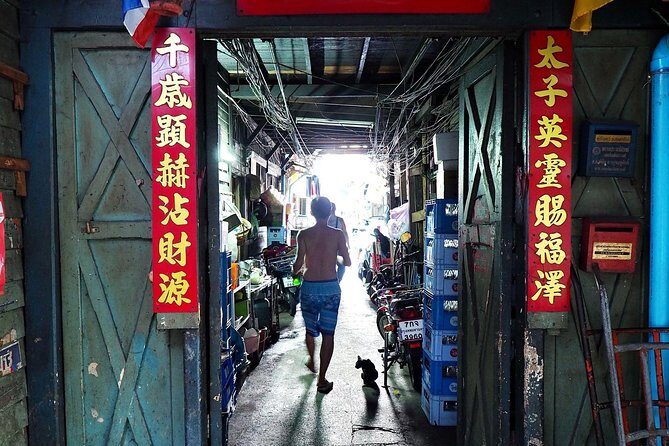
- Kuan Yim Shrine at Thian Fa: Chinese Goddess of Mercy, plus a 900-year-old statue and local prayer.
- Portuguese-era legacy: Holy Rosary Church (Kalawar/Wat Kalawa), built from Portuguese influence in 1786.
- Talad Noi wall art walk: lanes where graffiti is part of the cultural scene, not just decoration.
- Earsae Coffee stop: a 94-year-old coffee shop with a real neighborhood vibe.
- Small group size: maximum 8 people, so your questions can actually land.
- Tickets included for main stops: you don’t have to hunt down separate entry fees while on foot.
Talat Noi at 3pm: old port streets before Bangkok grew
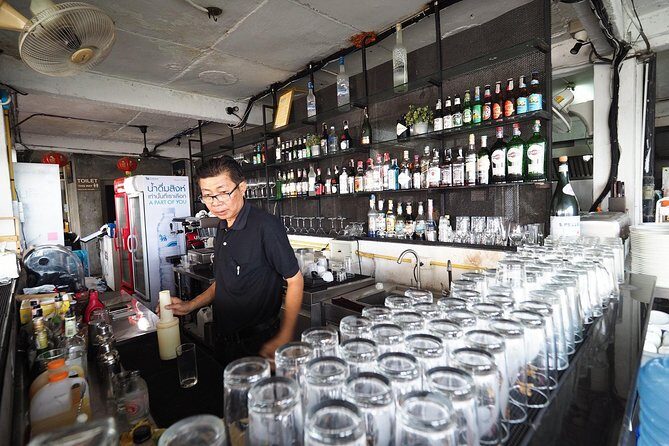
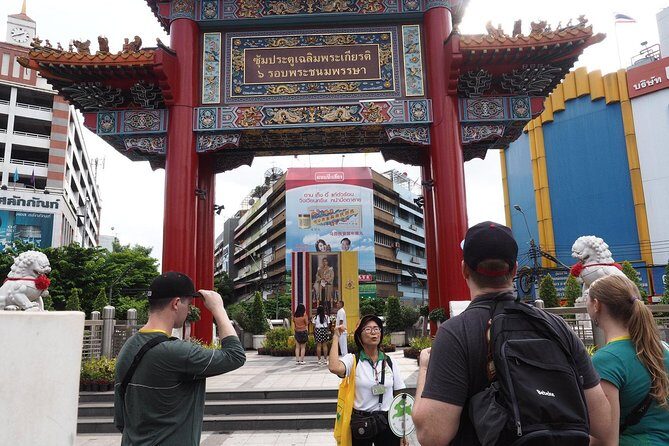
You’ll start at 552 ถ. เจริญกรุง (Pom Prap Sattru Phai) at 3:00 pm, and you’ll end near River City Bangkok on the Talat Noi side. The time matters because this is a walking-focused neighborhood experience—perfect for fading daylight without rushing through everything.
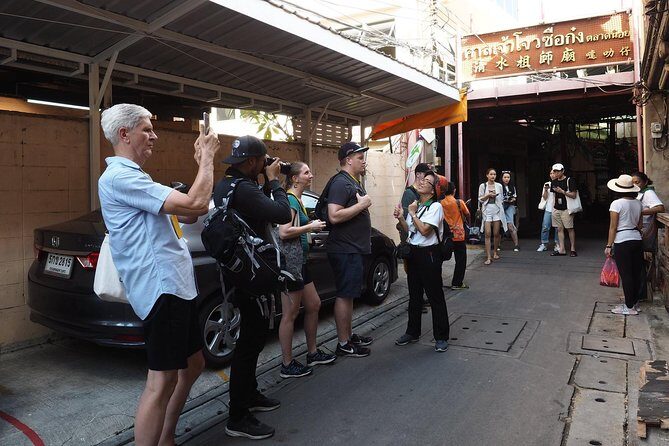
I like that the group stays small, with a maximum of 8 people. That size keeps the pacing friendly and makes it easier to ask questions instead of nodding politely the whole time. You also get a mobile ticket, which is handy when Bangkok is busy and your “where did I put that paper?” game is weak.
Talat Noi is more than a photo stop. This area was Bangkok’s first port, where immigrants landed, and its mix of communities left long fingerprints on language, food, and beliefs. During the tour, you’ll connect the dots between that early port history and the places you see today—shrines, churches, and street-level culture.
You can also read our reviews of more historical tours in Bangkok


Kuan Yim Shrine and the 900-year-old Guan Yin statue
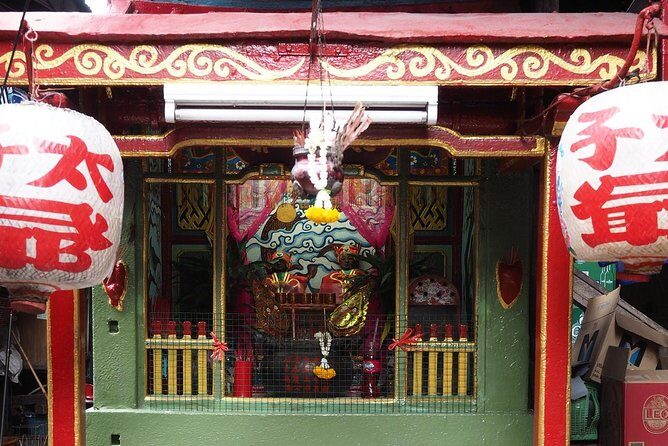
Your first major stop is the Kuan Yim Shrine (Thian Fa Foundation). This is one of the most colorful sights in Chinatown, and it’s also the kind of place where locals show up for real reasons, not just sightseeing. Inside, you’ll find Guan Yin, the Chinese Goddess of Mercy, and the statue is described as 900 years old—the kind of detail that makes your brain hit pause for a second.
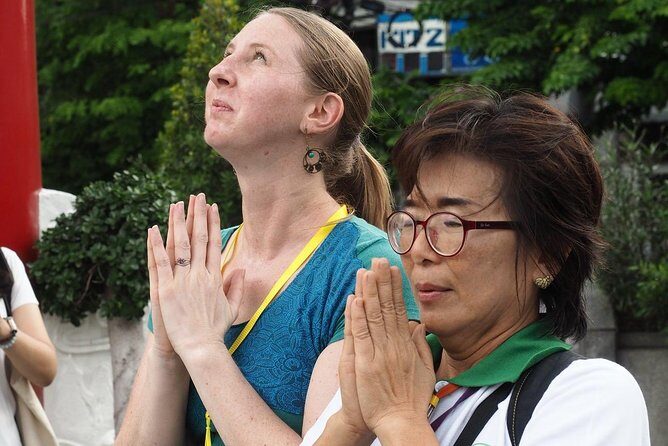
What I love here is the contrast: you’re in the middle of a modern city, but the shrine is treated as a living, working spiritual space. Thousands of locals come to pray here, so even if you don’t speak the local prayers, you can still feel the everyday rhythm of devotion.
Practical tip: keep your phone brightness down and your movement calm. In places where people are actively praying, the best photos come from being respectful first. If you have questions about who Guan Yin is and why this shrine matters locally, this is a strong moment to ask your guide—this stop is built for context.
The ticket is included, so you can focus on the experience rather than ticket counters.
Talad Noi wall art, Earsae Coffee, and why graffiti is part of the culture
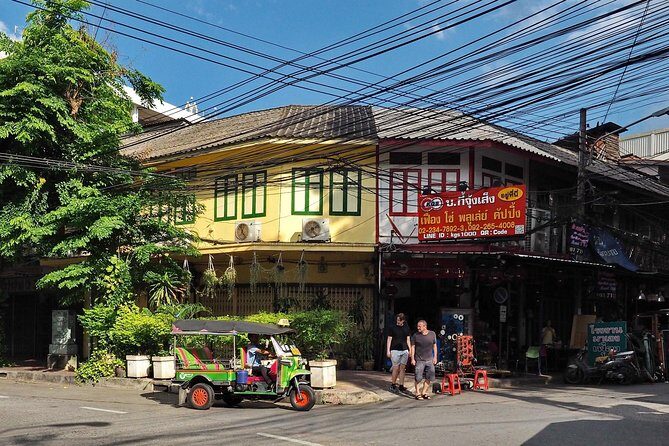
Next comes Talad Noi wall art, which is where the tour turns from formal landmarks into street identity. The neighborhood has houses and lanes covered with graffiti, and it’s popular with teenagers and hipsters—basically, it’s part of how younger people claim space in a place with deep roots.
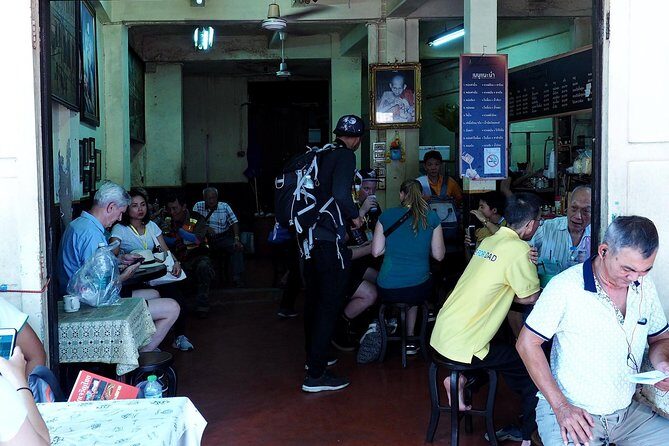
This is also where the tour feels more like “walk and notice” than “read and move on.” You’ll get time to look closely at murals and painted textures, then step into a place that keeps the older neighborhood mood: Earsae Coffee, a coffee shop that’s listed as 94 years old.
Here’s the value for you: wall art can easily become a generic photo-wall if you don’t know why it exists. On this tour, you’re given the background of how communities settled and lived here—Portuguese influence, and later Chinese, Vietnamese, and Khmer neighbors—and that context helps you see the graffiti as part of a continuing conversation, not random paint.
A smart approach: treat the coffee stop as a reset, not a full meal break. Grab something small if you want (buying coffee isn’t stated as included), then keep walking while the streets are still unfolding in front of you. The tour uses this section to help you understand why Talat Noi feels different from other parts of Bangkok Chinatown.
Holy Rosary Church (Kalawar/Wat Kalawa): Portuguese roots on the Chao Phraya
Your final big cultural anchor is the Holy Rosary Church, also known as Kalawar Church or Wat Kalawa. This is a Roman Catholic church located in Samphanthawong District on the eastern bank of the Chao Phraya River—so even the geography plays a role in the story.
The reason this stop hits is that it’s tied to the Portuguese chapter of Talat Noi. The area’s early ethnic community included Portuguese people who came from Ayutthaya. They built a Portuguese church in 1786, and today’s Holy Rosary Church is recognized as the connection to that earlier Portuguese presence.
During the tour, you also learn that later waves brought other groups into the neighborhood, not only Chinese but also Vietnamese and Khmer. That combination helps explain why Talat Noi doesn’t feel like a single-note Chinatown. It’s a mixed historical port community, and the religious landmarks reflect those layers.
Practical tip: church visits tend to be best with a calm pace. Dress basics matter in most places of worship, and you’ll feel better if you give people space to move and pray.
The ticket is included at this stop too, so once you’re here, you can just focus on the architecture and the story you’re being walked through.
Price and what $78.73 really covers for this 3-hour Chinatown loop
At $78.73 per person for about 3 hours, this tour is priced like a guided “hits and meaning” experience rather than a long food crawl. For the money, you get a structured route through key sites in Talat Noi and you also get tickets included for the main stops.
That matters in Bangkok, where you can lose time chasing entry fees and figuring out which lanes require what. Here, the tour handles the ticket side for you, and your guide handles the interpretation so you’re not just looking at buildings and calling it done.
Small group size is another quiet value point. Maximum 8 people doesn’t just sound nice—it helps you get answers. One guide name that shows up in feedback is Kaew, and the praise includes the way she answers lots of questions. If you like to ask follow-ups—Why this church? Why this shrine?—this format tends to work well.
Also, you’re in a neighborhood with plenty of Instagram-worthy scenes, but the tour’s real value is the context: the Portuguese church link from 1786, the shrine with Guan Yin’s 900-year statue, and the fact that Talat Noi was Bangkok’s first port where immigrants landed.
If you’re trying to spend your limited time well, this is the kind of tour that helps you build a mental map fast, then explore further on your own after.


Who this tour fits best in Talat Noi
This experience is ideal if you’re making your first serious visit to Chinatown and you want more than street-level wandering. You’ll get religion and architecture (Kuan Yim Shrine and Holy Rosary Church), plus the street culture side (Talad Noi wall art and a long-running neighborhood café).
It also fits if you like variety. Some Chinatown tours are only temples, or only markets. This one mixes shrine, Portuguese Catholic heritage, and neighborhood street art so the area feels like a whole place, not a single theme.
It’s also a good match for people who enjoy small-group guiding. With up to 8 participants, you’re less likely to feel lost in the back row.
The main consideration is pacing. Since it’s about 3 hours, you won’t get unlimited time in each spot. If you’re the type who loves to sit for long periods—reading every sign, taking slow photos, lingering for extra coffee—plan to add your own time afterward.
Should you book this Talat Noi tour? My practical take
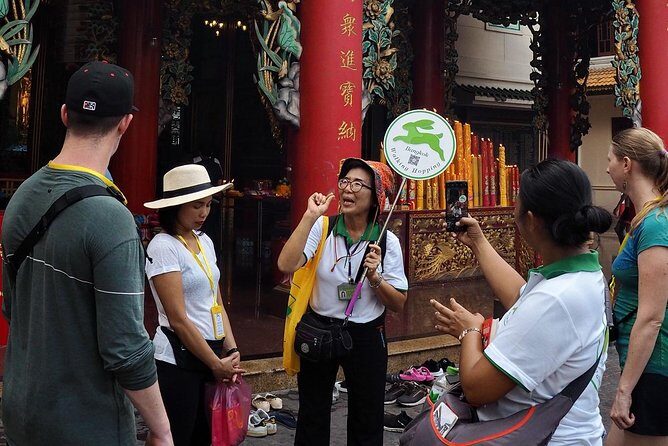
Yes, I’d book it if you want a fast, meaningful walk through one of Bangkok’s more specific corners. Talat Noi can be confusing if you only wander without a story, and this tour gives you the hooks that make the streets click: an old port community, Portuguese influence dating back to 1786, and today’s mix of beliefs and street culture.
Skip it or consider adding extra time if you mainly want a long, unstructured food day. This is a guided cultural and landmark route, with small food moments and a coffee stop, but it’s not positioned as an all-day eating mission.
If you’re the kind of person who likes to ask questions while you walk, do yourself a favor and go. The small group format and the focus on specific sites make it much easier to leave with real understanding—not just more photos.
FAQ
How long is the tour?
The tour runs for about 3 hours.
What is the price per person?
The price is $78.73 per person.
Is it a small group?
Yes. The maximum group size is 8 travelers.
Where does the tour start and end?
It starts at 552 ถ. เจริญกรุง (Khwaeng Pom Prap, Khet Pom Prap Sattru Phai) and ends at River City Bangkok, 23 Soi Charoen Krung 24 (Khwaeng Talat Noi, Khet Samphanthawong).
What stops are included?
The tour includes Kuan Yim Shrine (Thian Fa Foundation), Talad Noi wall art (including a stop at Earsae Coffee), and Holy Rosary Church (Kalawar Church / Wat Kalawa).
Do I need to bring a paper ticket?
No. You’ll receive a mobile ticket.
Is it near public transportation?
Yes, the tour is listed as near public transportation.
Can I cancel for a full refund?
Yes. Free cancellation is available up to 24 hours in advance of the experience start time.