REVIEW · BANGKOK
Bangkok: Grand Palace and Wat Arun Guided Walking Tour
Book on GetYourGuide →Operated by TripGuru Thailand · Bookable on GetYourGuide
Wat Bangkok can feel like a blur. This tour gives you a clean path through two top sights without turning it into a fight. I like the way it mixes big-ticket temples with short, fun transport beats, so you keep moving and still get time to look closely.
Two things I especially like: you get a guided visit to Wat Phra Kaew (Emerald Buddha) inside the Grand Palace complex, and you finish with Wat Arun’s dramatic riverside look. The small group size helps too, and guides such as Coconut, Suntaree, and Nancy tend to keep the pace friendly and the information clear.
One thing to consider: you’ll walk in sun and crowds, and the rules for temple clothing can be strict. Plan for comfortable shoes, no shorts, and heat breaks when your guide finds shade.
In This Review
- Key things to know before you go
- Grand Palace and Wat Arun in one tight, practical route
- Meeting at Golden Place (Tha Chang Pier Branch) without stress
- Temple rules and packing list that actually matter
- Inside the Grand Palace: Wat Phra Kaew and the Emerald Buddha
- Tuk-tuk to the pier, then a ferry ride across the river
- Wat Arun: the white chedi mosaic and why it photographs so well
- Why the guide quality shows up in the details
- Price and value: $18 plus entrance fees
- How much walking is too much for you?
- Who this tour suits best (and who will feel out of place)
- Should you book the Grand Palace and Wat Arun walking tour?
- FAQ
- What is the duration of the tour?
- Where does the tour start?
- What does the tour include?
- What are the entrance fees?
- Is it a small group?
- What’s the dress code?
- Do I need to arrive early?
- Is the tour suitable for everyone?
Key things to know before you go
- Small group (up to 9): you move faster than big groups but still get time for questions.
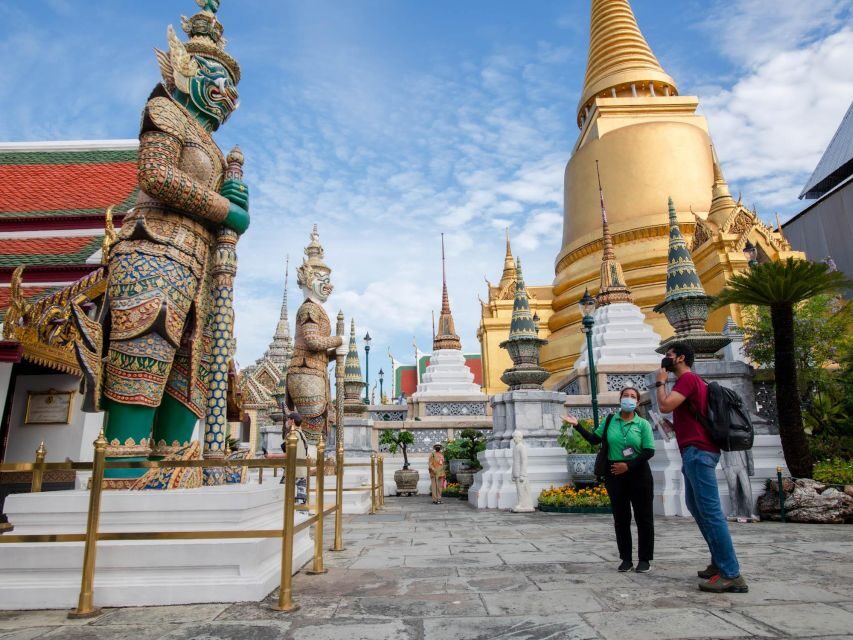
- Emerald Buddha at Wat Phra Kaew: the guide helps you make sense of what you’re seeing.
- Tuk-tuk plus ferry: a quick, local-feeling ride between complexes without exhausting backtracking.
- Wat Arun’s photo focus: that white chedi mosaic look is the main event.
- GSTC-certified + carbon offsets: the tour includes carbon emissions offset credits and uses bottled water in glass bottles.
- Temple clothing rules: no shorts, short skirts, or sleeveless shirts.
Grand Palace and Wat Arun in one tight, practical route
This tour is built for people who want the essentials of Bangkok’s temple scene without spending your whole day sorting out tickets, routes, and meeting points. You get a guided walking circuit around two world-famous sights, then you cross the river with the help of a tuk-tuk and ferry combo.
The timing is compact, about 3 hours, and that matters because both the Grand Palace area and Wat Arun can get packed. A guide helps you avoid the slow-motion wandering that happens when you’re trying to figure out what’s worth your time.
Also, it’s a good use of energy. You’re not doing a marathon, but you are doing real walking on uneven temple surfaces. If you’ve ever tried to see Bangkok’s best stuff on your own in summer heat, you’ll appreciate the structure.
You can also read our reviews of more walking tours in Bangkok

Meeting at Golden Place (Tha Chang Pier Branch) without stress
Your starting point is Golden Place (Tha Chang Pier Branch), near Tha Chang Pier. You’ll want to arrive at least 10 minutes early, because the guide only waits up to 10 minutes after the stated pickup time.
Here’s the practical bit: Bangkok traffic can be unpredictable, especially in the morning. Even if your navigation app looks confident, give yourself buffer time. When you’re walking temples, you don’t want your day chopped by one late arrival.
Your guide will be holding a TripGuru sign, and you’ll get your meeting time confirmed by email the evening before. That pre-confirmation is helpful, because temple tours depend on being at the right place at the right minute.
Temple rules and packing list that actually matter
The Grand Palace and temple areas are strict about clothing. You should expect: no shorts, no short skirts, and no sleeveless shirts.
Bring practical stuff that matches the reality of Bangkok:
- Comfortable shoes (you’ll thank yourself later)
- Sunscreen, hat, sunglasses
- Insect repellent (especially if you’re out longer or near water)
- Camera (Wat Arun is a serious photo stop)
- Cash for entrance fees
If you forget the cash part, you’ll still be there, just frustrated. Entrance fees aren’t included, and you’re responsible for paying them on site.
Inside the Grand Palace: Wat Phra Kaew and the Emerald Buddha
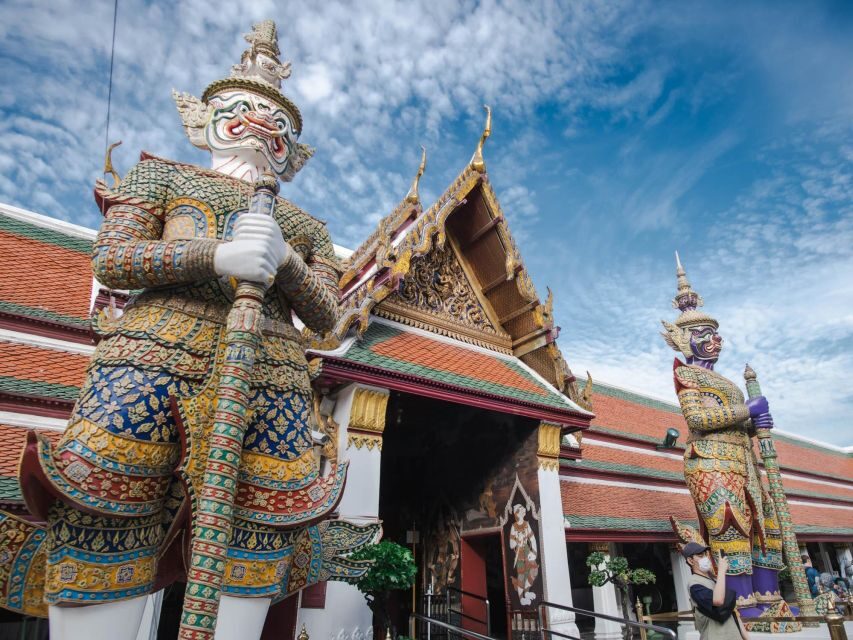
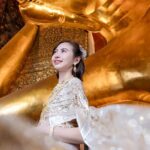
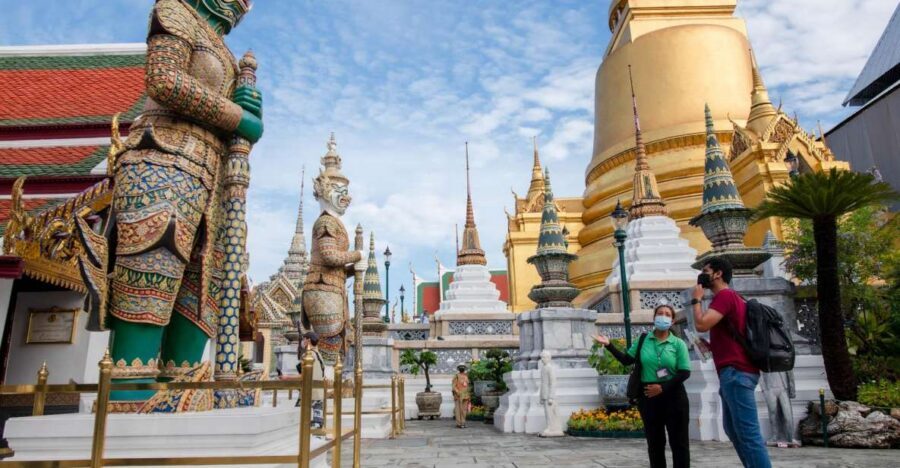
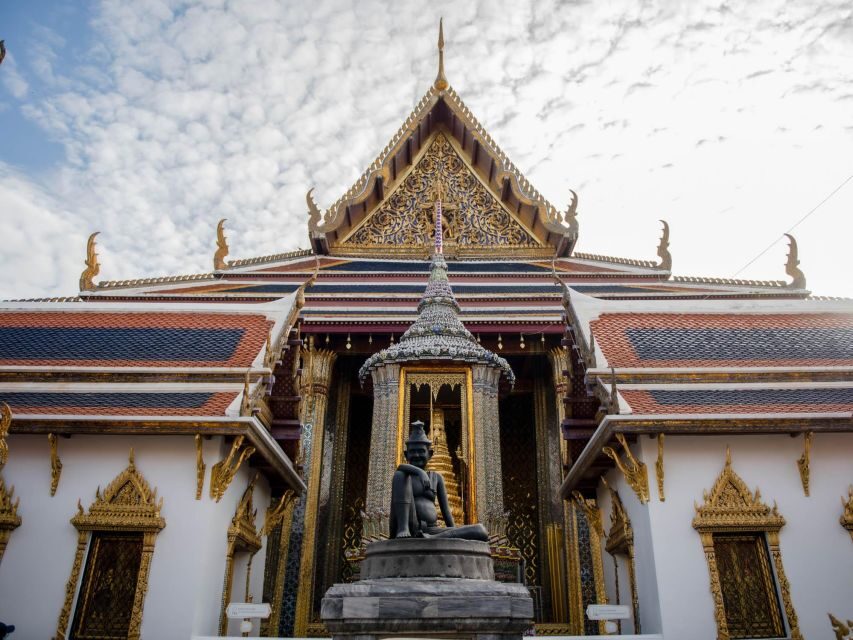
The first major stop is the Grand Palace area, with guided time focused on Wat Phra Kaew, also called the Temple of the Emerald Buddha. Even if you’ve seen photos online, the live experience hits differently because the details are everywhere.
This is where having a guide pays off. The guide helps you notice what’s important—statues, layout, and the meaning behind the visuals—so you don’t end up just taking pictures without understanding what the scene is trying to communicate.
The Emerald Buddha complex also has a flow you can miss if you’re going solo. With a guide, you generally move in a way that keeps your time efficient and avoids dead ends. You also get a better shot at the best photo angles, because the guide knows where people tend to cluster.
One more thing I like: you’re not just standing still. You’re guided through a sequence, which keeps the visit from becoming overwhelming in the crush.
Tuk-tuk to the pier, then a ferry ride across the river
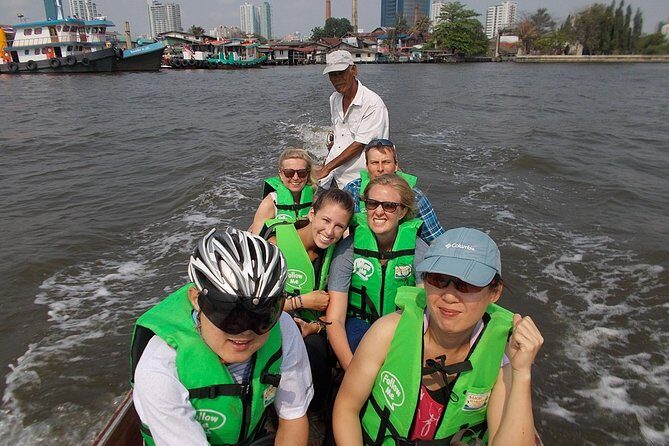
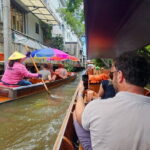
Between the palace side and Wat Arun, you switch gears. You’ll take a 10-minute tuk-tuk ride to the pier area (Tha Tian), then board a ferry for about 10 minutes to cross the river.
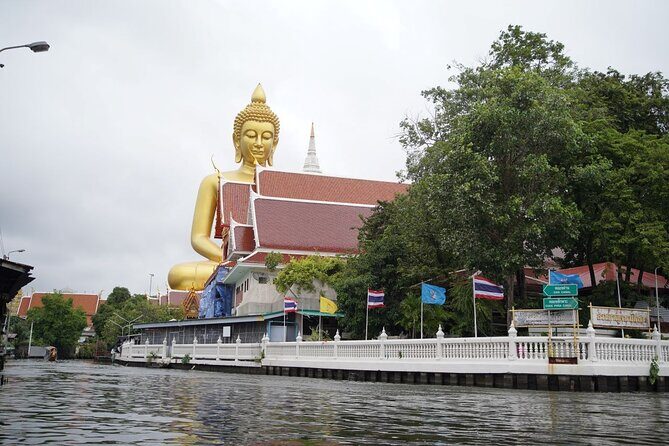
This part is small, but it’s smart. It breaks up the day, and it also gives you the Bangkok river rhythm instead of only seeing temples from one side. Even a short ferry ride can make the whole tour feel more like a day in the city than a checklist.
Also, the transport segment is included. That matters for value, because it’s one less thing you’re trying to price and figure out on the fly.
You can also read our reviews of more guided tours in Bangkok




Wat Arun: the white chedi mosaic and why it photographs so well
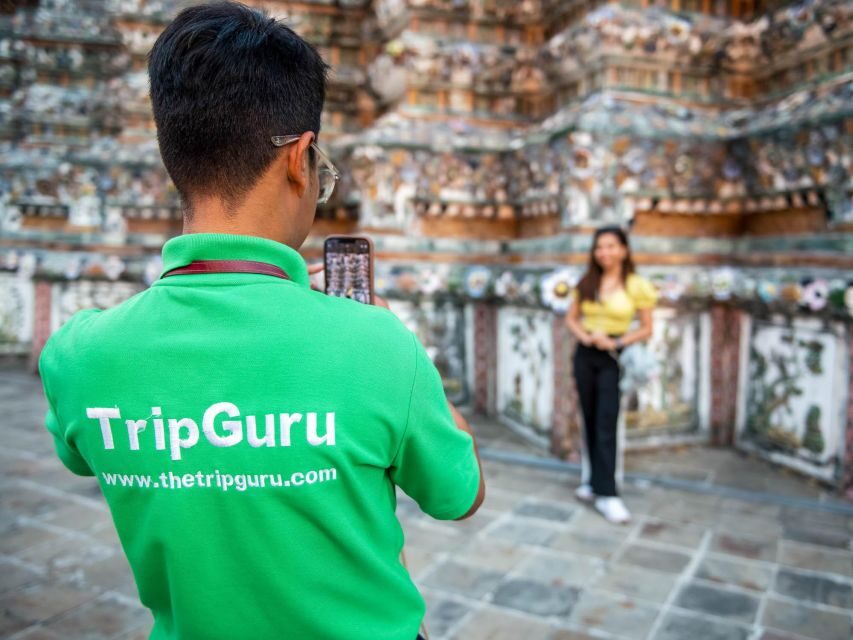
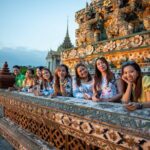
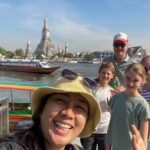
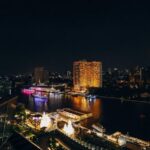
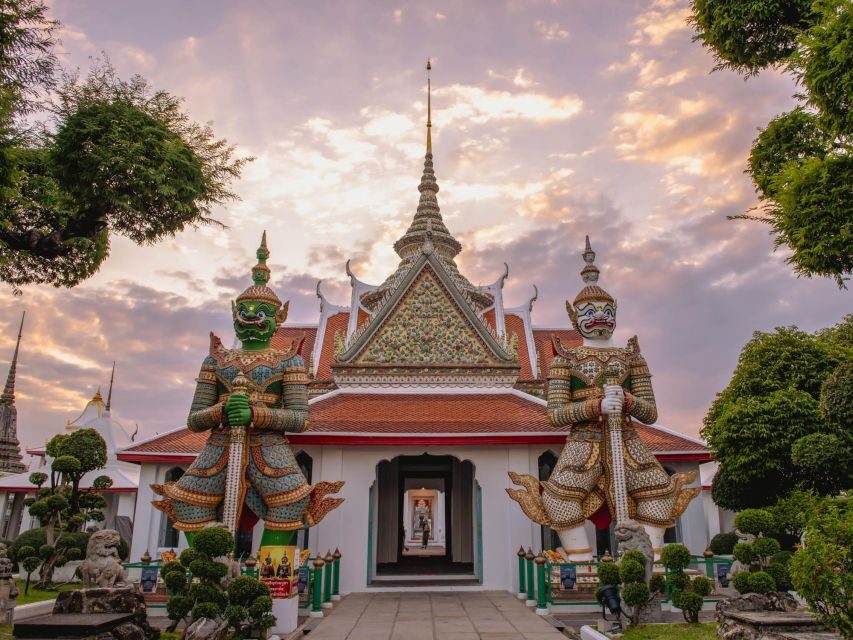
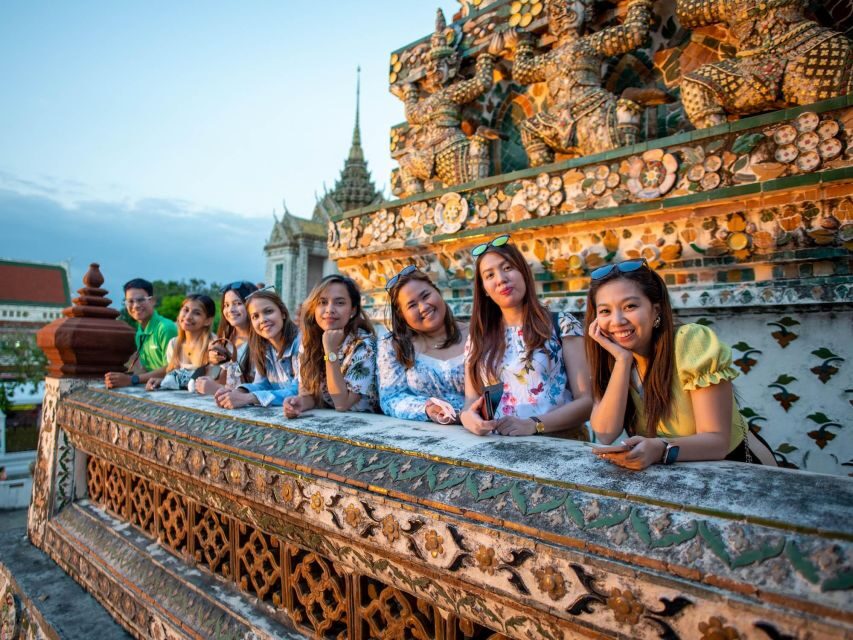
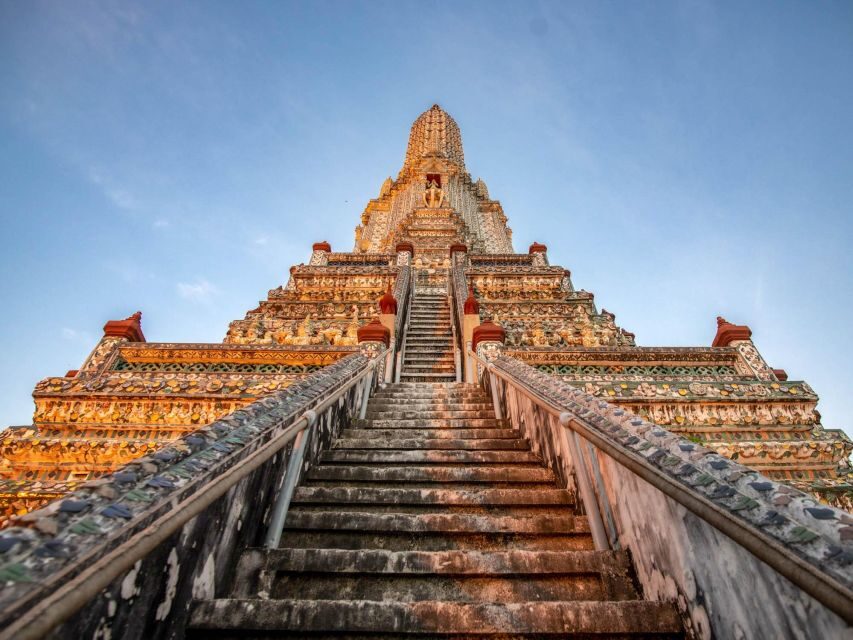
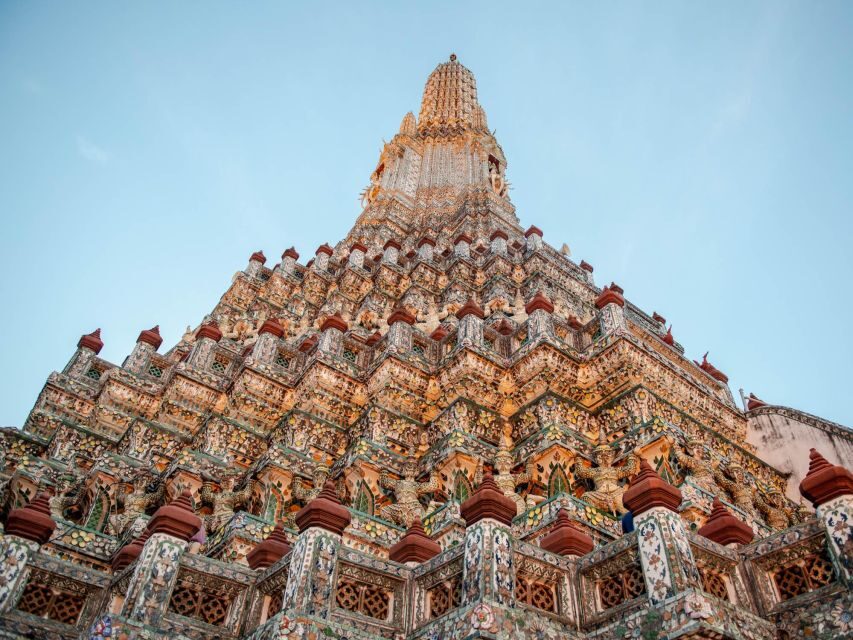
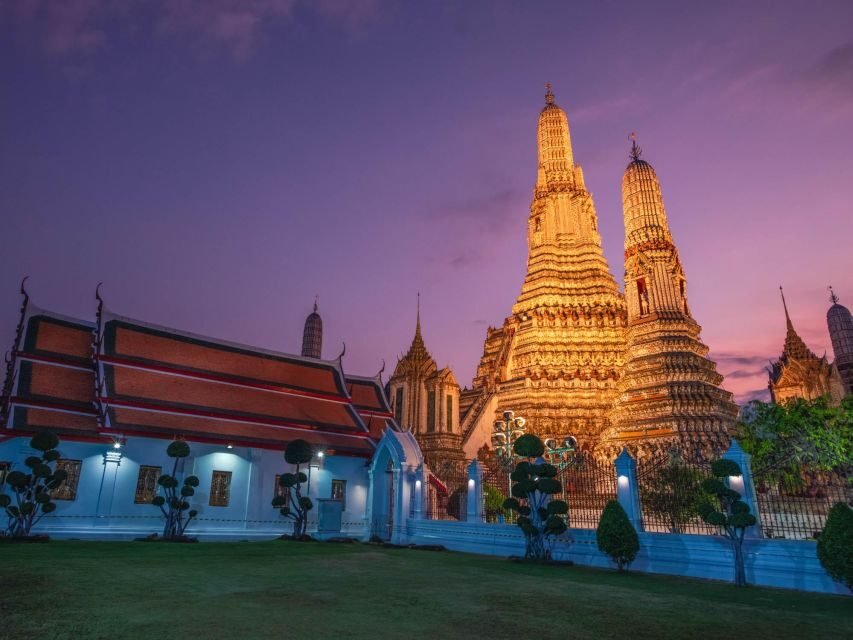
Wat Arun is your second guided temple stop, and it’s the one people often mean when they say Instagrammable temple. It’s about 300 years old, and the main draw is the towering white chedi covered with thousands of vibrant mosaic pieces.
The way the guide handles this stop usually makes a difference. With the right timing, you get time to look up at the details, then step back and reframe for photos without feeling rushed. That balance is useful because crowds can build quickly around the best angles.
Wat Arun also feels more open than some of the densest palace corridors. That helps you breathe a little after the Grand Palace complexity. The focus stays on the chedi, the surfaces, and the riverfront setting that makes the temple so distinctive.
When the tour ends, you finish at Wat Arun Ratchawararam Ratchawaramahawihan. So you’re essentially dropping off near the temple area rather than being sent back to the palace side.
Why the guide quality shows up in the details
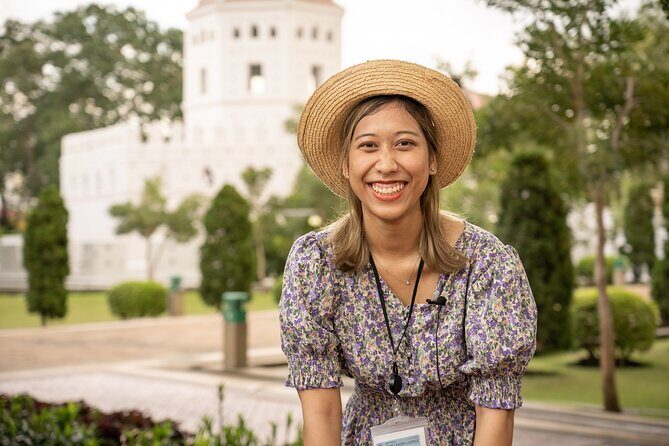
Small-group tours live or die by the guide. In past groups with guides like Coconut, Suntaree, and Sunny, the common theme is clear: they keep the pace manageable and explain what you’re seeing.
You’ll notice practical touches too. Guides like Suntaree have a knack for finding shade or a fan stop when the heat presses in, which is not just nice—it helps you keep your focus. Others, like Nancy and Fern, have been strong on making the information understandable and answering questions without making anyone feel rushed.
A couple of guide names that show how consistently people rate this aspect: Jacky, May, Pop, Napat, and Theravadh. Even when English skill varies a bit across guides, the best ones help you connect the visuals to meaning so the temples don’t turn into random scenery.
If you care about learning, you’ll like this. If you just want good photos, you still benefit because someone who knows where to stand saves you time and energy.
Price and value: $18 plus entrance fees
The price is $18 per person, and that includes more than you’d expect for a temple day tour. You’re paying for:
- a walking tour with a live English guide
- a tuk-tuk ride (from the Grand Palace area to the pier area)
- a ferry ride to cross the river
- carbon emissions offset credits
What’s not included are the entrance fees:
- Grand Palace: 500 THB
- Wat Arun: 100 THB
So your real on-the-ground cost is the tour price plus those tickets. The question is: is it worth it? In my view, it usually is if you want guidance and you’d otherwise have to coordinate transport and interpret what you’re seeing.
On your own, you could spend less on the tour fee, but you’d still pay the entrance fees, and you’d still need to manage river crossing and get the timing right in crowds. Here, the value comes from smooth movement and context.
Also, the sustainability angle is not just a marketing bullet. You get water in glass bottles and carbon offset credits, which is a sensible extra when you’re choosing between tour options.
How much walking is too much for you?
This tour is not for everyone. It’s marked as not suitable for:
- pregnant women
- people with mobility impairments
- people with heart problems
- people with respiratory issues
That makes sense given the walking in temple areas and the pace you need to keep up with a timed route. You’re on your feet, and you’re also navigating crowds.
If you’re generally healthy but you get tired easily, you can still enjoy it—just plan for slow moments, bring water, and wear proper shoes. The guide can also help you pace the group, but you still need to be physically able to move through the sites.
Who this tour suits best (and who will feel out of place)
This is a strong fit if you:
- want two top temples in one guided day segment
- like structure when crowds are heavy
- want transport included (tuk-tuk and ferry)
- care about learning what you’re looking at, not just snapping photos
It’s less ideal if you:
- need step-free routes or have mobility limitations
- get uncomfortable with strict dress rules
- want a slow, linger-anywhere style of sightseeing
If you’re short on time in Bangkok but still want the Grand Palace and Wat Arun combo, this tour gives you a tight plan that makes sense.
Should you book the Grand Palace and Wat Arun walking tour?
I’d book it if you want a guided, efficient route that includes the river-crossing transport and keeps the day from turning into a logistics puzzle. The standout value is the combination of Wat Phra Kaew with an Emerald Buddha focus, then finishing with Wat Arun’s chedi mosaic—and doing it with a guide who can manage pacing and explain the details.
Skip it if you can’t handle walking and heat, or if you need accessibility accommodations. Also, if you hate following dress rules, you’ll probably feel annoyed before you even enter.
If you’re the kind of traveler who wants to see Bangkok’s biggest temple hits with less stress and more meaning, this tour is a smart use of a few hours.
FAQ
What is the duration of the tour?
The tour runs for 3 hours (starting times depend on availability).
Where does the tour start?
The meeting point is Golden Place (Tha Chang Pier Branch). The guide will be holding a TripGuru sign.
What does the tour include?
It includes a walking tour, an English guide, a tuk-tuk ride, a ferry ride, and carbon emissions offset credits.
What are the entrance fees?
Entrance fees are not included. You should bring cash for Grand Palace (500 THB) and Wat Arun (100 THB).
Is it a small group?
Yes. The group is limited to up to 9 participants.
What’s the dress code?
You can’t wear shorts, short skirts, or sleeveless shirts. Plan for covered clothing to enter temple areas.
Do I need to arrive early?
Yes. Be at the meeting point at least 10 minutes early, and the guide waits a maximum of 10 minutes.
Is the tour suitable for everyone?
No. It’s marked as not suitable for pregnant women, people with mobility impairments, and those with heart problems or respiratory issues.