REVIEW · BANGKOK
Bangkok: Must things to see in China town, Small group
Book on GetYourGuide →Operated by LJ Tour Cultural and Soft Adventure Tours · Bookable on GetYourGuide
Chinatown looks different when you slow down. This small-group walk guides you through narrow alleyways packed with old-school culture, street art, and stories you’ll miss on your own, with real local food stops along the way. One thing to plan for: the temple part includes steep stairs, so take your time.
I liked that the pace feels like a conversation, not a lecture. I went with Mee, and her energy makes the neighborhood’s Thai-Chinese links click fast. You’ll cover about 4 kilometers (mostly flat), and the tour runs for around 3.5 hours in English or Thai.
In This Review
- Key highlights you’ll care about
- Walking starts at Tang Hua Pug, then you get oriented fast
- 15+ Chinatown stops: art, alleys, and the stories behind the scenes
- The secret temple + steep stairs: worth it, but dress for the climb
- Sampeng Market: oldest vibes, lesser-known aisles, real shopping energy
- Food and coffee breaks: snack tastings plus local lunch
- Cozy cafe pause and viewpoint time: recharge, then keep going
- Practical details that affect your comfort
- Price and value: $41 for guide, 15+ stops, coffee, snack, and lunch
- Should you book this Bangkok Chinatown small-group tour?
- FAQ
- Where do I meet the tour?
- How long is the tour?
- How much walking is involved?
- What’s included in the price?
- Is alcohol included?
- What languages is the guide speaking?
- What should I wear for the temple visit?
- Is the tour suitable for everyone?
Key highlights you’ll care about
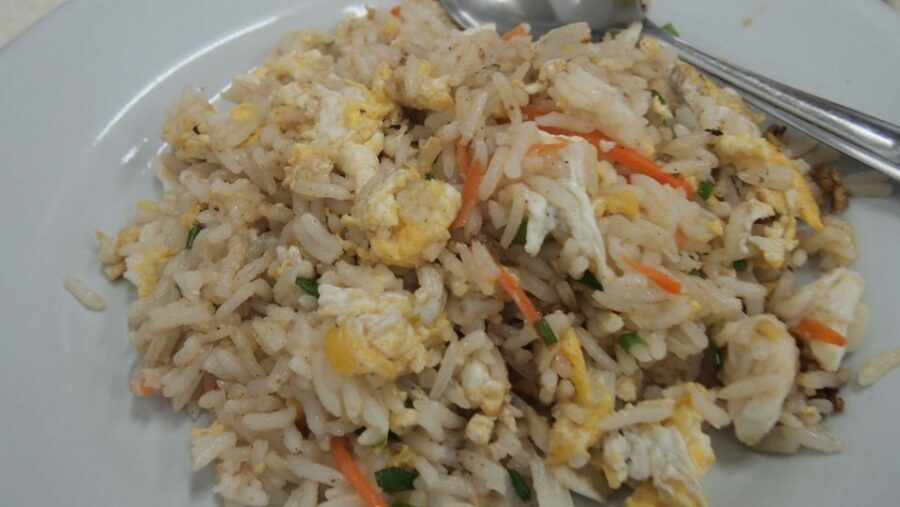
- 15+ Chinatown stops with snack, coffee, and a local lunch included
- Secret temple visit plus a viewpoint area for photos and city glimpses
- Sampeng Market experience through older, lesser-known alleys and shop rows
- Thai-Chinese food culture with tastings that feel practical, not staged
- Short breaks for photos and a cafe pause so you’re not walking non-stop
Walking starts at Tang Hua Pug, then you get oriented fast
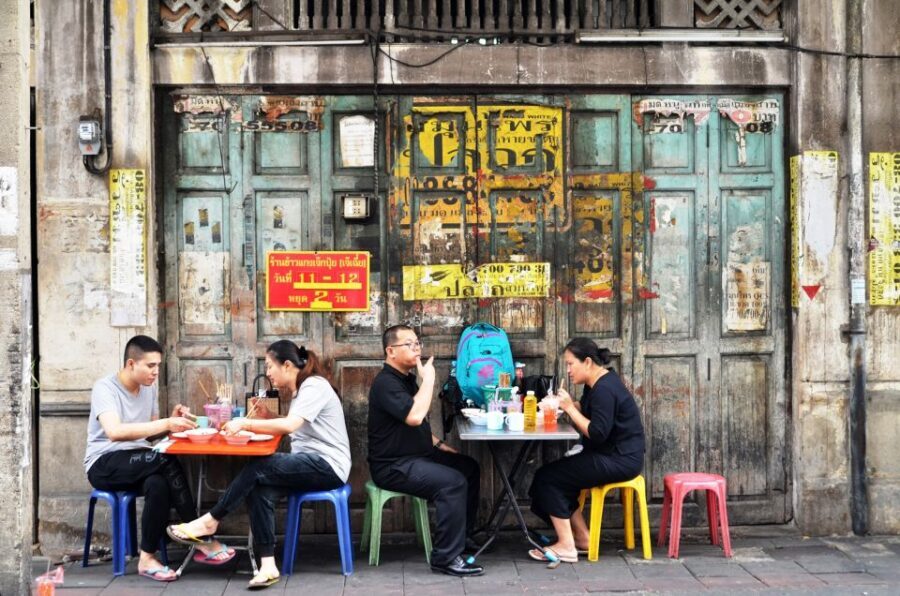
Your tour kicks off at Tang Hua Pug Building, then you’ll head into Chinatown with your guide. This matters more than you’d think. Chinatown in Bangkok isn’t one “attraction.” It’s a web of streets where the interesting parts often hide behind the obvious ones.
The guide uses the neighborhood like a map. Instead of sending you to a checklist, the route is built around how locals live and trade—old buildings, small businesses, and places people actually stop at during the day. That’s why even the first turns feel useful. You learn how to read the streets: what’s a shortcut, what’s a dead-end you ignore, and where the crowd shows up for a reason.
You’ll also get a clear sense of pacing. The walk is about 4 km, and it’s described as flat almost everywhere, which makes this doable even if you’re not a power-walker. The exception is the temple portion, so you’re not guessing what will be tough later.
You can also read our reviews of more tours and experiences in Bangkok.

15+ Chinatown stops: art, alleys, and the stories behind the scenes
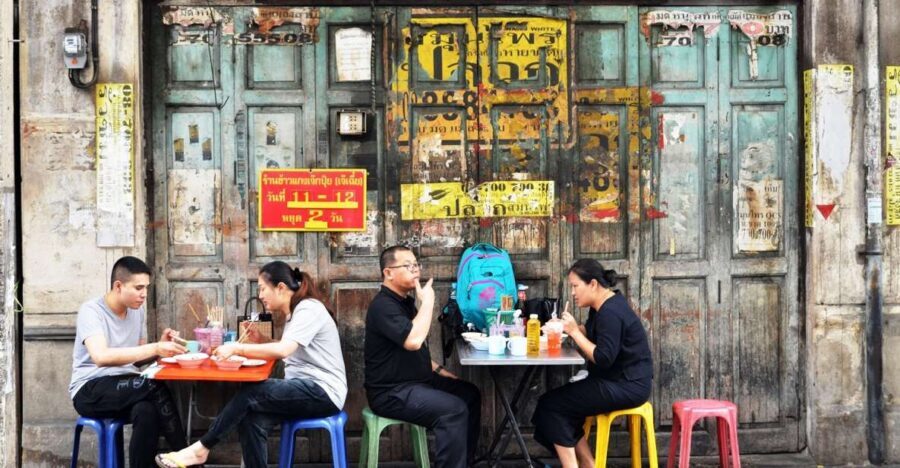
This is the part I’d call the “eyes open” segment. You’ll be moving through colorful streets and narrow alleys where the details are the point—signs, shopfronts, walls, and the kind of street-level visuals you’d never notice if you only stayed on the main road.
Two things make this stop-and-walk style work in Chinatown:
- Small group size changes how you see. You can get questions answered right away and adjust your attention as you go.
- The guide threads the context together. You’re not only looking; you’re learning how the Thai-Chinese community shaped daily life here.
The tour includes multiple photo stops and general sightseeing along the way. That’s helpful because Chinatown can be visually loud. If you try to “photograph everything,” you miss what matters. With a guide, you learn where to slow down and where to keep moving.
You’ll also have some shopping time. That’s a good thing to include if you want souvenirs that feel tied to the neighborhood rather than generic. Just keep your expectations realistic: Chinatown shops can be crowded and some areas are tight, so plan to browse with a light touch.
The secret temple + steep stairs: worth it, but dress for the climb
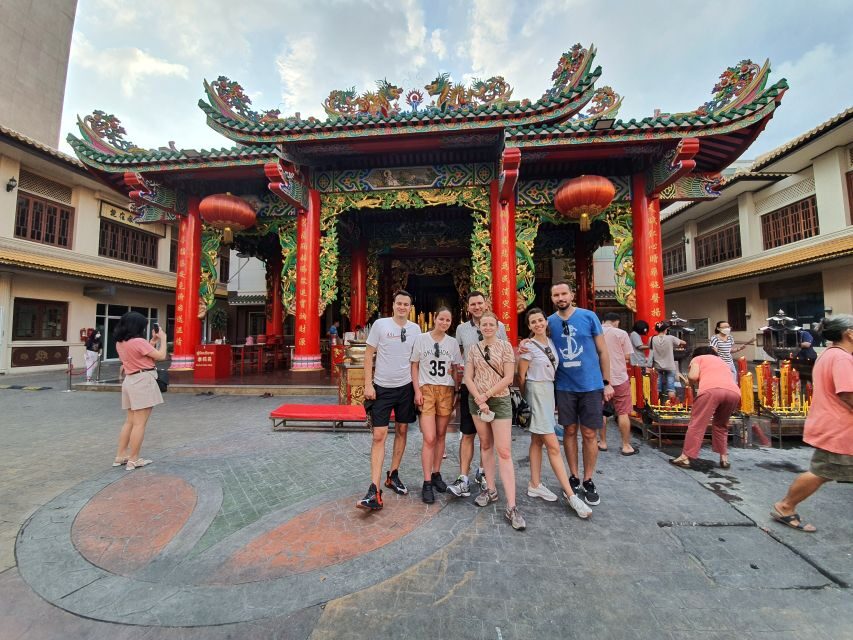
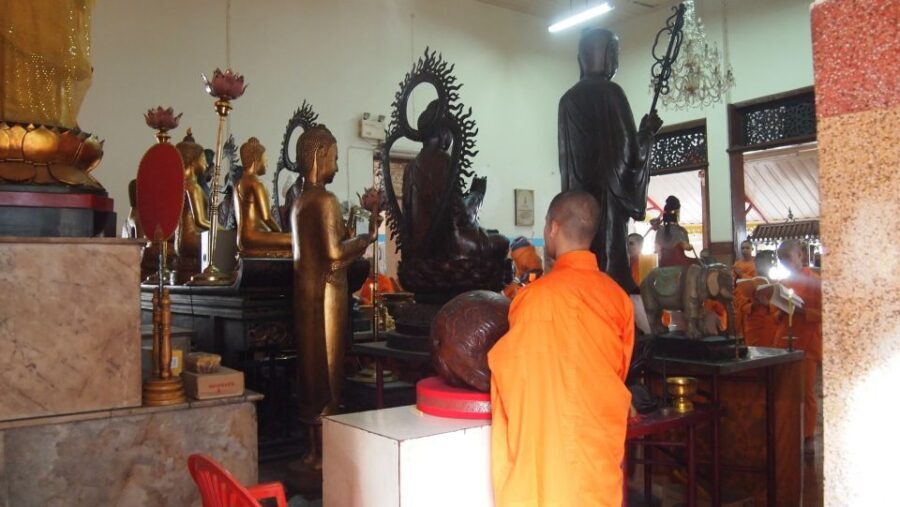
One highlight is a visit to a temple area that feels more off-the-beaten-path than the usual big-name stops. Expect a calm break from the street noise, even while you’re still in the middle of the city’s energy.
Now for the practical part: temples here involve steep stairs. The tour notes it clearly, and you should treat it seriously. I’d plan for slow steps and steady footing. If you’re wearing flip-flops, make sure they grip—slipping on steps ruins the moment fast.
Temple etiquette also matters. You’ll be visiting temples, so the guidance is clear: don’t wear short skirts or short pants. Choose clothing that covers appropriately and lets you move comfortably. If you’re traveling in humid weather, light breathable fabric is your friend, as long as it meets the dress rules.
This temple portion is also why the tour isn’t listed for wheelchair users and isn’t recommended for everyone. It’s not just “accessibility language.” It’s about the physical shape of the stairs.
Sampeng Market: oldest vibes, lesser-known aisles, real shopping energy
After you’ve seen the street art and temple calm, you’ll shift into market mode with Sampeng Market. This is described as one of Bangkok’s oldest open markets, and the point of the experience is not just seeing it—it’s walking through the labyrinth of smaller alleys where the market’s day-to-day rhythm plays out.
Markets in Bangkok can be overwhelming if you’re trying to navigate alone. With a guide, you get three big advantages:
- You know which aisles to prioritize.
- You understand what you’re seeing (not just “cool stuff”).
- You don’t waste time backtracking in tight lanes.
In Sampeng, the lanes can feel like a maze. The tour’s focus is on guiding you through that energy so you come out with better context than a random photo walk. You’ll also have time that works for shopping, but again—think browsing and picking what truly catches your eye.
This part is also a great time for people-watching. You’ll notice how different kinds of stores cluster together. You’ll see what’s practical, what’s seasonal, and what people buy when they’re running daily errands.
Food and coffee breaks: snack tastings plus local lunch
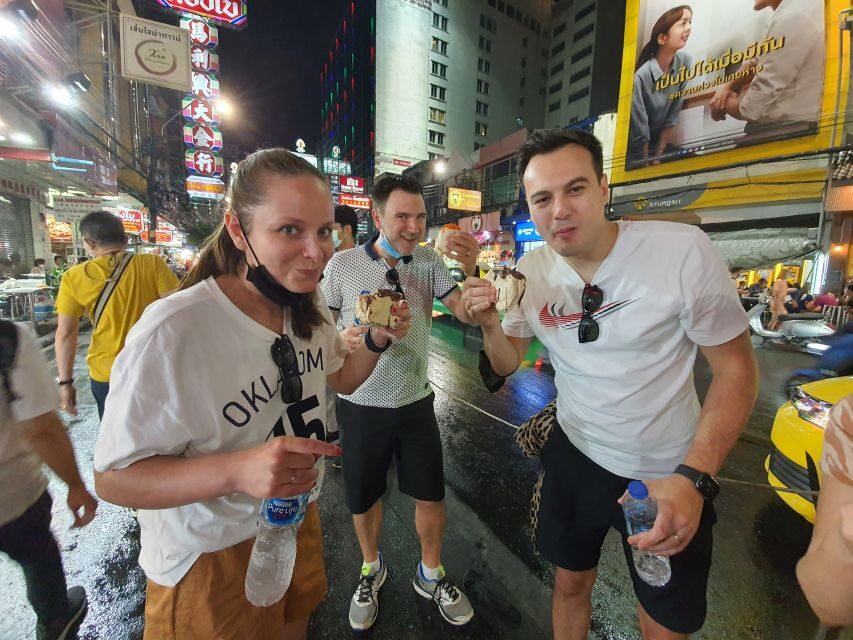
Let’s talk about why the tour’s included meals matter. The package includes snack, coffee, and a local lunch. That’s not just for convenience—it’s the easiest way to experience Chinatown as locals do.
The tastings are part of the walking logic. You’ll get small samples that keep you energized while you’re moving between neighborhoods of streets, markets, and temples. And because the tour includes lunch at a well-known local restaurant, you’re not stuck choosing blindly when you’re hungry and tired.
A couple practical notes you’ll appreciate:
- You’ll likely want to pace your snack samples so you still enjoy lunch.
- If you’re sensitive to spice, it’s worth telling your guide early. The tour doesn’t mention dietary customization, but a good guide can at least help you choose what fits your comfort level.
The coffee and cafe stop later on also helps. Chinatown can wear you out through the heat and crowds. Having built-in moments to sit down isn’t weakness—it’s how you keep enjoying the rest of the day.

Cozy cafe pause and viewpoint time: recharge, then keep going
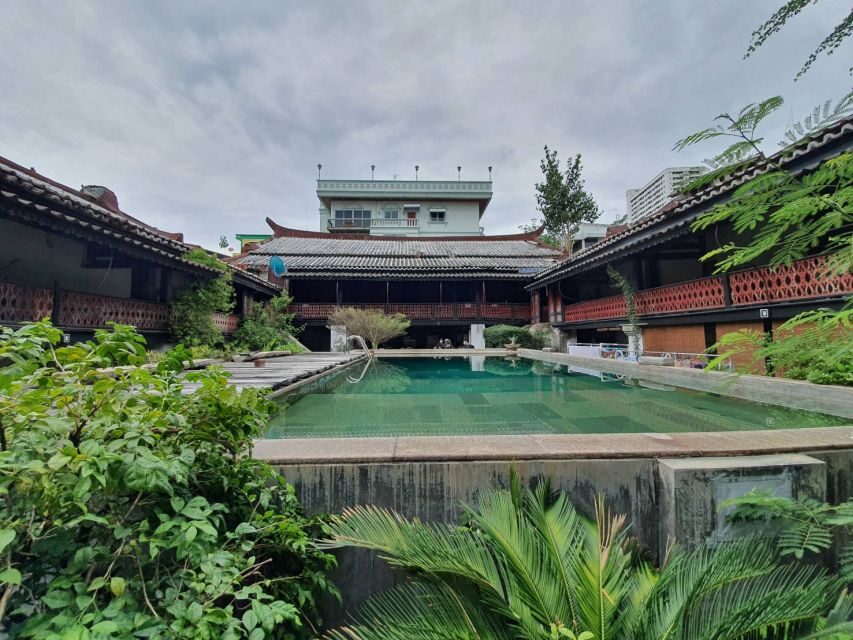
The itinerary includes a break at a cafe described as trendy in Chinatown terms. Even if you’re not a cafe person, this is a smart stop because it resets you. You’ll sip a drink, look around, and take in the mix of people, signage, and neighborhood vibes from a slightly more comfortable vantage point.
There’s also time for scenic views on the way and a viewpoint segment as part of the hidden-sites theme. That’s a good mix because it prevents the tour from feeling like constant “walk, look, walk.” Chinatown rewards attention at street level, but a viewpoint gives you a wider picture—like suddenly understanding where you are on the map of the city.
Also, photo opportunities are built into the route. That’s helpful because it keeps the camera work from turning into a distraction. You’re photographing when it counts.
Practical details that affect your comfort
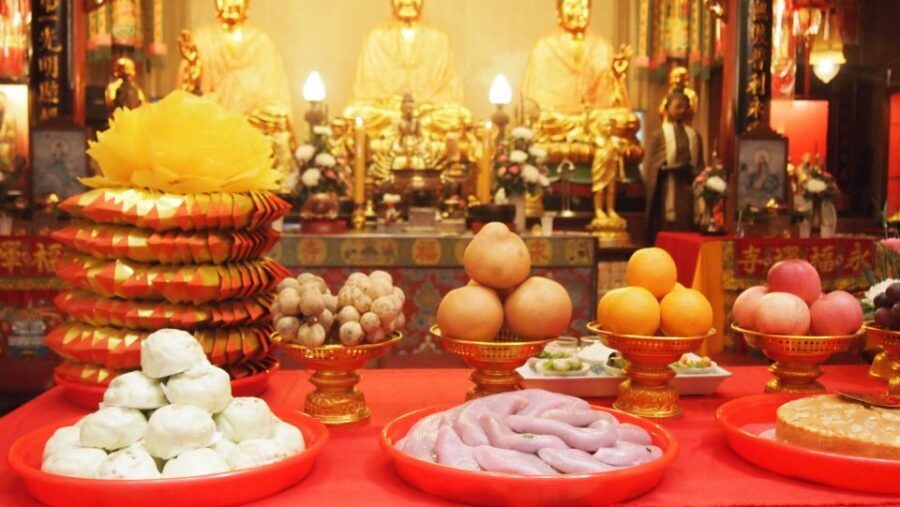
Before you book, read these like a checklist. They’re the difference between a smooth tour and a stressful one.
Shoes: easy on-and-off shoes or flip-flops are recommended, but be realistic about grip on steep stairs at the temple. If you have comfortable sneakers, they’re often the safest bet.
Rain: from May to September, rainy season is a thing. Bring an umbrella. Streets can get slick, and shade from buildings can’t always save you.
Walking length and terrain: about 4 kilometers total, flat almost everywhere except at the Chinese temple portion. That means you’re not doing a long mountain hike, but you are doing stairs.
Dress code: temples require covered attire. Skip short skirts and short pants.
Who it may not suit: it’s not suitable for wheelchair users, pregnant women, and babies under 1 year. People over 95 aren’t listed as suitable either.
Language: live guide in English and Thai. If you’re more comfortable speaking than listening, you’ll likely get more out of the tour by asking questions as you walk.
Price and value: $41 for guide, 15+ stops, coffee, snack, and lunch
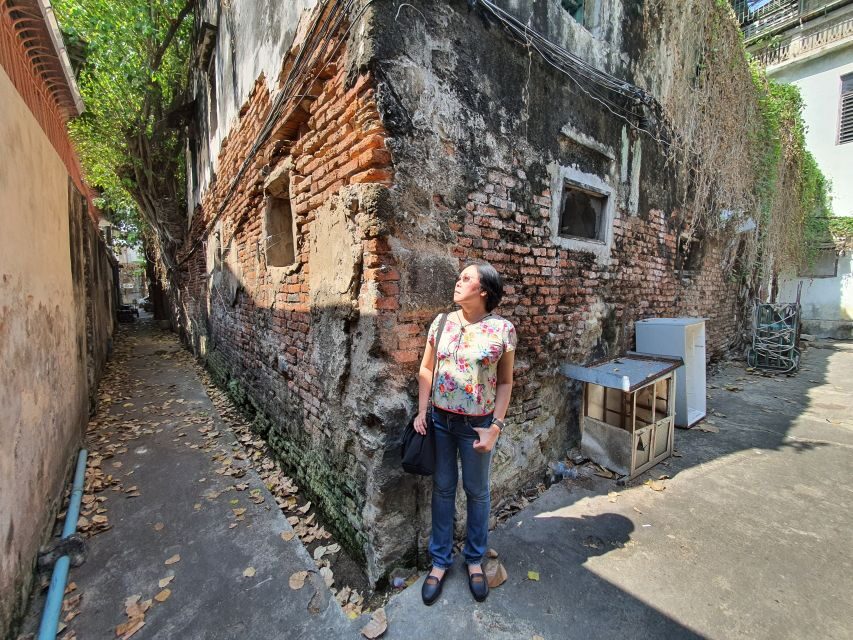
At $41 per person for about 3.5 hours, the value comes from what’s included—not just the guiding.
You’re getting:
- A tour guide
- Snack and coffee
- Local lunch
- Access to 15+ places around Chinatown
In practical terms, this means you’re paying for two things that are hard to DIY:
- Time saved. You’re not figuring out how to connect the “worth your attention” stops.
- Food planning. You don’t have to hunt for a good lunch spot while navigating crowds.
If you would normally spend money on lunch plus a couple snacks and coffee anyway, the included meals make the price feel more fair. And if you like context—history, culture, how communities live—this style of tour is built to deliver that without turning it into a museum day.
Should you book this Bangkok Chinatown small-group tour?
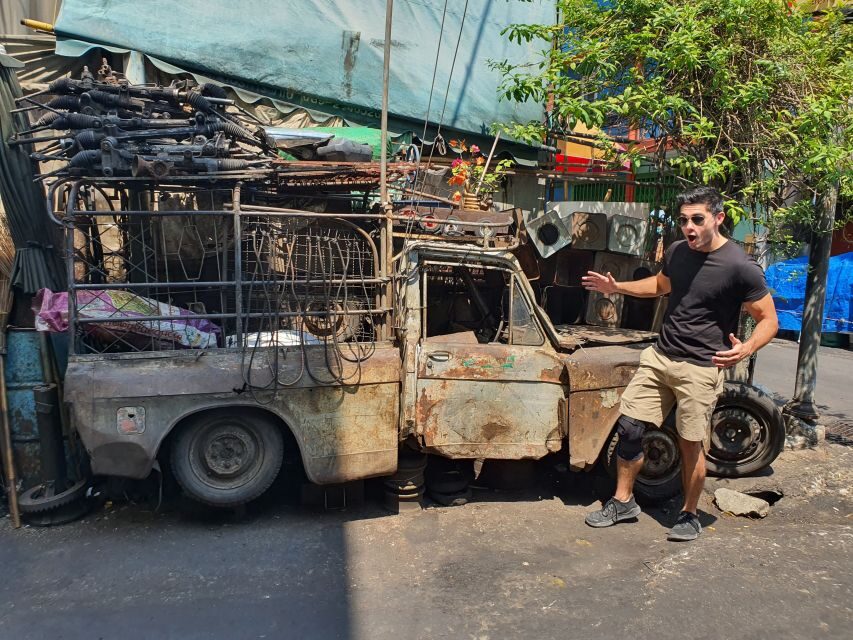
I’d book it if you want Chinatown with structure. This isn’t a “walk and hope” outing. The route focuses on narrow streets, a secret-feeling temple visit, Sampeng Market, and food stops that keep you engaged.
It’s also a good choice if you like guides who can explain what you’re seeing while you’re actually there. If you’re the type who enjoys questions—why something is there, who uses it, how the community shaped the area—you’ll get more out of the day.
Skip it (or plan carefully) if steep temple stairs would be a problem for you, or if your clothing won’t work for temple etiquette. And if you hate walking entirely, remember this is about 4 km total, even though it’s mostly flat.
If you’re traveling in rainy season, pack for the weather and you’ll be fine.
FAQ
Where do I meet the tour?
You meet at MRT Hualampong Exit 1. The guide has a shirt that says Eatwalktalktour.
How long is the tour?
The tour runs for about 3.5 hours.
How much walking is involved?
The total walking distance is about 4 kilometers (around 2 miles), and it’s flat almost everywhere except at the Chinese temple.
What’s included in the price?
The tour includes a tour guide, snack, coffee, and a local lunch, plus visits to 15+ places in Chinatown.
Is alcohol included?
No. Alcoholic drinks are not included.
What languages is the guide speaking?
The live tour guide speaks English and Thai.
What should I wear for the temple visit?
You’ll be visiting temples, so you should not wear short skirts or short pants. Comfortable walking clothes that cover appropriately are best.
Is the tour suitable for everyone?
It’s not suitable for pregnant women or wheelchair users. It’s also listed as not suitable for babies under 1 year and people over 95 years.