REVIEW · BANGKOK
Kanchanaburi Day Trip: WWII Death Railway & Erawan Falls
Book on Viator →Operated by Roam Wander World Tour · Bookable on Viator
This day trip mixes heavy World War II sites with a real chance to cool off at one of Thailand’s best waterfalls. You’ll start at the Don Rak War Cemetery and the Thai-Burma Railway Museum, then move through the Bridge on the River Kwai area and a scenic Death Railway train segment. Later, you’ll head into Erawan Waterfall National Park for time near the cascades and emerald pools.
I especially like the combo of history + nature. I also like that the tour is built around easy, structured stops with private transportation and on-the-ground help (guides speak English, Chinese, and Japanese). A thing to consider: it’s a long day (about 10–12 hours), and lunch isn’t included, so you’ll need to plan for food and energy.
If you care about details—what those sites meant, how the train route works, and where to pause for photos—this tour style makes sense. You may get a guide like Lily, with a driver such as Mr. Wat, and the pairings are praised for keeping the pace calm and organized. Still, because you’re going from memorial to train to waterfall, you should expect some downtime to move between places.
In This Review
- Key highlights worth your attention
- From Bangkok to Kanchanaburi: the day’s big picture
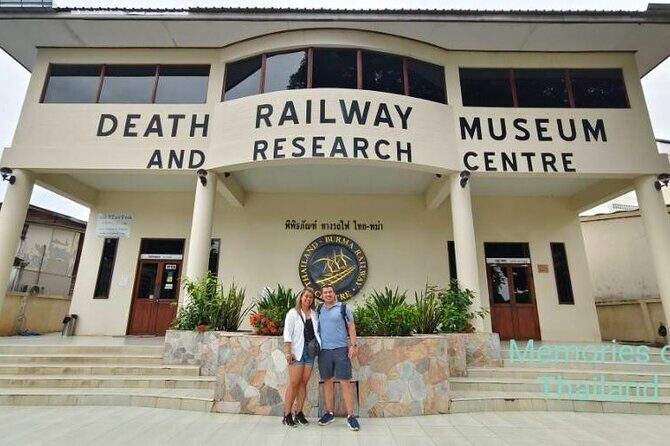
- Don Rak War Cemetery and Thai-Burma Railway Museum: start with the stories
- Bridge on the River Kwai: photos, walking, and what to notice
- Tham Krasae and the Death Railway ride: the wooden bridge moment
- Erawan National Park: swim, hike, and pick your pace
- Lunch time and moving between stops: how to plan your day
- Price and what you’re paying for at about $183
- Who this private tour works best for
- Small details that matter: comfort, timing, and mobile tickets
- Weather and backup plans: staying flexible
- Should you book this Kanchanaburi day trip?
Key highlights worth your attention
- Don Rak War Cemetery + Thai-Burma Railway Museum: start with the context before you see the famous bridge areas
- Bridge on the River Kwai walk: a short photo-and-stroll window with time to take it in
- Tham Krasae train ride: the route includes dramatic scenery and the wooden Krasae Bridge crossing
- Erawan National Park swimming time: plan for emerald pools and a hike option depending on your legs
- Air-conditioned private transport: bottled water and a cooling towel help you stay functional
- Flexible pacing with real guide attention: guides like Lily are noted for being patient and helpful, including with families
From Bangkok to Kanchanaburi: the day’s big picture
You’re looking at one of those Thailand day trips that feels like two trips stitched together. The morning leans solemn and educational—WWII-era hardship, POW history, and the railway route that still shapes the region today. The afternoon switches gears into nature time, where the reward is the look and feel of Erawan Waterfall National Park.
This tour is priced at $183.28 per person, and it’s designed as a private group experience (just your group in the vehicle). The trade-off for convenience is time: expect about 10–12 hours from start to finish, depending on pickup and traffic. If you’re the type who hates rushed travel, it still can work, but you’ll want a good breakfast and a realistic plan for the day.
I like that this isn’t just a bus-and-bag list. You get multiple layers: memorial ground, museum context, a signature bridge photo stop, an actual train ride segment, and then real waterfall time. It’s a lot, but it’s also the kind of day that gives you a mental map you can carry home.
You can also read our reviews of more tours and experiences in Bangkok

Don Rak War Cemetery and Thai-Burma Railway Museum: start with the stories
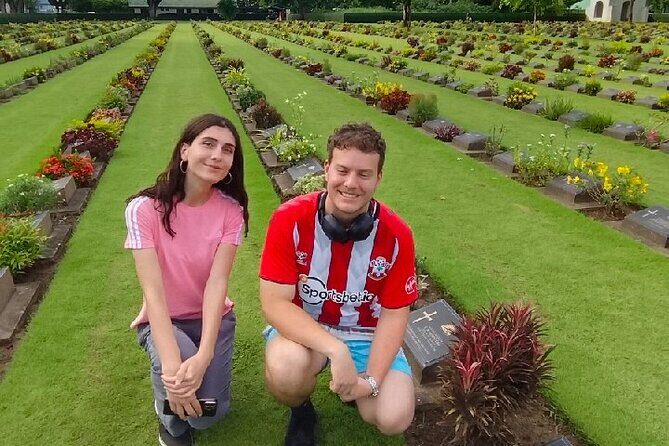
The day begins with a tribute to Allied POWs who lost their lives during construction of the Death Railway. The Don Rak War Cemetery is described as peaceful and well preserved, and it includes plaques from countries like the UK, Australia, and the Netherlands. That matters because it turns the railway story from a single grim headline into many individual national threads.
Right after, the Thai-Burma Railway Museum helps you get your bearings. Instead of seeing the famous spots as film sets, you’ll understand why the railway existed and what it cost the people forced to build it. For me, this kind of pre-visit context is what makes the later stops hit harder—in a useful way, not just a sad way.
If you’re traveling with kids or non-history folks, this opening still works because it frames the story clearly. And from what I’ve seen with this tour style, guides often keep explanations simple and move at a family-friendly pace. It’s not just dates and names; it’s why the route, the labor, and the suffering mattered.
Practical tip: wear shoes you can walk in comfortably. The cemetery and museum stops are usually quick, but you’ll still want steady footing and something breathable.
Bridge on the River Kwai: photos, walking, and what to notice
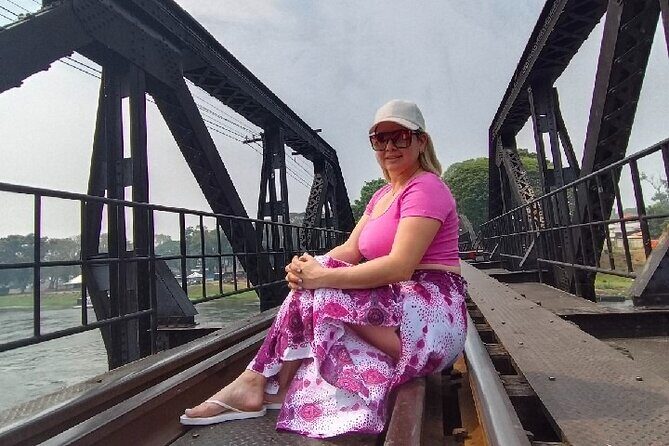
Next comes the River Khwae Bridge area—one of the world’s most famous bridges, the kind you’ve likely seen in books or films even if you’ve never been here. The walking window is short, about 30–45 minutes, and the big goal is simple: cross it, take photos, and get the size and angle in your head.
Here’s what I find useful: don’t treat it as a single photo moment. Walk it like you’re tracing a story. The bridge’s importance is not only in its fame—it’s in how it connects to the wider WWII railway system and the terrain the builders were dealing with. Once you’ve heard the POW and railway context in the morning, the bridge becomes a working part of a bigger chain of events.
Admission at this specific stop is listed as free in the tour details, so you’re not worrying about ticketing. The time window does mean you shouldn’t plan to linger for long snacks or extra detours here. If you want the best photos, pick a spot, get your shots, then keep moving.
Also, bring a light layer. Even when Bangkok weather is hot, cooler air can show up near river areas or while you’re waiting outdoors for a short transfer.
Tham Krasae and the Death Railway ride: the wooden bridge moment
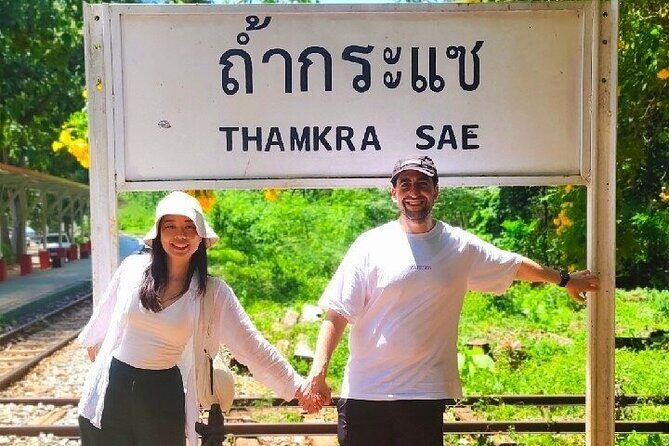
After the bridge, the day gets more physical and scenic with the Death Railway experience. You’ll travel to Krasae Cave and take a short train segment from Thakilen Station to Krasae Cave—about 15–20 minutes. The highlight is crossing the wooden Krasae Bridge, a striking section that makes the railway story feel real because you experience it rather than just look at it.
The description of the route matters: you’ll pass dramatic cliffs and the Khwae Noi River area. That combination is why this part of the tour often feels like the most memorable for people who don’t want history only in indoor spaces. It’s history with motion, and the views give your brain a chance to reset after the morning’s emotional subject.
This segment also has a clear structure. The tour details list a 40-minute block at Krasae Cave, with the admission included. That’s helpful because it removes a common day-trip headache: you’re not juggling ticket lines while trying to keep the rest of your day on track.
What to expect on the train portion
- Short ride, focused views, then you’re back into the schedule
- The wooden bridge crossing is the moment to watch for
- You’ll likely have some outdoor time before/after, so plan for sun and water
Practical tip: bring a phone lanyard or secure pocket. Anything small that can fall during movement is a pain to deal with later.
Erawan National Park: swim, hike, and pick your pace
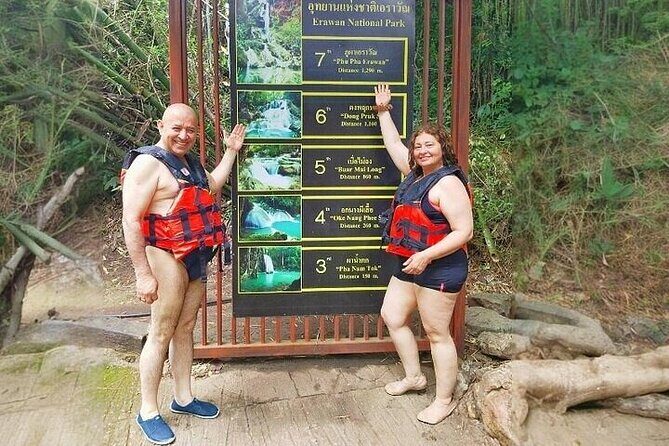
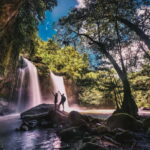
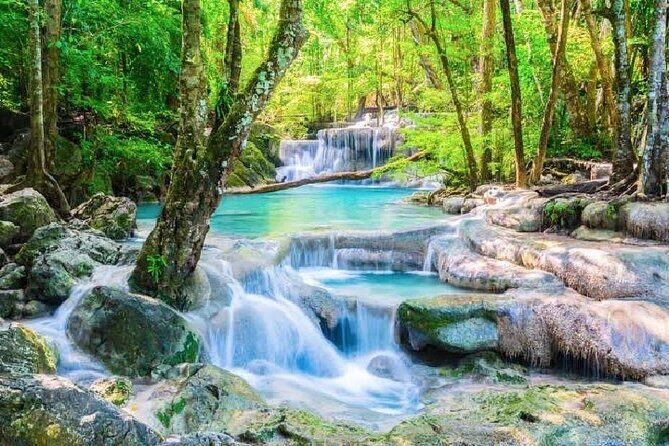
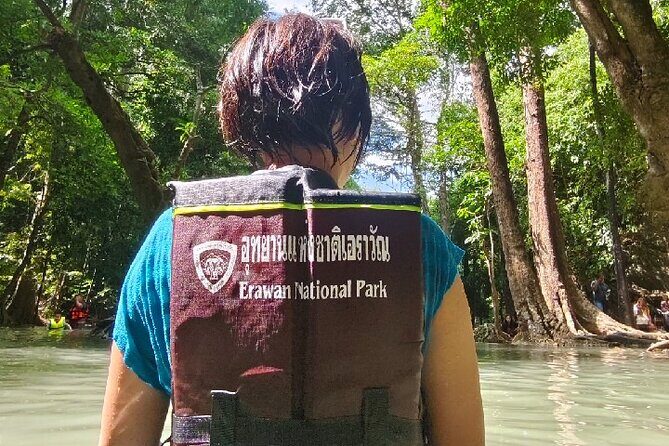
Then you hit the payoff: Erawan Waterfall National Park. This is the nature reset you came for. The falls are famous for crystal-clear emerald pools and seven cascades, and you’ll have about 2 hours to explore. The tour details highlight swimming at one of the pools and hiking up to the second and third tiers for stronger photo chances.
Two things I like about how this stop is positioned in the day. First, it’s not forced sightseeing-only; you get actual time on the ground. Second, it’s timed after the train and bridge moments, so the day’s rhythm makes sense: solemn morning, moving middle, relaxing afternoon.
A gentle caution: you’ll want to gauge your fitness at the start. The second and third tiers can mean more steps, uneven ground, and slippery spots depending on water conditions. If your goal is mainly swimming and photos, you can stay lower and still enjoy the key look of Erawan.
Swimming is an explicit option in the tour description, but the details don’t specify equipment. So bring what you think you’ll need: a swimsuit you can dry, a small towel, and water-friendly flip-flops or shoes that handle wet surfaces.
If you want a bonus photo plan: take a moment before you go up. The first pools and lower cascades are often the easiest place to get that classic waterfall-water look without climbing.


Lunch time and moving between stops: how to plan your day
One key detail: lunch isn’t included. The tour summary mentions an international buffet lunch, but the official inclusions list does not list lunch as part of the package. What you do get is enough structure and guidance that lunch doesn’t become a scramble.
In practice, that means you should budget time and money for food during the day. The tour information says the provider is happy to recommend a restaurant, which is helpful when you’re tired and the choices around tourist roads can blur together.
I recommend this simple approach:
- Eat a real breakfast before pickup
- Carry a small snack you can eat in transit if you get hungry early
- Budget for lunch near the breaks your guide sets
Also note what is included for comfort: bottled water and a cooling towel are included. That’s a small thing, but it matters when you’re spending hours in warm weather and then walking in natural areas.
Price and what you’re paying for at about $183

At $183.28 per person, you might wonder if this is “worth it.” The better question is what you’re buying besides transportation.
Here’s what’s tangible in the tour details and the way it’s delivered:
- Private transportation in an air-conditioned vehicle
- Multilingual guide support (English, Chinese, Japanese)
- Entrance fees are included (with specific inclusions like Krasae Cave in the schedule)
- Bottled water and a cooling towel
That package matters because a day trip like this can get expensive fast once you start adding separate tickets, museum entries, and the kind of transfers that require time. The private format also reduces the “wait around forever” factor that can happen on shared tours. Even if your group is small, you still get the structure.
One more value point: the schedule includes actual experiences, not only photo stops. The Death Railway train ride and Erawan National Park time are both core activities here. If you only cared about the bridge, you could do it simpler. If you want the full sweep—WWII context plus the railway segment plus a real waterfall day—this price can start to make sense.
If you’re comparing alternatives, do it like this: figure out whether you want someone to handle the sequencing and ticketing while you focus on enjoying the stops.
Who this private tour works best for
This is a strong fit if you want a one-day snapshot of Kanchanaburi without turning the trip into a logistics project.
I think it suits:
- Couples who want a history day with a real payoff in nature
- Families who prefer a paced plan and a guide who can handle questions
- People who like being shown where to stand for the right bridge and waterfall angles
One thing that comes through strongly is the guide-driver teamwork. Guides like Lily are praised for being patient, including with children, and for helping families feel relaxed while still learning the history. A driver like Mr. Wat is also praised for putting in long hours and keeping the day organized.
If you’re sensitive to emotionally heavy topics, you should know this tour includes WWII memorial and POW themes. It’s not just “history scenery,” and the day starts with that reality.
If you’re a hardcore history lover, you’ll likely appreciate the museum and cemetery opening because it gives the bridge and railway experience meaning. If you’re more nature-first, you’ll still get Erawan’s waterfall time, but the morning will set the emotional tone.
Small details that matter: comfort, timing, and mobile tickets
This tour’s best convenience features are the practical ones:
- Pickup is offered, so you’re not trying to coordinate trains or meeting points
- Private transportation means the air-conditioned vehicle is ready when you are
- Mobile ticket is listed, which usually makes check-in less painful
- Admission fee handling is built into the experience
The duration of 10–12 hours also changes how you should pack. You’ll be sitting and walking on and off for most of the day. Wear clothing that works in heat but also covers you when you’re under sun near outdoor sites.
Also, because you’re doing multiple outdoor portions, bring a small personal kit: sunscreen, sunglasses, and a refillable water bottle if you want extra beyond the bottled water included.
Weather and backup plans: staying flexible
A day trip to Erawan can be weather-dependent. The tour info doesn’t promise a weather guarantee in the details you provided, but there is evidence that the provider adjusts when conditions shift. In one family’s experience, rainfall changed the plan and the guide discussed an alternative option that ended up being a good fit for their day.
What this means for you: keep a flexible mindset. If clouds roll in or the waterfall area gets less pleasant to climb, the day can still work. Your best move is to go in prepared with rain-friendly gear and an attitude that says I’ll make the day good no matter what.
If swimming is a must for you, check conditions with your guide once you arrive at Erawan. They’re the ones who can tell you what’s realistic in that moment.
Should you book this Kanchanaburi day trip?
I’d recommend this tour if you want one day that honestly covers three things: WWII context, the Death Railway experience, and Erawan waterfall time. The strongest reason to book is the way it stitches together multiple kinds of experiences—memorial and museum grounding in the morning, a train ride moment in the middle, and a nature break in the afternoon.
I’d hesitate if you:
- Want only light, fun sightseeing and would rather avoid WWII themes
- Hate long days (this is a 10–12 hour outing)
- Need lunch included in the package cost
If you’re okay with a long but organized schedule and you like the idea of seeing history in motion (not only in photos), this is a smart way to spend your day from Bangkok. For my money, the decision comes down to one question: do you want the bridge-and-railway story to connect to the waterfall payoff? If yes, book it and plan your day like it’s two tours in one.