REVIEW · BANGKOK
Bangkok: White Lotus Thai Cooking Class with Market Tour
Book on GetYourGuide →Operated by White Lotus Thai Cooking School · Bookable on GetYourGuide
Thai cooking gets real fast here. This Bangkok class pairs a market tour at Paak Klong Talad with a hands-on cooking session in a cozy, home-like kitchen, so you understand ingredients and then use them right away. You’ll see, smell, and even taste items sold by local vendors, including ingredients that show up later in dishes like Tom Yam Goong and Som Tam. In class, instructors such as Jeab, Sasi, Chon, and Pat lead the day with clear steps and a friendly vibe that suits beginners.
Two things I like a lot: you get to cook four full dishes (not just watch), and you learn a key technique—making fresh coconut milk from scratch for mango sticky rice. You also get plenty of table time with a group of fellow food lovers, which turns the whole meal into a social event, not a rushed demo.
One possible drawback: this experience starts with a market walk, so if you dislike crowds, strong smells, or walking around before cooking, you may want to plan your day accordingly.
In This Review
- Quick hits before you book
- Paak Klong Talad: why the market stop matters
- Flower market and exotic ingredients: what to watch for
- Coconut milk from scratch: the hands-on technique that changes everything
- Four dishes, four lessons: Tom Yam, Pad Thai, Som Tam, Mango Sticky Rice
- Tom Yam Goong: sour, spicy, and shrimp-forward
- Pad Thai: tamarind-style tang and stir-fry control
- Som Tam: crunchy texture plus sweet-sour heat
- Mango Sticky Rice: the coconut milk payoff
- How the classroom works: cozy, small-group, and actually doable
- Lucky lotus folding and the certificate moment
- Price check: is $35 good value for Bangkok cooking?
- Who should book this, and who should skip it
- Should you book the White Lotus Thai Cooking Class?
- FAQ
- How long is the Bangkok White Lotus Thai Cooking Class with Market Tour?
- What dishes will I cook during the class?
- Do I make coconut milk from scratch?
- Where is the meeting point?
- Is transportation included to and from the cooking school?
- What is the price per person?
- What languages are used for instruction?
- Is the activity wheelchair accessible?
- Is it suitable for children?
Quick hits before you book
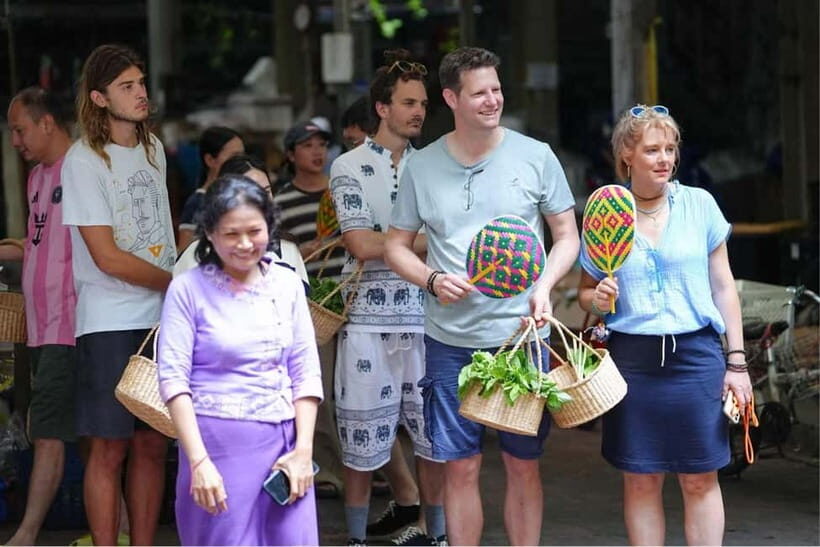
- Paak Klong Talad market tour: wholesale produce and Bangkok’s biggest flower market, close to Sanamchai MRT
- Cook 4 dishes hands-on: Tom Yam Goong, Pad Thai, Som Tam, and mango sticky rice
- Fresh coconut milk lesson: make it from scratch, then use it for sticky rice
- Small-group feel: many sessions run around 10 people in the kitchen
- Take-home keepsakes: a certificate, plus a lucky lotus folding moment
Paak Klong Talad: why the market stop matters
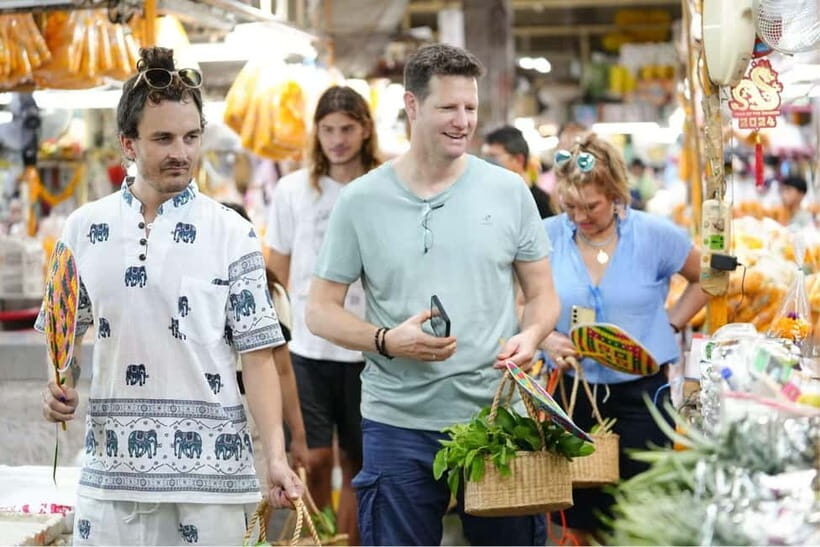
The best Thai cooking classes don’t start in the kitchen. They start where food actually gets chosen—by people who buy for daily life, not just for tourists.
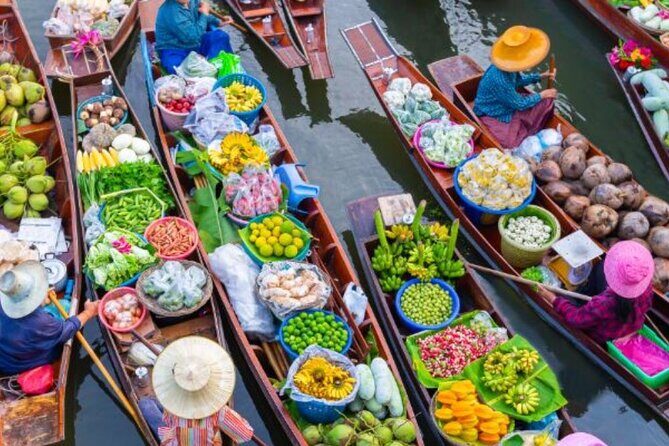
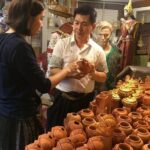
At White Lotus Thai Cooking School, your day begins with a walk through local wholesale vegetable and fruit markets plus a flower market that’s described as Bangkok’s biggest. This is practical. You learn what cooks look for: which herbs smell strong, which fruits feel ripe, and how vendors package ingredients that might feel exotic on a supermarket shelf back home. And you’re not stuck with theory. You’re encouraged to feel, touch, smell, and in some cases taste items used in Thai cuisine.
It’s also a quick way to get your bearings in Bangkok’s food world. Paak Klong Talad sits in a working market zone, so the whole experience feels grounded. If you want Thai food to make sense beyond the recipe card, this first step does the heavy lifting.
Tip: wear comfortable shoes. You’ll be moving around before you start chopping.
You can also read our reviews of more shopping tours in Bangkok



Flower market and exotic ingredients: what to watch for
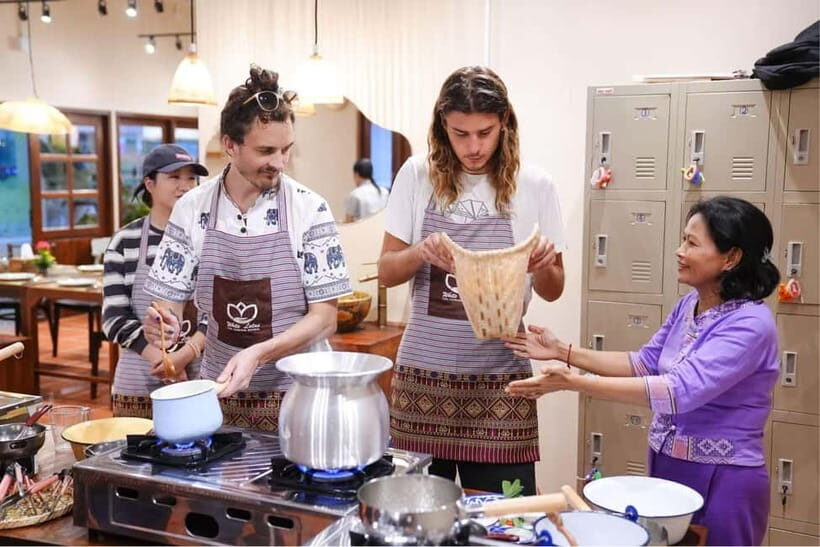
The flower market isn’t just scenery. In Thai culture, flowers and herbs play roles that show up in daily life and food tradition. Here, you get a guided orientation so things don’t stay mysterious.
In the market, your guide points out ingredients you’ll use later. That matters because Thai cooking often depends on balance and fresh aromas, not just “spicy.” When you understand the ingredients you’re choosing—like the kinds of herbs used for fragrance or the produce used for sweet-and-sour flavors—you cook with more confidence later. Suddenly Tom Yam Goong doesn’t feel random. It feels built.
You’ll also get a sense of what vendors do that you can’t copy from a cookbook alone. For example, you learn how ingredients are sorted and handled in a busy wholesale environment. That context helps you replicate the flavor back home, even if your local market doesn’t carry the same exact brands.
One more bonus: this is when the group dynamic starts forming. People tend to chat during the walk, and by the time you reach the kitchen you’re not strangers at all.
Coconut milk from scratch: the hands-on technique that changes everything
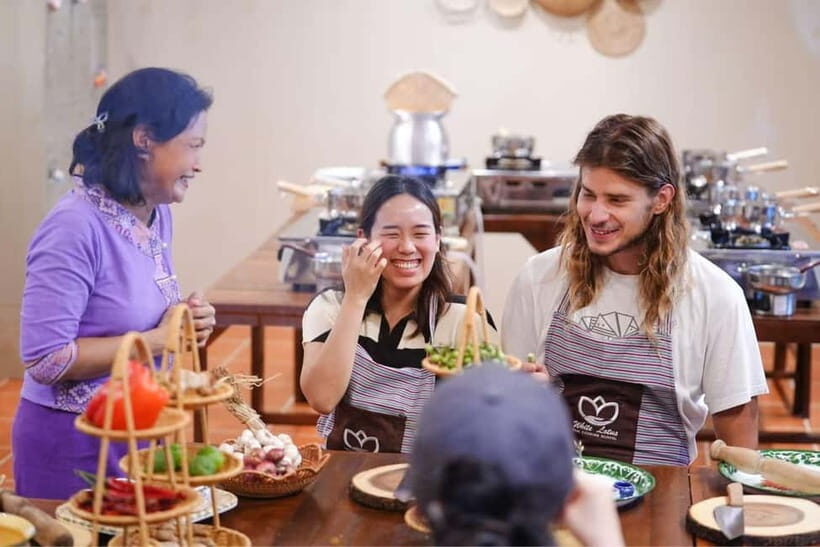
Then you get back to the cooking school, and the lesson becomes practical, not just interesting.
Fresh coconut milk is the star of the sticky rice part of the day. Instead of relying on a carton, you learn how to prepare it from scratch. That’s a small step, but it changes the final dish in a big way. Coconut milk affects sweetness, aroma, and how rich the sauce tastes when it meets warm sticky rice.
This portion also teaches you Thai cooking’s core idea: timing and texture. If you’ve ever made Thai-inspired food at home and wondered why it tastes flat, it’s often because the “base” wasn’t built properly. Here, you build one of the bases yourself.
You’ll work in a home-like classroom setup, and the instructors (including teachers like Jeab and Sasi in recent sessions) explain steps patiently. The kitchen atmosphere is described as clean and well equipped, which makes a huge difference when you’re learning by doing. You’re not fighting chaos while trying to understand chop sizes and seasoning levels.
If you’re worried about heat: you’ll have a choice in spice level. So you can learn the dishes without getting wiped out by the chili.
Four dishes, four lessons: Tom Yam, Pad Thai, Som Tam, Mango Sticky Rice
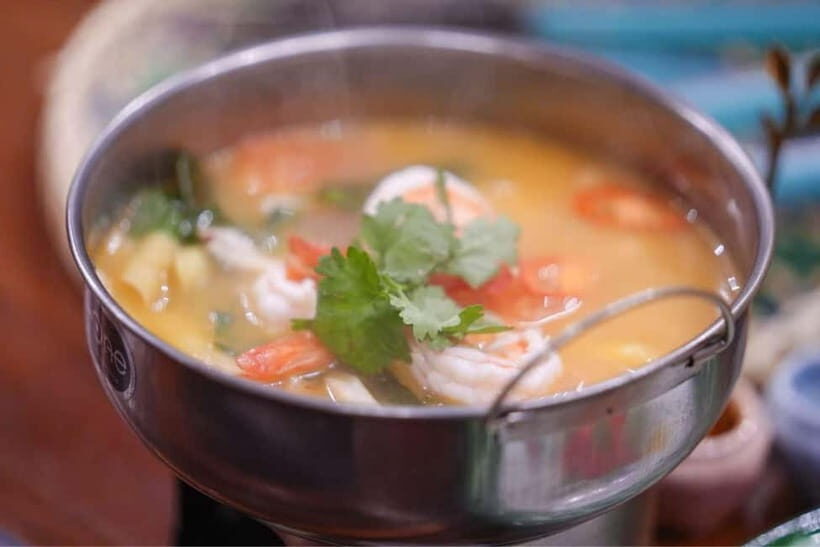
You cook four authentic dishes during the class. Each one teaches a different Thai flavor skill, which is why the lineup works so well.
Tom Yam Goong: sour, spicy, and shrimp-forward
Tom Yam Goong is the dish that shows you Thai balance. You’ll learn how the soup’s flavor comes from combining heat, sour notes, and aromatic ingredients—especially when seafood is involved.
This is also a confidence builder. When you can make Tom Yam Goong in your own kitchen later, you’ll stop ordering it and start recognizing why it tastes the way it does.
You can also read our reviews of more tours and experiences in Bangkok




Pad Thai: tamarind-style tang and stir-fry control
Pad Thai is where Thai street-food precision shows up. You learn how to manage the stir-fry so noodles and sauce come together instead of turning gummy or watery.
In a hands-on class, you’re not guessing. You follow steps, then you taste and adjust to make the dish feel right. That trial-and-learn moment is one reason this format beats a typical cooking demo.
Som Tam: crunchy texture plus sweet-sour heat
Som Tam (green papaya salad) is a very tactile dish. It’s not just seasoning—it’s texture, crunch, and balancing flavors in a way that keeps your palate awake.
By the time you reach Som Tam, you’re already thinking like a cook: what makes the dressing taste sharp, what gives it that sweet edge, and what kind of bite keeps the salad lively.
Mango Sticky Rice: the coconut milk payoff
This is where the coconut lesson pays off. Mango sticky rice isn’t only about sweetness. It’s about how coconut milk coats sticky rice and how that richness works with mango’s fruitiness.
This is the dish that often gets saved for last, and it’s easy to see why. When you make coconut milk from scratch, the result tends to taste fuller and more fragrant than the shortcut version.
Tip: come hungry. The class doesn’t just feed you a snack; you eat the dishes you cook.
How the classroom works: cozy, small-group, and actually doable
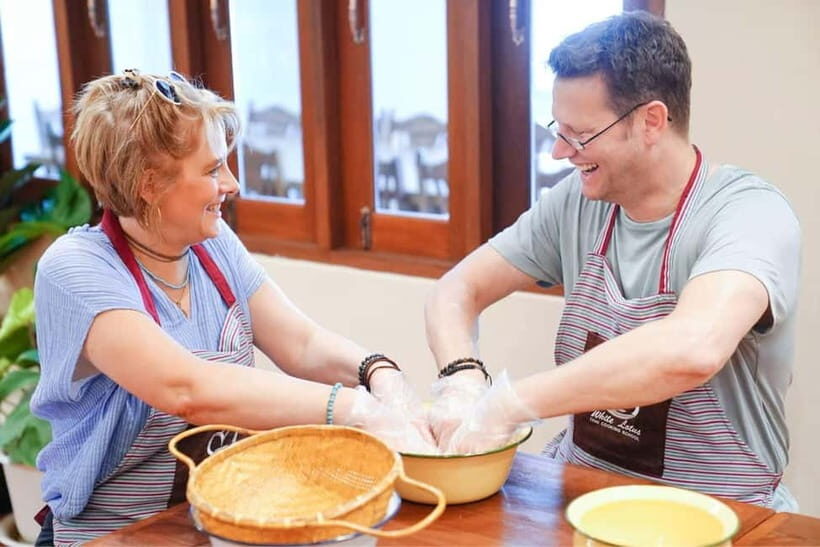
The setup is home-like, and the vibe is friendly. That’s not just marketing fluff. When people describe the day as fun, organized, and calm, it’s usually because the instructor can actually keep up with the group.
Many recent sessions have been in small groups—around 10 people in the kitchen—so you’re not lost in a crowd. The teaching style is practical: step-by-step instructions, clear pacing, and enough attention that beginners don’t feel left behind.
English instruction is available (with Thai as well), so language doesn’t have to be your main worry. You also get options for spice level, and at least one instructor has offered vegetarian versions for the recipes. If you eat vegetarian, it’s smart to mention it when you book so the team can guide you to the right approach.
The assistants and staff also help, which matters when you’re handling sauce, mixing ingredients, or trying to keep stir-fry timing right. A clean workspace reduces stress. A lot.
Lucky lotus folding and the certificate moment
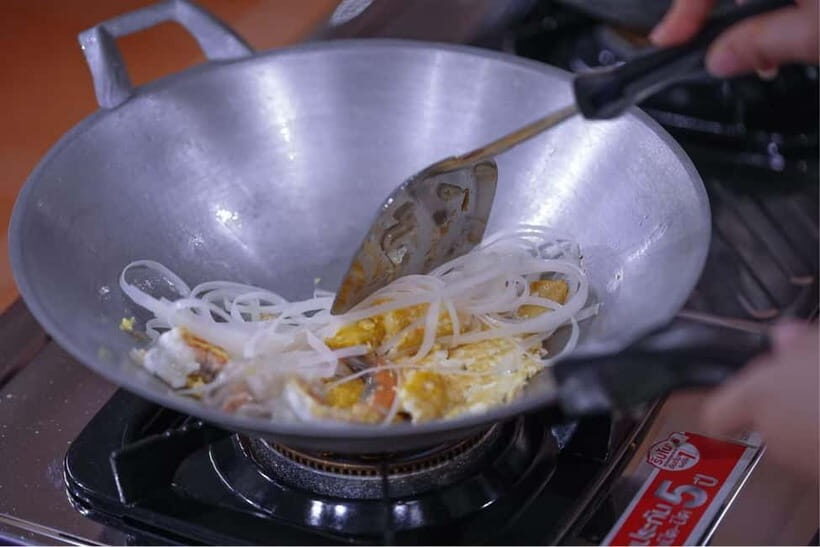
After each dish is cooked, you eat your creations together. That shared meal is part of the value. You’re not rushing from station to station. You’re tasting, comparing notes with your group, and learning what Thai flavors are supposed to feel like on the palate.
Then you get a lucky draw. You also learn how to fold a white lotus. It’s a small cultural add-on, but it’s memorable because it’s not something you’d normally learn just by eating. Finally, you receive a certificate to take home.
Some classes also include small souvenirs, based on recent experiences. Even if the souvenir is minor, the point is bigger: this is an experience that tries to feel personal, not transactional.
Price check: is $35 good value for Bangkok cooking?
At $35 per person, you’re paying for a full Thai food lesson that includes real ingredients, hands-on cooking, and the market component—plus a meal at the end. For Bangkok, that price lands in the “worth it” zone because you get more than one thing.
Here’s what’s included that you’d normally pay for separately:
- a market tour experience (wholesale produce plus a major flower market stop)
- hands-on cooking of four dishes
- fresh coconut milk preparation from scratch
- eating what you cook
- a certificate and cultural extras like the lucky draw and lotus folding
The main cost you’ll still handle yourself is getting to and from the school. Transportation isn’t included, so you’ll want to plan that part. The good news: the meeting point is easy to reach. White Lotus Thai Cooking School is on the 2nd floor of The Market Organization (Paak Klong Talad), about 150 meters from Sanamchai MRT station and about 60 meters from a 7/11 convenience store. That makes last-minute logistics much less annoying.
If you love Thai food and you want skills you can use later, $35 starts to feel like a bargain. If you only want one dish, or if you hate cooking hands-on, then it might feel like overkill. But for most people, it hits the sweet spot.
Who should book this, and who should skip it
This class fits well if you want:
- a hands-on Bangkok activity that teaches flavor, not just recipes
- a market-to-kitchen experience that connects ingredients to the final dishes
- a friendly group setting where you eat with new people
- enough guidance to cook even if you’re a beginner
It’s also listed as wheelchair accessible, which you’ll appreciate if you need that level of access.
It’s not suitable for children under 6 years. If you’re traveling with kids older than that, the activity can work well because it’s guided, social, and food-centered. Still, this is a cooking and market-walk format, so it’s best for kids who can handle being engaged for the full time.
If you’re extremely sensitive to smells or crowds during the market portion, you might find the start a lot. In that case, just plan your day so you’re not already exhausted.
Should you book the White Lotus Thai Cooking Class?
Yes, if you want a Bangkok cooking class that actually teaches you how Thai flavors come together. The market stop gives you context, the coconut milk lesson adds a real technique, and the “four dishes, four lessons” structure keeps you engaged from start to finish.
Book it if you:
- love Thai food and want skills you can repeat at home
- like small-group classes and clear step-by-step teaching
- want a fun meal with new people, not a rushed workshop
Skip it if:
- you don’t want to walk a market before cooking
- you hate hands-on cooking or messy prep
- you want only one dish without learning techniques
If you’re on the fence, do this: go hungry, ask about spice level, and arrive ready to cook. This class rewards that mindset.
FAQ
How long is the Bangkok White Lotus Thai Cooking Class with Market Tour?
The experience lasts about 210 minutes.
What dishes will I cook during the class?
You’ll cook four dishes: Tom Yam Goong, Pad Thai, Som Tam, and Mango Sticky Rice.
Do I make coconut milk from scratch?
Yes. The class includes preparing fresh coconut milk for the sticky rice.
Where is the meeting point?
Meet at White Lotus Thai Cooking School on the 2nd floor of The Market Organization (Paak Klong Talad). It’s about 150 meters from Sanamchai MRT station and about 60 meters from a 7/11 convenient store.
Is transportation included to and from the cooking school?
No. Transportation is not included.
What is the price per person?
The price is $35 per person.
What languages are used for instruction?
The instructor speaks English and Thai.
Is the activity wheelchair accessible?
Yes, it is listed as wheelchair accessible.
Is it suitable for children?
It is not suitable for children under 6 years old.