REVIEW · BANGKOK
Floating Market – Train Market – Flower Market and China Town
Book on Viator →Operated by Arlymear Travel · Bookable on Viator
Four markets, one hard-working day. This multi-stop Bangkok tour is interesting because you do more than walk around: your guide explains market etiquette and how to barter without making it awkward. You also get a clear structure for places that can feel chaotic on your own.
I like that the day is packed with big contrasts, from boats on the water to shops wrapped around train tracks, then into gold-lined and flower-heavy streets. I also like the practical inclusions: hotel pickup/drop-off and lunch. The main drawback is simple: it starts early and it’s a lot of moving around, standing, and navigating through crowds.
If you want a private, guide-led market day (just your group), this fits well. The tour runs about 8 hours starting at 7:00 AM, and you’ll use a mobile ticket for the experience. Expect a fast pace, but one your guide actively manages for you.
In This Review
- Key Things I’d Remember Before You Go
- From 7:00 AM to 8 Hours: How the Day Really Feels
- Hotel Pickup and Private-Group Comfort (Yes, This Matters)
- Damnoen Saduak Floating Market: Rice Paddies, Salt Fields, and Coconut Sugar
- Mae Klong Railway Market (Hoop Rom Market): Watching Shops React to a Train
- Lunch in Bangkok: Fueling Up Before Chinatown
- Chinatown Bangkok + Pak Khlong Flower Talat: Gold Shops, Street Life, and Wholesale Blooms
- Bartering and Market Etiquette: What Your Guide Helps You Do
- Price and Value: Is $169.27 Actually Worth It?
- Who This Tour Suits Best (and Who Might Prefer Something Else)
- Should You Book This Bangkok Market Day?
- FAQ
- What time does the tour start?
- How long is the experience?
- What stops are included?
- Is hotel pickup and drop-off included?
- Is lunch included, and are drinks included?
- Is this a private tour?
Key Things I’d Remember Before You Go
- A coconut-sugar stop on the way to the floating market to break up the drive and add real local flavor
- Mae Klong Railway Market right on the track where shop awnings react when trains approach
- Chinatown + Pak Khlong Flower Talat in the same market day so you end on classic Bangkok sights
- Lunch included at a local restaurant so you’re not hunting food between stops
- Hotel pickup/drop-off and private-vehicle transport that makes a long day easier
- Bartering know-how from your guide so you can shop with confidence, not stress
From 7:00 AM to 8 Hours: How the Day Really Feels
This is an early-start tour, with pickup timed around a 7:00 AM start and a total duration of about 8 hours. That matters because Bangkok traffic and travel time can be unpredictable, and you want enough buffer to enjoy each stop rather than rush through it. The design is clear: you get the most intense, high-energy markets earlier in the day.
The pacing is fast by default. You’ll be moving between four different areas—floating market outskirts, the railway market near the track, then back into Bangkok for Chinatown, then a flower market near Chinatown. If you like to linger, plan to compromise; if you like variety and motion, you’ll probably find the schedule satisfying.
Also note the guide-led element. You’re not just dropped into a crowd and left to figure it out. Your guide helps with what to watch for, how to interact with vendors, and where to focus your attention. That’s a big part of why this tour works even if you’re not a market expert.
You can also read our reviews of more shopping tours in Bangkok


Hotel Pickup and Private-Group Comfort (Yes, This Matters)
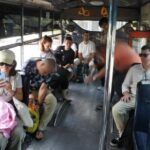
One of the most practical parts is that hotel pickup and drop-off are included, with transport by a private vehicle. That sounds small until you’re doing four stops across different zones in a single day. You’ll spend less time coordinating taxis, less time translating street directions, and more time actually looking at the sights.
This is also a private tour/activity for your group only. That doesn’t automatically mean you get a slower pace, but it can change the vibe. You’re less likely to feel like you’re competing with strangers to hear the guide’s explanations or take photos.
One more practical touch: you get a mobile ticket. For market tours, that can be a relief because you won’t be scrambling for paper vouchers while you’re already juggling schedules, heat, and crowds.
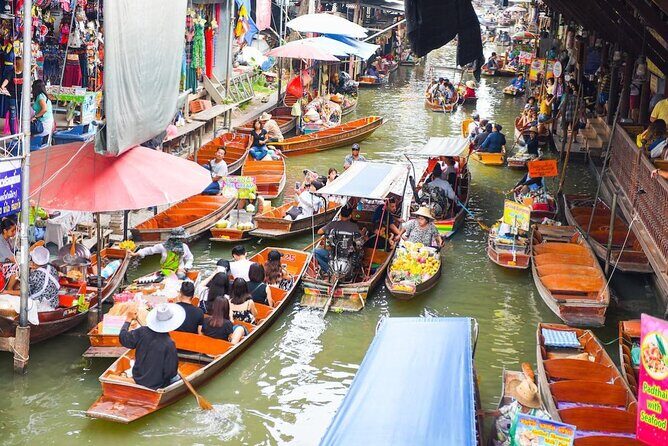
Damnoen Saduak Floating Market: Rice Paddies, Salt Fields, and Coconut Sugar
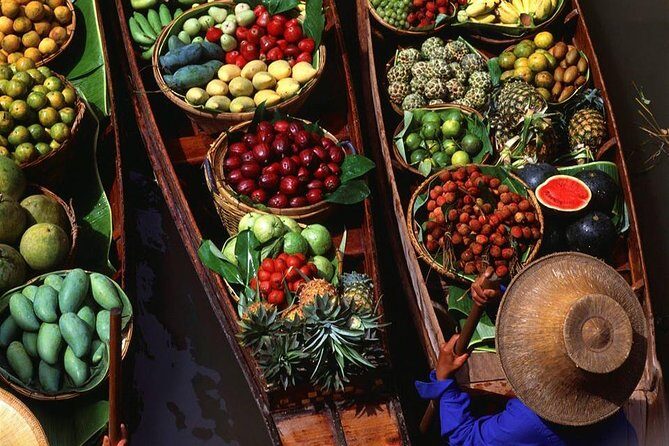
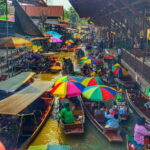
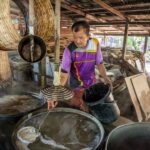
Your day begins with a drive through the countryside—rice paddies and salt fields—before you hit Damnoen Saduak Floating Market. A stop at a farmhouse along the way adds texture to the story, including watching locals produce sugar from coconut. It’s a nice reset from pure sightseeing and helps you connect what you’re seeing on the water to how Thai ingredients and livelihoods get made.
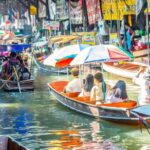
The floating market time is about 2 hours, and admission here is free. Two hours is long enough to absorb the setting and browse, but not so long that you feel trapped in one place. You’ll likely notice that this market is less about one single “shopping street” and more about activity across the water and nearby areas—vendors, boats, and constant motion.
What I’d advise: go in with curiosity, but keep your expectations flexible. Floating markets can feel intense fast—lots of calls, movement, and bargaining. That’s exactly where having a guide becomes valuable. They’ll help you understand the etiquette behind purchases and negotiations, so you can participate without feeling out of place.
Mae Klong Railway Market (Hoop Rom Market): Watching Shops React to a Train
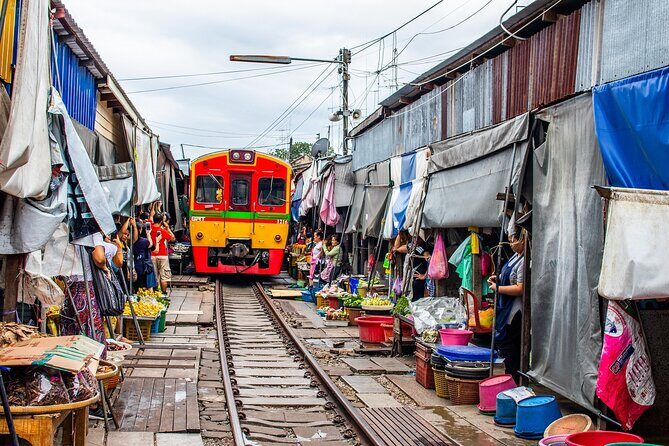
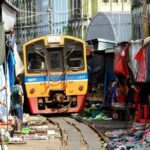
Next comes Mae Klong Railway Market, also known as Hoop Rom Market. The defining detail is that the market is centered around the railway track. When a train approaches, shop awnings and setups react. You’re essentially watching commerce and infrastructure share the same space.
You’ll have about 45 minutes here, and admission is included. That short window is intentional. It’s enough time to understand what’s happening and walk through the main areas, but it’s not meant for a slow, hours-long meander. If you’re the type who hates rushing, keep your focus tight: watch the track layout, observe how vendors respond, then shop only if something catches your eye.
Practical tip: listen to your guide’s direction and keep aware of your footing. This is a working area with active trains, so don’t treat it like a theme park. Also, if you plan to buy seafood or packaged items, ask what’s best for travel and how to handle it before you buy.
Why this stop is so memorable: it’s one of the rare places where you don’t just see culture—you see real-time adaptation. Vendors and customers are operating within the rules of an active railway system.
Lunch in Bangkok: Fueling Up Before Chinatown
After the railway market, you’ll enjoy lunch at a local restaurant. Lunch is included, and alcoholic drinks aren’t. Drinks also aren’t included, so if you want something specific, plan to purchase it on-site.
I like that lunch sits between the train market and Chinatown because it prevents the day from feeling like only shopping and standing. It gives you a chance to cool down, reset your energy, and collect yourself before you head into the most crowded urban segment of the tour.
Even if you’re not picky, go into lunch with flexibility. Market tours are usually designed for fast service and easy timing, not long lingering meals. Use this meal as a break for your feet and a way to experience everyday Bangkok dining in a way that doesn’t take extra planning.
You can also read our reviews of more tours and experiences in Bangkok

Chinatown Bangkok + Pak Khlong Flower Talat: Gold Shops, Street Life, and Wholesale Blooms
Once lunch is done, you head back into Bangkok for Chinatown, then later the Pak Khlong Flower Talat Original area near Chinatown.
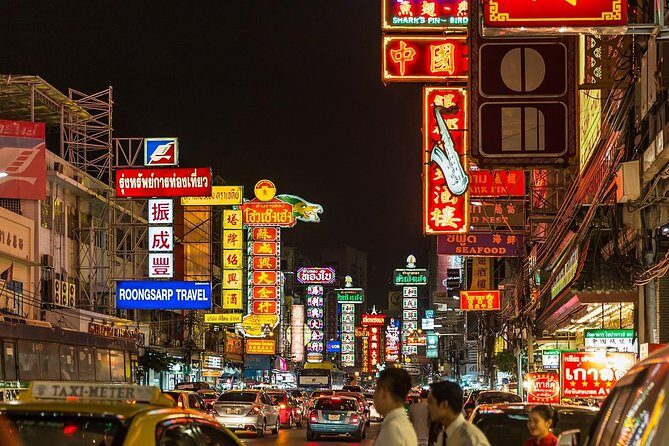
In Chinatown, you’ll spend about 1 hour. Admission is free. This stop is all about the street-level feel: street markets, street-side restaurants, shop houses, and gold shops. You’ll also see the kind of shopfront density that makes Chinatown what it is—lots happening at once, and a strong sense of commerce moving through narrow lanes.
You might find this part of the day a bit more intense than the first two stops. Chinatown’s energy comes from the density and variety: food, goods, temples and shopfronts that pull your attention in different directions. A guide helps you pick a sensible route so you’re not zigzagging randomly for an hour.
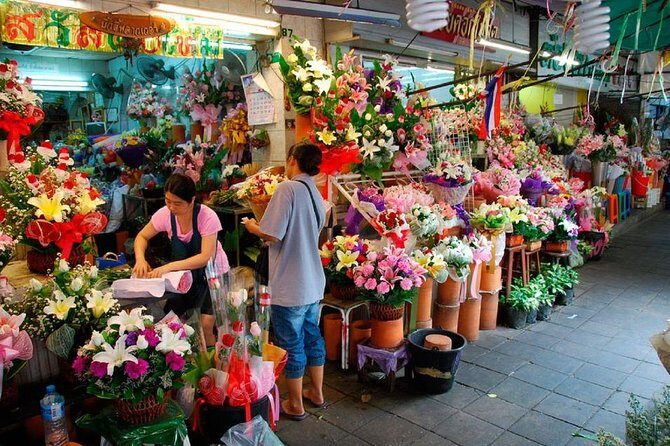
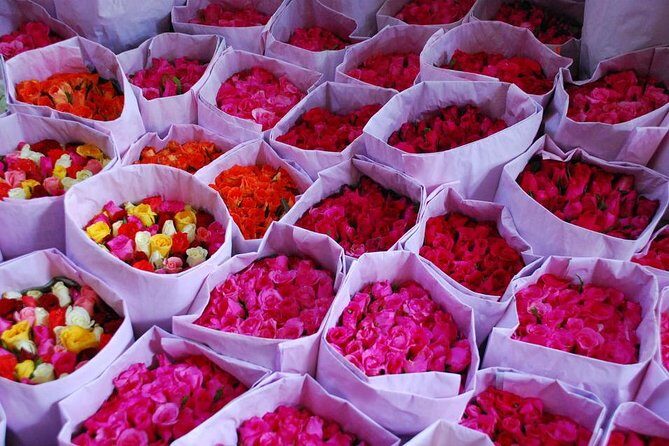
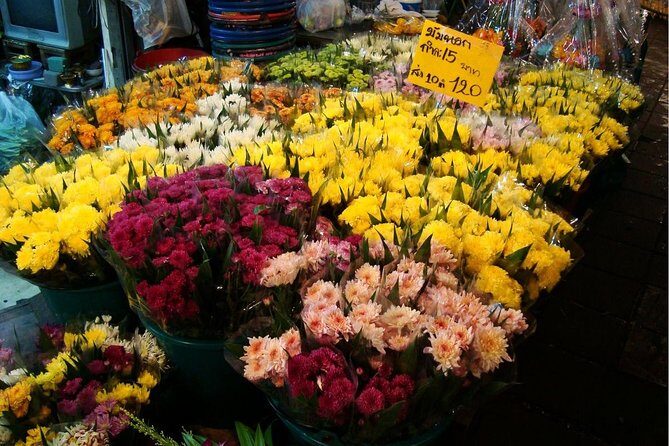
Then you end with Pak Khlong Flower Talat Original, one of Bangkok’s biggest wholesale and retail fresh flower markets. Time is about 30 minutes, admission is free. This is where you swap noise and bargaining for color, fragrance, and flower-focused purchasing. You’ll see popular flowers and items, including roses, forget-me-nots, orchids, and lilies, plus other flora-related goods.
Why the flower market works as an ending: you’re leaving the most exhausting parts of the day and getting something visual that helps you process everything you’ve seen. Also, 30 minutes is a smart length for shopping in a place like this. It’s enough to browse and pick something if you want, without turning it into your whole evening plan.
Bartering and Market Etiquette: What Your Guide Helps You Do
One of the strongest reasons to choose this tour is the explicit focus on negotiating and market etiquette. Markets in Thailand are not purely transactional; they’re social and relationship-based. Your guide teaches you how to interact, what to watch for, and how bargaining works in a way that fits local expectations.
Here’s how to use that help effectively:
- Start polite and simple. Let the guide set the tone, especially if you’re new to bargaining.
- Shop with intention. If you don’t know what you want, use the time to observe first, then decide.
- Don’t treat every interaction like a game. The goal is friendly negotiation, not winning.
You’ll also get coaching on how to behave in fast-moving situations—where to stand, what to ask, and how to avoid turning a quick purchase into a scene. This is one of the things that makes a market tour feel worth it rather than exhausting.
A personal note from what the guide experience is known for: a guide named Kat gets highlighted for being attentive and informative, and that quality matters when the surroundings are chaotic. A good guide doesn’t just explain; they help you feel steady while you shop.
Price and Value: Is $169.27 Actually Worth It?
The price is $169.27 per person for a full 8-hour day. On paper, that might look like “just markets,” but the value is in what’s included.
You get:
- Hotel pickup and drop-off
- Transport by private vehicle
- A local guide
- Lunch
- Access to multiple major stops, including Mae Klong Railway Market (admission included) and free entries at the other highlighted points
If you tried to piece this together yourself—getting transport across several areas, coordinating pickup, finding a guide who can help with etiquette and bargaining, and timing everything—you’d likely spend more time and energy than money. This price buys convenience and guidance.
Is it a deal for everyone? Not automatically. If you already know Bangkok markets well and you enjoy independent wandering, you might prefer to DIY. But if you want the smartest way to see a lot in one day and understand what you’re doing, this tour is priced in a way that feels reasonable for the package.
Also, the tour offers group discounts, which can make it even better if you’re traveling with family or friends.
Who This Tour Suits Best (and Who Might Prefer Something Else)
This is a great fit if you:
- Want a structured market day with a guide managing the chaos
- Like variety: water market, railway market, Chinatown, and flowers
- Prefer inclusions like lunch and hotel pickup rather than planning every detail
- Are curious about bargaining etiquette and how locals handle transactions
It may be less ideal if you’re:
- Sensitive to early starts and a busy schedule
- Looking for a slow, restful outing
- Uncomfortable with moderate walking and standing in lively market areas (the tour indicates a moderate physical fitness level)
If you’re traveling solo and want an experience with a built-in explanation layer, this can also work well. A guided format is especially helpful when you’re navigating places that are visually overwhelming at first glance.
Should You Book This Bangkok Market Day?
Yes, I’d book it if you want one day that covers major Bangkok market styles without you having to plan the route from scratch. The best reason is the combo: guide-led etiquette for bartering plus a practical schedule that hits four standout areas without wasting half your day on transit.
I’d think twice if your style is slow travel or you hate crowds, because this is a fast day in working markets. But if you can handle early morning energy and you want to see how everyday people shop, trade, and live, this tour is a strong match.
If you do book, bring your curiosity, wear comfortable shoes, and let the guide set the rhythm. You’ll get more out of the experience when you treat it like a guided day of observation and smart shopping, not a checklist sprint.
FAQ
What time does the tour start?
The tour start time is 7:00 AM.
How long is the experience?
The duration is about 8 hours.
What stops are included?
You’ll visit Damnoen Saduak Floating Market, Mae Klong Railway Market (Hoop Rom Market), Chinatown Bangkok, and Pak Khlong Flower Talat Original.
Is hotel pickup and drop-off included?
Yes, hotel pickup and drop-off are included, with transport by private vehicle.
Is lunch included, and are drinks included?
Lunch is included. Alcoholic drinks and drinks are not included.
Is this a private tour?
Yes, it’s a private tour/activity, so only your group participates.