REVIEW · BANGKOK
Full Day Kanchanburi Tour from Bangkok
Book on Viator →Operated by My Trip Maker · Bookable on Viator
A long day with hard lessons ahead. This full-day Kanchanaburi tour strings together WWII sites: the Kanchanaburi War Cemetery, the JEATH War Museum, a stop at the River Khwae Bridge, and a train ride along the Death Railway. With hotel pickup, round-trip transfers, and an English-speaking guide, you can focus on the history without the hassle of planning.
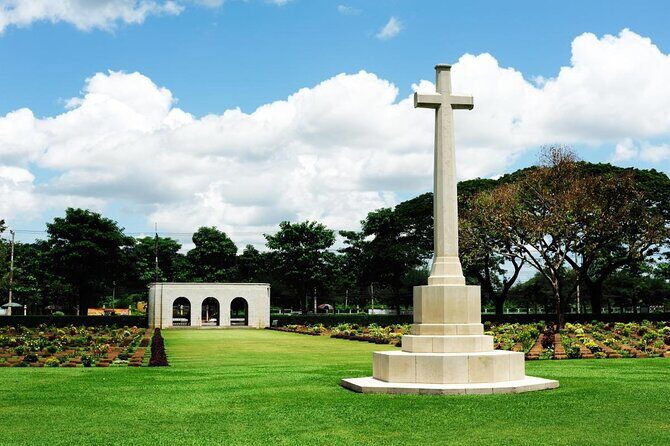
I especially like the Kanchanaburi War Cemetery, with graves of an estimated 9,000 Allied soldiers. I also really value the JEATH War Museum, built as a POW-camp style setting with paintings, photos, and even period tools to show daily life under extreme conditions.
One drawback to plan for: it’s a 13-hour day with an early pickup window, and the museum experience can feel fairly text/exhibit-led, so you’ll get the most if you ask your guide questions.
In This Review
- Key things that make this tour worth your time
- Getting from Bangkok to Kanchanaburi (without eating up your whole day)
- Kanchanaburi War Cemetery: quiet history in a real place
- JEATH War Museum: a POW-camp replica that uses objects, photos, and art
- River Khwae Bridge area: see the geography that shaped the story
- The Death Railway train ride over Tham Kra Sae Bridge: the story becomes movement
- Lunch at Wang Po station area: refuel near the Burmese border
- The return drive to Bangkok: plan for a late finish
- Price and value: what $109.60 buys you (and what it doesn’t)
- Group size and guide style: get the most out of JEATH by asking questions
- Timing and what to bring for an early, long history day
- Should you book this Kanchanaburi WWII tour from Bangkok?
- FAQ
- How long is the Full Day Kanchanaburi Tour from Bangkok?
- What time does hotel pickup start?
- What are the main stops during the day?
- What is included in the tour price?
- Is lunch included?
- How many people are in the group?
- What happens if the tour is canceled due to weather?
- Is free cancellation available?
Key things that make this tour worth your time
- Four linked WWII stops: cemetery, museum, bridge area, then the Death Railway train ride
- Small group size with a max of 10 travelers, so questions are actually possible
- Included admissions for JEATH and the train journey, which saves effort and confusion
- A buffet lunch stop scheduled around the Wang Po station area near the Burmese border
- Long, practical transport coverage: round trip from Bangkok with hotel pickup and return
Getting from Bangkok to Kanchanaburi (without eating up your whole day)
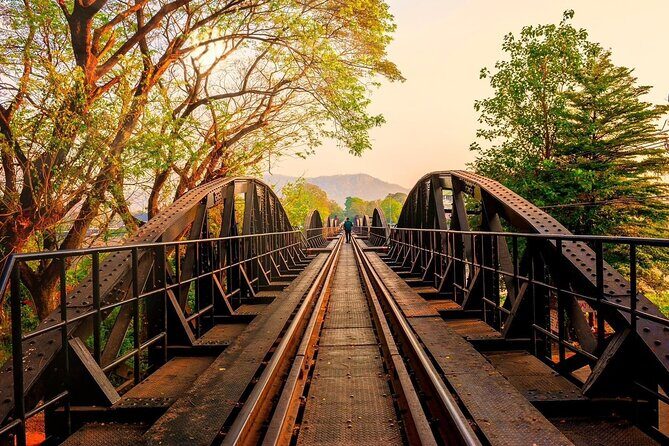
Pickup starts between 06:00 and 07:00 at the Century Park Hotel area near Victory Monument. The goal here is simple: you leave early enough to reach Kanchanaburi by about 09:00–09:30, so you’re not stuck in traffic all morning with nothing meaningful to do.
The drive itself takes roughly 3 hours. Use that time to settle in, hydrate, and plan your day’s rhythm. This tour is built around timed stops, so you’ll enjoy it more if you treat it like a day plan—not a free-form wander.
You can also read our reviews of more tours and experiences in Bangkok

Kanchanaburi War Cemetery: quiet history in a real place
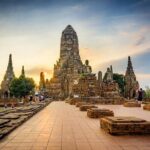
The first major stop is the Kanchanaburi War Cemetery, arriving around 09:00. This cemetery is a key POW burial ground connected to the building of the Burma Railway and the Japanese imprisonment of prisoners of war.
Here’s what I think makes this stop hit hardest: the scale and specificity. You’re looking at graves of an estimated 9,000 Allied soldiers, so it’s not just a memorial concept. It’s names, stones, and the sense that the work was paid for with human lives.
You’ll only have about 40 minutes at the cemetery. That’s not long, so I suggest you come with one question in mind—something like how labor and imprisonment were linked to the railway’s construction. If you’re the type who reads every plaque, you might skim a bit; if you’re thoughtful, you’ll still feel the weight of the place.
JEATH War Museum: a POW-camp replica that uses objects, photos, and art
Next comes the JEATH War Museum, around 09:40, with entry included. The museum is built in the style of a WWII POW camp replica, which helps you visualize the setting instead of treating it as abstract history.
What you’ll actually see matters. The museum includes paintings and photographs, plus tools used in those days. That mix is useful because it connects big events to smaller, practical details: what people handled, what daily life looked like, and what conditions might have forced certain routines.
The best way to get value from JEATH is to slow down for 2–3 themes. For example: how captivity is presented, how labor is shown through tools and images, and how the museum’s camp-style layout shapes what you notice first. Expect that a lot of the explanation is based on what’s written and displayed, so if you want deeper storytelling, you’ll have to be a little proactive and ask your guide.
River Khwae Bridge area: see the geography that shaped the story
At about 10:30, you visit the Bridge over the River Khwae area. Admission is included for this part, and the timing gives you a solid window to look around before the train ride.
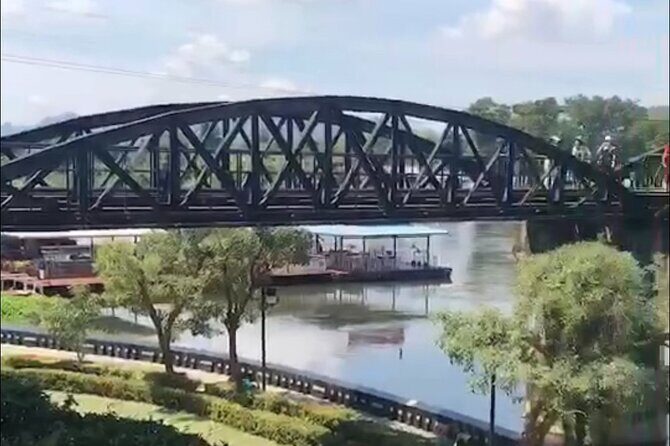
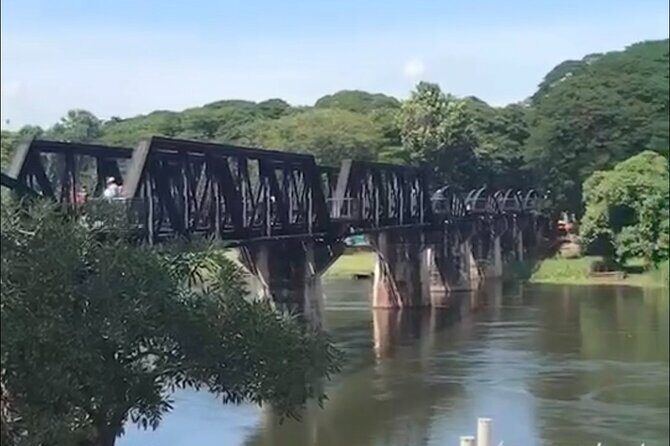
This stop can be a little different from the cemetery and museum. Instead of focusing on interiors and artifacts, you’re looking at the physical bottleneck that made the whole railway project so important. Bridges are the obvious targets in wartime, but they also show why engineering decisions became life-or-death realities for laborers.
There’s also a note worth knowing: the Bridge of the River Khai Memorial Week runs during late November to early December. If your trip lands in that window, you might see extra exhibitions and historical programming connected to WWII history at the bridge area.
You’ll spend about 40 minutes here. In that time, don’t try to do everything. Focus on how the bridge connects the two sides and how the area feels like a transit corridor, not a scenic postcard.
The Death Railway train ride over Tham Kra Sae Bridge: the story becomes movement
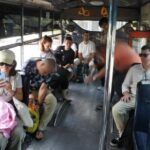
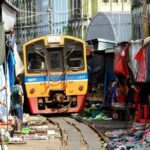
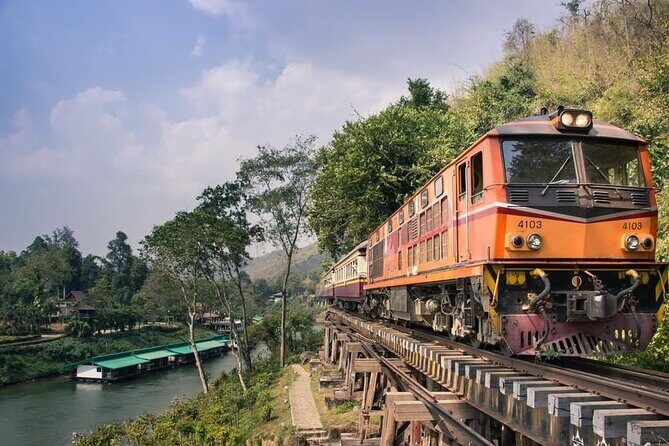
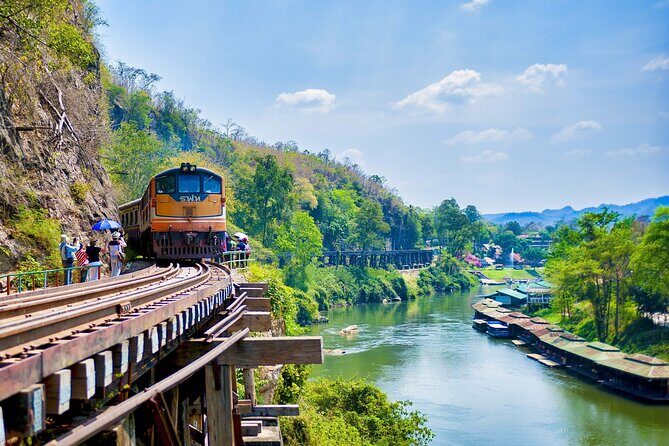
This is the signature moment. Around 11:15, you take a train ride on the Death Railway, including the time allocation on the itinerary for about 2 hours and 10 minutes. It’s on a stunning stretch that follows the line tied to the Thailand–Burma Railway, which earned the nickname Death Railway because more than 100,000 laborers died during its 16-month construction.
That nickname is heavy. The train ride doesn’t turn it into a thrill ride, though. Instead, it gives you something people often miss with WWII sites: the sense of travel along the same corridor where forced labor once moved, worked, and suffered.
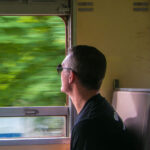
Use the ride time wisely. If you like taking photos, do it lightly—remember this is a commemorative story, not a theme park. If you’re more reflective, use the passing scenery to picture logistics: how long distances get broken up into workable sections, and how engineering projects demanded enormous manpower.
Two hours can feel long when you’re thinking. That’s okay. This is where the day turns from “reading about history” into “experiencing the route.”


Lunch at Wang Po station area: refuel near the Burmese border
You break for lunch at about 13:40. The tour schedule describes a buffet-style Thai lunch served at a restaurant in Kanchanaburi province, and the overall plan places the lunch stop near Wang Po station close to the Burmese border.
This is the part of the day where you’ll feel how long you’ve been traveling. The food also matters because it gives you a mental reset before the return drive. If you have a sensitive stomach, go easy with spice—tour days like this can include early mornings and busier eating than you’re used to.
After lunch, you head back to Bangkok around 14:40. That timing gives you time to digest without feeling rushed, but it also means you won’t get a long decompression break.
The return drive to Bangkok: plan for a late finish
You’ll depart Kanchanaburi around 14:40 and arrive back in Bangkok around 17:30–18:00. That makes the entire trip roughly 13 hours, including pickup and the transport blocks.
This is one reason I think this tour works best for people who like structured days. If you’re trying to fit in markets or evening plans right after, you’ll likely feel wiped out. Instead, treat this as your main event day, then schedule a lighter night afterward.
Also, bring a little patience for the rhythm. Stops are spaced out, and each one is designed to flow into the next. If you run late at one place, it can affect the rest of the timing—so keep an eye on the guide and the group.
Price and value: what $109.60 buys you (and what it doesn’t)
The price is $109.60 per person for a full day lasting about 13 hours. For a day like this, value comes from how much is handled for you, not just what you pay.
Here’s what you get built into the cost:
- Round trip transfer from Bangkok with hotel pickup
- An English-speaking guide
- JEATH War Museum entry
- The train journey on the Death Railway
- A buffet lunch as part of the schedule
You don’t get tips included. That’s common, but it’s worth factoring in your budget so you’re not scrambling later.
So is it worth it? If you would otherwise spend time arranging transport, finding tickets, and building a workable route across multiple sites, the bundle has real value. The key benefit is the coverage: you’re transported, you’re guided, and the two biggest paid components—JEATH and the Death Railway train—are already taken care of.
If you’re the type who hates group schedules, then $109.60 might feel like you’re paying for structure you don’t want. But if you like a compact, high-impact route with a small group, this price makes sense for what’s included.
Group size and guide style: get the most out of JEATH by asking questions
This tour runs with a maximum of 10 travelers. That small cap matters more than it sounds. It gives you the chance to get answers instead of getting waved along, and it makes the day feel calmer than big-bus tours.
Still, here’s the honest consideration: the museum experience can feel fairly exhibit-led, meaning you’re relying heavily on what’s displayed and what’s explained in the moment. If you want extra context—like connecting the cemetery, the camp replica, and the railway ride into a clearer narrative—ask questions early, not late.
For example, you can ask your guide how the bridge and the railway sections were linked, or what the museum’s tools and photo displays are meant to show. Even one good answer can turn an hour of museum time into something you remember.
Timing and what to bring for an early, long history day
You’re picking up between 06:00 and 07:00, then hitting multiple stops before lunch and a train ride that eats a big chunk of the afternoon. That adds up to a day where comfort is practical history.
Bring:
- Water (and use it; the day starts early)
- Sun protection if the bridge and cemetery areas are bright when you arrive
- A light layer, because you might experience temperature shifts during travel and on the train
- Anything you need for a long seated period (especially if you’re sensitive to travel fatigue)
And emotionally, come ready for the tone. The cemetery and Death Railway story are not meant to be casual. If you’re sensitive to heavy WWII topics, take breaks when you can, and don’t feel bad if your brain needs a moment between stops.
Should you book this Kanchanaburi WWII tour from Bangkok?
Book it if you want one well-organized day that connects the main WWII anchors in Kanchanaburi: the cemetery, the JEATH POW-camp style museum, the River Khwae bridge area, and then the Death Railway train ride. The route is efficient, the group size is small, and key admissions are included, so you spend less time sorting logistics and more time learning.
Skip it if you hate fixed schedules or if you want a very interactive, storyteller-style museum experience. In that case, you might find JEATH more like a self-exhibit experience with explanations rather than a richly narrated walkthrough. Also, if you’re not up for an early start and a late return, you’ll feel it.
If you want a day that is meaningful and physically doable from Bangkok, this tour is a solid choice.
FAQ
How long is the Full Day Kanchanaburi Tour from Bangkok?
It runs for about 13 hours.
What time does hotel pickup start?
Pickup starts between 06:00 and 07:00 from the meeting point in Bangkok.
What are the main stops during the day?
You’ll visit the Kanchanaburi War Cemetery, the JEATH War Museum, the River Khwae Bridge area, and take a train ride on the Death Railway, plus you’ll have lunch in Kanchanaburi.
What is included in the tour price?
Included are round trip transfer, an English-speaking guide, entry to the JEATH Museum, and entry for the train journey on the Death Railway.
Is lunch included?
Lunch is part of the schedule, with a Thai lunch (buffet style described in the tour overview) served during the day.
How many people are in the group?
The tour has a maximum of 10 travelers.
What happens if the tour is canceled due to weather?
The experience requires good weather. If it’s canceled because of poor weather, you’ll be offered a different date or a full refund.
Is free cancellation available?
Yes. You can cancel up to 24 hours in advance for a full refund.