REVIEW · BANGKOK
Historic River Kwai Bridge: Train Journey & Tour
Book on Viator →Operated by Parallel Tour · Bookable on Viator
Early mornings have a payoff.
This full-day trip links the WWII story of Kanchanaburi with a very real train ride. You’ll visit the Bridge over the River Kwai area, tour the Allied War Cemeteries, and then take the Death Railway by train through scenic countryside. It’s not just sightseeing; it’s history you can walk right up to.
Two things I really like about this tour are the focused WWII stops and the “built for your day” pacing. You get a Thai-style lunch included, and there’s an English guide on the tour. That guide piece matters on days when the sites feel intense and you want context fast.
One thing to consider: the plan includes the JEATH War Museum, but its entrance fee (THB50) is not included. Also, on at least one past booking, the English experience didn’t feel as strong as expected—so if language is a deal-breaker for you, it’s worth asking the operator how English support works in practice.
In This Review
- Key things to notice before you go
- From Bangkok to Kanchanaburi: why this route works
- Entering the war cemeteries at Kanchanaburi
- JEATH War Museum: tools, photos, and the camp atmosphere
- The Bridge over the River Kwai and the train ride moment
- Lunch and the Krasae Cave area: keep your energy steady
- Saiyok Noi waterfall: your planned reset
- The long return to Bangkok: what the pacing feels like
- Price and value: what you’re really paying for
- Who should book this tour (and who should pass)
- Practical tips to make your day smoother
- Should you book Historic River Kwai Bridge: Train Journey & Tour?
- FAQ
- What time does the tour start?
- How long is the tour?
- What’s included in the price?
- Is the JEATH War Museum entrance fee included?
- Does the tour offer pickup?
- What sites will you visit during the day?
- Is there a lunch included?
- How big is the group?
- Is the tour weather-dependent?
Key things to notice before you go
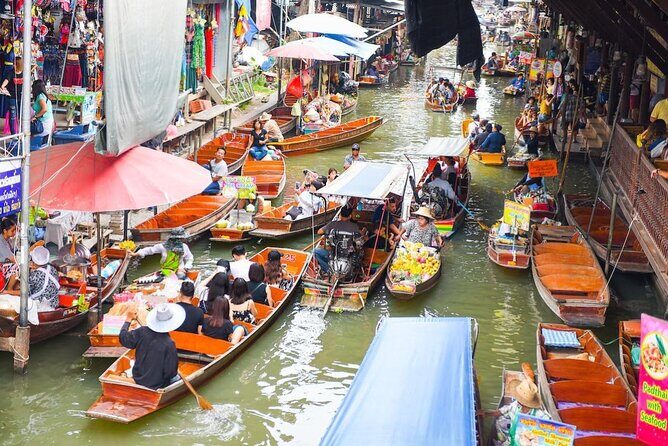
- Death Railway train time: You get a dedicated scenic ride tied to the historic route, not just photos from the roadside.
- Allied War Cemeteries: A calm, carefully kept stop that makes the WWII story feel personal and grounded.
- JEATH War Museum: Stops on the former prisoner-of-war camp grounds, with exhibits of tools, photos, and paintings.
- Saiyok Noi waterfall break: A planned reset with time to wander on your own.
- Max 30 travelers: Smaller group size usually means less waiting and smoother movement between sites.
- English guide included: Helpful for understanding what you’re seeing, especially at the war sites.
From Bangkok to Kanchanaburi: why this route works
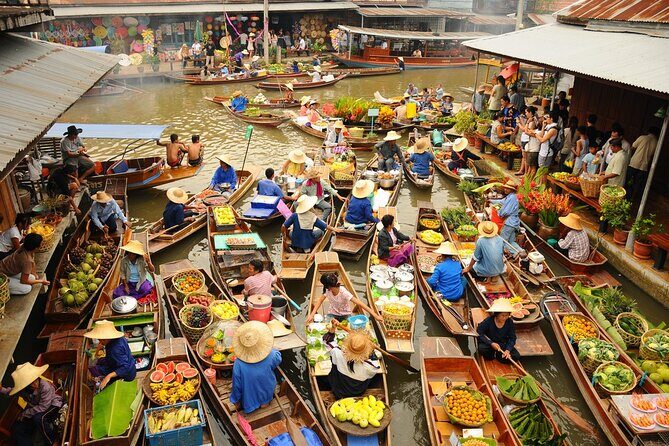
This is a classic Bangkok-to-Kanchanaburi day trip, built around one core idea: history first, then the most memorable transport moment—train. The schedule runs long (about 10–12 hours), but the stops are timed so you’re not constantly transferring or searching for directions.
You start early. Pickup is between 6:15 and 6:30 AM, then you’re on the road by 6:30 AM. That early start is your advantage: it helps you reach the war sites before the day heats up and before the group energy turns into tired-and-faint.
The tour is also structured to be low-stress in the hard parts. Roundtrip transfer is included only in the free pickup zone. An English guide is included, and you get a Thai-style lunch. Add those up and this is usually a better value than cobbling together trains, boats, and private transfers for a single day.
Still, it’s worth going in with eyes open. One negative experience in the past involved an itinerary not matching what the person thought they were buying and extra costs to continue. That’s a reminder to read the written inclusions carefully before you pay, especially if you’re expecting a specific extra stop.
You can also read our reviews of more historical tours in Bangkok

Entering the war cemeteries at Kanchanaburi

The day’s first major history stop is the Kanchanaburi War Cemetery, typically around 9:30 AM. This is one of those places where the setting is part of the message. The grounds are described as immaculately maintained, and the site honors 6,982 Allied POWs who died building the “Death Railway” during World War II.
If you’ve ever visited a cemetery and felt like your mind suddenly got quiet, you’ll understand why this stop is such a big deal on tours like this. It’s not an exhibit. You’re looking at names, graves, and the scale of loss. With an English guide, you’ll likely get the story behind the numbers—why this railway mattered, who was forced to build it, and how the bridge and line became part of WWII history.
What to expect on the ground:
- It’s calm, slow, and respectful. Don’t treat it like a quick photo stop.
- You’ll want comfortable shoes. The time in this section is about 30 minutes.
Possible drawback: if you’re in a hurry or you prefer more “hands-on” attractions, the cemetery can feel heavy. But that’s also why it’s worth including. It keeps the day from becoming just a ride and a view.
JEATH War Museum: tools, photos, and the camp atmosphere
Next up is the JEATH War Museum, around 10:00 AM, with about 2 hours allocated. The museum is built on the grounds of a former WWII prisoner-of-war camp. That location detail matters: you’re not learning about history from a distance. You’re looking at artifacts and displays connected to the setting where people were held.
The museum’s exhibits focus on:
- Paintings and photographs
- Tools and everyday objects related to the POW experience
This is a useful pairing with the cemetery stop. The cemetery gives you scale and names. The museum helps fill in what daily life and hardship looked like—without needing you to piece everything together yourself.
Two practical tips for this part:
- Plan to take your time reading labels. The information is part of the point.
- If your group is large, the guide may not be able to hover at every display. Go slow anyway.
Cost note: the JEATH entrance fee is THB50 per person and is not included. If you’re traveling with a tight budget, set aside the cash (or be sure you can pay on-site) before you reach this stop.
The Bridge over the River Kwai and the train ride moment
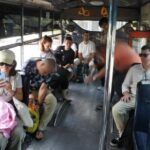
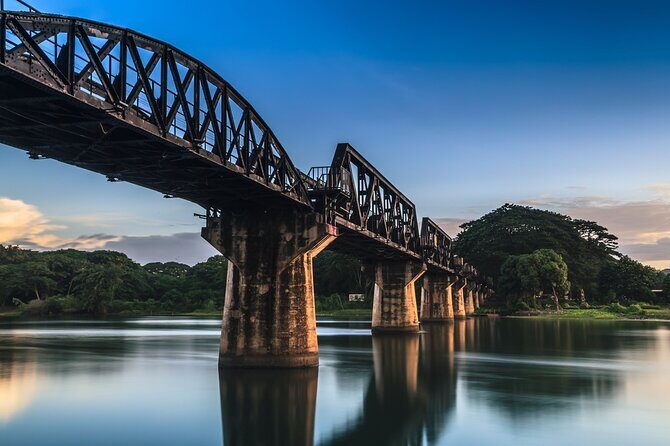
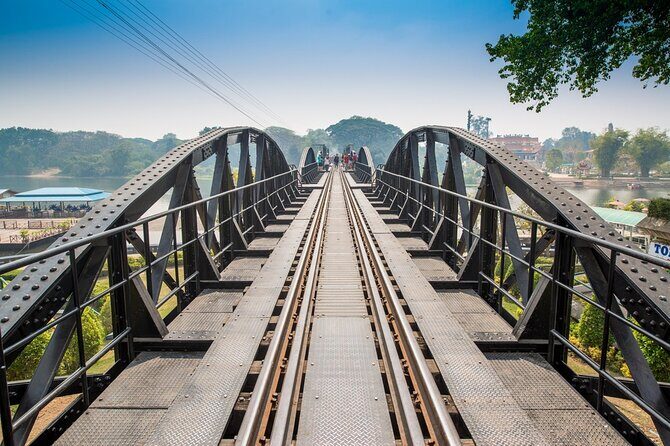
Then comes the day’s signature experience: the River Khwae Bridge area, built into the Death Railway story. The train segment is about 1 hour, and the admission ticket for this part is marked as included.
Even if you already know the famous movie version of this story, the real-world experience hits differently. You’re moving along a historic route that POWs were forced to build. And the route is known for scenic, view-filled countryside stretches—so you get both the haunting context and the reality of travel through the region.
Here’s how to get the most out of this part:
- Treat the train ride as more than scenery. Look around, not just out the window.
- Watch how the bridge and viaduct story connects to what you saw at the cemetery and museum. The day starts making a tighter narrative.
No sugar-coating: this is a WWII-related experience, and that context can weigh on you. But it’s also the kind of history that sticks, because you physically ride the line instead of just reading about it.
Lunch and the Krasae Cave area: keep your energy steady

After the main museum and train time, you’ll have a meal stop around 1:00 PM. The schedule describes a Thai-style lunch at a restaurant, and it also references Krasae Cave around this time window.
Because the itinerary wording ties these items together, I suggest using a simple strategy: eat well and hydrate early. Your next major block is the Saiyok Noi waterfall, and that part includes free time. When people skip lunch or drink too little, they end up rushing through the waterfall stop and missing what they came for.
What I like about including lunch here: it prevents the day from turning into a scavenger hunt. You’re far from Bangkok, your timing is tight, and you shouldn’t have to negotiate a meal while trying to catch the next pickup window.
What you should pack (light but smart):
- Water bottle
- Sun protection
- A small bag for personal items during the free time


Saiyok Noi waterfall: your planned reset
Around 2:00 PM, you head to Saiyok Noi waterfall. The tour gives you 30–45 minutes of free time to explore at your own pace.
This is a big part of why this day trip feels balanced instead of totally grim. After the war cemeteries and WWII museum, the waterfall is a mental reset. Even if you’re not a “waterfall person,” the outdoor break gives your body a chance to move.
Practical expectations:
- You’ll have enough time to walk around and enjoy the area, but not enough time to act like it’s a full afternoon hiking trip.
- Plan to return to the group on time. Free time plus a tight overall schedule can create last-minute stress if you linger.
One caution: it’s a weather-dependent experience. If conditions are poor, the operator may offer a different date or a refund. That means you should keep your day flexible if you can.
The long return to Bangkok: what the pacing feels like
The tour wraps up in Bangkok between 6:00 and 7:00 PM (with the return window described as 2 hours). By this time, you’ve done a lot: cemetery, museum, train ride, lunch area, waterfall.
This kind of day trip works best if you treat it like a structured overview, not a choose-your-own-adventure. You’re not meant to add extra stops. You’re meant to arrive, follow the plan, and come home with a clearer understanding of Kanchanaburi’s WWII significance.
If you like your travel with minimal fuss, you’ll probably appreciate the included roundtrip transfer (within the free pickup zone) and the mobile ticket format. It cuts down on the “where do we meet” moments.
And one more thing: group size is capped at 30 travelers. That’s big enough to be lively but small enough that you usually aren’t waiting forever at each stop.
Price and value: what you’re really paying for
At $94.89 per person, this tour is not the cheapest option for a Bangkok day trip. But the value depends on what you’d have to recreate on your own.
Here’s what’s included:
- Roundtrip transfer (in the free pickup zone)
- Travel insurance
- Thai-style lunch
- English guide
- Train and River Kwai Bridge segment ticket included
- Mobile ticket
Not included:
- JEATH Museum entrance fee (THB50)
- Some personal expenses
- Possible extra THB100/person if pickup is outside certain listed areas (like Rachadapisak, Suttisarn, Intamara Rama 4, Sathon)
So you’re paying for the combination of transport logistics plus a guided history flow. If you try to recreate it DIY, the challenge is not just getting there—it’s timing and connecting the right sites in one day while still getting the train segment.
Is it perfect value? It can be, especially if you want a guided experience at the war sites and you don’t want to plan a rail day yourself. But if your big priority is total freedom or you strongly prefer a certain language level, you should double-check what “English guide” means for this specific operator and day.
Who should book this tour (and who should pass)
This tour is a good fit if:
- You want a single-day overview of Kanchanaburi’s WWII story.
- You care about the Death Railway train experience and not just photos.
- You like having a guide when the history gets heavy.
- You’ll enjoy a mix of indoor museum time and outdoor waterfall time.
You might want to skip it (or at least ask more questions first) if:
- You hate early starts and long days.
- You expect fully English narration at every moment and can’t tolerate variation.
- You’re the type who needs a lot of unstructured time. The waterfall free time is short by design.
Also, given past complaints about mismatched expectations, I’d treat this as a “read carefully” booking. Confirm the stops that matter to you are actually included in the published itinerary before you go.
Practical tips to make your day smoother
A few small moves can make the day feel calmer and more enjoyable.
First, plan your morning gear. Start with:
- Closed-toe shoes for walking in cemeteries and museum areas
- A light layer for early morning air
- Sun protection for the late-day waterfall stop
Second, manage the money basics. Since JEATH entrance fee isn’t included, bring the THB50 per person ready. If you might need the pickup outside the free zone, be ready for the THB100/person extra cost too.
Third, don’t overbook your head. This day is long and intense. If you can, don’t schedule anything right after you return to Bangkok. Give yourself an easy evening.
Finally, be flexible with your expectations. The experience is designed as a history-and-transport day. If you want only fun sights, this won’t feel like that.
Should you book Historic River Kwai Bridge: Train Journey & Tour?
I’d book this tour if you want a well-timed Bangkok day trip that delivers both history and the memorable train ride that ties everything together. The combination of Kanchanaburi War Cemetery, JEATH War Museum, and the Death Railway train segment is the big reason it works. Add the Saiyok Noi waterfall break and the included lunch, and you get a full day that feels intentional instead of chaotic.
I’d hesitate if you’re sensitive about itinerary accuracy or language. Look closely at inclusions before you pay, and make sure the stops you care about are truly part of what you’re buying. The best version of this trip is educational, inspiring, and grounded—exactly the kind of day that stays with you after you’re back in Bangkok.
FAQ
What time does the tour start?
The tour starts at 6:30 AM (pickup is typically 6:15–6:30 AM).
How long is the tour?
It runs about 10 to 12 hours.
What’s included in the price?
Included: roundtrip transfer in the free pickup zone only, travel insurance, Thai-style lunch, English guide, and the River Kwai Bridge/Death Railway train segment ticket. It also uses a mobile ticket.
Is the JEATH War Museum entrance fee included?
No. The JEATH Museum entrance fee is THB50 per person and is not included.
Does the tour offer pickup?
Yes, there is pickup, but it’s included only in the free pickup zone. Pickup outside specific areas may require an extra THB100 per person.
What sites will you visit during the day?
You’ll visit Kanchanaburi War Cemetery, JEATH War Museum, Bridge over the River Kwai / Death Railway train segment, and you’ll also have time at Saiyok Noi waterfall. There is also a lunch stop around the Krasae Cave area time window.
Is there a lunch included?
Yes. A Thai-style lunch is included.
How big is the group?
The maximum group size is 30 travelers.
Is the tour weather-dependent?
Yes. The experience requires good weather, and if it’s canceled due to poor weather, you’ll be offered a different date or a full refund.