REVIEW · BANGKOK
Private Tour: Thai–Burma Death Railway Bridge on the River Kwai from Bangkok
Book on Viator →Operated by Tour East Thailand · Bookable on Viator
A train-and-bridge day hits hard.
This private Bangkok trip to Kanchanaburi puts you face to face with the Thai–Burma Death Railway and the River Kwai Bridge, where the scenery is beautiful and the story is not. You’ll start early, ride out into the Thai countryside, and spend the day moving through major WWII remembrance sites—then finish with the signature boat-and-train route that helped make this landmark world-famous.
Two things I really like: hotel pickup and drop-off keeps the long drive from feeling like a chore, and the long-tail boat under the bridge is the kind of moment you’ll remember because it shows the bridge from the water, not just from photos. One consideration: it’s a long day and the road time from Bangkok can feel heavy, especially with the 6:30am start.
Guides can make or break a day trip like this. In the names that have shown up for this experience—people such as Betty, Jenny, Luk, and Pearl—the common thread is pacing and clear storytelling. Still, plan to bring patience for the drive and treat the day as a structured visit to a serious subject.
In This Review
- Key highlights worth focusing on
- How the Bangkok-to-Kanchanaburi schedule works (and why the early start counts)
- Kanchanaburi War Cemetery: the stop that sets the tone
- JEATH War Museum: quick context before you get to the bridge
- Long-tail boat on the River Kwai: where the bridge becomes real
- The River Kwhae Bridge stop: walking the famous span
- Death Railway Museum and Research Centre: train ride plus Thai lunch
- Private guide quality: what to expect and what to check early
- Price and value: is $168.69 worth it?
- Who this private River Kwai Death Railway tour suits best
- Should you book this Bangkok private tour to the River Kwai?
- FAQ
- What time does the private tour start from Bangkok?
- How long is this day trip to the Thai–Burma Death Railway and River Kwai Bridge?
- Do you get hotel pickup and drop-off?
- Is lunch included, and are drinks included?
- Is the tour really private?
- What transportation and signature activities are included?
- Can I cancel for a full refund?
Key highlights worth focusing on
- 6:30am departure: you get out of Bangkok early, which helps make the day feel less rushed
- Kanchanaburi War Cemetery: the main POW cemetery stop that sets a reflective tone
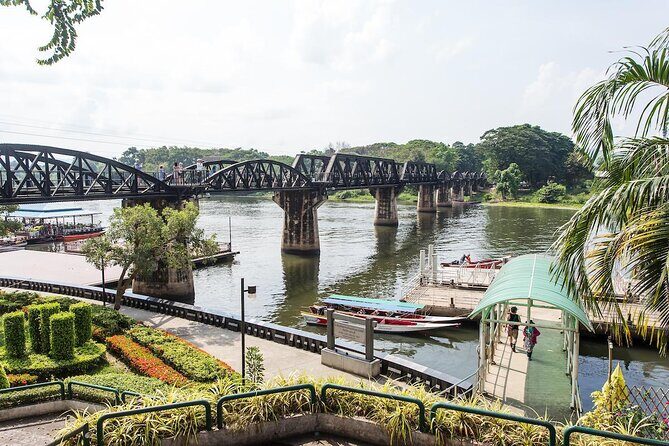
- Long-tail boat under the bridge: a short ride, but it’s one of the most memorable visuals
- Death Railway train ride: included, and part of the route experience—not just a quick photo stop
- Thai lunch + entrance fees included: fewer logistics, more time on site
- Private format: only your group is on the schedule, so the guide can answer your questions
How the Bangkok-to-Kanchanaburi schedule works (and why the early start counts)
This is about a 9-hour day, and it begins at 6:30am. That early start matters because Bangkok traffic is brutal, and a road trip to Kanchanaburi can eat up your energy before you even reach the sites. The route is long enough that you’ll feel the day as one continuous push: drive, walk, ride, and then drive again.
The good news is that the tour includes air-conditioned vehicle transport and hotel pickup and drop-off from select hotels. That saves you from the hassle of arranging your own driver for a full-day route and stops, especially when the day involves multiple timing-dependent activities like the boat ride and train segment.
From real-world experience with similar Bangkok day trips, I’d call this a commitment tour. If you’re the type who wants a casual morning and spontaneous pacing, you might feel rushed. But if you want one well-run day with transportation handled and major stops covered, the structure is exactly what you’re paying for.
Practical tip: bring something for the car ride. Even with comfort stops, it’s still many hours in a vehicle.
You can also read our reviews of more private tours in Bangkok

Kanchanaburi War Cemetery: the stop that sets the tone
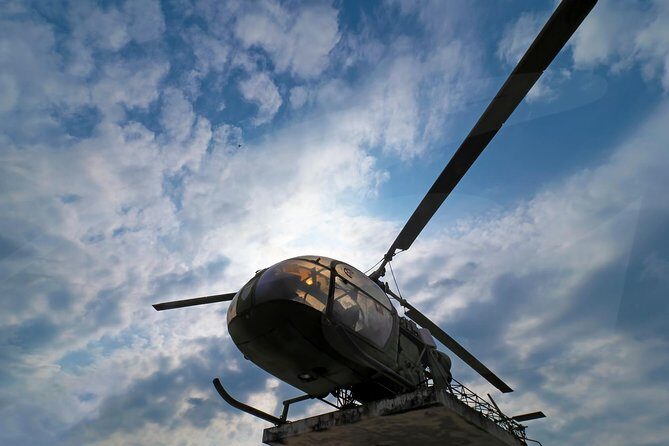
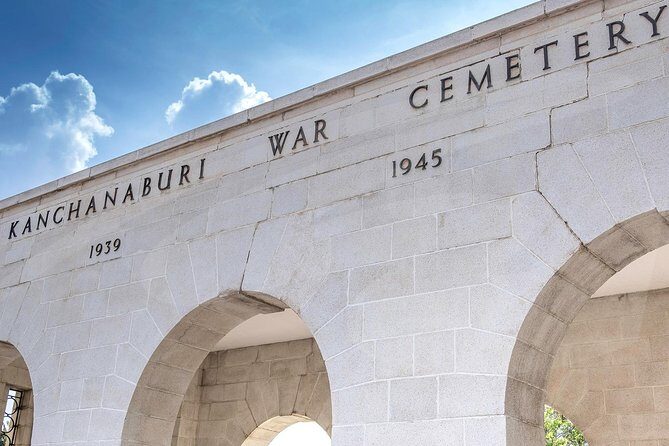
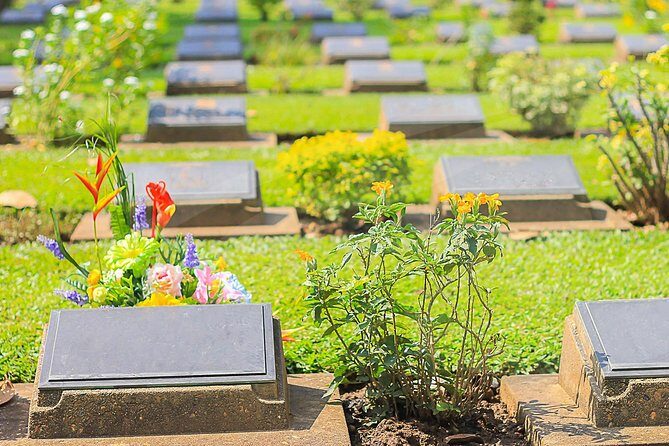
The first major site is the Kanchanaburi War Cemetery, scheduled for about 30 minutes with admission included. This is the main POW cemetery tied to victims who were imprisoned while the Burma Railway was being built in WWII.
Why this stop matters: the cemetery doesn’t offer entertainment. It gives you a grounding point—the names, the scale, and the reality of the losses behind what later becomes a famous bridge and a famous rail line. It’s also where the rest of the day lands better. After you’ve seen where the story ends for so many families, the museum artifacts and the bridge visuals hit with more weight.
What to expect in a short visit like this:
- a respectful walk-through pace
- time to read and look, but not so much that you’ll feel stuck
- photo opportunities are possible, but keep the mood in mind
If you tend to get overwhelmed in memorial settings, take your time anyway. Short visits are still intense, and you’ll likely be grateful you’re not rushing.
JEATH War Museum: quick context before you get to the bridge
Next up is the JEATH War Museum (about 30 minutes). The museum focuses on the construction of the Death Railway and the fact that it was built by prisoners of war during World War 2.
This is the right kind of stop to do before the River Kwai portion. It helps translate what you’ll later see in physical form—tracks, the rail route, and the bridge—into a clearer human story. Without context, it can be easy to treat the sites like a set. With context, it becomes a journey.
A quick heads-up: the visit is fairly brief, so if you want detailed explanations, this is where your guide becomes important. Ask a question early—about how the railway related to the bridge, or how prisoners were treated in the work. With a private guide, you can guide the conversation.
Long-tail boat on the River Kwai: where the bridge becomes real
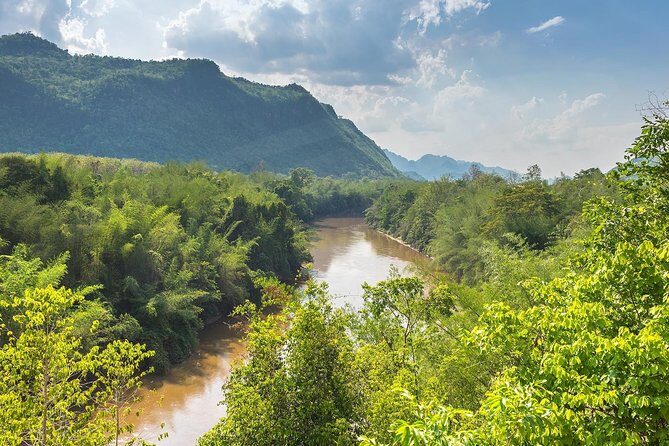
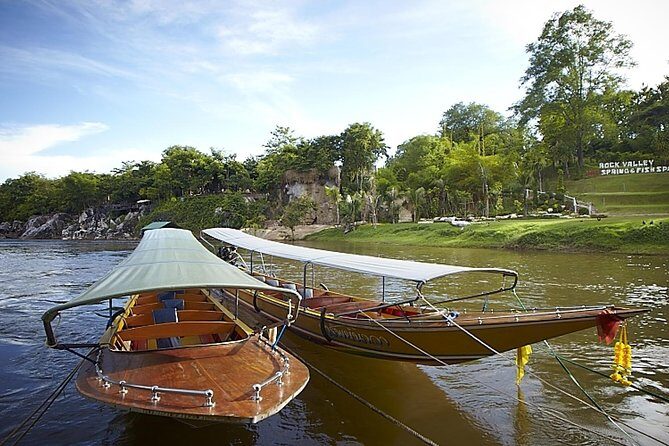
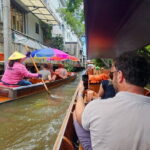
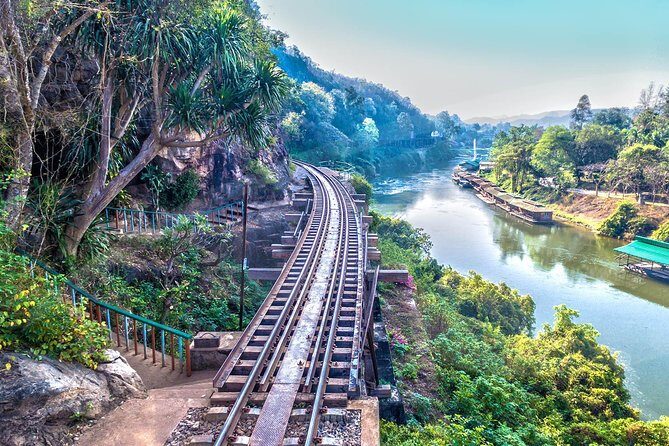
Then comes a highlight: time on the River Kwai by long-tail boat. It’s only about 15 minutes, but it’s a visual turning point.
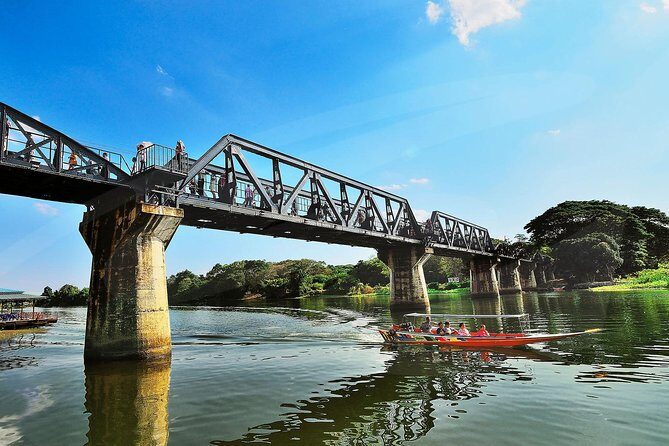
The bridge is one thing from land. It’s something else when you’re on the water under it. The boat ride gives you a closer look at the structure and the setting, and it’s also a nice tempo change after memorial and museum time.
What I like about this portion is the balance:
- it’s short, so it doesn’t eat your whole day
- it’s scenic, so your brain gets a breather
- it still keeps the main theme in view
Practical tip: if you’re sensitive to sun or wind, dress accordingly. And if you’re prone to seasickness, this is usually manageable—but water time is still water time, so bring what you normally use.
The River Kwhae Bridge stop: walking the famous span
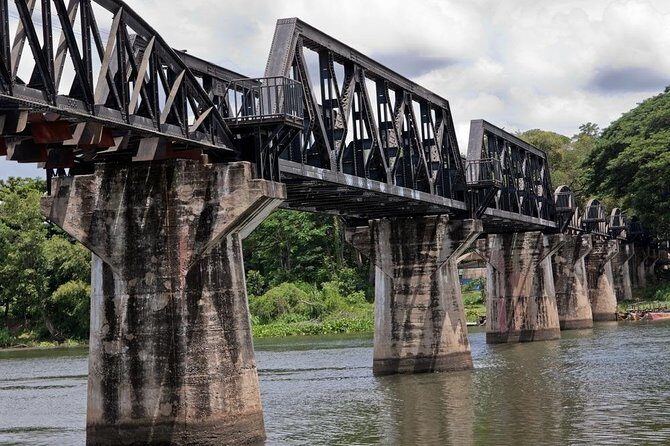
After the boat, you’ll visit the River Khwae Bridge area (around 20 minutes). This is the famous bridge tied to the beginning of the Death Railway concept and the symbolic reminder of the forced labor and POW losses.
Even in a short window, walking around matters. The bridge becomes less like an icon and more like a physical place with details you can notice—angles, scale, and how the surrounding area frames it.
A useful way to approach this stop:
- look first for the structure itself
- then look for how it connects to the wider rail story
If you’re a rail enthusiast, this is where the day clicks. If you’re not, it’s still worth it because you’re seeing the physical object at the heart of the story you’ve been hearing about all morning.


Death Railway Museum and Research Centre: train ride plus Thai lunch
The heart of the day continues at the Death Railway Museum and Research Centre. This is where you’ll include a train ride along the Death Railway—plus time at the museum area, and then your lunch. The total block is about 1 hour 30 minutes with admission included.
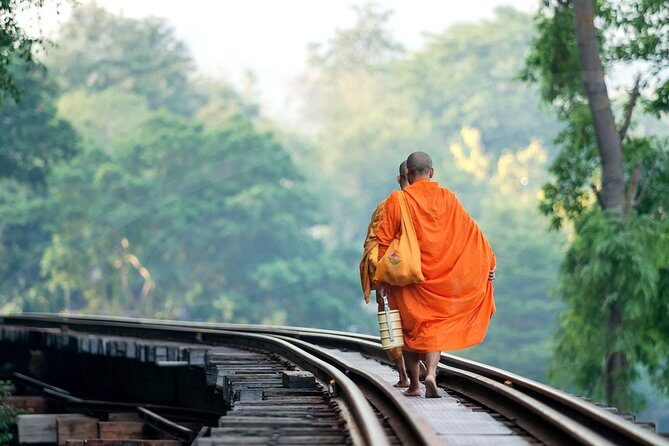
Why the train ride is such a big deal: you’re not just looking at rail history. You’re moving through the same broad idea of route—so the day becomes not only educational, but experiential. The route is described as taking you through a jungle-like region, which helps the landscape feel tied to the story rather than staged.
Then lunch. Lunch is included and described as Thai local food, served after the train ride. This is one of the ways the tour makes the day easier to handle: you don’t have to search for food far from the route, and you get an actual break.
Food practicalities:
- bottled water is included
- alcoholic beverages are not included
- one accommodation example that came up: a guide was willing to handle a gluten-free lunch request, which suggests it’s worth asking if you have dietary needs
Even if your lunch isn’t a five-star banquet, it’s a relief to have it handled after a long drive and a full day of walking and riding.
Private guide quality: what to expect and what to check early
This is listed as a private local English-speaking guide, and that matters because the sites are heavy. You want someone who can connect the facts to what you’re seeing and keep the day moving smoothly.
In practice, guide impact can vary. Some guides associated with this tour—such as Betty, Jenny, Luk, and Pearl—have been praised for strong explanations and professional handling of the day. Other experiences note that English clarity wasn’t always what they hoped for, and that some guides offered less interaction than expected.
Here’s how I’d handle it as a traveler:
- Ask your first question within the first hour of pickup. Simple questions work: how the bridge relates to the wider railway, or what the cemetery represents in the larger story.
- If your guide’s English is harder to follow, don’t freeze. Use shorter questions and ask for key points you care about most.
- Remember: the tour still includes the major physical stops and rides. Even if interpretation is lighter than you want, the structure is doing a lot of the work.
Since the tour is private, your ability to ask and steer the day is the real advantage. Use it.
Price and value: is $168.69 worth it?
At $168.69 per person, this is not a cheap throw-in from Bangkok. But it also isn’t just “transport to a place.” You’re paying for a bundle of services that are hard to replicate easily on your own:
Included items that add real value:
- hotel pickup and drop-off from select hotels
- private local English-speaking guide
- air-conditioned vehicle for the long road day
- entrance fees
- long-tail boat ride
- train ride along the Death Railway
- Thai lunch
- bottled water
The big cost-saver here is time and coordination. A DIY version means you’d be piecing together transportation, ticketing, and timing for multiple stops across the Kanchanaburi area, then still returning to Bangkok through traffic.
What’s not included:
- alcoholic beverages
So the value equation is simple. If you want everything handled in one day with minimal stress—and you want the emotionally serious sites plus the signature bridge-and-rail experience—this price is easier to justify. If your priority is maximum flexibility and you plan to spend less time than the tour’s full schedule, then DIY could be cheaper. But you’ll trade that for effort.
Who this private River Kwai Death Railway tour suits best
This is a strong fit for:
- history and WWII memorial interest (cemetery + museum make it meaningful)
- rail enthusiasts (the Death Railway train ride is a core part of the experience)
- bridge-photo lovers who want more than a quick stop
- small groups or couples who want a private guide and fewer waiting hassles
It may be less ideal for:
- people who dislike early mornings
- travelers who can’t handle a full day of driving in one go
- anyone who needs a deeply interactive guide experience throughout the car ride (English and engagement can vary by guide)
If you’re going as a couple and want a calmer pace than a big group tour, private format is usually the sweet spot.
Should you book this Bangkok private tour to the River Kwai?
I’d book it if you want a structured, guided day that covers the key memorial sites and the iconic bridge experience without you managing logistics. The included boat under the bridge, the Death Railway train ride, and the Thai lunch make the day feel complete rather than like a checklist.
I’d skip (or at least rethink) if you’re sensitive to:
- long road time
- early departure
- intense WWII remembrance
If those are okay for you, then this trip is exactly the kind of Bangkok day trip that turns a famous name—the River Kwai—into something you can actually see, walk, and ride through.
FAQ
What time does the private tour start from Bangkok?
The tour starts at 6:30am.
How long is this day trip to the Thai–Burma Death Railway and River Kwai Bridge?
It’s listed as about 9 hours.
Do you get hotel pickup and drop-off?
Yes, hotel pickup and drop-off are included for selected hotels.
Is lunch included, and are drinks included?
Yes, lunch is included, along with bottled water. Alcoholic beverages are not included.
Is the tour really private?
Yes. It’s a private tour/activity, so only your group participates.
What transportation and signature activities are included?
You’ll use an air-conditioned vehicle, take a long-tail boat ride on the River Kwai, and include a train ride along the Death Railway.
Can I cancel for a full refund?
Yes. Free cancellation is available up to 24 hours in advance of the experience start time for a full refund.