REVIEW · BANGKOK
2-Day River Kwai Adventure with 1-Night Stay at Resotel
Book on Viator →Operated by I Asia Thailand · Bookable on Viator
Few places hit like River Kwai. This 2-day trip from Bangkok strings together major WWII sites, including the Bridge over the River Kwai and the Hellfire Pass Memorial Walking Trail, then adds real momentum with boat rides and a historic railway segment. You also get a riverside night at River Kwai Resotel, so the schedule is not just sightseeing, it’s sightseeing plus a breather by the water.
What I especially like is the mix of stops: museum-style context at the Thailand-Burma Railway Centre, then moving through memorials and the bridge itself, and ending with an interpretive centre built for walking. The other big win is the “transport package” feel, because the day includes long-tail boat time and a Death Railway train ride, not just bus windows.
One drawback to plan for: the days start early (6:00am) and you’re covering a lot of emotionally heavy ground. Also, the return drive can run late depending on traffic, so build a little slack into your Bangkok plans.
In This Review
- Key highlights to know before you go
- WWII sites that make the scale real
- Price and logistics: what you get for the money
- Day 1: Railway Centre, cemetery, the bridge, and Hellfire Pass
- Thailand-Burma Railway Centre: context first
- Kanchanaburi War Cemetery: the memorial’s purpose
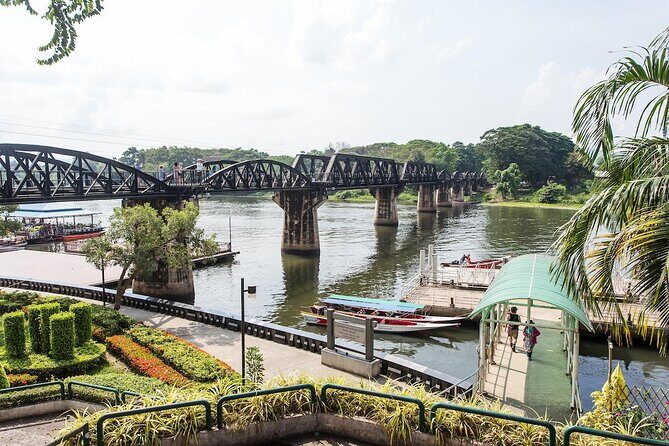
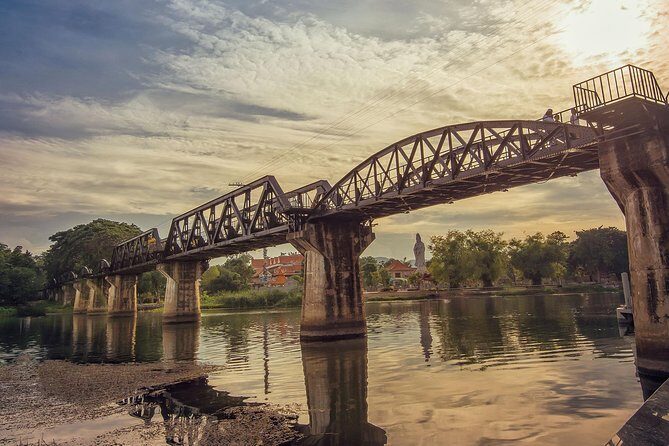
- River Khwae Bridge: the famous structure you can actually stand by
- Hellfire Pass Interpretive Centre and Memorial Walking Trail: the day’s emotional center
- Day 2: Mon Tribal Village by long-tail boat and the Death Railway train
- Mon Tribal Village: river ride plus a temple visit
- River Kwai and lunch by the pier
- Death Railway Train: the historic wooden viaduct segment
- Resotel riverside stay: bungalows in the trees, with dinner and breakfast
- How the included meals and transfers shape your day
- Who this tour suits best
- A simple packing and comfort checklist
- Should you book the 2-Day River Kwai Adventure with Resotel?
- FAQ
- What is the duration of the tour?
- Where does the tour start and when?
- What places are included on Day 1?
- What places are included on Day 2?
- Does the tour include meals and hotel?
- Is hotel pickup and transportation included?
- Are entrance fees included?
- How long is the return trip back to Bangkok?
- What are the child rate details?
- What is the cancellation policy?
Key highlights to know before you go
- A real WWII route, not a single photo stop: museum, cemetery, bridge, Hellfire Pass, and the train ride over wooden viaducts.
- Long-tail boat segments: river travel that keeps the pace moving and changes the angle on the scenery.
- Hellfire Pass interpretive walking trail: a slower, reflective part of the day after sharper stops.
- Riverside downtime at Resotel: dinner and breakfast included, plus bungalows set among trees.
- Small group size (max 20): easier movement and less chaos when you’re heading from site to site.
WWII sites that make the scale real
River Kwai is famous for a reason, but this tour does more than point you at one landmark. The day is built like a guided story: why the railway existed, what it cost, and how the memory is handled now through memorials and interpretive centers. That structure matters, because the history lands differently when you understand the timeline and the purpose of the Thai-Burma railway project.
You’ll spend Day 1 moving through key memorial locations connected to Allied POWs and the railway line. The tour also gives you time to slow down at Hellfire Pass, where you’re not just looking at plaques. You’re walking a memorial trail after learning the broader context inside the interpretive centre. If you tend to speed through memorial sites, plan to take your time here. The walking part is where the information becomes personal.
And then you get a contrast on Day 2: the Mon Tribal Village visit and the river cruise segments keep the day from feeling like only war history. It’s still within the same region, but it reminds you this is lived-in Thailand, not a set.
You can also read our reviews of more evening experiences in Bangkok

Price and logistics: what you get for the money
At $253.91 per person for a 2-day experience with 1 night included, the price makes sense when you look at what’s bundled. You’re not just paying for transportation and a couple attractions. The tour includes:
- round-trip transfer from Bangkok (with hotel pickup offered)
- local Thai guide
- entrance fees for listed stops
- 1 night at River Kwai Resotel
- dinner, breakfast, and two included lunches
- long-tail boat rides and the Death Railway train component
- mobile ticket
That’s the key value point: lots of tours sell you a route, but they don’t cover the full day costs. Here, you’re getting the major elements together, which helps keep the day from turning into a DIY scramble for tickets, timings, and meeting points.
Logistics are straightforward but require early energy. Pickup and departure start at 6:00am. Kanchanaburi Province is about 128 km west of Bangkok, so it’s a real road trip day. On the return, the drive back to Bangkok begins around 2:30pm, with hotel arrival around 6:00pm if traffic and weather cooperate.
The group size caps at 20 travelers, which is helpful. You’re less likely to feel like you’re being rushed through sites as one large herd.
Day 1: Railway Centre, cemetery, the bridge, and Hellfire Pass
Day 1 is the backbone of the whole itinerary. It moves from context, to commemoration, to place-based memory, and finally to a walking experience that slows your brain down.
Thailand-Burma Railway Centre: context first
You start at the Thailand-Burma Railway Centre for about 30 minutes, with admission included. This is where you get the structure of the story before you start touching the physical sites. Expect interactive exhibits, short films, and clear descriptions that set the stage for the railway’s background and the plans behind it.
This stop is useful even if you already know some WWII basics. It helps you frame what you see next, especially when you’re standing in front of memorials and learning what the railway line meant in real human terms.
Kanchanaburi War Cemetery: the memorial’s purpose
Next is the Kanchanaburi War Cemetery (also about 30 minutes). Admission is included, and the site is a memorial to around 6,000 Allied POWs who perished along the railway and were moved here after the war. This kind of cemetery stop can be brief on paper, but it’s not just a photo opportunity. It’s designed to anchor the facts you just learned into names and remembrance.
If you want to be respectful with your time, use this stop to read slowly. The cemetery makes the “why” of the railway feel more grounded than a museum explanation alone.
You can also read our reviews of more tours and experiences in Bangkok


River Khwae Bridge: the famous structure you can actually stand by
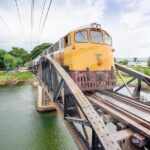
Then you head to the Bridge over the River Kwai for about 1 hour. Entrance is free at this stop. The bridge is a major WWII landmark connected to the Death Railway and was constructed by Allied POWs.
One practical tip here: plan your photos, then spend the rest of the hour simply observing. The bridge is famous because it’s visible and dramatic, but the tour’s best use of the bridge is as a physical reminder of what people were forced to build.
Hellfire Pass Interpretive Centre and Memorial Walking Trail: the day’s emotional center
Finally, Day 1 ends with Hellfire Pass Interpretive Centre and the Memorial Walking Trail for about 3 hours. Admission is included. This is where the tour gives you a deeper, structured look at the railway in chronological and thematic headings—so you’re not only learning facts, you’re understanding the logic, the hardships, and the broader sequence.
After the interpretive centre, the memorial walking trail shifts you from reading to experiencing. The walk gives you a pace change, which helps after the morning’s intense concentration. It’s also where the tour earns its time. If you’re short on patience for museums, don’t skip this. The walking trail is the part that tends to stick.
Day 2: Mon Tribal Village by long-tail boat and the Death Railway train
Day 2 is the “moving through the region” day. It still contains a historic rail component, but the order is more about flowing from river to village to train to back to Bangkok.
Mon Tribal Village: river ride plus a temple visit
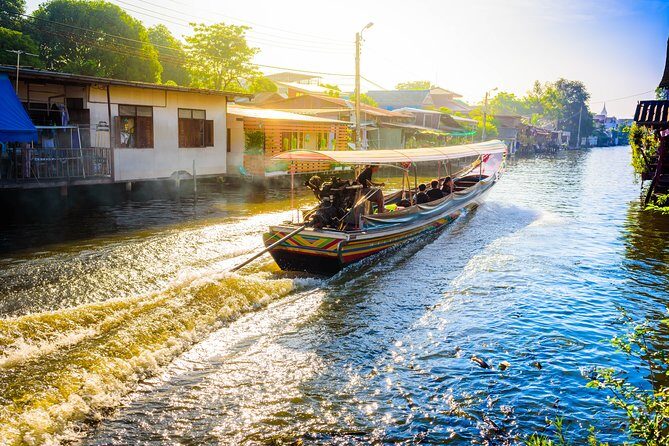
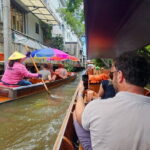
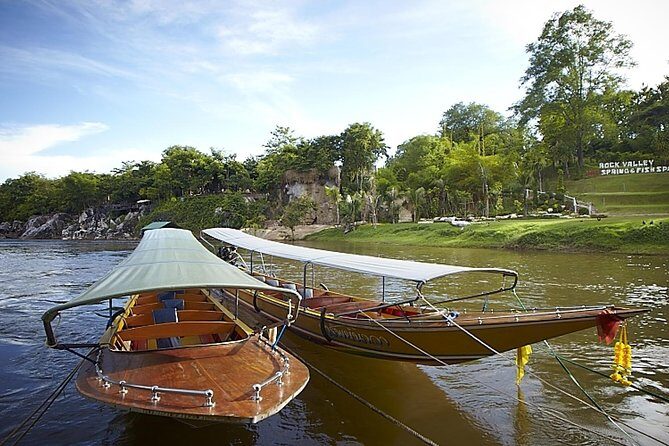
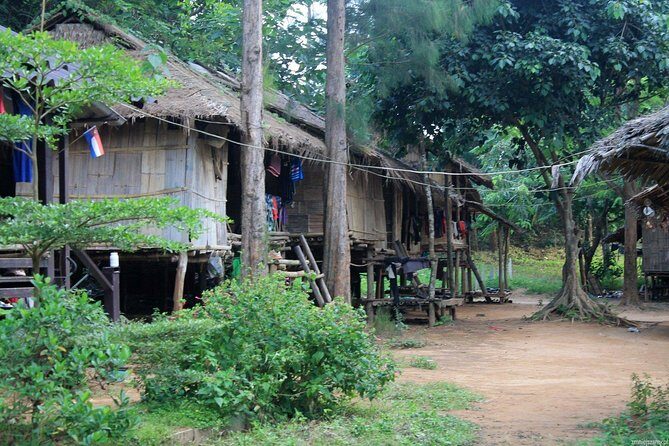
You begin with a long-tail boat ride upstream to the nearby Mon Tribal Village and a temple. The stop runs about 1 hour 30 minutes, with admission included. This is a chance to see ethnic Mon culture and connect the river setting to community life, not only war memorials.
The boat ride matters because it changes your day’s rhythm. You’re not sitting in a vehicle all morning, and the water transport makes the trip feel less like a checklist. It’s also a reminder that this region is not static. People live and worship here.
River Kwai and lunch by the pier
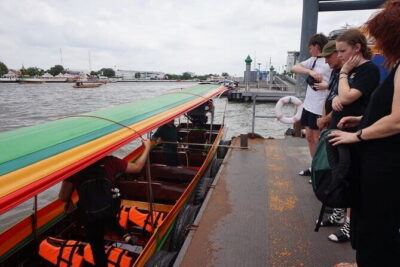
After check-out, you take another long-tail boat to Phu Takien pier, then proceed to lunch at a local restaurant. This portion is about 1 hour 30 minutes with admission included.
Lunch here is more than a break. The timing also keeps the rail ride from feeling like an immediate shove out the door. You refuel, then you transition into the train segment.
The only thing to keep in mind is the style of included meals: drinks during meals are not included, so if you like bottled water, juice, or soda, budget for it separately.
Death Railway Train: the historic wooden viaduct segment
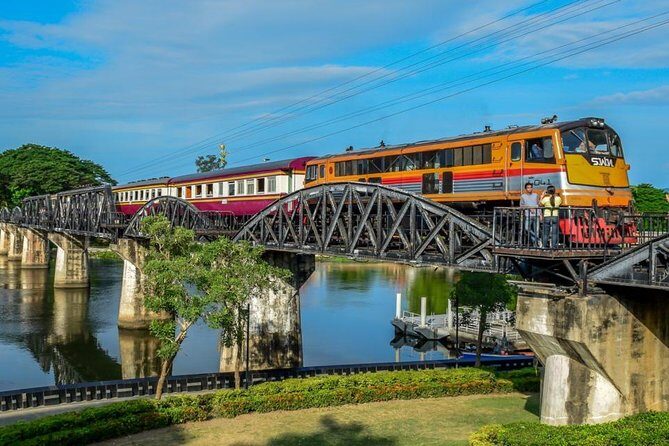
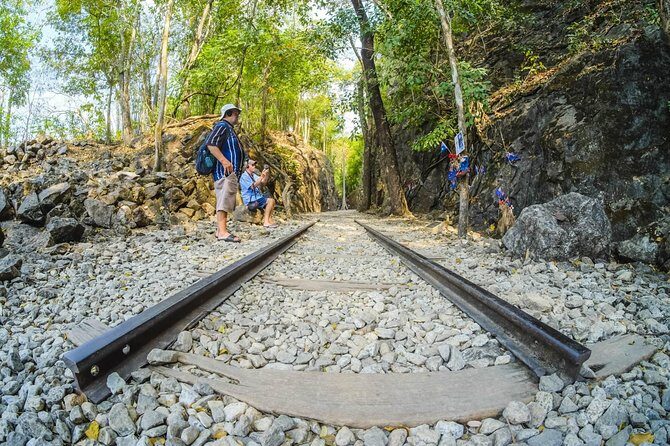
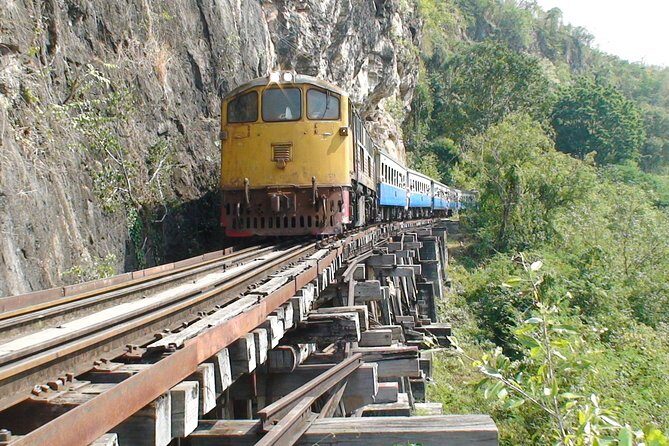
The highlight on paper and on your schedule is the Death Railway train ride. You’ll take a historic ride passing over original wooden viaducts constructed by Allied POWs, then transfer back to Bangkok.
This stop runs about 1 hour 30 minutes. It’s the most “living history” part of the itinerary, because you’re not only learning about a railway line—you’re riding an included segment of it. It’s also one of the few moments where the tour becomes sensory in a different way: motion, sounds, and the feeling of being on the same kind of route people were forced into decades ago.
Resotel riverside stay: bungalows in the trees, with dinner and breakfast
You don’t just get a bed at River Kwai Resotel. You get the full point of staying overnight: you have time to land somewhere pleasant after a heavy first day.
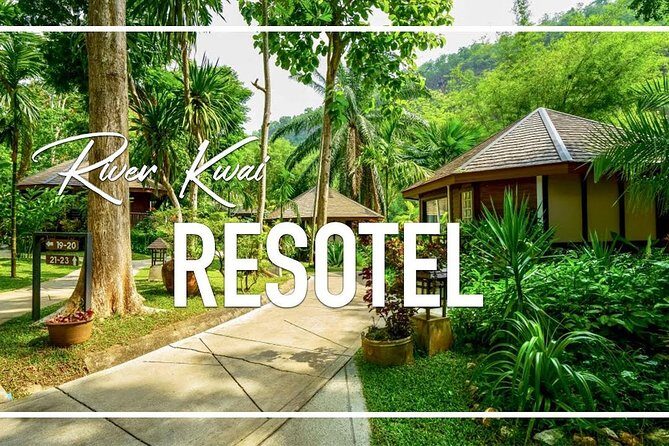
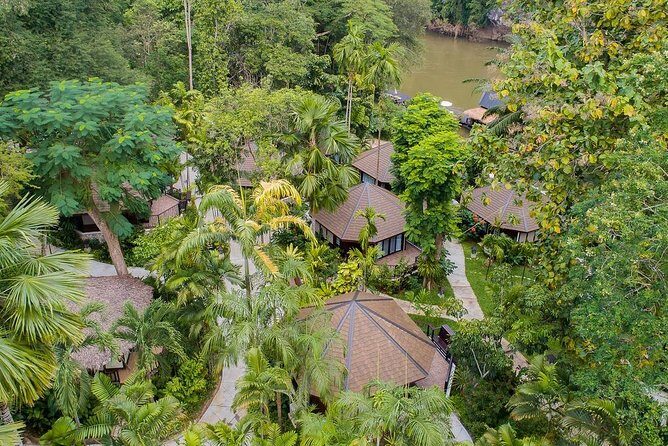
Dinner and breakfast are included, and the on-site food and service get positive marks in the feedback I saw. Rooms are set in bungalows surrounded by trees, which is exactly what you want after a full day of memorial sites and guided walking.
The riverside setting also changes how you feel when you return from Day 1. Instead of being transported straight back to Bangkok (where you’d likely collapse from travel fatigue), you get that in-between time: dinner first, then sleep, then breakfast before Day 2 starts again.
If you’re sensitive to how early mornings feel, the hotel night becomes more valuable. The tour is long and start-heavy, so having a calm base helps you keep the experience from turning into pure exertion.
How the included meals and transfers shape your day
This is one of those tours where the details matter because the day is built around time. Here’s how it plays out:
- Dinner on Day 1 means you don’t have to hunt for food right after you’re done at Hellfire Pass. It also protects your evening energy for resting.
- Breakfast on Day 2 is timed to support the next wave of boat and village time.
- Two included lunches help avoid decision fatigue and keep you from spending money on snacks that aren’t filling.
From a practical standpoint, the tour also strings together different transport styles: bus transfers, long-tail boat rides, and the Death Railway train segment. That mix is one reason the day doesn’t feel monotonous. It also means you’ll want comfortable footwear and a light layer. The memorial walking portion can involve time on foot, and being prepared helps you stay focused.
Who this tour suits best
This tour is a strong fit if you want a guided, structured overview of the Thai-Burma Death Railway area without planning every ticket and meeting point yourself. The included guide and the time spent at each key location help you understand what you’re seeing, especially at Hellfire Pass.
It’s also a good match for history-minded visitors who like a clear flow: context, memorial sites, then a real rail ride. The small group cap at 20 is a bonus if you prefer a less chaotic pace.
On the flip side, if you know you get emotionally overwhelmed by war memorials, you might want to check how sensitive you feel about heavy WWII content. The schedule gives time for walking and reflection, but the subject matter is serious all through Day 1.
If your goal is only casual sightseeing and scenic photos, you may feel like this is more reflective than relaxing. The upside is that the river and village portions on Day 2 bring variety.
A simple packing and comfort checklist
This tour includes plenty of movement and at least one walking trail. I’d pack like you’re going to be outside early and moving between formats:
- comfortable walking shoes for the memorial trail
- a light layer for morning air changes
- a small day bag for water and personal items
- sunscreen and a hat if the sun is strong
- cash or card for drinks since drinks during meals are not included
It’s also worth thinking about how you like to take photos during memorials. If you’re the kind of person who wants to linger, the tour still has set time blocks, so bring your patience.
Should you book the 2-Day River Kwai Adventure with Resotel?
I’d book this if you want a smart, bundled itinerary that pairs major WWII sites with real transport experiences and a riverside hotel night. The value is strongest because so much is included: guide, entrance fees, meals, hotel, boat rides, and the Death Railway train segment.
I’d think twice if:
- you hate early mornings and tight timelines
- you prefer your history lighter and less memorial-focused
- your schedule in Bangkok is fixed and you can’t tolerate a return that might run later with traffic
If you’re deciding between doing this yourself and joining a guided plan, the guided approach is the easier win here. It protects your time, covers the key permissions and entry costs, and keeps the story coherent from the museum walls to the bridge and on into Hellfire Pass.
In short: if you want a meaningful River Kwai experience that goes beyond the postcard and still gives you a calm place to sleep, this is a solid choice.
FAQ
What is the duration of the tour?
The tour runs about 2 days.
Where does the tour start and when?
Pickup starts at 6:00am.
What places are included on Day 1?
Day 1 includes the Thailand-Burma Railway Centre, Kanchanaburi War Cemetery, the Bridge over the River Kwai, and Hellfire Pass Interpretive Centre with the Memorial Walking Trail.
What places are included on Day 2?
Day 2 includes a Mon Tribal Village visit by long-tail boat, lunch at a local restaurant after a long-tail boat ride to Phu Takien pier, and a historic Death Railway train ride.
Does the tour include meals and hotel?
Yes. Dinner and breakfast are included, plus lunch (2 times), and you get 1 night accommodation at River Kwai Resotel.
Is hotel pickup and transportation included?
Hotel pickup is offered, and the tour includes round-trip transfers from Bangkok. You’ll also use local transport for the listed activities.
Are entrance fees included?
Entrance fees for the specified sightseeing points are included as part of the program.
How long is the return trip back to Bangkok?
The return to Bangkok begins around 2:30pm, with arrival at Bangkok hotels around 6:00pm (traffic and weather may change timing).
What are the child rate details?
Children aged 3–11 sharing an existing bed with 2 adults (and without an extra bed) get a discount from the adults’ rate, with a maximum of 1 child per room.
What is the cancellation policy?
This experience is non-refundable and cannot be changed for any reason.