REVIEW · BANGKOK
Private Tour: The Dragon River & Land of Sacred Deities Chachoengsao
Book on Viator →Operated by Idaytrip · Bookable on Viator
Chasing Ganesha on a temple and market route. This private tour in Chachoengsao is interesting because you’re not stuck on a fixed loop—you tell your guide where you want to go, and you build a full day around the Dragon River area and the sacred-deities sites locals actually visit. I especially love the chance to see the world’s largest bronze Ganesh (39 meters tall with the base) and then follow it up with quieter, older markets where Thai everyday life feels close and readable. You’re also guided through temple stories that connect Buddhism, Hinduism, Taoism, and animism, so it’s not just photos and exits.
The one drawback to consider is pacing: it’s a full morning-to-afternoon day of temples plus markets, and only lunch is included. The tour encourages snack-and-food tasting in the markets, but that extra food budget is on you.
In This Review
- Key highlights to know before you go
- Entering Chachoengsao: a private day that connects religion and daily life
- Morning logistics: start time, pickup, and how to pace yourself
- Khlong Suan 100 Year Market: wooden lanes and snack-hunting
- Wat Sothon Wararam Worawihan: Luang Pho Phuttha Sothon and luck-focused worship
- Ban Mai Market: old Chinese community atmosphere in a 150+ year setting
- Wat Chin Prachasamoson: dragon luck symbolism and a one-ton bell
- Wat Pak Nam Jolo: a gold-colored temple tied to King Taksin
- Khlong Khuean Ganesh International Park: the 39-meter bronze Ganesh
- Wat Saman Rattanaram Temple: pink reclining Ganesha and animism context
- Lunch and road comfort: what you get without guessing
- Price and value: is $150.24 a good deal?
- Who this tour suits best (and who might prefer something else)
- Should you book the Dragon River & Sacred Deities Chachoengsao private tour?
- FAQ
- How long is the private Dragon River & Sacred Deities Chachoengsao tour?
- What time does the tour start, and is pickup included?
- Is this a private tour?
- What’s included in the price?
- Are admission tickets included for the stops?
- Is lunch and street food included?
- What’s the cancellation policy?
Key highlights to know before you go
- Private flexibility: you can tell your guide what you want to focus on, then they’ll take you there
- Huge sacred statues: the 39-meter bronze Ganesh and a reclining pink Ganesha visit both anchor the day
- Free entry stops: the listed market and temple admissions are shown as free
- Market time with old-town texture: wooden shop rows and traditional community streets
- A guide who explains meaning, not just names: stories and context help the sites click
- Comfort on the road: air-conditioned private transport, plus bottled water and lunch
Entering Chachoengsao: a private day that connects religion and daily life
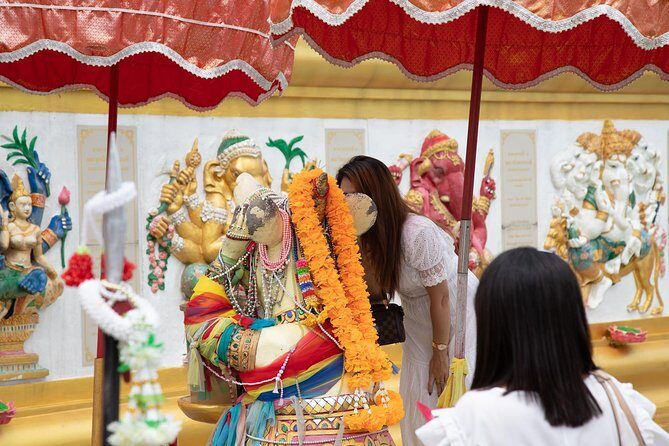
This is the kind of trip I like when I want more than sightseeing. Instead of racing through a checklist, you get a smooth, air-conditioned ride between locations and a professional guide to translate what you’re seeing. The theme is Chachoengsao’s sacred-deity world—giant homages to gods and spiritual figures that overlap across faiths in Thailand.
What makes it feel different is how the day blends religion with everyday Thai eating and browsing. You start with an old market atmosphere, then move into Buddhist and deity-focused temples, and later return to an older community market scene. If you’re someone who likes to understand the why behind the wow, this format fits.
Also, you don’t need to pack a complicated plan. You can ask your guide for the specific type of stops you prefer—more temple symbolism, more market snacks, or more photo stops—while still getting a complete full-day route.
You can also read our reviews of more private tours in Bangkok

Morning logistics: start time, pickup, and how to pace yourself
The experience starts in the morning (the listing shows an 8:00 am start). The first market stop is scheduled around late morning—meet at Khlong Suan 100y Market at 09:30—so you should expect some early transit time from central Bangkok.
Since it’s private, you don’t have to wait for a crowd to gather. The transport includes an air-conditioned vehicle and bottled water, and one review also noted a clean new SUV experience with cold towels and refreshments. That matters on an 8-hour day, especially when you’ll step in and out of sun for markets and temple grounds.
For your pacing, plan for a steady rhythm: walk around markets, spend longer at the larger temples, then settle into the vehicle for the next jump. You’ll end up moving enough to feel like you did something real, but the ride between stops keeps it from becoming exhausting.
Khlong Suan 100 Year Market: wooden lanes and snack-hunting
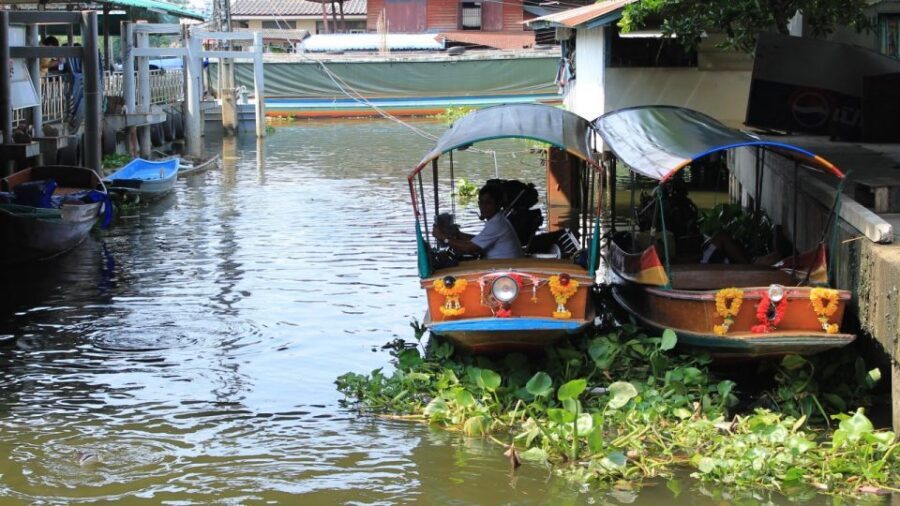
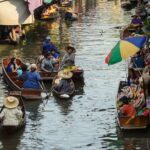
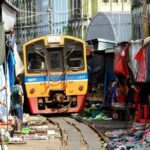
Your first stop is Khlong Suan 100 Year Market, a nostalgic place with small, old-style wooden shops and restaurants. This is one of the more relaxed entries into the day because you can wander before you commit to the temple side.
This market works well because it’s not just stalls in rows. It’s the kind of place where you naturally drift from one counter to another, and the guide can point out what to look for and what local snack styles are worth trying. The market entry is free, and the experience notes include tasting homemade Thai local snacks, so you’re meant to start the day with light food exploration rather than a full sit-down meal.
Practical tip: if you’re sensitive to heat or humidity, go slowly on your first 10 minutes. Markets feel best when you take your time and let the guide show you a couple of good snack directions instead of trying to sample everything right away.
Wat Sothon Wararam Worawihan: Luang Pho Phuttha Sothon and luck-focused worship
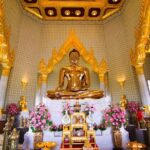
Next you’ll visit Wat Sothon Wararam Worawihan to pay homage to Luang Pho Phuttha Sothon. This Buddha image is described as one of the most revered in the area and is believed to bring luck, wealth, and success to worshipers.
Here’s why this stop is more than a picture opportunity: the guide’s explanations help you connect what you see—offerings, reverence patterns, and the overall tone of worship—with why these images matter to people. It’s the kind of temple visit where your understanding grows as you listen, and your photos turn into memories with meaning.
Admission is listed as free. The main consideration is time and attention. If you rush through, you’ll miss the “how Thailand worship actually feels” part of the visit. Slow down, watch what locals do, and let your guide translate the symbolism.
Ban Mai Market: old Chinese community atmosphere in a 150+ year setting
After the Buddha stop, you shift back to the older community vibe at Ban Mai Market, an area older than 150 years. You’ll see well-maintained traditional wooden houses, and this market is also connected to the film-and-drama history of the old Chinese community.
This matters because it gives you a different angle on Chachoengsao. It’s not only temples and large statues. It’s also architecture, community identity, and everyday commerce that has lasted for generations.
In terms of what you should do there: don’t try to treat it like a modern bazaar. Look at the wooden storefront look, notice how the area is organized, and ask your guide what the filming connection means locally. Admission is free for this stop, so you can linger without feeling pressured by ticket costs.


Wat Chin Prachasamoson: dragon luck symbolism and a one-ton bell
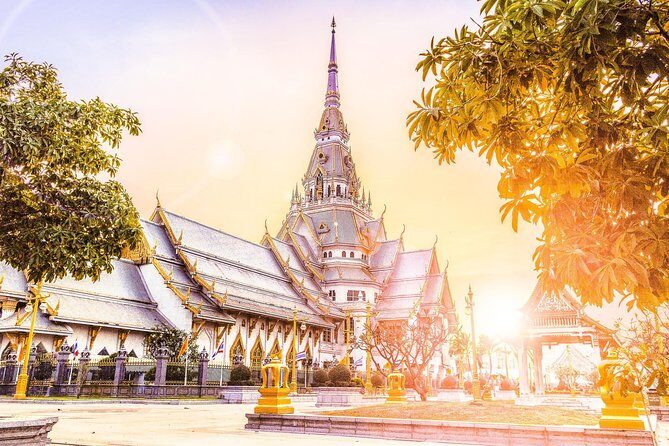
Now you’ll enter a temple with a strongly themed identity: Wat Chin Prachasamoson. The Chinese name refers to a dragon of luck and fortune, and the temple includes three principal Buddha statues that were brought from China.
One detail that really grabs attention is the giant bell: it weighs one ton and is described as one of the three bells in the world. Even if you don’t know the bell’s full history before arriving, your guide can explain why this temple stands out and how visitors interpret the dragon-luck symbolism.
This stop can be short but satisfying, as long as you let it be. With about 30 minutes allocated here, you’re not meant to go deep into every corner. Focus on the key objects, listen to what your guide highlights, and take a moment to notice how the temple’s story connects back to the broader sacred-deities theme of the day.
Wat Pak Nam Jolo: a gold-colored temple tied to King Taksin
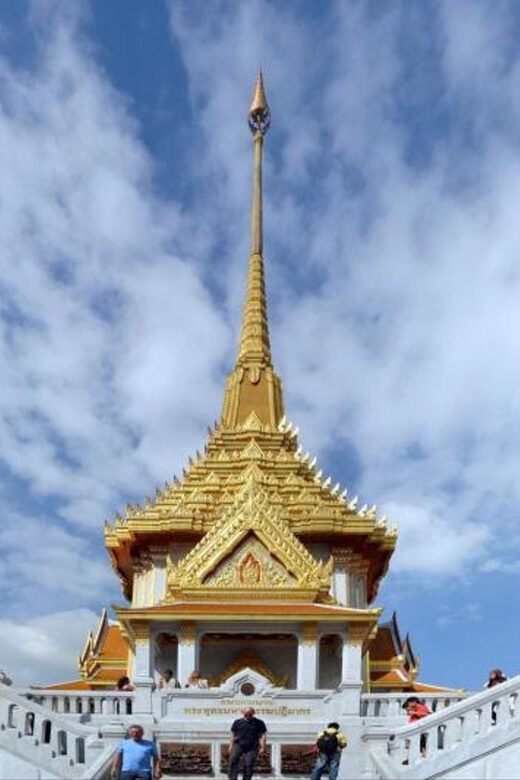
Next is Wat Pak Nam Jolo, known for its unusual look because it is built in a gold color. The background story adds weight: the temple was originally built by King Taksin about 200 years ago to commemorate his victory over Burmese troupes, then rebuilt by the Fine Arts Department in 1948.
This combination—royal history plus a visually striking temple design—makes it a strong stop for travelers who like context. You’re not just seeing a pretty exterior. You’re seeing how Thailand keeps layers of history alive through religious architecture.
Admission is listed as free here too. The practical downside is that it’s a shorter visit (about 45 minutes), so if you’re very detail-obsessed, you’ll want to lean on your guide for what to prioritize during your time inside.
Khlong Khuean Ganesh International Park: the 39-meter bronze Ganesh
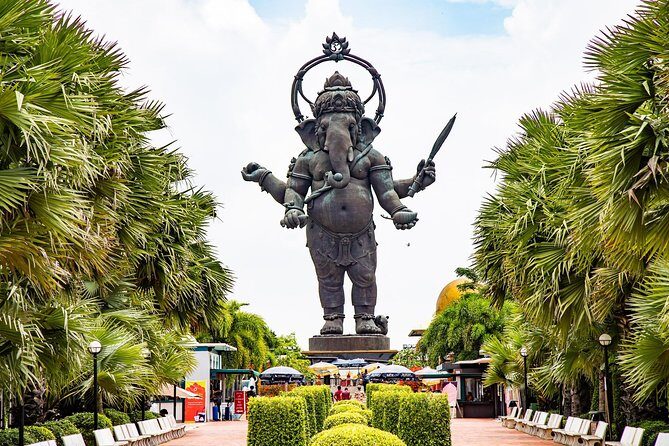
Then comes the big visual anchor of the tour: Khlong Khuean Ganesh International Park. You’ll marvel at the largest bronze Ganesh image in the world, with a total height including the base of 39 meters.
This is the kind of place where your first reaction will probably be size shock. But the value isn’t only the scale. The guide’s job is to connect the huge statue to the broader deity reverence in Thailand—why Ganesh shows up in spiritual life, and how worshippers interpret blessings, obstacles, and luck.
This stop is about 45 minutes. Use the time to get a few angles and then look again. Giant statues can feel like they blur into one photo unless you pause and shift your viewpoint. If you’re traveling with someone who loves architecture or iconography, this is likely the moment they’ll remember most.
Wat Saman Rattanaram Temple: pink reclining Ganesha and animism context
Your final temple stop is Wat Saman Rattanaram Temple, located by the riverbank. It’s famous for Thailand’s largest pink Ganesha in a reclining position, and it’s described as one of the best places for tourists to understand animism beliefs and religions in Thailand.
This is where the day’s theme sharpens. You’re not only seeing Buddhist images or Hindu god statues. You’re being shown how Thai spiritual practice can include multiple belief systems and how these beliefs coexist. If you’ve ever wondered why Thailand’s religious landscape can feel both orderly and surprising at the same time, this is the stop that helps it click.
With about 1.5 hours allocated, you have enough time to slow down, take in the riverbank setting, and ask your guide how the animism piece shows up in what you’re seeing. Admission is listed as free, so the main cost here is mental attention: let yourself absorb, instead of scanning for photos.
Lunch and road comfort: what you get without guessing
The tour includes lunch and bottled water, plus an air-conditioned vehicle and private transportation. That removes a lot of uncertainty on a day that otherwise mixes markets and temples.
One review mentioned cold towels and refreshments in the SUV, which is exactly the kind of small comfort that makes a full day easier. You’ll still be outside some of the time, so the included water matters. And the lunch inclusion is a real value point: market snacks are encouraged, but you don’t have to build your whole day around buying meals.
Accidental insurance is also included, which may not sound exciting, but it’s the kind of practical safety net that makes a private day feel calmer.
Price and value: is $150.24 a good deal?
At $150.24 per person for about 8 hours, this is priced like a true private experience: guide, private vehicle, lunch, and transport. If you’re used to bargain tours, that sticker price can feel high. But when you break down what’s included, it starts to make sense for the kind of day you’re getting.
You’re not only paying for driving. You’re paying for someone who can explain the sacred-deities theme across multiple belief systems, then connect those ideas to what you see at each stop. In one review, Khun Peter was specifically praised for giving very interesting details and stories that made the day memorable and more informative than other tours. That kind of guide value is hard to replace with DIY navigation.
The free admission notes across the listed stops also support the overall value. Your money goes mostly into the private logistics and expert storytelling. The only real extra spend is market food and any personal expenses.
If you want a low-cost day, you might skip the private guide. But if you want the meaning behind the monuments, the private structure is what you’re paying for.
Who this tour suits best (and who might prefer something else)
This tour is a strong fit if you want:
- A private day that feels organized but not rigid
- A guide-focused experience where stories matter
- A blend of temples plus markets, not just statues
- A chance to see the big “Ganesh scale” moments and then learn what they mean
It may be less ideal if you:
- Want a very relaxed, slow-moving day with lots of downtime
- Are only interested in temples that are famous internationally and don’t care about market culture or local belief context
- Need a strictly food-included experience (street-food tasting is part of the market vibe, but it’s not included in the tour price)
Should you book the Dragon River & Sacred Deities Chachoengsao private tour?
I’d book it if you like your travel days to make sense, not just take up time. The combination of free-entry markets and temples, included lunch, and a private guide who explains the religion-and-culture overlap is the winning formula here. It’s also a great choice when you want something outside the typical “only-Bangkok” routine without giving up comfort.
If you do book, go in expecting a full day with walking through markets and temple spaces, and budget a little extra for snacks beyond lunch. Then let your guide steer you toward what you care about most—big deity photos, market browsing, or the spiritual meaning that holds it all together.
FAQ
How long is the private Dragon River & Sacred Deities Chachoengsao tour?
It’s listed as about 8 hours.
What time does the tour start, and is pickup included?
The experience start time is shown as 8:00 am, and pickup is offered. You meet the guide at the Khlong Suan 100y Market around 09:30.
Is this a private tour?
Yes. It’s a private activity, so only your group participates.
What’s included in the price?
Included are an air-conditioned vehicle, private transportation, a professional guide, lunch, bottled water, and accidental insurance.
Are admission tickets included for the stops?
The listed stops show admission tickets as free.
Is lunch and street food included?
Lunch is included. Market food tasting is mentioned as not included in the tour price, so you should plan to pay for snacks you choose to buy.
What’s the cancellation policy?
You can cancel for a full refund up to 24 hours before the experience start time.