REVIEW · BANGKOK
River Kwai Day Tour from Bangkok – History, Scenery & Culture
Book on Viator →Operated by Sunleisure World · Bookable on Viator
WWII feels real here, fast. This Bangkok day trip takes you to the River Kwai Bridge, then follows the story through cemeteries, a recreated POW camp setting, and a train ride along the Death Railway. It’s a long day, but it’s one of the most focused history outings you can fit into Bangkok.
I especially like the small size: max 15 people, so you get easier pacing and photo stops. I also like that lunch is included at Wang Po station area, close to the Burmese border, so the day doesn’t feel like nonstop bus time with no breaks.
One caution: the quality of English commentary can vary by guide, and the JEATH museum experience can feel more like displays and photos than guided explanations. Add in the train ride that can involve dust/smoke, and you’ll want to mentally prep for a physical, not cushy, day.
In This Review
- Key things to know before you go
- A long day with real WWII geography
- Bangkok pickup and the morning rhythm
- Kanchanaburi War Cemetery: where the names hit
- JEATH War Museum: POW camp recreation and how it’s explained
- River Kwai Bridge walk: the famous structure, up close
- Death Railway Museum and Research Centre, then the train ride
- Lunch at Wang Po station: a break with a viewpoint
- Group size, guide style, and pacing you can handle
- Price and value: what $97.77 is really covering
- Who should book this tour?
- So, should you book it?
- FAQ
- FAQ
- How long is the River Kwai day tour from Bangkok?
- What’s included in the ticket price?
- Do I get hotel pickup in Bangkok?
- What stops are included on the itinerary?
- Is the War Cemetery admission free?
- Is there a train ride on the Death Railway?
- How big is the group?
- What are the child height rules?
- Is there any COVID-health certification mentioned?
Key things to know before you go
- Max 15 people on the minibus style tour for a more human pace than a big coach
- Walking the River Kwai Bridge plus a train ride along the Death Railway stretch
- Lunch included at the Wang Po station restaurant area
- JEATH Museum + war cemetery for the emotional and educational backbone of the day
- Some optional adds show up on the day (train seating options and a boat ride to view the bridge)
A long day with real WWII geography
This is an 11-hour (approx.) day trip out of Bangkok toward Kanchanaburi. You start with pickups from multiple Bangkok hotels, then you’re on the road for hours before you ever reach the key sites. The driving time is a big part of why this feels like a commitment. It’s not a quick hit.
The upside is that the route is part of the story. By the time you reach the bridge area and station, you’ve moved from city Bangkok into the countryside vibe where the railway lines and river settings make more sense. And because the group is kept small, the day tends to feel less like a cattle route and more like a guided walk-through of places tied to the Burma-Thailand railway nightmare.
One practical point: the day can run later due to traffic (your driver can be late due to congestion), and the schedule can flex with weather or equipment/safety checks. So build in patience. You’re trading spontaneity for a loaded itinerary.
You can also read our reviews of more historical tours in Bangkok

Bangkok pickup and the morning rhythm
You’ll get round-trip transfer, and hotel pickup is available on request. Plan to be at the hotel lobby about 15 minutes early. If your start time shifts, it’s usually because of traffic and the morning logistics of collecting a small group from different hotels.
Most people should be able to join the tour, and it’s operated with an English-speaking guide plus air-conditioned vehicle transport. You also get a mobile ticket. That part sounds tiny, but it helps on travel days when you’re checking phones, tickets, and meeting points instead of digging through printouts.
If you’re sensitive to early mornings, this is worth planning around. The trip is described as long, with a typical start around 6 am and returning around 5:30 to 6 pm for those who were tracking timing closely.
Kanchanaburi War Cemetery: where the names hit
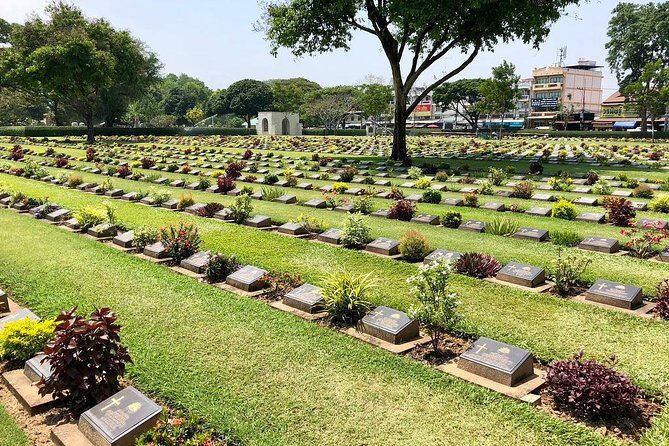
The first stop is the Kanchanaburi War Cemetery, set up as the Allied prisoners of war memorial site. The admission here is free. Even if you’ve seen WWII photos before, this kind of place forces you to slow down.
What makes this stop special is simple: it’s not a theme park version of history. It’s a cemetery where graves are laid out with individual identities. One detail that stays with people is the scale—reports mention around 6,000 graves, with many of them Australian soldiers. The setting makes the human cost of the railway work impossible to abstract.
The drawback is also simple: there’s not much to distract you. If you’re looking for light sightseeing, this part won’t match that mood. But if you want your day to mean something, this is where the emotional weight lands.
JEATH War Museum: POW camp recreation and how it’s explained
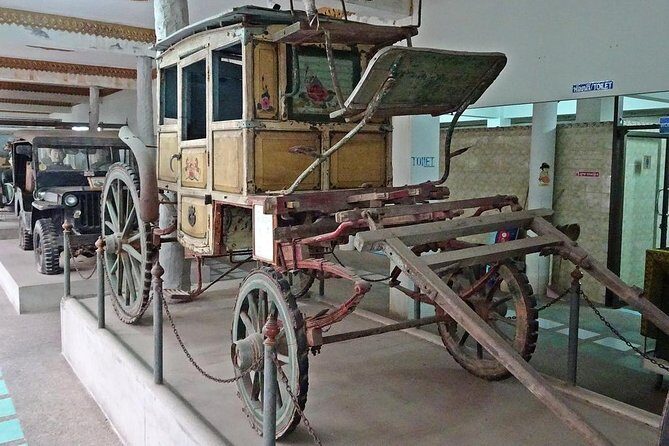
Next you head to the JEATH War Museum, tied to World War II storytelling for this area. Admission is included, and you usually get around an hour.
This museum is known for displays that recreate the POW camp setting (including hut/camp-style areas). In practice, the experience can feel more display-based than lecture-based. Some guides and English explanations are praised for being clear and structured, but at least a few people felt the museum itself was more photos and paintings with limited interpretive detail in English.
So here’s how to handle it: treat the signage and recreated rooms as your main source, not as the only thing your guide will explain. If your guide is very chatty and fact-heavy, great—you’ll get extra context. If your guide’s English is lighter on details, you’ll still be able to follow the story through what’s shown on the spot.
This stop is also a good time to watch how you’re feeling. If you’re starting to get overwhelmed, an hour is enough to get the main points without turning the day into a heavy slog.
River Kwai Bridge walk: the famous structure, up close
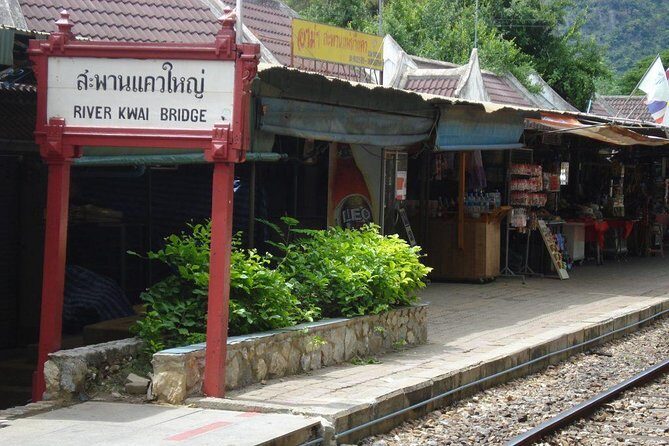
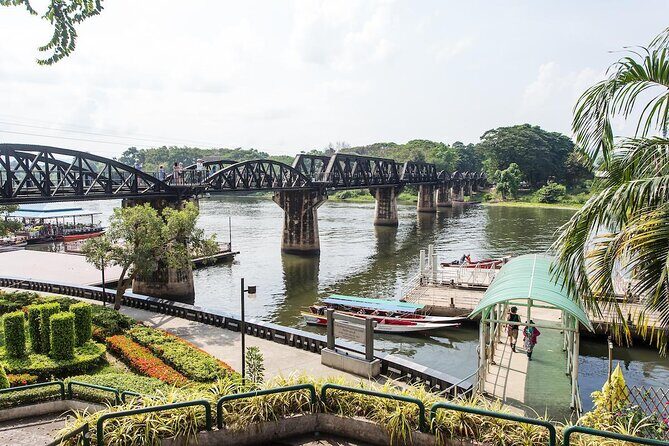
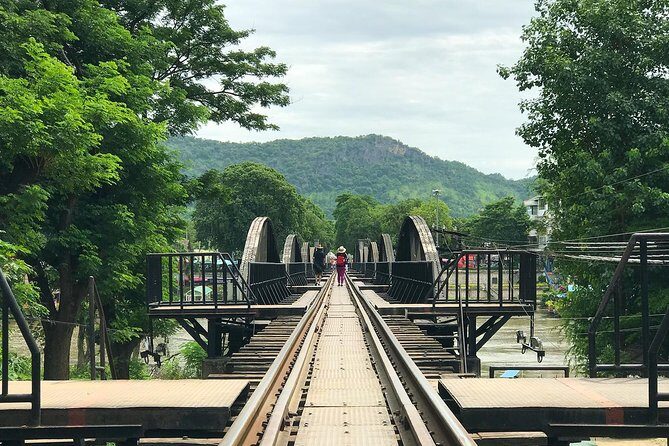
Then comes the heart of the legend: a visit to the River Kwai Bridge area. You walk along the bridge over the river Kwai for about an hour. Admission is included for this portion.
The value here is that you get the physical experience. It’s easy to remember the famous movie image from decades ago, but the bridge in front of you has a different weight. People often say this looks different than the well-known film version. That’s the whole point: the real site makes the story less fictional and more grounded.
You’ll also have practical photo time. One neat tip that came up from the experience of solo visitors: the guide helped with taking pictures and forwarding them afterward via WhatsApp. That kind of service sounds small, but it matters when you’re traveling alone and want solid bridge photos.
There’s also an optional boat add-on that some people mention being offered on the day, to view the bridge from the river. If you like angles and river perspectives, it’s worth considering—just remember it can add time and depends on what’s available that day.


Death Railway Museum and Research Centre, then the train ride
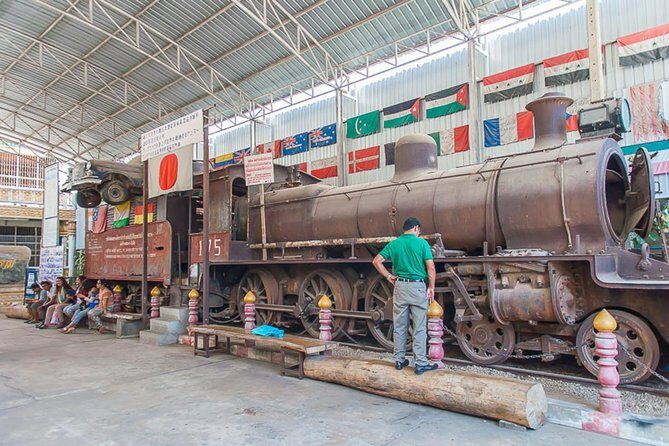
After the bridge area, you go to the Death Railway Museum and Research Centre. This is a short stop (around 30 minutes), and admission is included. The research centre and museum space helps connect the bridge and cemetery story to the railway systems and construction context.
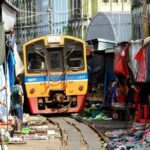
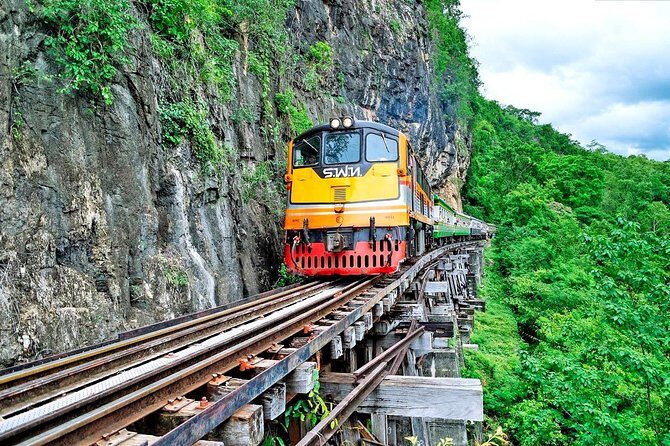
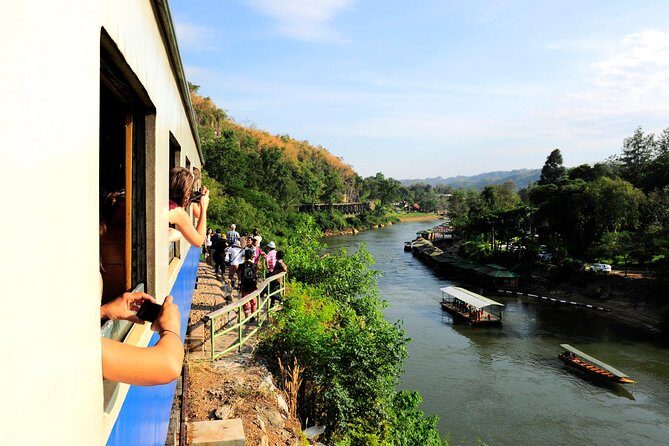
Then you do the highlight many people book for: a train ride along a stretch of the Death Railway. The itinerary describes scenic passing by wooden viaducts built by POWs over cliff-side drops looking toward the river Kwai.
Now for what to expect practically:
- It’s a short ride, but it’s memorable. The track section is tied to the historical corridor.
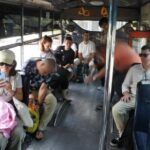
- Comfort can be basic. People mention that an upgrade option may be available for train seating. One commonly cited point is that economy seating can involve hard benches, and the upgrade (when offered) may come with a cost and no total guarantee.
- Expect dust and smoke. Some descriptions mention dust/smoke on the train, which is exactly what you’d expect from a steam-era style ride and rural operation.
That doesn’t mean it’s unpleasant for everyone. It means you should mentally set your expectations. This isn’t a modern city commuter train. It’s part transport, part living history, and part sensory experience.
If you’re tall, you care about seating. If you’re someone who gets annoyed by dust, bring patience. If you’re the type who loves the texture of history—this is the payoff.
Lunch at Wang Po station: a break with a viewpoint
Lunch is included at Wang Po station area, at a local restaurant. The day’s pacing hinges on this meal because you need fuel after the cemetery and bridge stops and before you head back.
People describe the lunch as Thai-style and buffet style with plenty of options. Another detail that shows up in the experience: the meal often comes with an impressive river view, which helps the day feel less like a checklist.
There can also be a small market area at the end of the lunch period that some people use for a quick wander. If you like grabbing snacks or small souvenirs without turning it into a long shopping stop, this is a nice window.
A practical tip: eat steadily. The day gets busy again afterward with the return transfer to Bangkok. If you’re the kind of person who skips lunch then gets cranky on transport, don’t do that to yourself.
Group size, guide style, and pacing you can handle
The tour caps at 15 travelers, which is a big deal on an itinerary like this. A small group generally means fewer bottlenecks, more walking time where needed, and less waiting at sites.
Guide quality is a clear differentiator in the feedback. Names that come up with strong praise include Rach, Oom, Nina, and Jira. People also mention that some guides make extra effort with photo help and keeping people comfortable with things like water and fruit during the day. That’s the kind of practical care you notice when you’re on the road for hours.
But there’s a flip side: at least a couple of people felt the guide was more of an escort, offering less interpretive commentary along the way. If you care a lot about the spoken story—wars, motives, construction details—make peace with the fact that your guide will shape your experience. You can still learn from signage at the sites, but you won’t get the same depth every time.
If you want a smoother experience, go into it with a mindset of watching, reading, and asking questions at stops. Small-group tours reward active participation.
Price and value: what $97.77 is really covering
At about $97.77 per person, the price can look fair or steep depending on your expectations. The best way to judge value is by what’s bundled.
This tour includes:
- round-trip transfer from Bangkok
- an English-speaking guide
- lunch
- air-conditioned vehicle transport
- admissions tied to the main sites
- the train ride segment
So you’re paying for a whole package: logistics, guided access, and the core historical transport component. The train ride is the wildcard that often costs extra on independent planning, and it’s the part that makes the day feel connected rather than just museum-hopping.
You can also spend time and money trying to DIY this route, and you’d still likely need entry costs plus transit coordination. For many people, paying for the organized structure is what turns a “maybe” day into a “got it done” day.
If you’re price-sensitive, remember there are optional add-ons that can add cost (like boat viewing or train seat upgrades when offered). But you can treat those as bonus items rather than requirements.
Who should book this tour?
You’ll enjoy this most if you want:
- WWII sites with physical context, not just a documentary-style overview
- a guided day that stays focused on the River Kwai and Death Railway story
- a small group format that makes stops feel manageable
This is also a solid pick if you’re based in Bangkok and want to get out of the city for a full day without guessing transportation.
If you’re seeking a relaxed, low-structure day, this won’t match. It’s long. It’s emotional at the cemetery. And the train ride is a real-world, not purely comfortable, experience.
So, should you book it?
I’d book it if you’re excited by real WWII geography and you’re okay with a full day schedule. The bridge walk plus the cemetery makes it meaningful, and the train ride is the kind of “only here” moment that’s hard to replicate on your own.
I would think twice if you rely heavily on fluent commentary for understanding every stop. Guide styles can vary, and the museum experience can lean more display than lecture. In that case, set your expectations to include reading the signs and learning on-site, not only listening.
Overall, this tour tends to be well worth the money when you want structure, a small group, and the Death Railway experience as part of your Bangkok trip.
FAQ
FAQ
How long is the River Kwai day tour from Bangkok?
The duration is listed as about 11 hours.
What’s included in the ticket price?
The package includes round-trip transfer, an English-speaking guide, lunch, air-conditioned vehicle transport, and admission for the included sites and train segment.
Do I get hotel pickup in Bangkok?
Yes. Round-trip transfer is included, and Bangkok hotel pickup is available on request.
What stops are included on the itinerary?
The tour includes the Kanchanaburi War Cemetery, JEATH War Museum, a walk at the River Kwai Bridge, the Death Railway Museum and Research Centre, lunch at Wang Po station, and then return to Bangkok.
Is the War Cemetery admission free?
Yes, the war cemetery admission ticket is listed as free.
Is there a train ride on the Death Railway?
Yes. You take a train trip along a stretch of the Death Railway.
How big is the group?
The maximum group size is 15 travelers.
What are the child height rules?
The data states that children over 120 cm are charged at the adult rate, and another note says if a child is over 110 cm you should use the adult rate. Check the exact height rule when booking.
Is there any COVID-health certification mentioned?
The tour is listed as SHA Plus certified, meaning the organization meets approved health and preventative protocol requirements.