REVIEW · BANGKOK
River Kwai Day Tour from Bangkok: History, Scenic Views & Culture
Book on Viator →Operated by Sightseeingbangkok.com · Bookable on Viator
Two rail lines will haunt you a bit.
This full-day trip pairs WWII memorial stops with a real train ride along the Death Railway, plus a walk on the Bridge on the River Kwai. I also like the small-group size (up to 15), which makes it easier to hear the guide and move as a unit. The main drawback is simple: it’s a long day, so the drive back to Bangkok can feel like it goes on forever.
What makes this tour especially workable is the flow: you start with the cemetery, then move into the stories at the JEATH museum, then you get the motion and views on the river and railway. The included buffet lunch at Wang-Po station (close to the Burmese border) gives you a proper break before you head back. If you’re hoping for a relaxed day with lots of free time, plan for a schedule that stays fairly tight.
In This Review
- Key highlights worth planning for
- What you’re really signing up for on the River Kwai day
- Getting from Bangkok: long ride, AC comfort, and the reality of time
- Kanchanaburi War Cemetery: the stop that sets the emotional tone
- JEATH War Museum: useful context, but don’t expect a modern exhibition
- Bridge on the River Kwai: walkable, photo-friendly, and emotionally heavy
- Death Railway Museum and the train ride: the part you’ll remember
- Tham Kra Sae Bridge and the Wang-Po station area: views plus a breather
- Lunch at Wang-Po station: included buffet and better-than-expected convenience
- Small-group touring with an English-speaking guide: why it matters
- Price and extra-cost surprises to plan for
- Should you book this River Kwai day tour?
- FAQ
- How long is the River Kwai day tour from Bangkok?
- What is the price per person for this tour?
- Is hotel pickup and drop-off included?
- How many people are in the group?
- What does the tour include for meals?
- Which WWII sites are visited during the day?
- Is there a train ride included?
- What language is the guide?
- How are child fares handled?
- Is this tour SHA Plus certified?
Key highlights worth planning for
- Small group up to 15 means less crowd pressure at the sights
- Kanchanaburi War Cemetery sets the tone with Allied POW graves
- Walk the Bridge on the River Kwai for iconic photos and perspective
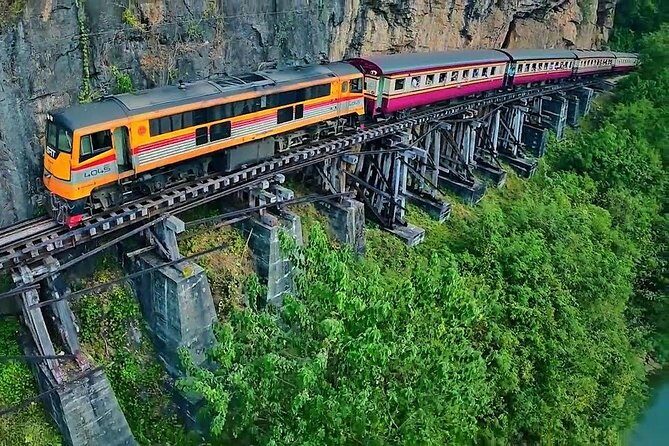
- Death Railway train ride through countryside with wooden viaduct scenery
- JEATH War Museum gives quick context before you see the bridge and track
- Buffet lunch at Wang-Po station keeps the day moving without hunting for food
What you’re really signing up for on the River Kwai day
This isn’t a casual sightseeing loop. You’re spending the day inside World War II memory: POW labor, Allied prisoners, and the railway that still shapes the area today. I like that the tour doesn’t treat history like a checklist. It gives you a sequence that starts with remembrance, then explanation, then the physical places where it all happened.
At the same time, you’re not just sitting in a classroom. You’re also moving through the region via minibus and train, with stops that let you actually see the river and the rail corridor. That mix is what makes the day feel more complete than a simple museum visit.
You’ll also notice the tour is built for comfort where it counts: round-trip transfer, an air-conditioned vehicle, and an English-speaking guide. It’s a good match if you want structure without having to coordinate transport on your own.
You can also read our reviews of more historical tours in Bangkok

Getting from Bangkok: long ride, AC comfort, and the reality of time
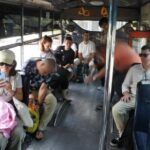
The day runs about 13 hours, and the schedule is heavy on the road. You’ll start with hotel pickup from Bangkok and travel by minibus to Kanchanaburi. In practice, that means your best strategy is simple: eat before pickup if you can, bring water, and use the ride time to mentally switch gears from Bangkok life to wartime remembrance.
The vehicle is air-conditioned, and round-trip transfer is included, so you’re not juggling meetings and transit connections. Still, consider the long-distance rhythm. If you dislike long drives, you may find yourself counting hours on the way back.
One small practical tip: when you’re near the back of the vehicle, it can be harder to hear. If you really care about what the guide says, ask for a seat where you can hear clearly when the group boards.
Kanchanaburi War Cemetery: the stop that sets the emotional tone
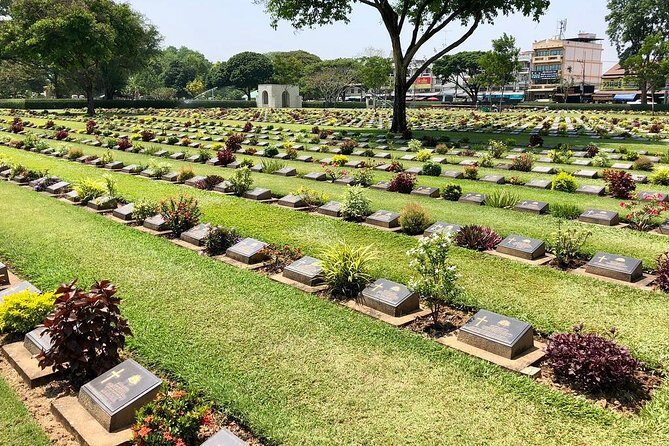
This tour starts with the Kanchanaburi War Cemetery, visited in about an hour with admission included. The setting is focused and direct: a cemetery for Allied prisoners of war connected to the bridge and the Death Railway.
Why it’s powerful isn’t just what it represents, but how it frames the rest of your day. After you’ve seen the graves of thousands of Allied soldiers who died while building the bridge and the notorious Death Railway, the later stops land with more weight. The guide’s explanation matters here, because you’re not just looking at names—you’re connecting them to the locations you’ll walk and ride.
If you’re the type who prefers to keep your phone away at memorial sites, this is one of those days. Take a minute, read quietly, and let the rest of the tour make sense.
JEATH War Museum: useful context, but don’t expect a modern exhibition
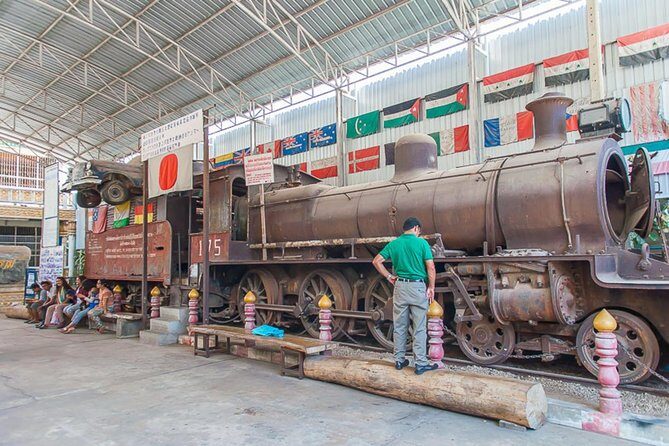
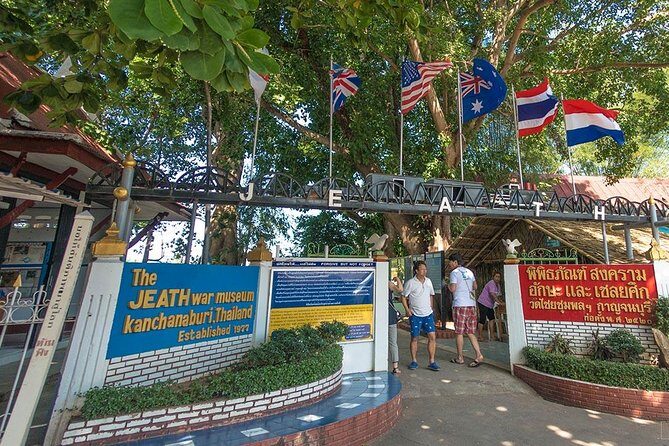
Next comes the JEATH War Museum, another stop of about an hour with admission included. The museum is meant to give you context on World War II events tied to this area, so you understand what you’re about to see on the bridge and rail line.
Here’s the balanced note: the museum experience can feel a bit tired in spots. Some displays may not look brand-new, and it’s not a place that overwhelms you with interactive features. Still, the payoff is in what the visit helps you understand. When the guide puts the story together, the museum becomes a useful bridge between the cemetery and the iconic structures later on.
Go in with the right expectation: treat it as history orientation. If you want a polished museum with cutting-edge visuals, you might feel slightly underwhelmed. If you want context before you see the sites, it does the job.
Bridge on the River Kwai: walkable, photo-friendly, and emotionally heavy
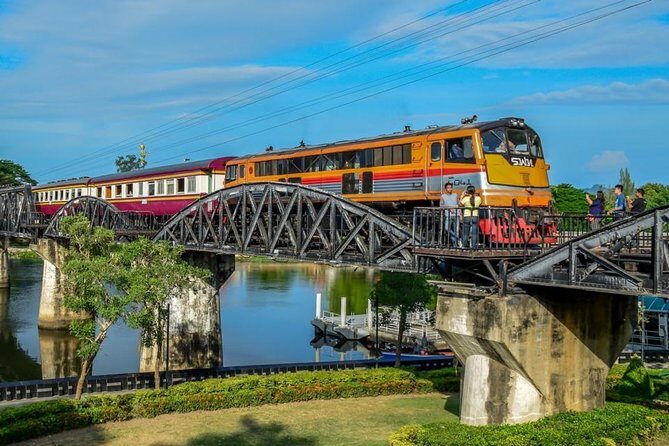
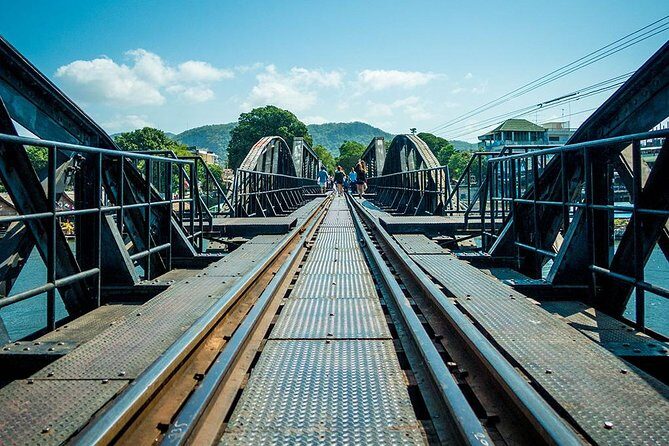
Then you get to the moment most people came for: the Bridge on the River Kwai. You’ll walk along the bridge over the river, with about an hour allocated. Admission is included.
This is one of those places where the visuals hit fast. You’ll be standing on a structure that became famous through the story of POW labor and the wider war effort connected to the railway. The key is to slow down while you’re there. Don’t rush from one photo angle to the next.
Also, because this is a memorial site as much as an attraction, it helps to keep your behavior respectful. If you’re traveling with teens or friends who are more casually interested in history, this is a good moment to turn the trip from sightseeing into meaning.
If you’re thinking about optional add-ons, note this: some departures include or offer additional ways to reach the bridge area, and people have mentioned extra costs for seat comfort and viewing options on the train. You can treat those as optional extras, but don’t assume they’re automatically covered in the base price.



Death Railway Museum and the train ride: the part you’ll remember
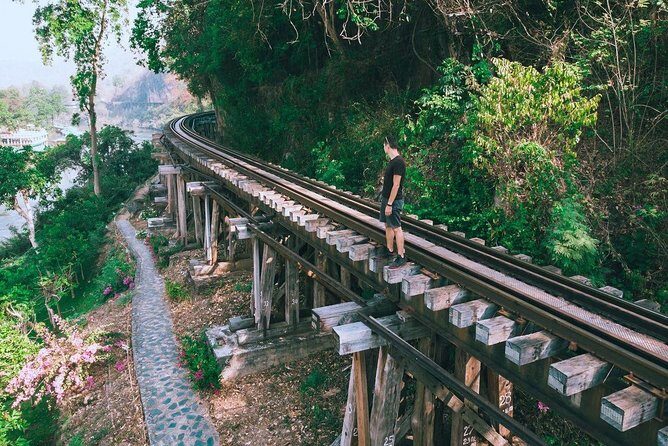
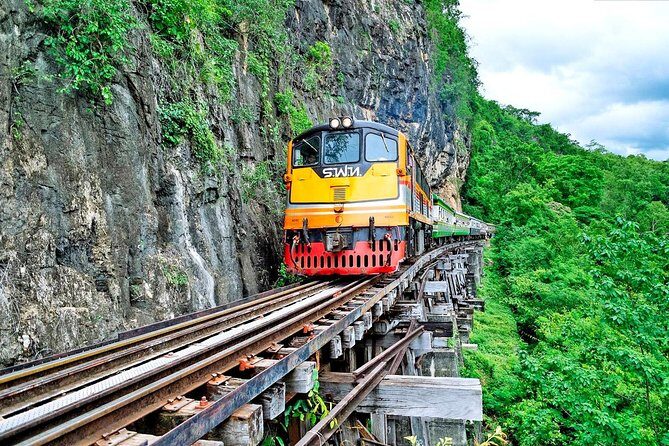
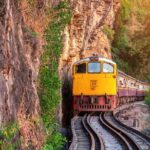
The heart of the experience for many people is the train segment along the Death Railway. After visiting the Death Railway Museum and Research Centre (with about an hour allocated), you’ll take a train trip that showcases the countryside and passes striking wooden viaducts built by POWs, including sections described as cliffside overlooking the River Kwai area.
This is where the day shifts from static history to lived geography. You see the corridor, the river context, and the scale of what workers had to build. Even if you’ve read about the Death Railway before, the train ride tends to make the setting feel more real.
Timing matters here too. The train ride is limited to what the schedule allows, so if you’re the type who gets impatient waiting around, this is the portion you’ll want to watch carefully. Once you’re on the train, settle in and take your time with the views.
Many people also rate the train ride as their favorite because it combines motion, scenery, and story. And because the group is small (up to 15), the experience usually feels more controlled than larger bus tours.
Tham Kra Sae Bridge and the Wang-Po station area: views plus a breather
As the day moves toward the lunch stop, you’ll come through the Tham Kra Sae Bridge area on the way to the Wang-Po railway station. You’ll then arrive at Wang-Po station, and that’s where lunch is served.
Even if you don’t remember every detail of the WWII timeline, the geography sticks. You’ll get a sense of how the rail corridor threads through river and terrain, and why the railway was both strategically important and brutally demanding to build.
Then you pause for lunch, which is not just food but a reset. After memorial stops and transit, you need something that lets your body catch up. This is a good point in the day to regroup.
Lunch at Wang-Po station: included buffet and better-than-expected convenience
Lunch is a buffet provided at Wang-Po railway station. It’s included, and it’s described as being close to the Burmese border. In a long day tour, that’s a big deal: you don’t have to hunt for a restaurant that fits your timing, budget, and comfort level.
The buffet format is usually practical for mixed groups. You can eat quickly, refill, and still have time to enjoy the station area and nearby views before getting back on the schedule.
If you’re picky about food quality, keep expectations realistic: a buffet on a tour day is often better for convenience than for culinary fame. But the experience is more than the meal. It’s a breathing space in the middle of a demanding itinerary.
Small-group touring with an English-speaking guide: why it matters
This tour runs as a maximum 15 travelers small-group, with an English-speaking guide and air-conditioned vehicle transport. That size is important for two reasons.
First, it helps with the human part of history. When you’re not packed into a giant bus, the guide can handle questions and keep the group together. Guides such as Rach and Nina have been singled out for friendly, enthusiastic, and clear explanations, which makes the difference between reading about WWII and feeling like you understand it.
Second, small groups reduce the chance of everyone arriving at the sights at different times. You’ll move as a unit, so you spend less time “locating” people and more time actually experiencing the stops.
One caution from real-world experience: when sound carries poorly from the back of a vehicle, it can get hard to hear the guide. If possible, sit toward the front on the minibus.
Price and extra-cost surprises to plan for
The price is listed at $97.35 per person, and that matters because it includes a lot: round-trip transfer, an English-speaking guide, lunch, and air-conditioned transport, plus admissions at several major stops. For a day that runs about 13 hours and includes cemetery and museum entries plus the Death Railway train ride, it’s not a bad value at all.
That said, history days often come with add-ons. Some people have reported being asked for extra cash for train seating upgrades and for getting to the bridge via a boat instead of a standard approach. Whether you choose those extras is up to you, but I recommend you treat them like optional upgrades, not part of the base deal.
If you want a good-value plan: budget for the tour price, then hold a little extra cash for genuinely optional choices. And if you’re concerned about surprises, ask your guide up front what is included versus what is optional.
Should you book this River Kwai day tour?
Book it if you want a structured, one-day plan that covers the main memorial sites and includes the train ride people talk about most. The small-group setup, included lunch, and full-day flow from cemetery to bridge to Death Railway make it a strong option for history lovers with limited time in Bangkok.
Skip it or adjust expectations if you hate long drives. This is a big day, and the return trip can feel tiring. Also, if you want a top-tier, modern museum experience, treat the JEATH museum as context rather than a highlight.
If you decide to go, here’s the smart move: keep your schedule flexible in your head. This tour is about meaning and place, not just collecting sights. The payoff is the sequence—especially what you feel after the cemetery when you stand on the bridge and then watch the rail corridor unfold by train.
FAQ
How long is the River Kwai day tour from Bangkok?
It runs about 13 hours.
What is the price per person for this tour?
The price is $97.35 per person.
Is hotel pickup and drop-off included?
Yes. Round-trip transfer and hotel pickup and drop-off are included.
How many people are in the group?
The group size is capped at a maximum of 15 travelers.
What does the tour include for meals?
Lunch is included as a buffet at Wang-Po station.
Which WWII sites are visited during the day?
You visit the Kanchanaburi War Cemetery, the JEATH War Museum, the Bridge on the River Kwai, and the Death Railway Museum and Research Centre.
Is there a train ride included?
Yes. The tour includes a train journey along a stretch of the Death Railway.
What language is the guide?
The guide is English-speaking.
How are child fares handled?
The policy notes that child pricing is based on height: it states children over 120 cm are charged at the adult rate, and it also says if a child is over 110 cm you should use the adult rate.
Is this tour SHA Plus certified?
Yes, it is listed as SHA Plus certified with health and prevention protocols and that 70% or more of employees are fully vaccinated.