REVIEW · BANGKOK
Silom Thai Cooking Experience with Market Visit
Book on Viator →Operated by I Asia Thailand · Bookable on Viator
Thai flavors start with a market walk.
This Silom Thai Cooking Class with Market Tour is built around real ingredients, fresh-from-the-stall choices, and hands-on cooking taught in a small group. I like that you’re guided on how to pick items for what you’ll cook, not just shown a menu. I also like the clear dish lineup—tom yum, pad thai, green curry, panang curry, and mango sticky rice—so you know what you’re signing up for.
The class is also praised for strong instruction and good energy. In particular, names like Plane and Plain show up in reviews, both noted as funny, engaging, and thorough while you cook. One thing to consider: the schedule is time-sensitive. If you miss the grouping window, you may have to wait at the school until the market visit finishes, so don’t plan a slow start.
In This Review
- Key things to know before you go
- Market Visit First: How This Silom Class Actually Starts
- Picking Ingredients Like You Mean It (Spices, Fruit, and the Small Decisions)
- Five Classic Dishes You’ll Cook Step by Step
- Tom yum: Learning the sour-spicy balance
- Pad thai: Noodles, heat control, and timing
- Green curry and panang curry: Different richness, same curry logic
- Mango sticky rice: The sweet finish that people remember
- Meals Included: What Breakfast, Lunch, and Dinner Means Here
- Timing and Group Size: The Good Kind of Organized
- Price and Value: Is $59.99 a Fair Deal?
- Vegetarian Option: How to Handle Dietary Needs
- Who This Cooking Class Fits Best
- Tips to Make Your Morning Go Smoothly
- Should You Book This Silom Thai Cooking Class?
- FAQ
- How long is the Silom Thai Cooking Class with Market Visit?
- Where does the tour start and end?
- What dishes will I cook?
- Does the price include meals?
- Is there a vegetarian option?
- Is MSG used?
- How many people are in each class?
- What if I arrive late for the morning session?
- Can I get a refund if I need to cancel?
Key things to know before you go
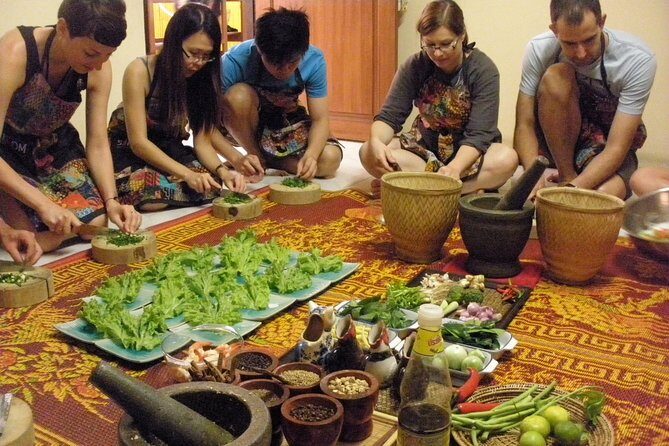
- Market-first start: You shop for ingredients with guidance, then turn those picks into your meal.
- Small groups: Max 10 participants per class (and the overall cap is noted at 12), so you’re not lost in a crowd.
- No MSG promise: The class notes no MSG, which matters if you’re sensitive to flavor additives.
- Hands-on cooking: You cook Thai dishes from scratch with professional chef guidance.
- Meals included: Breakfast and lunch plus dinner are part of the experience.
- Vegetarian option available: Tell them your dietary needs when booking.
Market Visit First: How This Silom Class Actually Starts
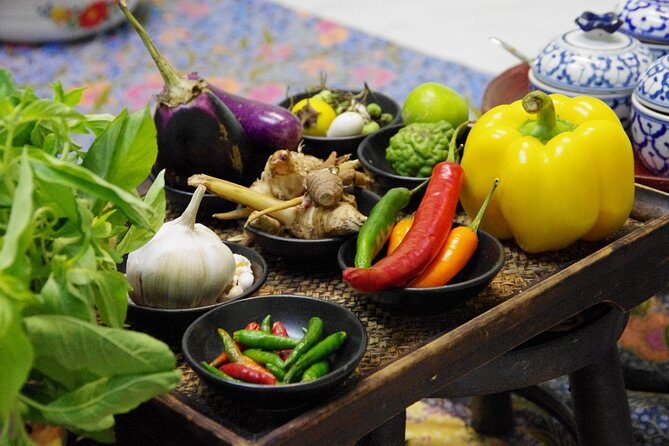
If you want Thai cooking to make sense, you have to see the ingredients first. This experience begins at the Silom Thai Cooking School area, then shifts into a local market visit where the goal is practical: learn how to choose what you’ll cook with. It’s not “look and take photos.” It’s more like, get the right items now so your finished dishes taste right later.
The morning session has a tight rhythm. You’re asked to arrive between 8:30 and 8:45 a.m., because grouping for the market starts at 8:45 a.m. The latest time to join the market is 9:05 a.m. If you show up after that, you’ll stay at the school until they return to class. That one detail can make or break your morning, especially if you’re using public transit and you don’t want any stress.
This tour also ends back at the same meeting point, which is handy in Bangkok. You’re not dealing with a long drop-off that can swallow the last hour of your day.
You can also read our reviews of more shopping tours in Bangkok



Picking Ingredients Like You Mean It (Spices, Fruit, and the Small Decisions)
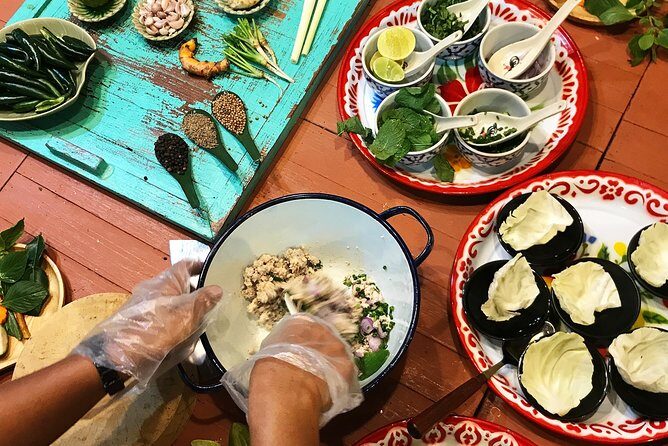
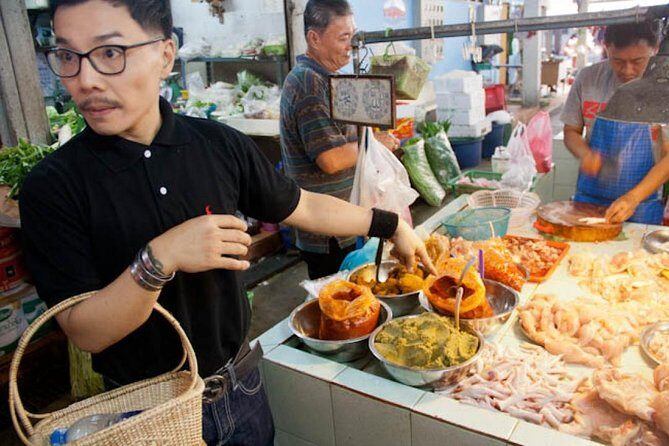
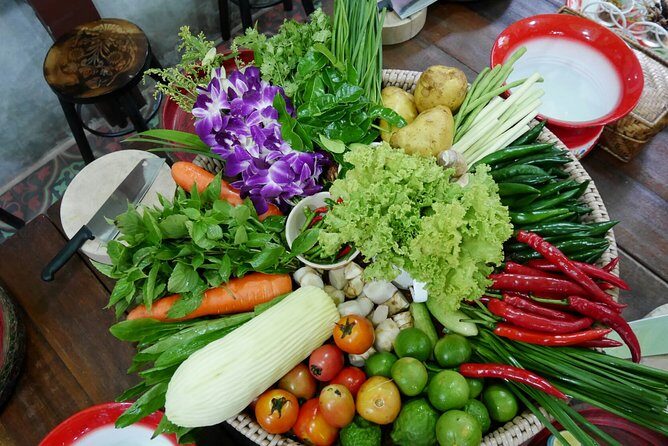
What I like about the market portion is that it teaches decisions, not just items. You’ll get instruction on how to choose ingredients correctly and collect what’s needed for the cooking ahead. Expect guidance on things like selecting fresh produce and understanding spices enough to recognize what you’re buying and why it matters in the final flavor.
One review highlights the market focus on spices and how to pick fresh fruit, and that’s exactly the kind of knowledge you’ll use again when you’re shopping on your own. Thai cooking depends a lot on balance: sour, salty, spicy, sweet. When you start from good ingredients, the whole flavor system makes more sense.
Also, because you’re cooking later, you’re not just learning “in theory.” You buy ingredients, then you use them. That’s why the market matters here—it’s feeding the cooking lesson directly.
Five Classic Dishes You’ll Cook Step by Step
The class teaches a set menu of Thai favorites. You’ll be cooking five dishes from scratch in the process, including:
- Tom yum (hot and sour soup)
- Pad thai (stir-fried rice noodles)
- Green curry gai (chicken in green curry)
- Phanaeng (Thai panang red curry)
- Khao neow ma muang (mango sticky rice)
Here’s the practical value of that lineup. Many Thai cooking classes pick dishes that are either too easy or too complex for a short session. This set covers different cooking styles so you come away with techniques, not only recipes.
Tom yum: Learning the sour-spicy balance
Tom yum is the dish that teaches you how “hot and sour” actually works in real cooking. You’re working with flavors that need attention, not just a dump of ingredients. If you’ve ever tried tom yum and found it flat, this is the kind of course that helps you understand what turns it bright and punchy.
Pad thai: Noodles, heat control, and timing
Pad thai can go wrong fast—too soft, too dry, or bland. Cooking it from scratch helps you see how quickly things change on the heat. It’s also one of the dishes most people judge a Thai cooking class by, and in reviews it gets serious praise, even from people who don’t usually care for pad thai.
You can also read our reviews of more tours and experiences in Bangkok




Green curry and panang curry: Different richness, same curry logic
You’re cooking two curry styles—green curry and panang (red) curry—which is smart if you want to understand Thai curry fundamentals. Even if the ingredients differ, you start seeing the same core idea: curry flavor is built carefully, then carried by protein and sauce.
If you’re the type who likes to recreate meals later, curry is where this course can pay off. You’ll learn the flow of how curry comes together rather than just eating it and moving on.
Mango sticky rice: The sweet finish that people remember
Desserts can feel like an afterthought in some classes. Here, mango sticky rice gets time and attention. It’s a classic Thai finish and a good way to round out the meal without everything tasting like spice.
Meals Included: What Breakfast, Lunch, and Dinner Means Here
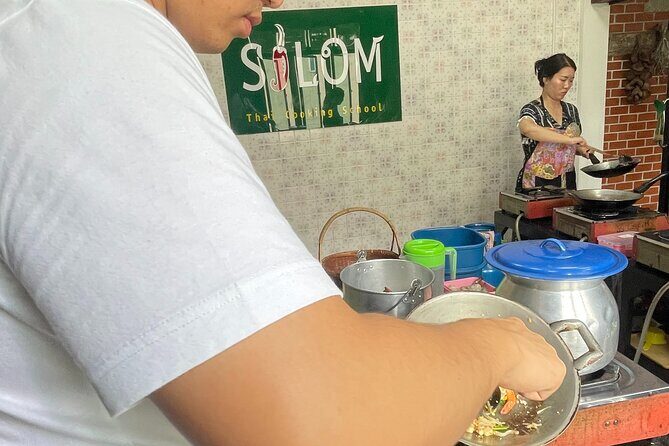
This isn’t a snack-and-smile demo. The package notes breakfast, lunch, and dinner are included. That matters because it changes the experience from a cooking lesson into a full food outing.
In practice, it also means you’re not constantly thinking about finding a meal after class. You can stay focused on learning, then eat what you made (and whatever else is part of the schedule) while you’re still in that Thai-food mindset.
One small extra note that can matter for comfort: reviews mention the studio being air-conditioned. Bangkok is hot. Having a cool workspace makes the time spent cooking feel way more manageable.
Timing and Group Size: The Good Kind of Organized
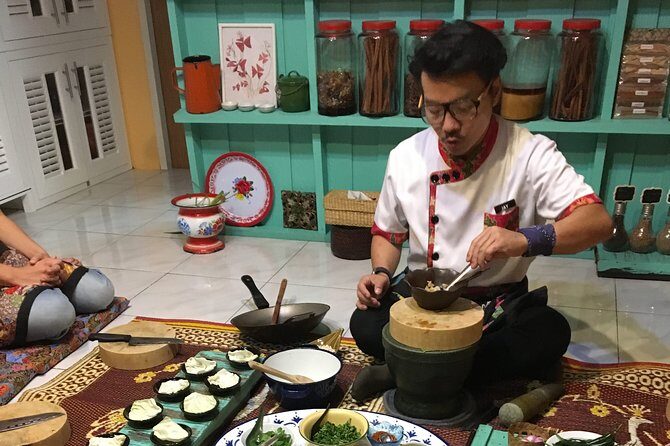
This experience is scheduled for about 3 hours. That’s a sweet spot. Long enough to shop, cook, and eat, but not so long that you start counting minutes.
The class is capped at 10 participants per class. The overall limit is noted as 12 travelers for the activity, but the key number for your hands-on learning is the per-class size. Smaller groups generally mean you get more attention from the chef and fewer chances to feel like you’re waiting around.
There’s also a mobile ticket involved, so you won’t be hunting for paper tickets on arrival.
One caution: because the market grouping has a firm start time, plan your morning buffer. If you’re coming by public transportation, give yourself a little extra margin so you don’t end up in the “wait at the school” timing window.
Price and Value: Is $59.99 a Fair Deal?
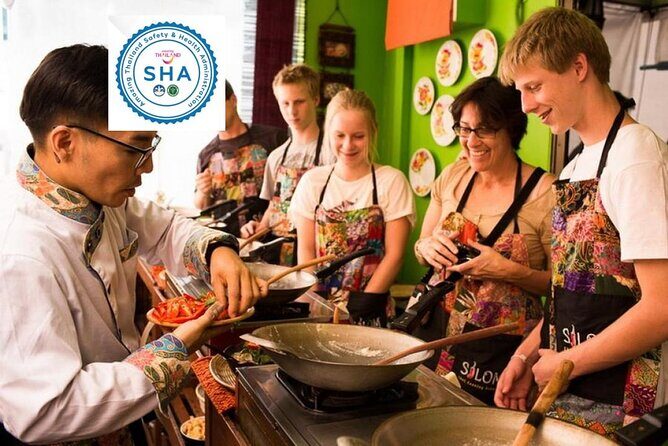
At $59.99 per person for roughly 3 hours, it can look simple on paper. The value shows up when you count what’s included:
- guided fresh local market visit
- all ingredients
- chef instruction while you cook multiple dishes from scratch
- meals included (breakfast, lunch, and dinner)
- traditional prep techniques learned hands-on
What’s not included is hotel pickup and drop-off, so you’ll be making your own way to the Silom Thai Cooking School meeting point. For some people, that’s the only real trade-off: time and transit planning.
If you’re comparing this to classes that only cover a couple dishes and don’t include multiple meals, this one has a stronger “full day-lite” feel. You’re paying for ingredients and instruction plus the food you’ll eat right after you cook.
Also, the “no MSG” note can matter if you’re paying attention to how Thai flavors feel without added flavor boosters.
Vegetarian Option: How to Handle Dietary Needs
If you’re vegetarian, this class says a vegetarian option is available. The practical move is to notify them when booking about any dietary restrictions. That’s your best way to avoid surprises.
If you have stricter needs (for example, allergy concerns), you’ll want to be very clear at booking time, since the menu and courses can differ and may change.
Who This Cooking Class Fits Best
This is a great fit if you:
- love Thai food and want to understand how it’s built
- like hands-on learning more than watching from the sidelines
- want a structured set of dishes so you can practice later at home
- don’t mind using public transportation to get to the meeting point
- prefer small-group instruction
It might be less ideal if you:
- strongly need hotel pickup/drop-off
- hate time pressure (because the market grouping time matters)
- want an experience that’s entirely flexible with arrival times
Tips to Make Your Morning Go Smoothly
These are the practical “do this” points that come straight from how the experience runs:
- Arrive between 8:30 and 8:45 a.m. so you’re in the market grouping.
- If you’re cutting it close, remember the latest market join time is 9:05 a.m.
- Tell the team about dietary restrictions when you book, especially if you want the vegetarian option.
- Wear comfortable clothing. You’ll be moving between cooking and market sections, and you’ll be active.
And if you love food education, pay attention during the ingredient picking. That’s where the class gives you transfer skills for future meals.
Should You Book This Silom Thai Cooking Class?
Here’s my quick decision guide. Book it if you want a classic Bangkok food experience that teaches you how Thai dishes come together, not just how they taste on a plate. The included market visit, the small class size, the five-dish cooking focus, and the fact that meals are included make it good value for many travelers.
Skip it or pick a different class if you need full hotel logistics or if your schedule can’t handle a strict morning start. In that case, the timing rules around the market portion may feel stressful.
FAQ
How long is the Silom Thai Cooking Class with Market Visit?
The experience is about 3 hours.
Where does the tour start and end?
It starts at Silom Thai Cooking School at เลขที่ 6/14 Decho Rd, Khwaeng Suriya Wong, Khet Bang Rak, Krung Thep Maha Nakhon 10500, Thailand, and it ends back at the meeting point.
What dishes will I cook?
You’ll cook classic Thai dishes including tom yum, pad thai, green curry (chicken in green curry), phanaeng (Thai panang red curry), and mango sticky rice. The menu and courses may be subject to change.
Does the price include meals?
Yes. Breakfast, lunch, and dinner are included.
Is there a vegetarian option?
Yes. A vegetarian option is available, and you should notify them when booking.
Is MSG used?
No. The experience notes no MSG.
How many people are in each class?
The maximum is 10 participants per class.
What if I arrive late for the morning session?
For the morning session, grouping for the market starts at 8:45 a.m., and the latest time to join the market is 9:05 a.m. Late arrivals will stay at the school until the class returns.
Can I get a refund if I need to cancel?
Free cancellation is available up to 24 hours in advance for a full refund. If you cancel less than 24 hours before the start time, the amount paid will not be refunded.