REVIEW · BANGKOK
Thai Cooking Class with Market Tour in Sathon Bangkok
Book on Viator →Operated by House of Taste Thai Cooking School · Bookable on Viator
Curry starts with what you buy. This Thai Cooking Class with Market Tour pairs a trip to Suan Phlu fresh market with cooking four classic dishes using ingredients you picked yourself. You’ll learn why certain chilies, herbs, and aromatics matter, then translate that into real kitchen technique.
I especially like the hands-on part: making coconut milk and curry paste from scratch, not from a jar. I also like that you get to eat the dishes right away, hot and freshly cooked, and you can take the recipes home to repeat the results.
One thing to consider: the experience needs good weather, and there’s a small amount of walking during the market visit. Comfortable shoes help, because you’ll move between stalls and your cooking station.
In This Review
- Key highlights you’ll feel right away
- Start at House of Taste in Suan Phlu, Sathon
- Suan Phlu Fresh Market: Picking ingredients for the 4 dishes
- Coconut milk and curry paste: the hands-on Thai basics
- Cooking four Thai dishes and eating them hot
- What’s included with the $45.64 price—and what you’re really paying for
- Small group cooking at a max of 18: better instruction, faster confidence
- Vegetarian option and dietary requirements
- Who this Sathon class suits best
- Should you book this Thai Cooking Class in Sathon?
- FAQ
- How long is the Thai Cooking Class with Market Tour?
- What will I cook during the class?
- Are meals and drinks included?
- Is there a vegetarian option?
- If I cancel, will I get a refund?
- What if the tour is canceled because of weather or too few travelers?
Key highlights you’ll feel right away
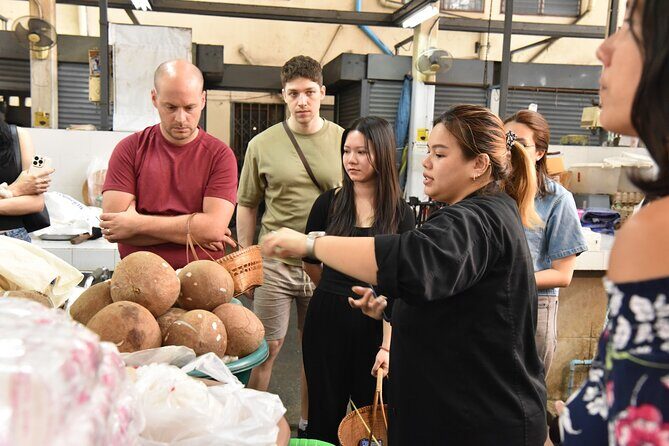
- Suan Phlu Market ingredient picking right before you cook
- Fresh coconut milk and curry paste made from scratch
- Four dishes cooked and eaten hot during the class
- Take-home recipes so you can recreate the flavors later
- Small group size (max 18) for clearer instruction and more attention
Start at House of Taste in Suan Phlu, Sathon
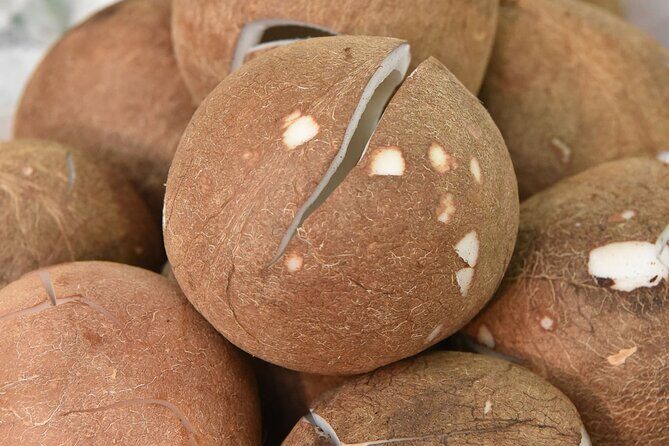
This class begins at House of Taste Thai Cooking School in Suan Phlu, Sathon. It’s a convenient base near the Silom area, so you’re not starting your day on the far edge of Bangkok. From there, you’ll head out to the market on foot—Suan Phlu fresh market is about a one-minute walk away—so you won’t burn time in transit before the fun starts.
If you’re navigating by public transport, you’ve got several options. You can take a motorcycle or taxi to the school, and then use nearby BTS or MRT stations such as BTS Saint Louise (Exit 1), BTS Chongnonsi (Exit 2), BTS Sala Daeng (Exit 2), MRT Lumphini (Exit 2), or MRT Silom (Exit 2). That flexibility matters in Bangkok, where a “single best route” can be different depending on the day’s traffic and where you’re staying.
Timing is also nice to know. The total experience runs about 3 hours 30 minutes, and the market tour is included for morning, afternoon, and evening sessions. In other words, you can usually pick the time that best fits your sightseeing schedule.
You can also read our reviews of more shopping tours in Bangkok



Suan Phlu Fresh Market: Picking ingredients for the 4 dishes
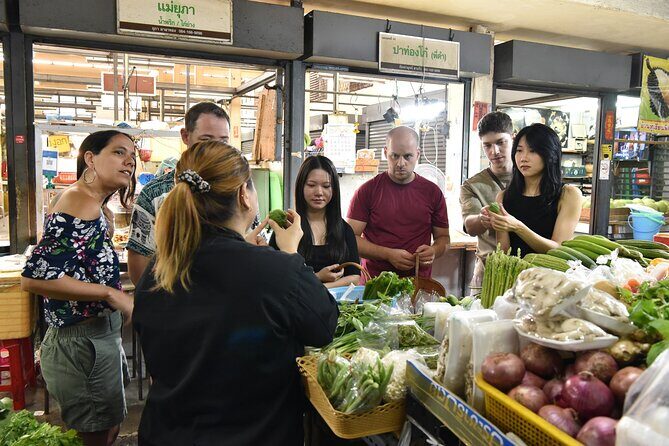
The market tour is more than a photo walk. You’ll use it like a planning session for the recipes you’ll cook later. Suan Phlu fresh market is described as one of Bangkok’s larger markets, and the tour is designed to help you understand what you’re looking at—so the kitchen steps actually make sense.
Here’s what I’d focus on while you’re there:
- Chilies and heat level: You’ll learn how Thai cooking uses chili not just for spiciness but also for flavor depth.
- Aromatics like lemongrass: Knowing what it smells like, and what fresh quality looks like, helps you get more fragrance in the final dish.
- Herbs, spices, and vegetables: You’ll be guided through the core categories that build Thai flavor—so you’re not just collecting random ingredients.
- Rice and pantry staples used in Thai cooking: Even when the cooking looks simple, the right ingredient makes a big difference.
A good sign here is that the guide isn’t only pointing out items. The tour is set up so you can learn how to choose the best produce for the dishes you’ll make. You’ll also hear stories and background on ingredients and the market itself. That context is useful because Thai cooking often depends on freshness and balance, and those lessons carry into whatever you cook next.
Practical note: there’s a small amount of walking. You’ll want comfortable shoes, and it helps to keep your hands free for notes and questions, because the market portion is part of the class, not an add-on.
Coconut milk and curry paste: the hands-on Thai basics
The kitchen work is the centerpiece, and this class is built around two foundational skills: making fresh coconut milk and creating curry paste from scratch.
Why that matters: most Thai curry flavor comes from the paste and how it’s developed. When curry paste starts from fresh ingredients, you get sharper aromatics and a fresher spice profile. And when you make coconut milk yourself, you’re not limited to a single taste—your technique and ratios shape the creaminess and balance.
In this class, you’ll learn traditional methods for both:
- How to extract coconut milk properly
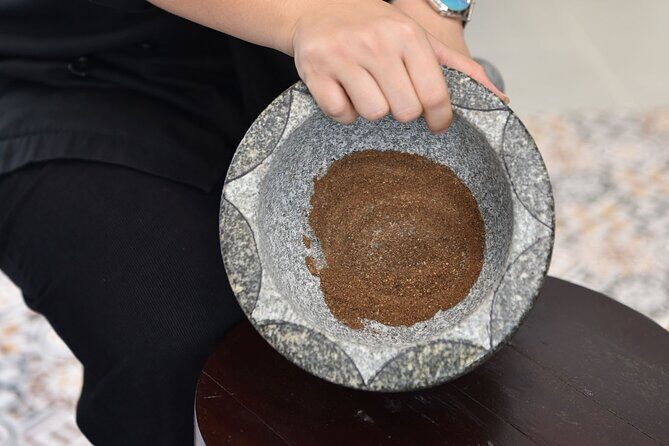
- How to make curry paste from scratch, including getting hands-on with the process
Even if you’ve cooked before, the value here is learning the logic behind the steps. Thai cooking isn’t only about following instructions. It’s about building a flavor base that carries through the dish—curries, stir-fries, and everything in between.
Also, this is where the class’s structure helps. You do the market tour first, so you understand what each ingredient is doing. Then you move into cooking with the same ingredient choices still fresh in your mind.
Cooking four Thai dishes and eating them hot
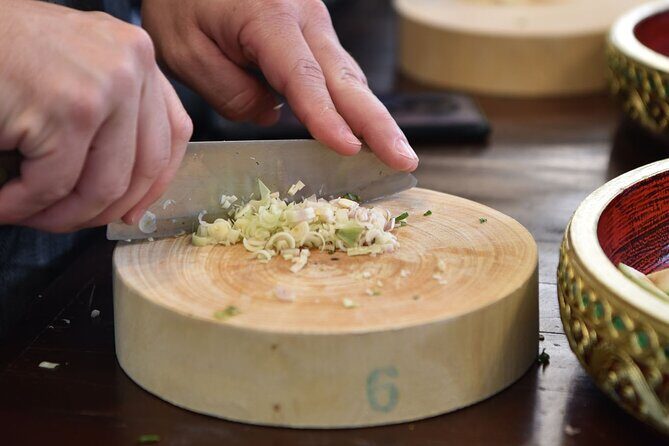
After the prep work, you’ll cook for about two hours and end by eating the dishes while they’re still hot and fresh. You’ll be making four authentic Thai dishes, each designed to show different sides of Thai flavor.
From the class description, you can expect a mix that may include savory curries and tangy stir-fry style dishes. The key is that you’re not just cooking one thing and calling it Thai food. You’ll practice how Thai flavors shift across different dish types—using herbs, spices, and the coconut-curry base you prepared earlier.
I like this setup because it reduces the usual disappointment people feel with cooking classes. Sometimes you spend the whole time cooking and then the meal is cold or rushed. Here, the design is to let you taste what you made promptly, so you can learn what good looks and tastes like in real time.
And because you also get take-home recipes, this isn’t only a one-day food event. It’s more like a skill transfer. If you cook at home later, you’ll know what ingredient choices you made and how they connect to the outcome.
What’s included with the $45.64 price—and what you’re really paying for
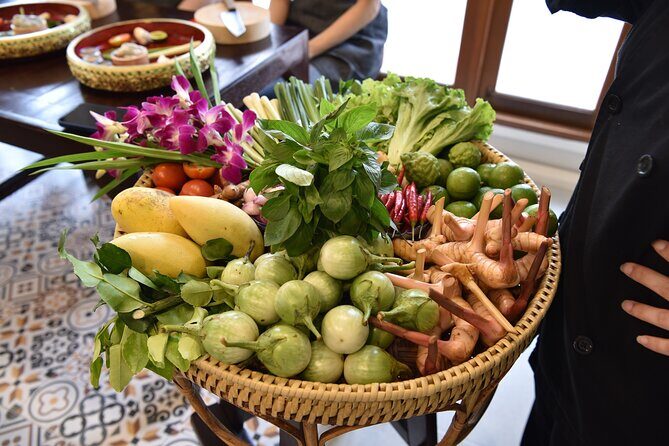
At $45.64 per person, this class is priced like an entry-to-mid range Bangkok food activity. The best value angle is what’s included in that price.
You get:
- A guided Suan Phlu market tour (included in every class session)
- Bottled water
- Meals (you eat the dishes you cook)
- Time and instruction to make coconut milk and curry paste from scratch
- Recipes to take home
What you don’t get: alcoholic beverages. That’s normal for cooking classes, and it keeps the price focused on the core experience.
So is it good value? For me, yes, because the cost covers both learning and food, and it avoids the common trap of paying for a “tour” that doesn’t connect to real kitchen skills. The market portion sets you up with ingredient knowledge, then you use it immediately in the cooking portion. That link is what you’re paying for.
Also, the class runs about 3 hours 30 minutes. You’re not buying a half-day that turns into a waiting game. You get an active experience with a clear progression: market → paste and coconut milk → four dishes → meal.
One more small indicator: it’s described as booked on average 9 days in advance. That suggests steady demand, so if your schedule is tight, booking earlier can save you the headache of last-minute availability.
You can also read our reviews of more tours and experiences in Bangkok




Small group cooking at a max of 18: better instruction, faster confidence
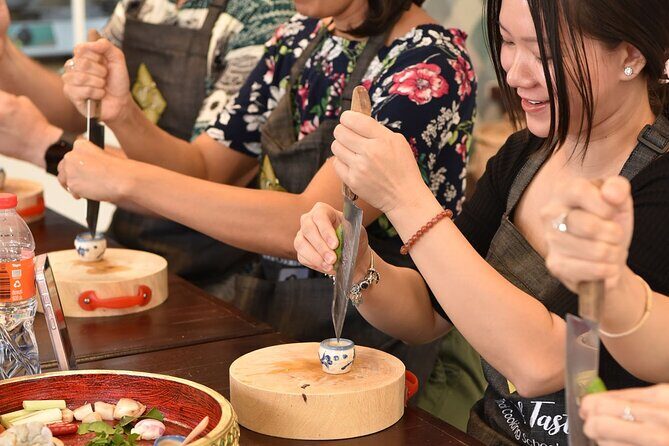
The group size is capped at 18 travelers. That’s a sweet spot for a cooking class. Big enough that you’ll feel social energy, small enough that you’re not lost in the crowd. In practice, this usually means:
- You can ask questions without shouting
- The instructor can correct common mistakes before they snowball
- You move through tasks without long delays
And because the class is structured around a lot of tactile steps—like making curry paste from scratch—those details matter. You want enough instructor attention to get the technique right, especially when your success depends on flavor balance.
If you’re someone who likes clear guidance while still doing the work yourself, this format fits well.
Vegetarian option and dietary requirements
If you eat vegetarian, this class has an option available. You’ll want to advise at booking that you need vegetarian food. The key is timing: the class notes that dietary requirements should be shared when you book, so the kitchen can plan accordingly.
If you don’t have strict dietary needs, still consider mentioning anything important at booking, just to make sure your ingredient choices are compatible with what you want to eat.
Who this Sathon class suits best
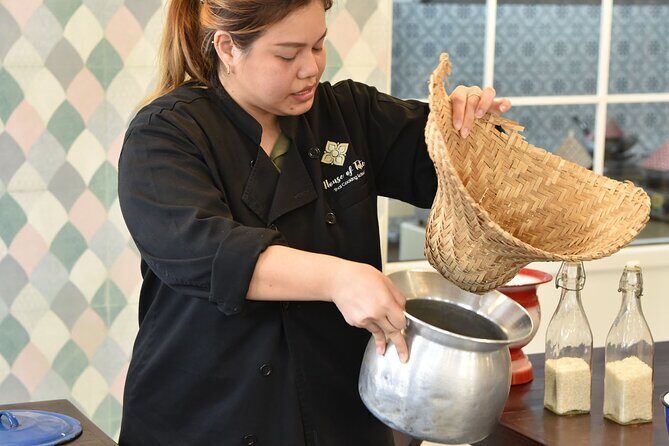
This experience is ideal if you want Thai food that goes beyond ordering a dish and calling it knowledge. You’ll get:
- A market-based understanding of ingredients
- Hands-on practice with curry paste and coconut milk
- Four finished dishes that show how Thai flavor works across styles
It’s also a good fit for couples, friends, and small groups who want a shared activity that ends with a meal. The class is set up for an enjoyable, instruction-led experience, which is backed by the overall positive review score and the repeated idea that instructions are easy to follow and dishes come out great.
Families can also consider it, with one condition: children must be accompanied by an adult. There’s no mention of a separate kid-focused format, so the adult presence is important.
Should you book this Thai Cooking Class in Sathon?
Book it if you want the best part of Thai cooking in one shot: ingredient selection plus real technique. The pairing of Suan Phlu market picking with making coconut milk and curry paste from scratch is the standout value. You’ll leave with four dishes you actually eat hot and fresh, plus recipes you can use later.
Skip it only if you’re uncomfortable with light walking or you’re traveling during a period when good weather is unlikely, since the experience requires good weather and can be canceled due to poor conditions.
If you’re on the fence, think about what kind of travel you enjoy: if you like learning by doing—hands in, questions asked—this is the kind of cooking class that actually sticks.
FAQ
How long is the Thai Cooking Class with Market Tour?
It runs about 3 hours 30 minutes (approx.), including the market tour and the cooking time.
What will I cook during the class?
You’ll cook four authentic Thai dishes, after learning to make fresh coconut milk and curry paste from scratch.
Are meals and drinks included?
Yes. Bottled water and meals are included. Alcoholic beverages are not included.
Is there a vegetarian option?
Yes. A vegetarian option is available, and you should advise the provider at the time of booking.
If I cancel, will I get a refund?
No. The experience is non-refundable and cannot be changed for any reason.
What if the tour is canceled because of weather or too few travelers?
It requires good weather. If canceled due to poor weather, you’ll be offered a different date or a full refund. If the minimum number of travelers isn’t met, you’ll be offered a different date/experience or a full refund.