REVIEW · BANGKOK
Thai Dance Class
Book on GetYourGuide →Operated by ThaiGlam Studio · Bookable on GetYourGuide
Thai dance feels different when you learn it in the room where it is taught. This class pairs traditional dress with practical movement coaching, so you’re not just watching Thai culture from the outside. You’ll start with a short story about Thai dance, then actually practice the poses and timing in a small group setup.
Two things I really like: first, they get you into authentic costume with full accessories, so the movements make sense as you wear them. Second, you learn in a guided rhythm across three different songs and poses, not just one demo. One thing to consider is that it’s a studio experience, and it may not feel like the kind of tour you want if you’re mainly chasing big temples and street views.
In This Review
- Key Highlights to Look For
- Two Hours of Thai Dance With a Simple, Friendly Flow
- Getting There From Wat Arun Pier Without Stress
- Welcome Drink, Thai Dessert, Then Costume Time
- Dressing the Part: Traditional Thai Clothes and Full Accessories
- Thai Dance History Before You Move
- Warm-Ups and Three Songs: Practicing Poses That Add Up
- Photos and Short Clips During Learning
- Price and Value: Why $70 Works for What’s Included
- Who This Thai Dance Class Is Best For
- Quick Tips to Get the Most Out of Your 2 Hours
- Should You Book Thai Dance Class at ThaiGlam Studio?
- FAQ
- How long is the Thai Dance Class?
- Where is the meeting point, and is pickup included?
- What does the class include?
- What languages are offered?
- Is this class suitable for children or people with mobility needs?
- Can I cancel and get a full refund?
Key Highlights to Look For
- Wat Arun Pier pickup included, so you’re not wrestling with transport right before class
- Thai Glam Studio is the real learning base, with a small group capped at 7
- Thai dance history first, so your arm and hand shapes have meaning
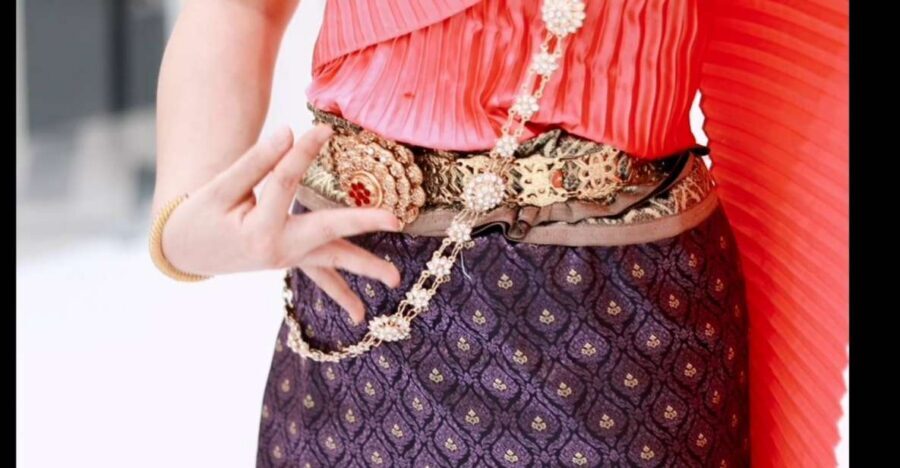
- Full traditional dress with accessories, making practice feel authentic
- Practice across 3 songs and pose sets, not a single sample routine
- Photo-friendly parts for short clips and pictures while you’re learning
Two Hours of Thai Dance With a Simple, Friendly Flow
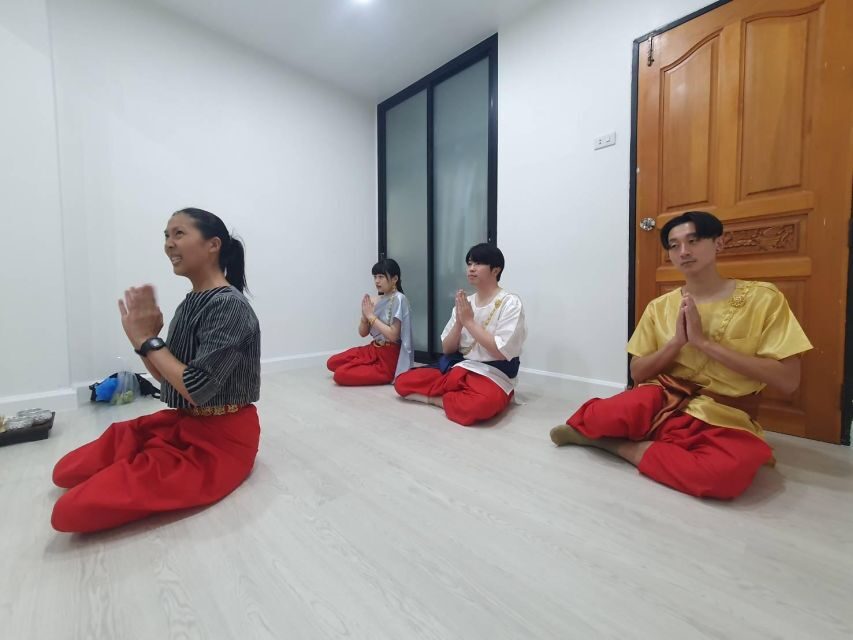
If you like hands-on cultural lessons, this one fits well. The format is straightforward: you’re picked up, welcomed with a drink and dessert, dressed in traditional Thai dance wear, then you learn the movements through warm-ups and practice. After that, you run through multiple pieces so you leave with something you can remember and repeat.
The class runs 2 hours, which is a smart length. Long enough to learn basic posture and hand positions, short enough that you don’t feel trapped in an all-day schedule. You’ll also notice the group size matters here. With a limit of 7 participants, it’s easier for the teacher to spot what your body is doing and correct gently as you go.
One practical note: this is dance instruction, so you should expect physical work. It’s not described as beginner gymnastics, but you will be moving through poses and warm-ups. If you prefer very passive activities, or if you’re traveling with mobility concerns, this may feel like more effort than you want.
You can also read our reviews of more tours and experiences in Bangkok


Getting There From Wat Arun Pier Without Stress
Logistics are one of those silent deal-makers on travel days. Here, you get pickup service at Wat Arun Pier, and that helps a lot if you’re already in the area or staying nearby. The meeting point is Thai Glam Studio, so the transport piece reduces the chance you show up frazzled, in the wrong place, or late.
I like that the class stays compact. No long caravan of stops, no waiting for a bus full of people. Instead, you’re handled like a small group learning session. That keeps the vibe calm, which matters when you’re learning something as specific as Thai dance posture.
If you’re planning around it, build in a little buffer. Studios can run on teacher timing, costume fitting timing, and group pacing timing. A class that includes dressing and a welcome moment will never feel like a tight airport check-in. Arrive ready to slow down and follow directions.
Welcome Drink, Thai Dessert, Then Costume Time
Before you even learn a movement, you get a welcome drink and Thai dessert. That might sound small, but it’s a real way to start a cultural activity with a relaxed mind. Food and drink also help set the mood so you’re not walking in cold, still mentally in sightseeing mode.
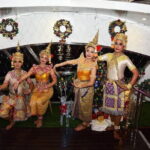
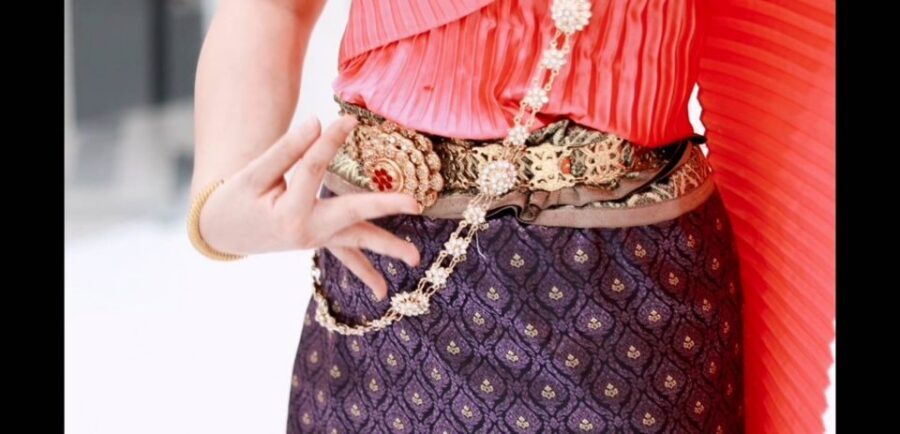
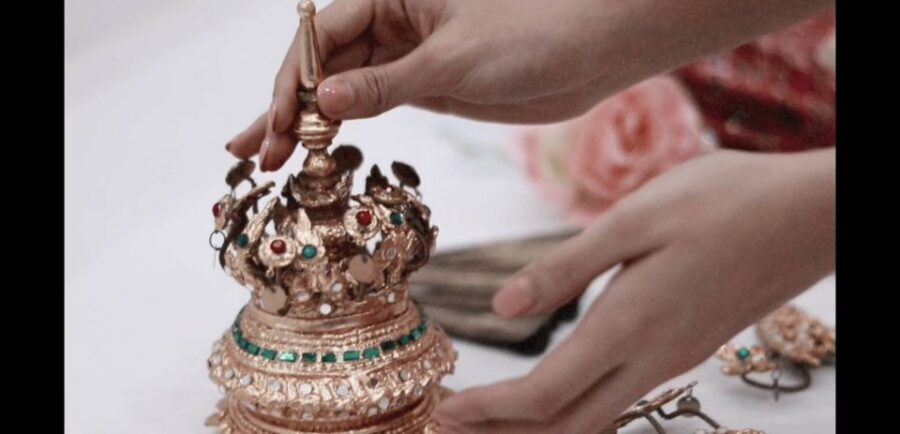
Then comes the big visual shift: you’ll dress in traditional Thai dance clothes with full accessories. This is one of the reasons the class works. Thai dance isn’t only about steps. Costumes influence how you carry yourself, where your arms want to float, and how your body reads the pose.
Two details worth keeping in mind as you prepare:
- Be ready for a costume fitting or dressing moment that takes a bit of time.
- Wear something comfortable underneath. The class includes the dress, but you’ll still want to move easily in what you bring.
Dressing the Part: Traditional Thai Clothes and Full Accessories
Learning Thai dance while wearing traditional costume changes the whole experience. I like that they don’t do a half-measure setup where you just observe. Instead, they provide the outfit and accessories, so you can practice the look and the feel together.
The class emphasizes how to wear Thai dance clothing correctly. That matters because Thai dance has clear visual rules. When the outfit sits properly and the accessories are in place, the poses read right—and you’re less likely to end up fighting your costume as you practice.
In a good class, costume is more than decoration. It’s instruction. When a teacher helps you put everything on correctly, you end up with better alignment and a clearer sense of what each gesture is supposed to do. That’s especially useful if you’re a first-timer who has no muscle memory for these shapes.
Also, because the group is small, you’re less likely to feel rushed while being dressed. In fact, one solo learner found the teacher was patient with gentle corrections, which tracks with how a tight group size can make instruction feel personal.
Thai Dance History Before You Move
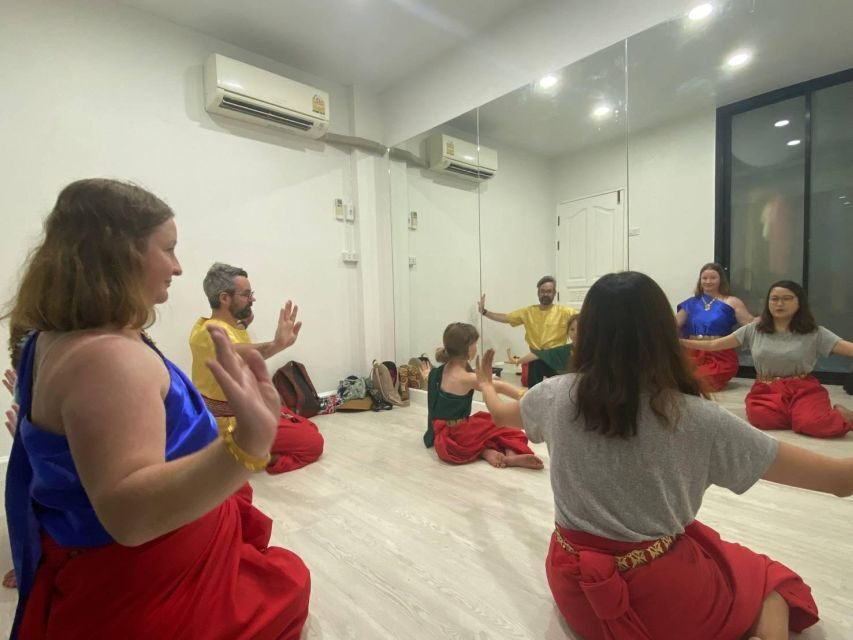
This class starts with context. You’ll listen to the history of Thai dance before you start dancing. That’s not fluff. It’s the difference between copying shapes and understanding why those shapes matter.
When you learn the story first, the movements stop being random arm gymnastics. They become signs—gestures with meaning, built over time and passed down as a cultural language. Even if your goal is just fun and photos, the history piece upgrades your experience from entertainment to understanding.
I also like that the teacher ties movement to meaning, not just technique. Some instructors explain the significance of motions as you learn. That kind of guided attention helps you practice with intention, instead of just trying to hit a pose once and move on.
You don’t need to be an expert on Thai culture to enjoy this. If you’re curious, the history part gives you a clean starting point. If you’re already interested, it gives you something more structured than random facts you might pick up while walking around town.






Warm-Ups and Three Songs: Practicing Poses That Add Up
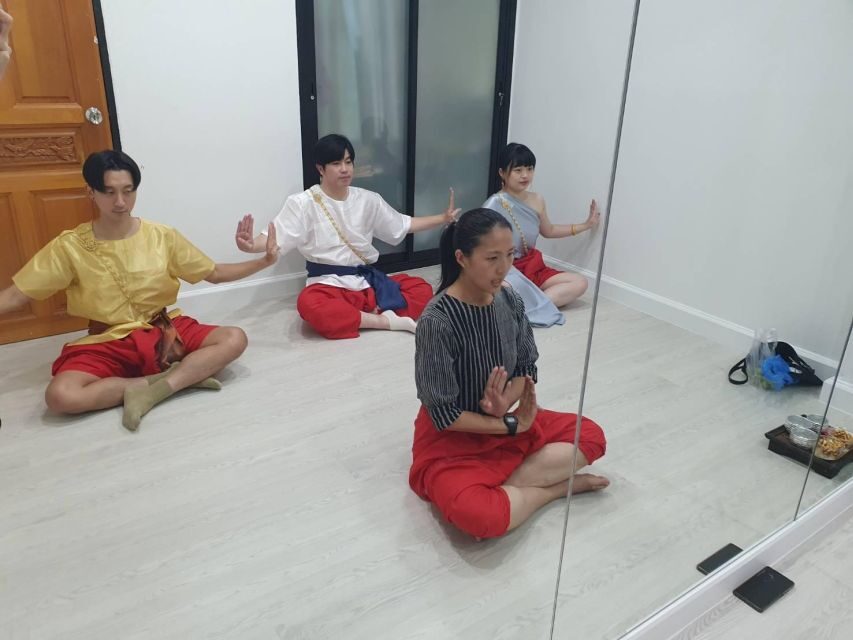
The heart of the class is where you actually move. After warm-up, you dance through three different songs and pose sets, following the teacher’s pacing. That structure is smart for learning. One song can teach basic posture. Three songs force variety—different rhythms, different shapes, and different moments where your body has to respond quickly.
Warm-up is where you build comfort. You’ll likely focus on posture control, arm positions, and the kind of steadiness that makes Thai dance look graceful rather than stiff. Then you transition into the pose work, where you slow down just enough to get it right.
The three-song approach also helps your memory. You’re not relying on one routine that you may forget later. Instead, you leave with multiple movement patterns that you can recall in pieces—like arm framing from one song and a specific pose style from another.
One review highlighted that watching a play the night before made the movements feel even more interesting to learn. That makes sense. A class like this can help you read stage gestures faster if you’ve already seen Thai dance performance nearby.
Photos and Short Clips During Learning
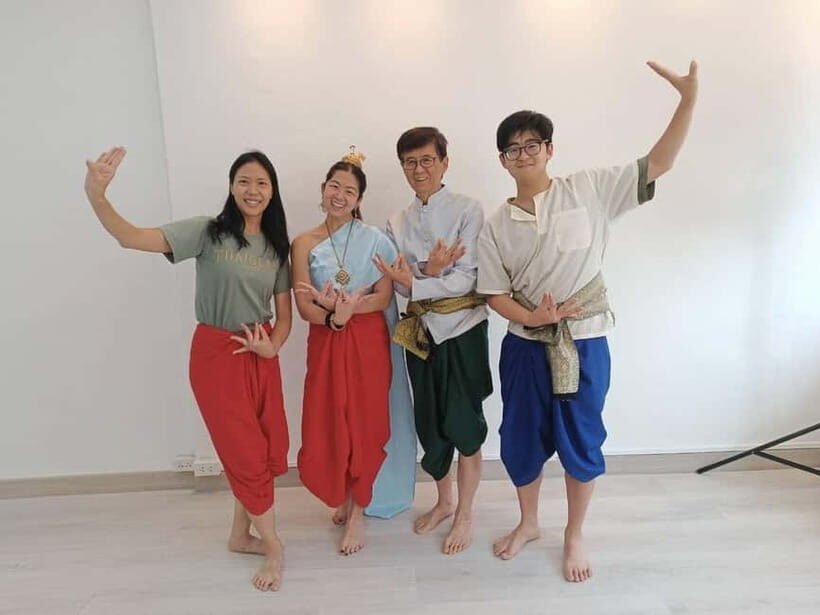
If you love capturing travel moments, you’re in luck. You can take photos and short clips in some parts while you learn. That means you’re not forced to put your camera away for the entire session.
This is the practical way to do it: short clips can help you remember hand shapes and timing. Photos help with costume details—especially the outfit and accessories that you might never get to wear otherwise.
Still, keep your expectations realistic. It’s a small class, so you’ll want to follow teacher instructions about when filming is okay. Move your phone carefully and avoid getting in the teacher’s space during pose practice.
Price and Value: Why $70 Works for What’s Included
At $70 per person for a 2-hour class, it’s not a budget impulse buy. But it can be good value if you factor in what you actually receive.
Here’s what’s built into the experience:
- Pickup service at Wat Arun Pier
- A welcome drink and Thai dessert
- Traditional Thai dress with full accessories
- Thai dance history before you dance
- Instruction through warm-up and practice across three songs/pose sets
- Small-group attention, capped at 7 participants
If you were to recreate this on your own—finding a teacher, arranging a costume, and booking a studio time—the total would likely climb quickly. The price also makes sense because costume is included, not rented or added separately.
And because it’s limited to 7, you’re more likely to get corrections instead of just watching from the back of the room. One solo learner even ended up with a private-feeling setup when only one person signed up, which shows how this format can deliver extra attention when the group stays small.
The main value question is simple: do you want an activity that teaches you something you can carry home in your body? If yes, this is a strong use of your time. If you’d rather spend money on guided sightseeing, you may feel the class is more niche.
Who This Thai Dance Class Is Best For
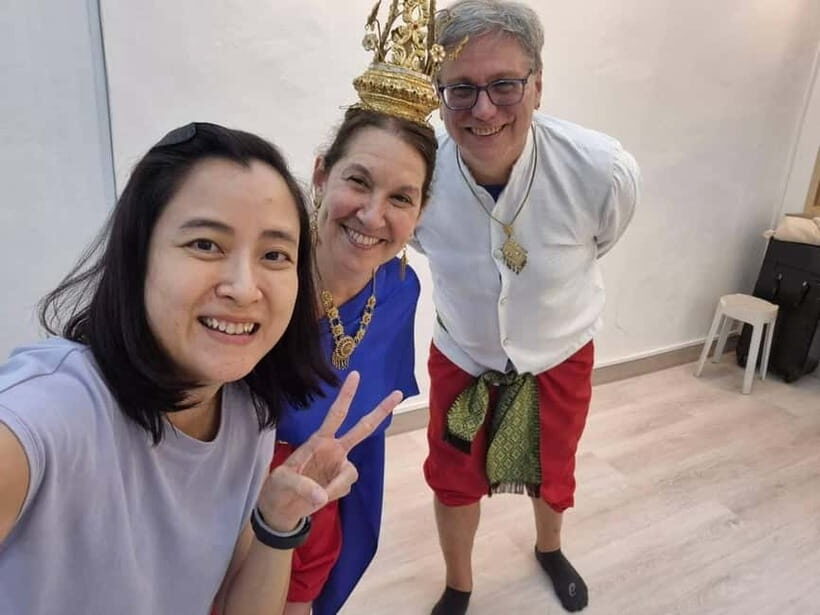
This is a good fit for people who like learning by doing. You’ll enjoy it if you want a cultural activity with a clear structure: history first, then technique, then repetition across multiple songs. It’s also a great option if you’re a solo traveler and you want something organized without needing to build a group yourself.
It’s also ideal for travelers who like authenticity. Reviews consistently point to the teacher being kind, patient, and focused on details, and the costumes being authentic. That matters because Thai dance is very visual. If the outfit or the instruction is off, the whole experience can feel like a costume photo-op instead of a real lesson.
A few groups should consider skipping:
- Children under 10 years aren’t suitable
- Wheelchair users aren’t suitable
- People over 95 years aren’t suitable
And it’s a controlled environment with rules like no alcohol and drugs, which keeps things focused and safer for everyone.
Quick Tips to Get the Most Out of Your 2 Hours
You’ll get more out of the class if you go in prepared mentally. Here are a few things that make the session smoother:
- Listen closely during the history portion. It makes the movement practice click faster.
- Don’t fight the costume. Wear what they give you, and move the way they cue you.
- If you’re filming, do it briefly. Focus on learning first.
- Expect gentle corrections. That feedback is the fastest way to improve quickly.
Also, since the host or greeter offers English plus Chinese and Korean, you can feel comfortable if one of those languages is your strongest. The class still centers on demonstration, so even if your language is limited, you’ll rely on the teacher’s body cues.
Should You Book Thai Dance Class at ThaiGlam Studio?
Book it if you want a compact, meaningful cultural lesson in Central Thailand that goes beyond watching. The included pickup from Wat Arun Pier, the welcome drink and Thai dessert, and the fact that you’ll wear full traditional dress make it more than just a basic workshop. Add in the teaching across three songs and pose sets, and you get a real sense of progress in only 2 hours.
Skip it if you’re looking for a sightseeing-heavy day or if you need something fully accessible. This is movement-based, studio-based, and built for a small group setting.
If you’re curious about Thai dance as a living tradition, this class is one of those rare activities that gives you both the story and the practice. You’ll leave with a better eye for gestures and a few poses you can actually reproduce, not just photos to scroll past later.
FAQ
How long is the Thai Dance Class?
The class lasts 2 hours.
Where is the meeting point, and is pickup included?
Pickup is included at Wat Arun Pier. The class is held at Thai Glam Studio, which is the studio you should come to.
What does the class include?
You get a welcome drink and Thai dessert, traditional Thai dress with full accessories, time to learn the history of Thai dance, warm-up, and practice dancing in three different songs and poses.
What languages are offered?
The host or greeter offers English, Chinese, and Korean.
Is this class suitable for children or people with mobility needs?
It is not suitable for children under 10 years, wheelchair users, or people over 95 years.
Can I cancel and get a full refund?
Yes. There is free cancellation up to 24 hours in advance for a full refund.