REVIEW · BANGKOK
Train & Floating Market Food Adventure + Scenic train ride
Book on Viator →Operated by LJ Tour Co.LTD. · Bookable on Viator
Thailand markets hit different before the heat. This day trip strings together Mae Klong and Damnoen Saduak so you get two of the region’s most talked-about food scenes without wasting half the day figuring out rides. What I like is the small-group feel, plus the fact that you spend a chunk of time in air-conditioned comfort rather than bouncing around Bangkok in public transport.
Two things that really work for me: you get to try bartering and taste market food (Thai dessert, fruit, and snacks), and you’re not stuck on one kind of activity. A possible drawback to plan for: Damnoen Saduak can feel more tourist-focused than you might expect, so if you want totally local-only, manage your expectations.
In This Review
- Key highlights you’ll actually care about
- Why this Bangkok market day works so well
- Meet-up at Hua Lamphong, then roll out with a plan
- Mae Klong Railway Market: the early-riser payoff
- The scenic train ride segment: part transfer, part experience
- Damnoen Saduak Floating Market: boat, snacks, and bartering practice
- Quick coconut farm stop (if time allows): context behind the snacks
- Guides matter: when culture talk turns the day into learning
- What you’re paying for: value at about $86 per person
- Small-group touring: why it feels easier than DIY
- What to pack for a market day that includes boats and early starts
- Should you book this train-and-floating-market tour?
- FAQ
- How long is the tour?
- Where does the tour start and end?
- What does transportation look like during the day?
- Is the boat ride included for the floating market?
- What food and snacks are included?
- Is bartering part of the experience?
- Do I get hotel pickup and drop-off?
- Is there an extra stop for coconuts?
Key highlights you’ll actually care about
- Small-group format that keeps the day from feeling like a cattle chute
- Two top markets in one itinerary so you can compare styles without extra trips
- Air-conditioned private vehicle for the travel segments between sights
- Private boat time on the way into the floating market experience
- Thai dessert and fruit snacks included, so you can snack your way through the day
- Optional coconut farm visit if time allows, for context beyond the stalls
Why this Bangkok market day works so well
This tour is built for people who want variety, not just checkmarks. You’re covering a rail-market stop and a floating-market stop in the same long day, with transport planned for the parts that are hard to connect on your own.
The other big win is that you’re not doing it all on public schedules. Between sights, you’re in a private air-conditioned vehicle, and the itinerary includes a scenic train ride segment. That means more time for food, photos, and asking questions, less time standing around.
You can also read our reviews of more food & drink experiences in Bangkok



Meet-up at Hua Lamphong, then roll out with a plan
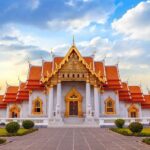
Your day begins at สถานีรถไฟหัวลำโพง (Hua Lamphong) Rong Muang in central Bangkok. The location is near public transportation, so it’s simpler to reach even if you’re not staying right next door.
From there, you’ll ride out with an English-speaking guide and a private car arranged for your group. The tour runs about 7 hours, so bring the mindset of a full-day outing, not a quick half-day wander.
If you’re picky about logistics, this part matters. When transport is handled, you can focus on market timing: arriving early-ish at Mae Klong and then transitioning to the floating market later.
Mae Klong Railway Market: the early-riser payoff
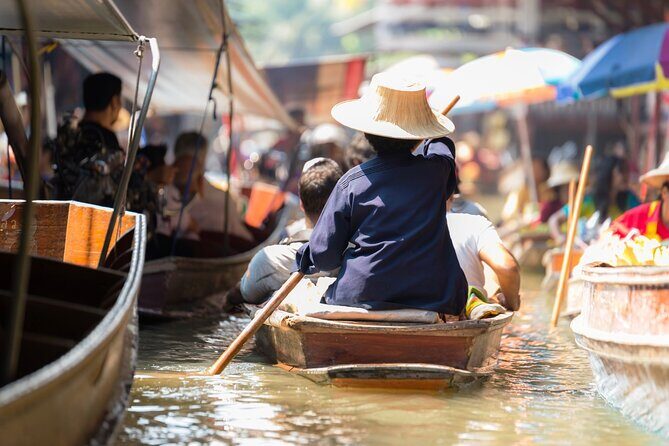
Stop 1 is Mae Klong and it’s worth getting up for. The itinerary puts this market early in the day, which usually helps you handle crowds and heat better than a late arrival.
You’ll spend about 2 hours there, and the route uses a comfortable air-conditioned van reserved for your small party. That combo is practical: you’re ready to walk, shop, and sample, and you’re not melting before you even get to the stalls.
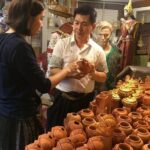
What you should expect at this stop is market energy and food browsing with a guide who can help you navigate what’s worth trying. Since the tour includes time for bartering, you’re not just a spectator. You’ll have a shot at talking prices and learning how vendors think—at least at a pace that won’t feel awkward.
A note on the vibe: Mae Klong is one of the most famous market experiences in Thailand, so it’s popular for a reason. It’s also famous, which means you should expect some visitors.
The scenic train ride segment: part transfer, part experience
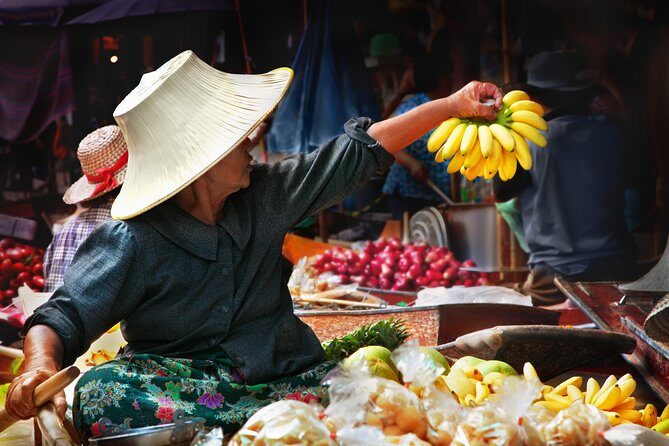
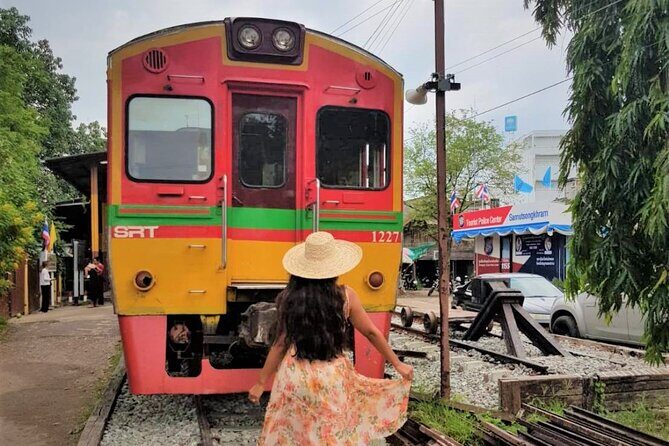
This day trip includes a scenic train ride as a featured component of the journey. One review-style detail that’s useful for your expectations: the train segment is part of how you reach the rail-market area, not a tiny add-on you barely notice.
If you like watching daily life unfold at a slower pace, this is the mental reset. You’re trading one long road ride for something a bit more theatrical and old-school. And because the day is planned, you’re not left guessing when to line up or where to wait.
This segment also supports the overall theme of the tour: it’s not only about eating. It’s about seeing how food culture connects to transportation, timing, and local routines.
Damnoen Saduak Floating Market: boat, snacks, and bartering practice
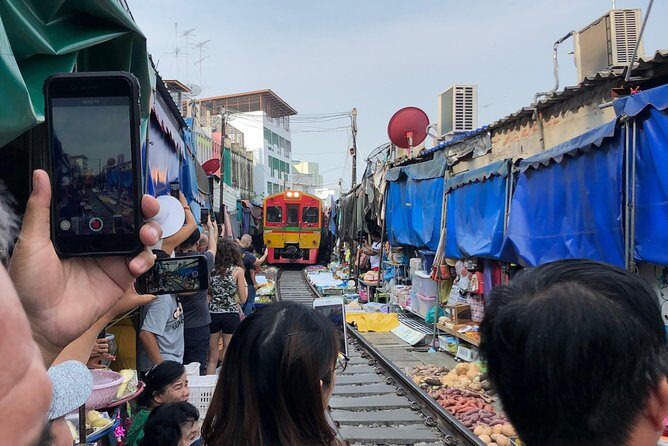
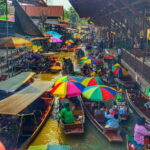
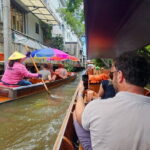
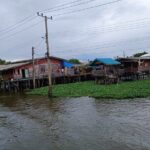
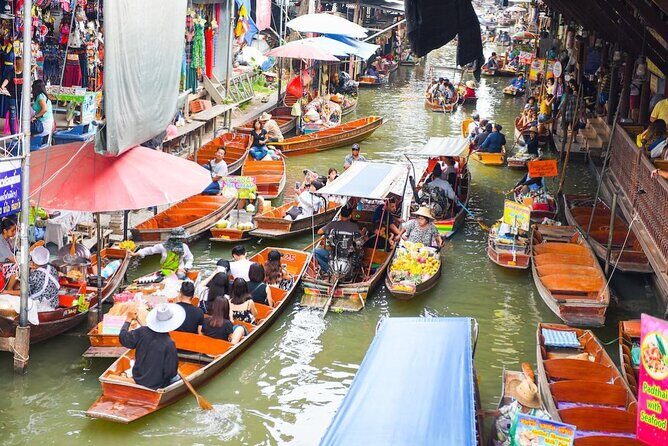
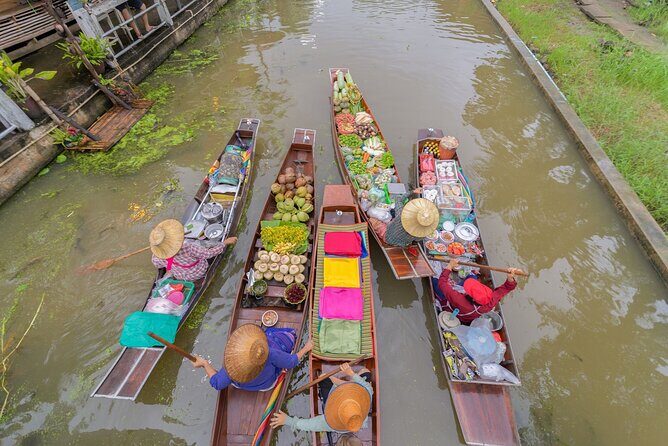
Stop 2 is Damnoen Saduak Floating Market for about 1 hour 30 minutes. The itinerary includes a boat segment, with private motor boat or paddle boat options listed as part of the experience.
After the train portion, you continue toward the floating market. There’s also time built in for photo opportunities, including a stop where you get what’s described as the best spot for memories with friends and family. Translation: don’t rush right away. There’s a rhythm to this part.
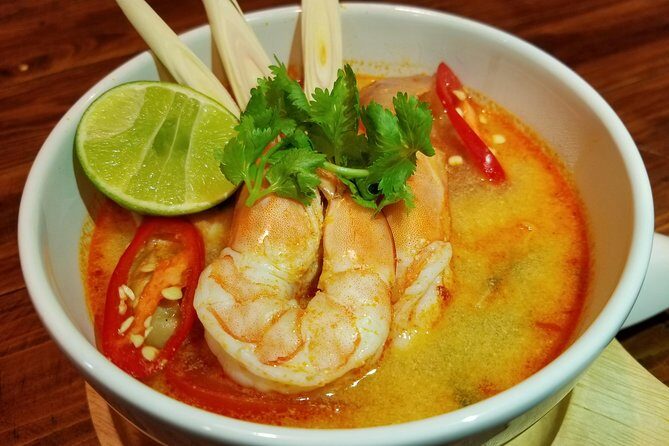
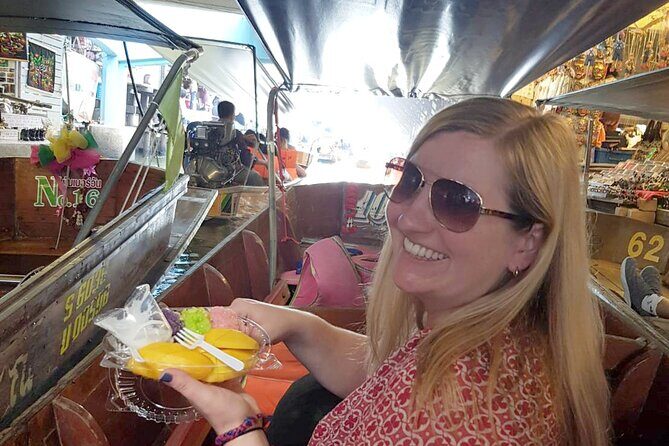
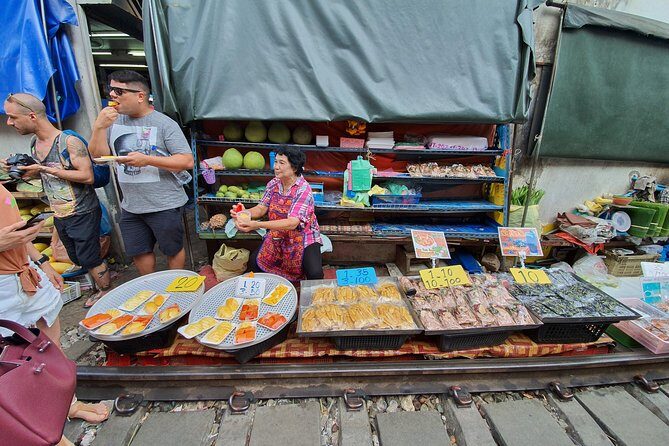
Once you’re on the water, the tour focuses on market life and food. You’ll have chances to try local foods and fruits, and the day includes snacks Thai dessert, fruit, and a snack at the market. This is one of those “you save time and money” inclusions—market food prices add up fast if you’re hungry and don’t know what’s good.
And yes, bartering is part of the fun here too. You’ll have an opportunity to practice talking prices, which is a big part of why markets are more interesting than just walking past displays. Use it to ask what the ingredients are, what’s in season, and what locals tend to buy rather than just aiming for the lowest price.
One practical drawback to keep in mind: Damnoen Saduak is also a tourism magnet. If you want a quiet, off-the-radar floating experience, this may not be that. Still, it’s one of the easiest places to connect with Thai market food culture in a single day.
You can also read our reviews of more tours and experiences in Bangkok

Quick coconut farm stop (if time allows): context behind the snacks
Stop 3 is short—about 30 minutes—and it’s only included if time permits. When it happens, it’s described as a charming local farm where you can see how coconuts are cultivated and turned into different products.
This kind of stop is small but useful. Markets show you what people eat today, but a farm stop helps explain where ingredients come from and why certain products matter locally. It’s also a good break from pure walking, especially after the floating market pace.
Even if you don’t land this stop, the structure still makes sense. You’re alternating between water-market and land-market energy, and the farm segment adds meaning beyond souvenirs and photos.
Guides matter: when culture talk turns the day into learning
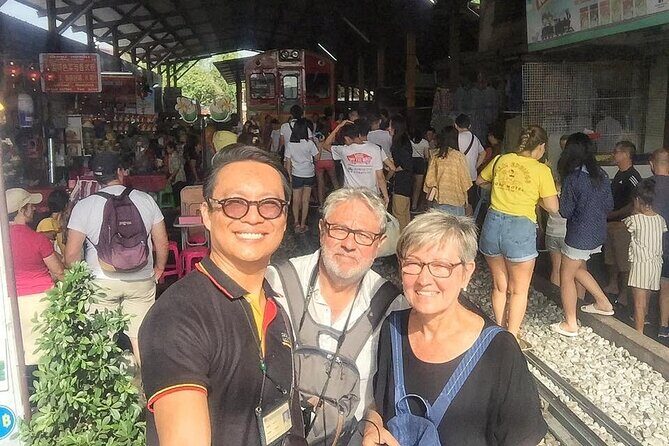
A tour lives or dies by the guide, and this one is strong on that front. Different guides show up in the record, but the common thread is that you’re not just dropped at entrances.
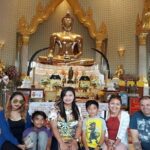
For example, Johnny is described as providing insightful explanations at both the train station market and the floating market, which helps you know what you’re seeing. Wes is highlighted for making the day fun while also helping you try local food in a way that feels guided, not random. Aom and Om are specifically praised for cultural insight work, including taking guests to a Buddhist temple and participating in a ritual by being given gold leaf.
That last detail is important. It turns the day from shopping-and-snacking into understanding—how markets connect with daily beliefs, local customs, and community spaces. Even if you’re not religious, you’ll usually learn something respectful and concrete.
What you’re paying for: value at about $86 per person
The price listed is $86.38 per person, and the value comes from the mix: transport, guide, admissions coverage, and food/snack inclusions.
Here’s why it adds up:
- You get a licensed English-speaking guide who supports both markets and the transfer time.
- You’re covered for all fees and taxes, plus insurance.
- You’re paying for convenience: hotel pick-up/drop-off city center for private tour is included (more on pickup below).
- You also get included food support: Thai dessert, fruit, and market snacks.
- The boat ride is handled as part of the transportation for the floating market portion.
If you tried to do this on your own, you’d likely spend time (and money) piecing together transport between rail market, floating market, and the timing in between. This itinerary saves decision fatigue, which is real value on a hot day.
Small-group touring: why it feels easier than DIY
This experience is designed for a smaller party. The tour summary calls out personalized attention, and that shows up in how the day flows: you get time to ask questions, ask for help trying foods, and actually hear explanations rather than just catching sight of a guide on the move.
It also helps at markets, where decisions pile up fast. With a guide, you can focus on a manageable number of tastes and stalls instead of getting overwhelmed by everything at once.
Also, this is listed as a private tour/activity, meaning only your group participates. That matters if you’re traveling as a family or with friends and want to stay together.
What to pack for a market day that includes boats and early starts
You’re in Bangkok, but the tour rhythm matters: an early market stop, then a floating market with boat time, plus snack consumption along the way.
Bring:
- Comfortable shoes with grip for market surfaces
- Light rain protection, just in case (boats and river areas can get damp)
- Sunscreen and a hat, because even with stops in a vehicle, you’ll spend time outside
- Cash for personal purchases and bartering practice if you want to do that (the tour includes snacks, but you may want extra items)
If you’re the type who likes photos, wear something that you don’t mind getting a little market dust on. The day is active, and you’ll likely move between vantage points.
Should you book this train-and-floating-market tour?
If you want one organized day that covers Mae Klong + Damnoen Saduak with a guide, included snacks, and transport lined up, this is a strong fit. It’s also a good call if you don’t want to manage train timing, van transfers, and a boat segment on your own.
I’d think twice if your only goal is a fully local, low-tourist floating market vibe. Damnoen Saduak can feel tourist-forward, and this itinerary is built for the big-name markets.
Best fit:
- Food lovers who want to taste and ask questions
- People who like markets but dislike messy logistics
- Travelers who prefer a guide-driven day with a small group
FAQ
How long is the tour?
It runs about 7 hours (approx.).
Where does the tour start and end?
It starts at สถานีรถไฟหัวลำโพง (Rong Muang), Pathum Wan, Bangkok and ends back at the same meeting point.
What does transportation look like during the day?
You’ll use a private air-conditioned vehicle between stops, and the itinerary includes a scenic train ride plus a motor boat or paddle boat for the floating market segment.
Is the boat ride included for the floating market?
Yes. Private motor boat or paddle boat transportation is listed as included.
What food and snacks are included?
The tour includes Thai dessert, fruit, and a snack at the market.
Is bartering part of the experience?
Yes. The highlights specifically mention trying your hand at bartering.
Do I get hotel pickup and drop-off?
For private tour, hotel pick-up/drop-off in the city center location is included. For share trips, hotel pick-up/drop-off is not included, and the meeting point is listed at Hua Lamphong.
Is there an extra stop for coconuts?
If time permits, you may visit a local farm to see how coconuts are cultivated and transformed into products.