REVIEW · BANGKOK
Bangkok: Evening Tour with Wat Arun, Wat Pho & Tuk Tuk Ride
Book on GetYourGuide →Operated by TripGuru Thailand · Bookable on GetYourGuide
Night lights change everything in Bangkok.
This evening tour hits the city at the exact moment many people start giving up on heat and crowds. You’ll see Wat Pho and Wat Arun when the atmosphere feels calmer, then end in Chinatown for street food time and that classic Yaowarat energy. It’s a simple plan with strong payback for your time.
I like two things most: first, the route mixes major temple sights with real street-level Bangkok, not just a checklist. Second, the small-group setup (limited to 9) makes the guide’s attention feel personal, and the photo stops tend to matter. The only real drawback is the temples’ dress code—you’ll want to cover up with a scarf/sarong or long layers to avoid problems at the entrances.
In This Review
- Key things to know before you go
- Why Bangkok’s Temples Look Better After Dark
- Getting Oriented at Tha Tian Pier and Maha Rat Road
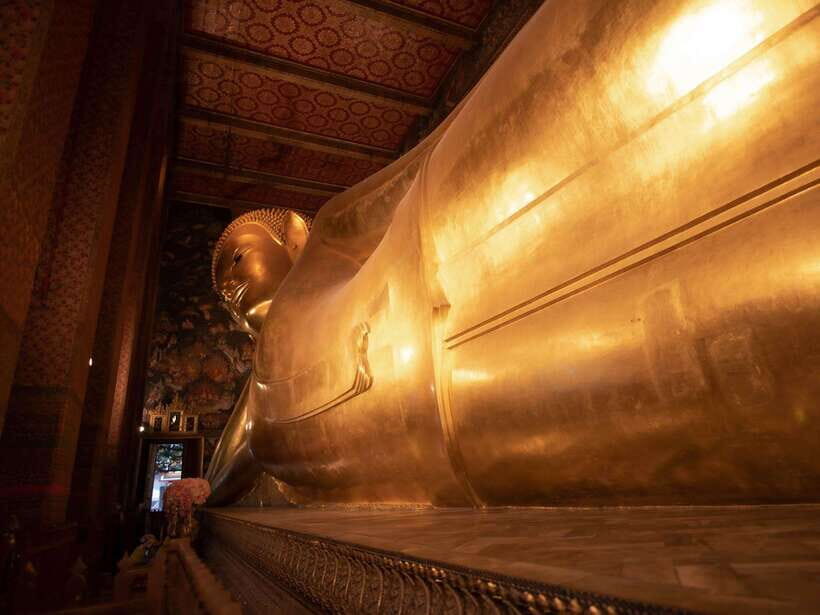
- Wat Pho: Reclining Buddha, Temple Etiquette, and Great Photo Angles
- Wat Arun by Ferry: The River View and the Temple’s Sparkly Detail
- Tuk-Tuk to Yaowarat: Street Food Time in Chinatown
- Small Group Size and Guides Who Actually Teach
- Price and Value: Why $41 Works Better Than It Looks
- What to Bring (and What to Cover) for a Smooth Evening
- Practical Timing: A 4-Hour Route That Doesn’t Feel Rushed
- Should You Book This Bangkok Evening Tour?
- FAQ
- Where is the meeting point?
- How long is the tour?
- What language is the live guide?
- Is hotel pickup included?
- What’s included in the ticket price?
- What should I wear to the temples?
Key things to know before you go
- Wat Pho before it gets chaotic: a guided look at the reclining Buddha and temple details at a better hour
- Ferry crossing to Wat Arun: you get a river view and a natural tempo shift
- Tuk-tuk transfer to Yaowarat: short ride, big Bangkok feel, then free time to roam
- Small group of up to 9: easier questions, easier pacing, and more space for photos
- Temples + etiquette, not just sightseeing: guides often explain how people worship and what to look for
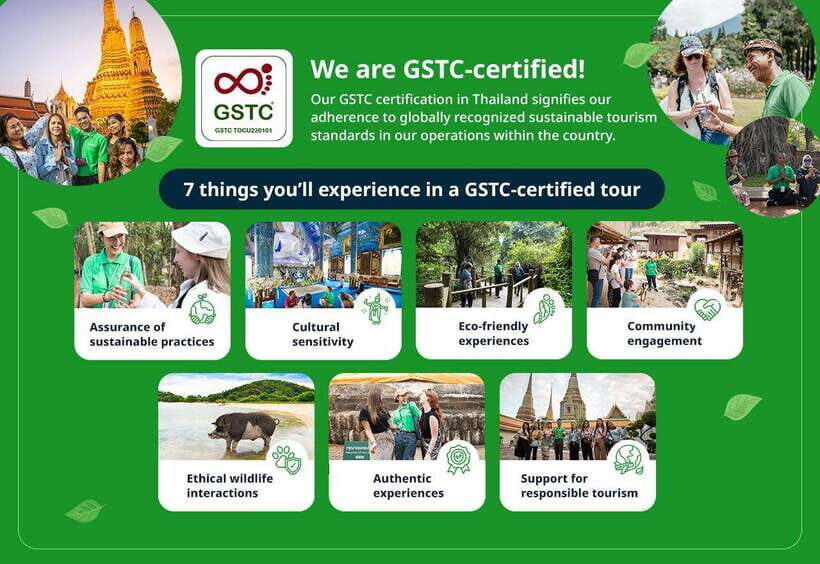
- Low-impact travel choices: glass-bottle water and carbon offset credits, GSTC-certified
Why Bangkok’s Temples Look Better After Dark
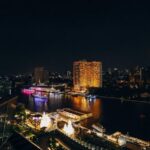
Bangkok by day can be sweaty, loud, and crowded. After dark, the same neighborhoods feel easier to navigate and way nicer to photograph. This tour is built around that timing sweet spot: you get temples with breathing room, then you finish in Chinatown when the streets turn into a night market.
You’re also doing the sensible thing: swapping midday heat for evening air. That alone can turn a “see the sights” day into a “slow down and enjoy it” evening. And because the group is small, you aren’t spending the whole time herded along.
You can also read our reviews of more evening experiences in Bangkok
Getting Oriented at Tha Tian Pier and Maha Rat Road
You meet your guide at Tha Tian Pier (ท่าเรือท่าเตียน) before 4:30 pm. That matters because you’re not starting from a random hotel pickup. It’s straightforward, and it helps you get moving while the city is still transitioning into night mode.
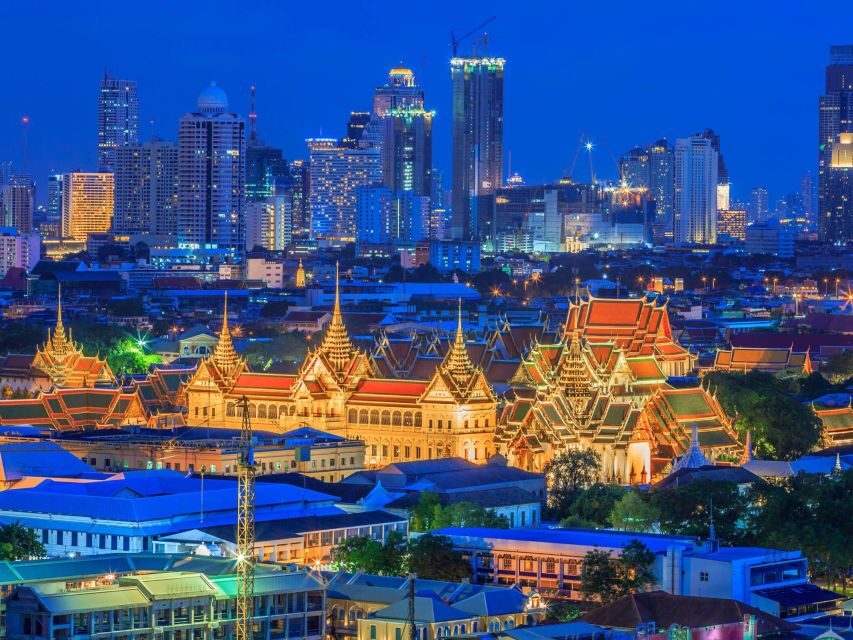
Before the temples, you’ll take a leisurely stroll along Maha Rat Road and get context for the area around Rattanakosin Island. Even if you only see the Grand Palace from the outside, the lead-in is useful. It helps you understand what you’re looking at before you step into Wat Pho.
A practical note: your guide will be holding a TripGuru sign. Show up about 10 minutes early so you’re not scrambling when the meeting point gets busy.
Wat Pho: Reclining Buddha, Temple Etiquette, and Great Photo Angles
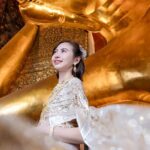
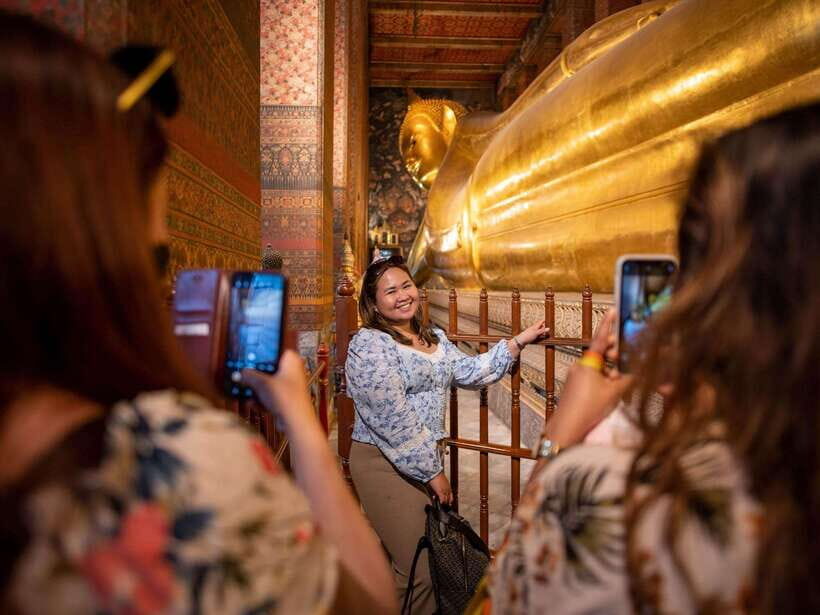
Wat Pho is one of Bangkok’s most famous temples for a reason. The big moment is the reclining Buddha, and the guided visit helps you slow down long enough to notice more than the headline statue. You’ll also get a quieter sense of the place compared with the street noise outside.
This is also where temple manners come into play. One thing I value about this kind of guided temple stop is the explanation of what people actually do when they worship—where they stand, how they move, and what small details mean. In past groups on this tour, guides like Fern have even shared hands-on temple practices such as lighting incense and placing it properly, plus little cultural instructions that make the visit feel respectful, not rushed.
Photo-wise, you’re not just walking around hoping for luck. Many guides on this route are good at spotting angles and timing, and you’ll get time to look and shoot without feeling like you’re sprinting. If you care about photos (or you’re a solo traveler worried about getting them), this part is usually the confidence booster.
Dress code reality check: some areas enforce strict rules about shoulders, knees, and other covered parts. Bring a scarf/sarong/sweater and plan to cover up on arrival. You’ll thank yourself later.
Wat Arun by Ferry: The River View and the Temple’s Sparkly Detail
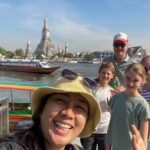
After Wat Pho, you board a ferry to cross the river toward Wat Arun. That ferry ride is more than transportation. It gives you a pause and a different perspective on the city—Bangkok looks like a river town here, not just a traffic jam.
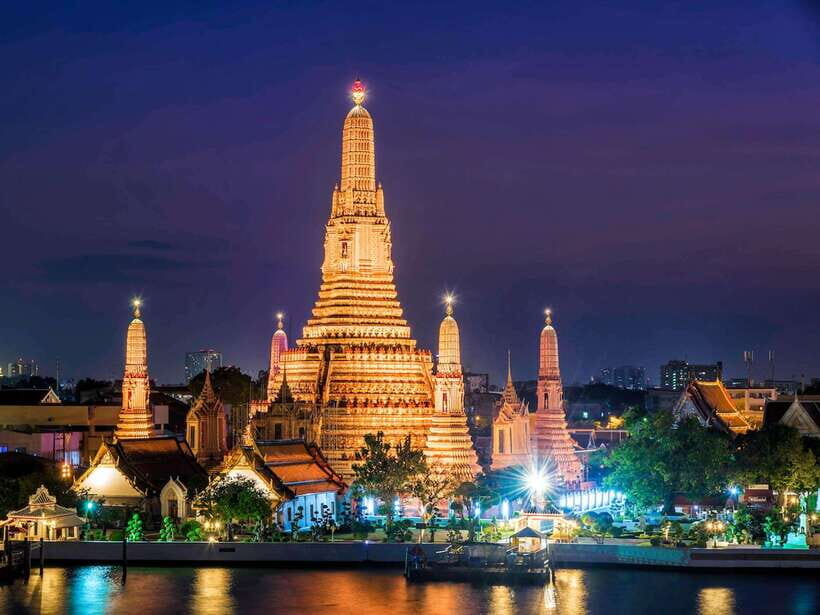
At Wat Arun, the experience shifts from big and serene to intricate and visually striking. This riverside temple is known for its decorative surfaces, including porcelain and seashell mosaics, and your guided visit helps you look at the temple as craftsmanship, not just stone.
Timing plays a role too. Several past tours describe the timing as well chosen, with Wat Arun as the evening moves toward lights and sunset. If your photos matter, this is a good moment to slow down and wait for the best light on the temple surfaces.
One more thing: Wat Arun is the kind of place where it’s easy to forget your legs are doing the work. Wear comfortable shoes and expect some walking on uneven temple pathways.
Tuk-Tuk to Yaowarat: Street Food Time in Chinatown
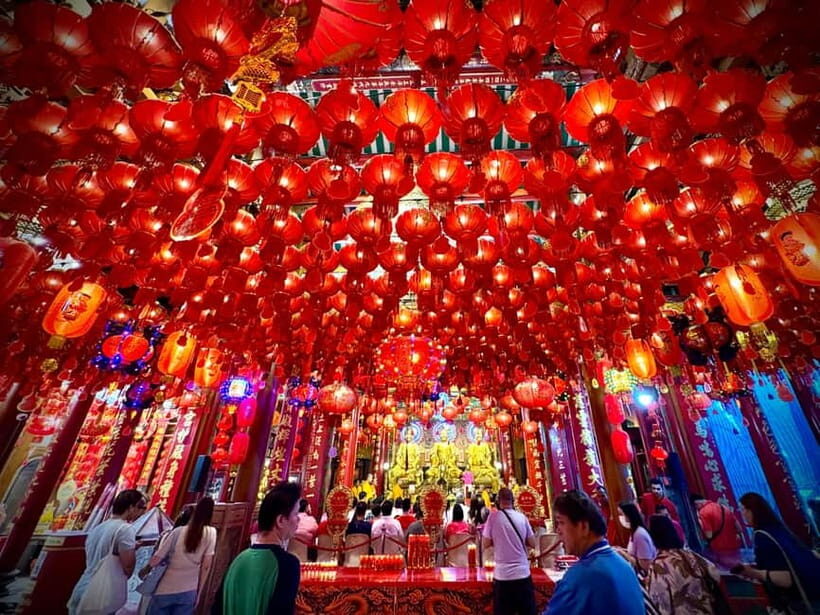
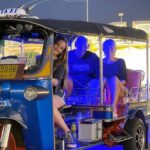
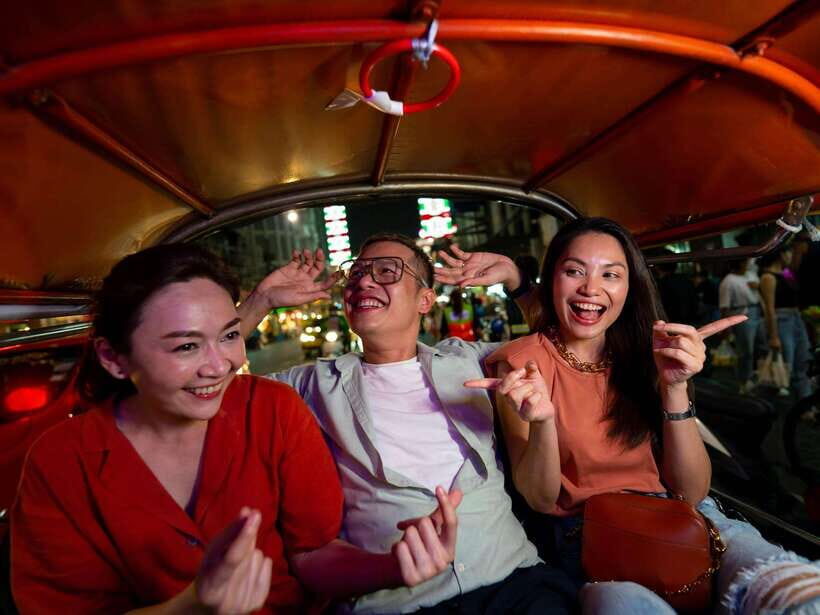
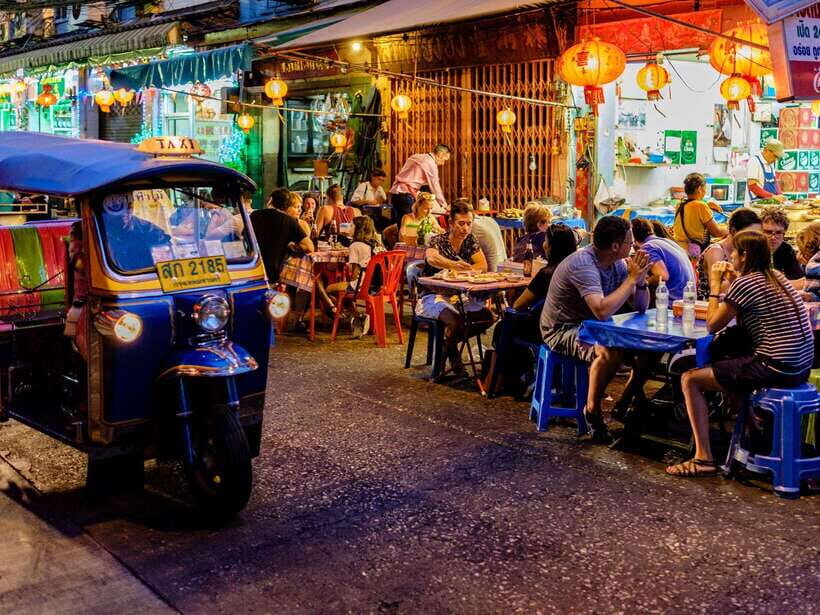
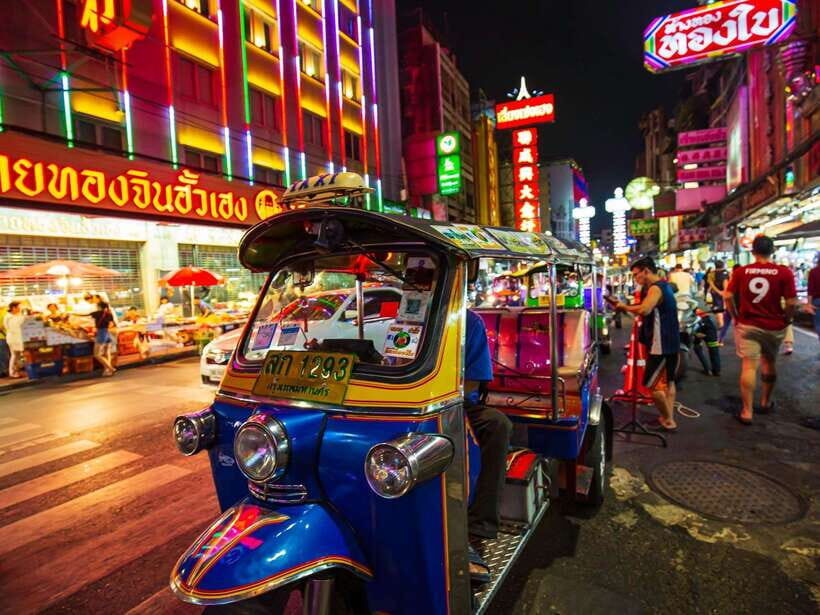
Then comes the fun part: a 30-minute tuk-tuk ride to Chinatown. It’s a short thrill, but it also changes the energy fast. You go from temple calm to street motion, and the city hits you with food smells, neon signs, and constant movement.
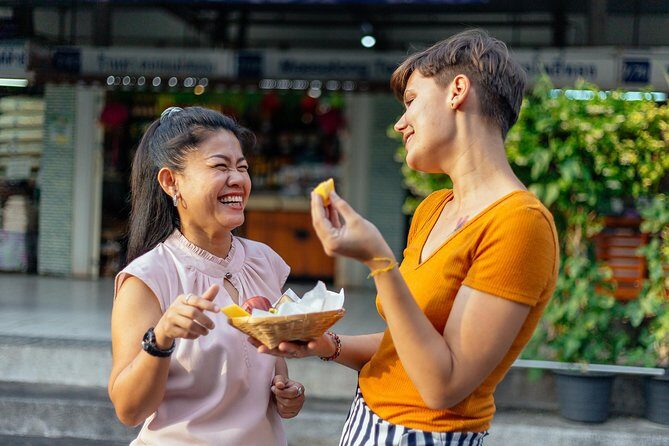
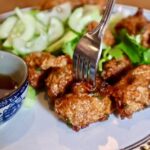
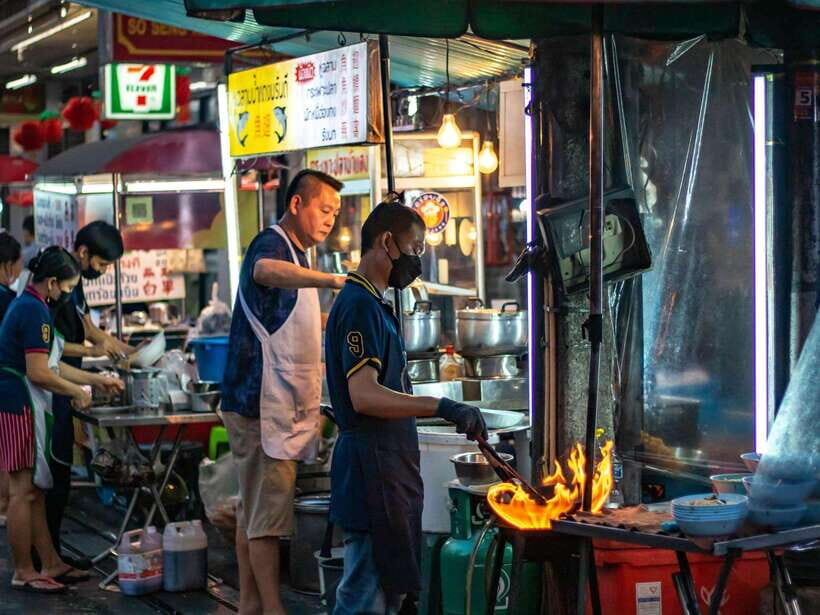
Your walk ends at Yaowarat Road in Chinatown, where you’ll have street food and free time. This is where the tour becomes flexible: you can pick what looks good, skip what doesn’t, and linger where the crowds feel friendly. You’ll want cash, since many street stalls and quick bites are cash-first.
If you like knowing what you’re eating, lean into your guide’s recommendations. In the past, guides have pointed people toward food vendors they wouldn’t find alone, and you’ll usually get practical advice on where to stand, what to try first, and how to keep the line moving.
Also, Chinatown is not a place for fragile patience. If you’re trying to see everything, you’ll miss what makes it worth it. Aim to try a few things, walk a few blocks without a mission, and let the night air do the rest.


Small Group Size and Guides Who Actually Teach
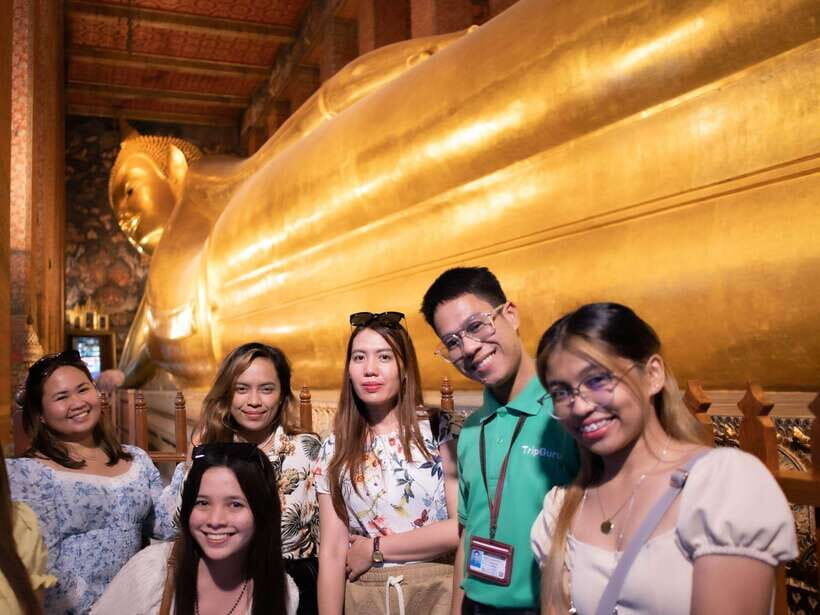
A small group (limited to 9 participants) changes the whole vibe. You’re not competing with 30 other people to ask one question about a temple symbol or how to behave in a worship space. You get a calmer pace and more chances to clarify what you see.
The guide quality is a big reason this tour earns high marks. Names that come up repeatedly include Sun, Jack, Bonnie, Nancy, Kit, Fern, and Jacky. Many of these guides are praised for being patient, answering questions clearly, and handling the group in a way that feels organized without killing the fun. Some guides even go further—helping solo travelers with photo spots, adjusting pacing for late arrivals, or offering extra cultural context.
Here’s a practical takeaway: if you enjoy travel where you learn how locals do things (not just what to see), this kind of guided temple-and-street combo tends to click.
Price and Value: Why $41 Works Better Than It Looks
$41 per person for a 4-hour evening tour might sound like a “cheap” label, but the value comes from what’s included. You’re paying for a live guide plus major entry costs: Wat Pho ticket (THB 300) and Wat Arun ticket (THB 200). You also get ferry tickets and a one-way tuk-tuk ride from Wat Pho to Yaowarat.
When you compare that to the time you’d spend arranging transport, paying separate tickets, and trying to coordinate the route yourself, this starts to make sense fast. You’re essentially buying guided logistics plus access, in a tight evening window where it’s easy to waste time.
On top of that, the tour includes carbon emissions offset credits and positions itself as GSTC-certified. It also mentions water in glass bottles and carbon offsetting for every tour. Is it perfect? No travel plan ever is. But it’s a real attempt to reduce the most common “invisible impact” items—single-use waste and emissions.
What to Bring (and What to Cover) for a Smooth Evening
Your packing list is short but important:
- Camera
- Insect repellent
- Cash
- Water
- Long pants and a long-sleeved shirt (or layers)
- Comfortable shoes
The dress code is the one you can’t ignore. Clothes that reveal shoulders, underarms, back, or knees aren’t allowed in some sites, and enforcement can be strict. Bring a sarong/scarf/sweater so you can cover quickly when you arrive at the temples.
A simple strategy: wear long layers from the start, then keep a light cover in your bag. Bangkok evenings can still be warm, and you’ll move between ferry, walking areas, and temple interiors.
If you’re sensitive to bugs, don’t skip repellent. Night streets and river areas can mean more mosquitoes than you expect.
Practical Timing: A 4-Hour Route That Doesn’t Feel Rushed
This is a 4-hour tour, so pacing matters. It works best if you treat it as an evening plan, not a second full day of sightseeing. The route gives you a guided structure, then leaves space for Chinatown wandering.
You’ll start at Tha Tian Pier before 4:30 pm, then move through Wat Pho and Wat Arun, and finish in Chinatown. That sequence is smart because Wat Pho and Wat Arun are the “structured” parts, while Chinatown is the “choose your own bites” part.
If you’re the type who likes to linger at temples, you’ll appreciate the guided flow that still leaves time for photos. Past groups often describe the timing as right for temple viewing, with fewer crowds and cooler temperatures than daytime options.
Should You Book This Bangkok Evening Tour?
Book it if you want:
- Wat Pho and Wat Arun without fighting midday crowds
- a guided plan that makes temple visits easier and more meaningful
- a tuk-tuk ride plus Chinatown street food time
- a small group and a guide who explains what you’re seeing
Skip it (or at least rethink) if:
- you don’t want to deal with strict dress rules
- you hate walking and standing in busy street areas
- you’re expecting a long, slow meal tour rather than a 4-hour “see + taste + roam” evening
If you’re on a first trip to Bangkok and you want your evening to feel like Bangkok—not just a temple stop—this is a strong pick. It’s good value, it’s well paced, and the temple-to-chinatown rhythm is exactly the kind of contrast that makes Bangkok memorable.
FAQ
Where is the meeting point?
Meet your guide at Tha Tian Pier (ท่าเรือท่าเตียน) before 4:30 pm. Your guide will be holding a TripGuru sign.
How long is the tour?
The tour duration is 4 hours.
What language is the live guide?
The live tour guide is available in Spanish and English.
Is hotel pickup included?
No. The tour does not include hotel pickup and drop-off.
What’s included in the ticket price?
The tour includes the tour guide, Wat Pho and Wat Arun entry tickets, ferry tickets, a one-way tuk-tuk ride (from Wat Pho to Yaowarat), and carbon emissions offset credits.
What should I wear to the temples?
You need to follow a strict dress code in some sites. Clothes that reveal shoulders, underarms, back, or knees are not allowed. Bring a sarong/scarf/sweater to cover up, and wear long pants and a long-sleeved shirt if possible.