REVIEW · BANGKOK
3-Day River Kwai Experience
Book on Viator →Operated by Tour East Thailand · Bookable on Viator
Two nights by the River Kwai go fast. This 3-day trip out of Bangkok is interesting because it combines the River Kwai area with two major World War II stops, run with a friendly professional guide and simple free hotel pickup. I like how the included meals and entry fees keep the day from turning into a scavenger hunt, and I also like the pacing that hits the key places without dragging. The one drawback to consider is the start is early, and the subject matter is heavy.
I also like that you’re not stuck planning transport. You get round-trip transport from Bangkok hotels, a mobile ticket, and a small cap of 15 people, so you can ask questions without feeling swallowed by a crowd. The 2 nights at River Kwai Resotel help you slow down for real, not just sprint from stop to stop.
One last practical note: transfer times are approximate, and the Kanchanaburi to Bangkok ride can take longer depending on traffic. Build a little patience into your day 3 timing, and you’ll enjoy it more.
In This Review
- Key things to know before you go
- River Kwai 3 days: price and what you’re really buying
- Getting out of Bangkok: the 7:00 am start and transfer reality
- Day 1 along the River Kwai: arriving in Kanchanaburi and settling in
- Day 2 Hellfire Pass: the road-and-long-tail boat rhythm
- Day 3 Death Railway Museum and Research Centre plus the train ride
- The guide: why it matters on serious tours
- Hotel value: 2 nights at River Kwai Resotel
- Who this 3-day River Kwai trip fits best
- Should you book the River Kwai 3-Day Experience?
- FAQ
- How long is the River Kwai 3-Day Experience?
- What time does the tour start?
- Do they pick you up from Bangkok hotels?
- What’s included in the price?
- Do I need to pay entrance fees for the stops?
- Where does the tour visit on the days?
- What is the group size?
- Is there a minimum age?
- How do child rates work?
- What is the cancellation and refund policy?
Key things to know before you go
- Small group (max 15): You’ll travel with a tighter group and have easier access to your guide.
- All entrance fees included: The stops are priced with entry handled, so you pay less on the ground.
- Free Bangkok hotel pickup/drop-off: No awkward taxi negotiation required.
- Two nights at River Kwai Resotel: Lodging is part of the package, not an add-on.
- Early start at 7:00 am: Plan for a full morning right away.
- Minimum 2 travelers: Singles may be adjusted or canceled if the minimum isn’t met that day.
River Kwai 3 days: price and what you’re really buying
At $410.48 per person for about 3 days, you’re paying for more than transportation. The value comes from the bundle: round-trip Bangkok hotel transfers, 2 nights at River Kwai Resotel, entrance fees, and meals per itinerary are included. That matters in Thailand because “cheap” day tours can turn expensive once you add entry tickets, extra food stops, and multiple local transfers.
You’re also paying for the structure. This is the kind of trip where timing and sequencing make a difference. With a guide handling the flow, you get to spend your energy where it counts: understanding what you’re seeing at River Kwai, Hellfire Pass, and the Death Railway sites, instead of trying to figure out routes and tickets on your own.
The other hidden value is mental load. When you don’t have to plan logistics, you can stay present. This tour asks you to take in sites tied to suffering and war, so it helps if the travel pieces feel smooth.
You can also read our reviews of more tours and experiences in Bangkok
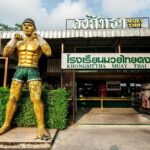
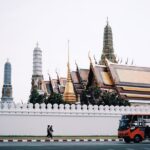

Getting out of Bangkok: the 7:00 am start and transfer reality
The day begins at 7:00 am. That’s not late. On tours like this, the early start is what buys you time to see the sites and still sleep in a real bed rather than in transit.
Pickup is offered, and the tour includes free hotel pickup and drop-off. That’s a big help if you’re staying somewhere busy or far from transit links. It also reduces the chance of losing time to meet-up confusion.
Now, the one thing to keep in mind is that transfers are approximate. Traffic can be unpredictable, and the Kanchanaburi to Bangkok transfer in particular can run longer. I’d treat day 3 as a “flex day,” not a “meet someone for dinner at a fixed hour” day.
If you like tight itineraries and clear pacing, this works. If you hate mornings and you want zero schedule stress, you’ll probably feel it on day 1.
Day 1 along the River Kwai: arriving in Kanchanaburi and settling in

Day 1 centers on River Kwai in Kanchanaburi province. You’ll travel from Bangkok, with the stop itself timed at about 1 hour and entry handled.
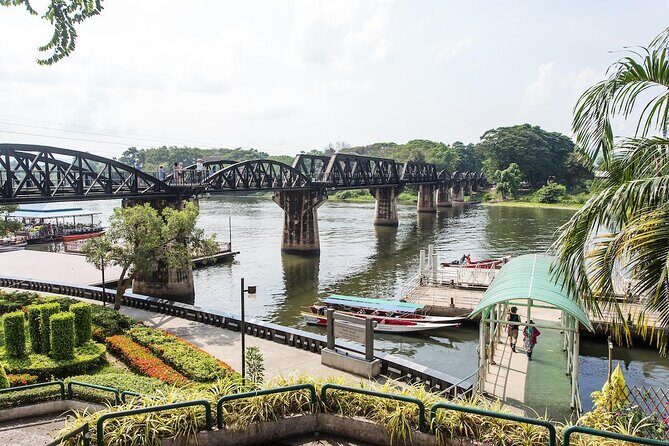
Even with just an hour, this stop is useful because it puts you on the right emotional and geographic track. The River Kwai area isn’t just a scenic postcard. It’s where the story becomes physical—water, rail lines, the reality of distance. A guided introduction early in the trip helps you connect the dots when you reach the heavier sites later.
Then you shift into the real travel benefit: lodging. You get 2 nights at River Kwai Resotel, which means day 1 isn’t a sleep-less shuffle. After a morning transfer, having the night secured means you can focus on resting, eating what’s included, and getting ready for a day 2 that’s more intense.
Practical tip: keep your day 1 evening low-key. You’re building toward Hellfire Pass, and your body will thank you if you don’t schedule extra chaos right after arrival.
Day 2 Hellfire Pass: the road-and-long-tail boat rhythm
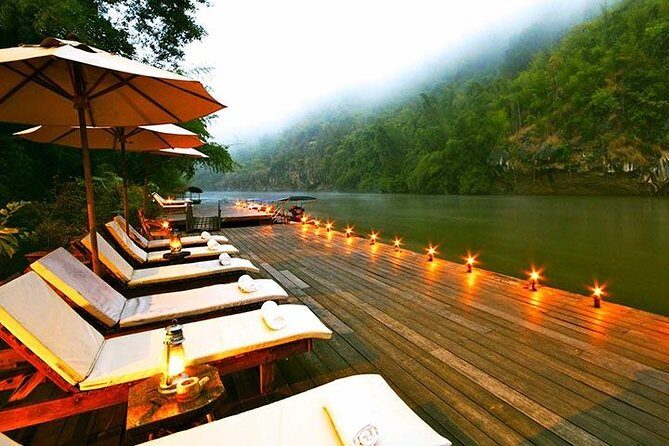
Day 2 is built around Hellfire Pass, tied to Allied POW labor and the harsh conditions of construction. The trip takes you there via a mix of road and a long-tail boat.
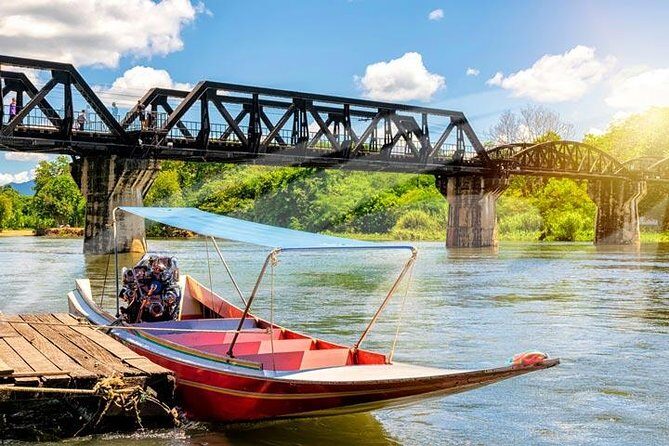
That transport detail matters more than it sounds. The boat-and-road approach gives you a different pace and a change of scenery, and it’s also a reminder that this region’s transport routes shape how people move and how stories spread. You’re not just looking at a point on a map; you’re moving through the environment that made logistics difficult during the period you’re learning about.
The Hellfire Pass stop is about 45 minutes, and admission is included. For a site this emotionally charged, the guided timeframe is about right: long enough to understand what you’re seeing, not so long that the whole experience becomes numb. If you want to fully process, plan to take your time with the guide’s explanations and then do a slow re-walk afterward if the group allows it.
The drawback on day 2 is also obvious: the site is difficult in theme. If you’re the kind of person who gets overwhelmed by wartime suffering, you’ll still be okay because the tour runs with a professional guide, but you should be ready for the topic to hit hard. Bringing water and wearing comfortable shoes helps you stay steady.
I also like that the day isn’t only about one stop. You get a real transfer experience to reach it, rather than a quick drive-and-drop that can feel detached.
Day 3 Death Railway Museum and Research Centre plus the train ride
Day 3 wraps with Death Railway Museum and Research Centre and then a ride connected to the Death Railway Train experience.
The museum portion is about 1 hour, with entry included. This stop gives context. When you’ve already visited River Kwai and Hellfire Pass, the museum helps you understand the larger machine: how the railway was built, why it mattered, and why the story still gets told. It also helps your brain shift from “this happened somewhere” to “this happened for reasons,” which makes the overall trip more meaningful.
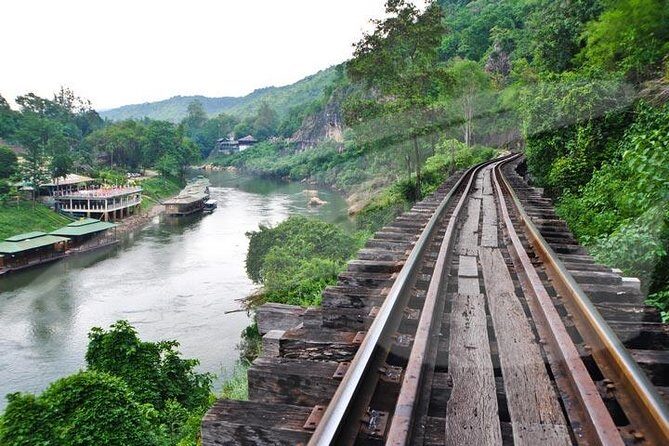
The big-ticket moment on day 3 is the train ride. You’ll take a historic ride on the Death Railway Train and pass over original wooden viaducts. That’s the kind of detail you can feel—because you’re not just learning, you’re witnessing a physical structure that connects back to the past. The visual effect is often stronger when you’ve just come from Hellfire Pass and the museum, so the sequence is doing real work here.
Important value note: entrance and the ride are handled in the package, and you’re not left paying extra on the spot. That’s one reason this tour can feel like a solid deal even if you compare it to budget day trips.
This day can feel lighter than day 2 even though it’s still serious. The ride adds movement and a sense of distance that museums alone can’t deliver.




The guide: why it matters on serious tours
A guide can make or break a tour like this, and this one is consistently described as informative, friendly, and professional.
On sites tied to war and forced labor, you don’t just need facts—you need clear interpretation. A good guide keeps the story grounded and avoids leaving you with confusing fragments. You also feel safer asking questions. With a group capped at 15 travelers, you’re less likely to get rushed.
I like tours where the guide helps you understand what you’re looking at before you wander off. That’s especially important here because small features can carry big meaning. If you’re the type who likes to take notes, this is a trip where writing down a few details as you go pays off later.
One small consideration: the trip is organized with a schedule, so you might not have hours for every stop. That’s normal. Still, you’ll get more from it if you’re engaged right away and not trying to multitask your attention.
Hotel value: 2 nights at River Kwai Resotel
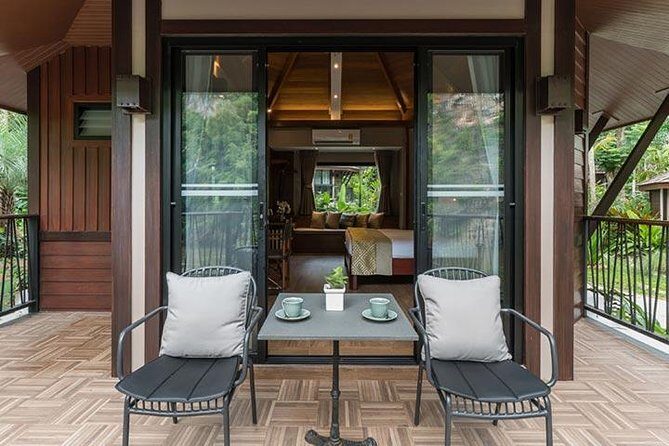
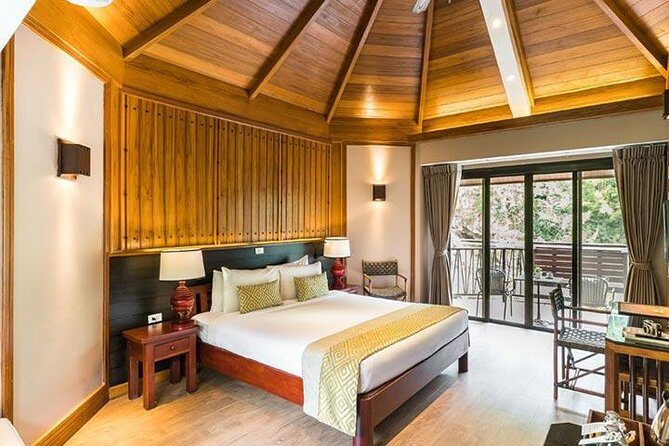
The hotel component is more than a checkbox here. You’re getting 2 nights included, which means your time isn’t spent hunting for lodging or relocating. That’s a value win, and it also improves the experience because you can recover.
The River Kwai Resotel stay is often highlighted as a strong part of the trip, and I get why. After a day involving a long transfer and a visit like Hellfire Pass, you want a room that feels like a place you can actually rest.
What I’d do: pack for comfort and keep things simple. This isn’t a city hotel with five daily outfit changes. Think breathable clothes for the day, and something comfortable for evenings.
If you’re sensitive to travel time, the included hotel plus built-in transport is exactly the style of trip that helps you conserve energy.
Who this 3-day River Kwai trip fits best

This works especially well if you want:
- A guided package that covers major River Kwai and Death Railway sites
- A manageable pace for about 3 days
- Hotel + transport + entry fees bundled, so you don’t calculate costs mid-trip
- A small group setting with room to ask questions
It may not be your best match if:
- You hate early mornings (the tour starts at 7:00 am)
- You need a totally light, feel-good sightseeing trip. This is serious territory.
- You absolutely can’t handle schedule variation due to traffic, especially on day 3.
As for fitness, the info says most travelers can participate, and the minimum age is 3 years. Still, you should assume there will be walking and museum-style touring at each stop.
Should you book the River Kwai 3-Day Experience?
Book it if you want a smart, guided route that hits River Kwai, Hellfire Pass, and the Death Railway sites without you doing the planning heavy lifting. The price is easier to justify because entrance fees, meals, and transport are included, and the 2-night hotel stay prevents the common “tour exhaustion” that comes from too much shuffling.
Hold off if early starts drain you or if you’re not ready for wartime subject matter. In that case, you might still learn a lot, but you won’t enjoy it as much.
If you decide to go, go with a flexible mindset about timing and bring comfortable shoes. This tour gives you the right mix of guided context and real places, and that’s what makes it land.
FAQ
How long is the River Kwai 3-Day Experience?
It runs for approximately 3 days.
What time does the tour start?
The start time is 7:00 am.
Do they pick you up from Bangkok hotels?
Yes. Hotel pickup and drop-off are included.
What’s included in the price?
The price includes round-trip transport from Bangkok hotels, 2 nights at River Kwai Resotel, entrance fees, and meals per itinerary.
Do I need to pay entrance fees for the stops?
No. All entrance fees are included, and admissions listed for the stops are free.
Where does the tour visit on the days?
You’ll visit River Kwai (Kanchanaburi), Hellfire Pass, and the Death Railway Museum and Research Centre, plus a Death Railway Train ride over original wooden viaducts.
What is the group size?
The tour has a maximum of 15 travelers.
Is there a minimum age?
The minimum age is 3 years.
How do child rates work?
Child rates apply for children age 3 to 12 if occupying the parents’ room. If a bed is required, the adult rate applies.
What is the cancellation and refund policy?
It is non-refundable and cannot be changed for any reason. If canceled due to the minimum traveler requirement not being met, you’ll be offered a different date/experience or a full refund.