REVIEW · BANGKOK
Angkor Wat 3-Day Tour from Bangkok
Book on Viator →Operated by Angkor Partner Travel &Tours - APTT · Bookable on Viator
Angkor Wat is worth the paperwork. This private 3-day / two-night run from Bangkok to Siem Reap mixes big-temple icons with an easy first look at Cambodia’s life on the water. I like that you get a licensed local guide and guided temple route, not just a drive-and-drop plan. I also like the comfort angle: pickup, AC vehicle, hotel with breakfast, and temple tickets handled for you.
One thing to factor in: the long overland journey and border crossing at Poipet can be slow and stressful, especially around holidays or if your documents aren’t ready.
In This Review
- Key things to know before you go
- Bangkok to Siem Reap in three days: the value of not rushing
- The ride setup: pickup, AC comfort, and why timing feels long
- Poipet border crossing: smooth when prepared, chaotic when not
- Day 1 in Siem Reap: Tonle Sap floating village by boat
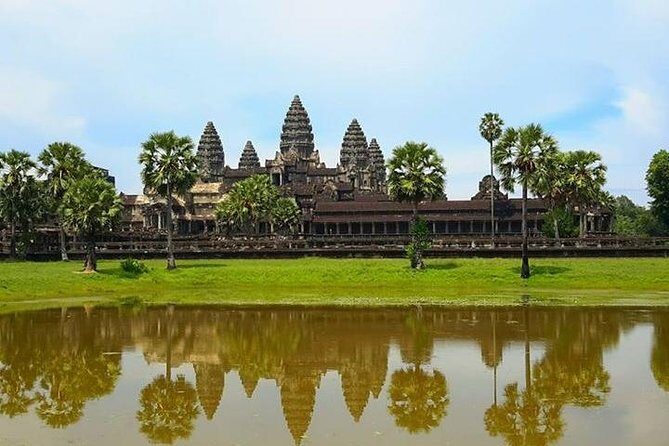
- Day 2 at Angkor: Angkor Wat, Bayon, Ta Prohm, Preah Khan
- Angkor Wat: the scale hits first, then the meaning
- Angkor Thom South Gate: a dramatic entry into Khmer power
- Bayon Temple: the faces and what they try to say
- Preah Khan: a different temple mood
- Ta Prohm: trees, ruins, and the drama of time
- Day 1 evening in Siem Reap: Pub Street time without overplanning
- Hotel reality check: 4-star comfort with breakfast and AC recovery time
- Guides and English: when it flows, it’s excellent; when it doesn’t, it’s harder
- Price and value at $490: what you’re paying for, and what you still manage
- Who this tour suits best
- Should you book this Angkor Wat 3-Day Trip from Bangkok?
- FAQ
- Does the tour include pickup from my hotel in Bangkok?
- Is my Cambodia visa included?
- What’s included besides the guide and temples?
- What sites does the tour cover?
- Are meals included?
- Are there dress rules for temple visits?
Key things to know before you go
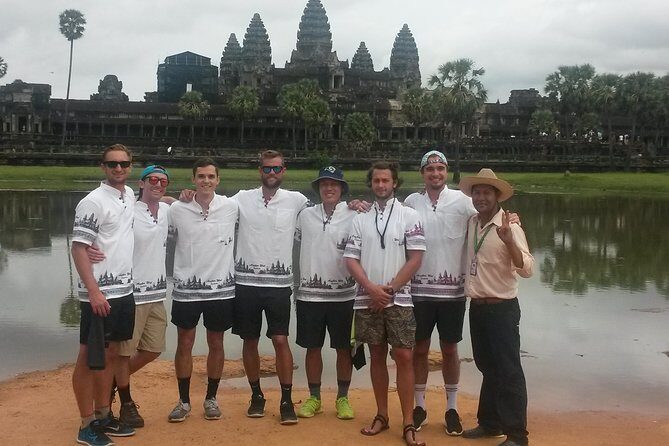
- Private, small-group feel: It’s private for your party, with a maximum of 15 people.
- Hotel + breakfast included: Two nights in a 4-star place, so you’re not living out of a suitcase.
- Temples ticket covered: Angkor admission is included in the price, so you focus on the ruins.
- Tonle Sap floating village by private boat: Day 1 includes a boat ride and the floating settlement.
- Short dress rule at temples: Plan for covered legs and shoulders to avoid getting turned away.
- Border time matters: E-visa helps, but queues can still happen, and you should expect delays.
Bangkok to Siem Reap in three days: the value of not rushing
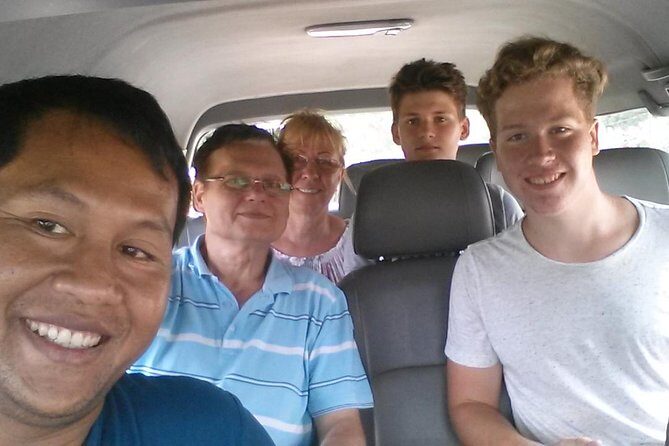
This tour is built for people who want Angkor Wat without the headache of coordinating transport, ticketing, and guide logistics on their own. The pace is ambitious, but the structure helps. You start early, you overnight in Siem Reap (so you’re not doing back-to-back long days), and you have a full temple day where the walking route makes sense.
The best value here is that you’re not just paying for sightseeing. You’re paying for planning across borders, long drives, and heat management. More than one guide name pops up in past trips, including Mr T and Lucky, Mr Sothy, Bun, Sawa, Johnny, and Nueng Bunrongneng. When a guide has a strong handle on stories in the carvings and the meaning behind the layouts, Angkor becomes far more than photo stops.
You can also read our reviews of more tours and experiences in Bangkok
The ride setup: pickup, AC comfort, and why timing feels long
You’re picked up from your Bangkok hotel (and also from Pattaya or Koh Chang), usually around 6:30am, then you head toward the Poipet border. Driving time gets described as roughly 5 to 6 hours, sometimes longer depending on traffic and what’s happening at the border.
Here’s what you should actually plan for: you’ll feel the day starts very early, and the travel day can feel long even with an air-conditioned private vehicle. One of the most repeated wins in feedback is that when it’s time to move, the car is ready and cool, which matters in Cambodia-bound heat.
Practical tip: treat the first day like a travel day, not a sightseeing day. The floating village is later in the afternoon, so you’ll want to drink water early and avoid scheduling anything extra on your Bangkok end.
Poipet border crossing: smooth when prepared, chaotic when not
This is the make-or-break moment. The tour runs you to the Poi Pet Border / Entry Cambodia area. Visa is not included, and the itinerary notes that you’ll handle Cambodia entry via e-visa or visa on arrival. Several document details are given, and they’re worth following closely:
- If you use the Cambodian e-visa, print two copies.
- You may also be able to do visa on arrival at Poipet. Bring an ordinal photo (the tour notes you should bring 1 photo).
- The tour also flags that some nationalities need special handling (like re-entry or multi-visa planning if you’re returning via the border). If that applies to you, check early.
Where people get stressed is not immigration itself—it’s confusion about who leads and where you need to go. In past experiences, some parties reported getting assistance quickly, while others described being dropped near the border area without clear direction, walking in the heat with luggage, and waiting in lines on the Thailand side when it’s busy.
How to protect yourself:
- Arrive at the border day ready to wait. Queue time can spike around holidays (for example, Chinese New Year and Thai holiday periods show up in feedback).
- Keep your documents in one easy-to-reach spot.
- If you’re traveling with more than one person, designate one person to manage the paperwork while the others handle coats/bags/phone charging.
Also note: even though the tour is described as private, border walking can still involve movement near other groups. That doesn’t mean it’s unsafe, but it does mean you should expect the choreography to be your job only for a short stretch.
Day 1 in Siem Reap: Tonle Sap floating village by boat
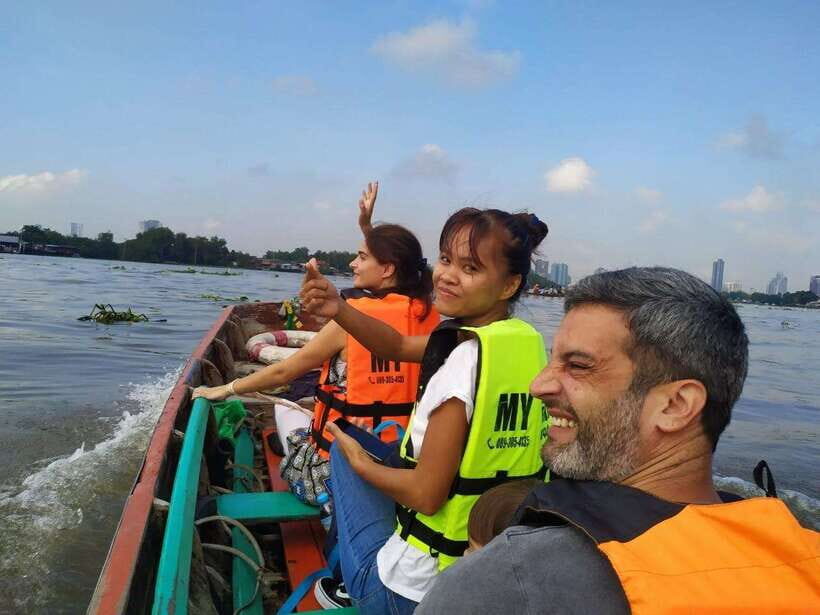
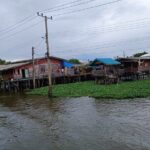
After the border and the drive into Siem Reap, you get an afternoon plan: Tonle Sap Lake and the Chong Kneas floating village. The ride is by boat, and the timing is late afternoon, which is a smart choice. You get cooler air than midday, and the village feels more alive when the light changes.
This stop is valuable because it gives you contrast. Angkor’s stone grandeur can feel unreal the whole day after you cross into Cambodia. Tonle Sap brings you back to everyday life: homes built around water, movement, and a different kind of architecture story than carved temple walls.
What to expect:
- It’s an excursion tone, not a museum tone.
- You’ll likely spend time on the boat and walking or viewing from the right vantage points (the tour states private boat and village viewing).
Bring: water, sun protection, and something light for your arms and shoulders if you’re sensitive to sun. Also remember temple dress code is strict later, so don’t wear something you’ll have to change out of.
Day 2 at Angkor: Angkor Wat, Bayon, Ta Prohm, Preah Khan
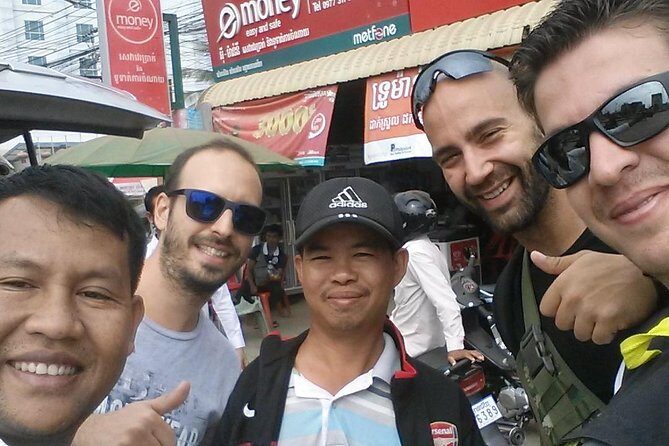
Day 2 is the main temple day, and it’s structured like a route that builds meaning. The tour covers:
- Angkor Wat (about 2 hours)
- Angkor Thom South Gate (about 1 hour)
- Bayon Temple (about 1 hour)
- Preah Khan (about 1 hour)
- Ta Prohm (about 1 hour)
What I like about this set is that you’re not only doing the biggest postcard sites. You’re also seeing how Angkor’s power story spreads across different temple complexes. With a good guide, those short stop lengths are perfect: you get key visual beats plus the story behind them.



Angkor Wat: the scale hits first, then the meaning
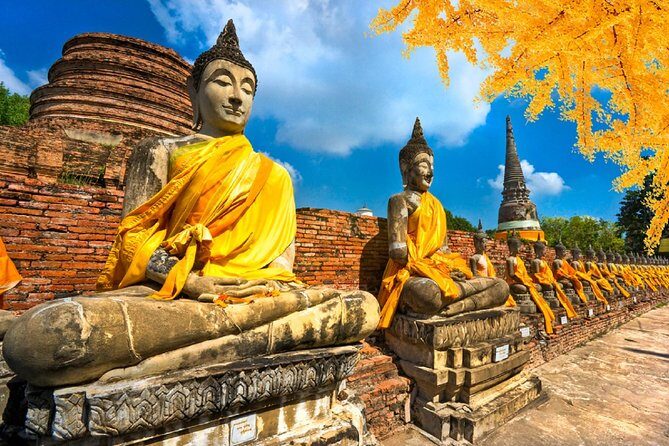
Angkor Wat is the obvious highlight, but the real win is how a guide helps you read it. Expect lots of time for photos, plus explanations tied to symbolism and the layouts you’re walking through. If you’re choosing between starting points inside Angkor, a few past bookings mention an optional early sunrise start. If your budget and energy allow it, sunrise is one of the few times you’ll feel like Angkor is almost quiet.
Practical tip: go with a plan for sun and stamina. Even with shade breaks, the day can feel hot. The tour’s structure helps because you move between sites in an organized way, rather than getting stuck in long “wandering hours.”
Angkor Thom South Gate: a dramatic entry into Khmer power
Stopping at the South Gate of Angkor Thom works as a reset. It’s an entry moment, not just another building. It helps you understand why Angkor wasn’t one temple, but a whole worldview.
A strong guide will connect what you see at the gate to the broader Angkor Thom story. If you like big, clear explanations, you’ll likely appreciate how guides like Bun and Mr T are praised for history tied to carving details.
Bayon Temple: the faces and what they try to say
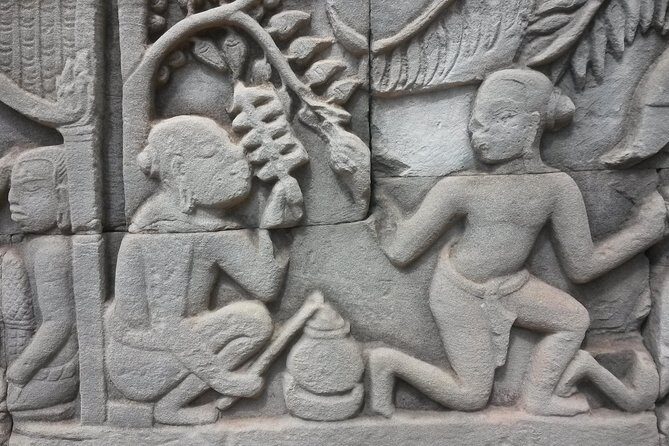
Bayon Temple is famous for its stone faces, but the stop becomes more than a photo when your guide ties the faces to the temple’s purpose and era. Bayon’s power is in the repetition and the perspective shifts as you walk around.
Preah Khan: a different temple mood
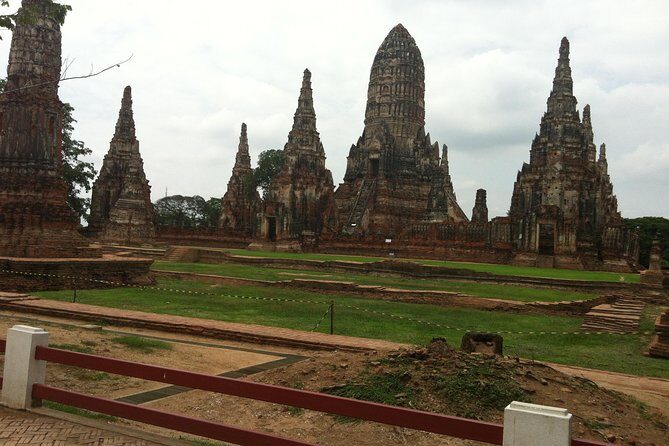
Preah Khan is often less crowded than the headline names, and the layout gives you a different feel. It still carries that Khmer depth, but it can feel more like a place to slow down and observe patterns. If your guide is good at pointing out architectural details, this is where you may start noticing the building logic rather than just reacting to size.
Ta Prohm: trees, ruins, and the drama of time
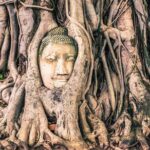
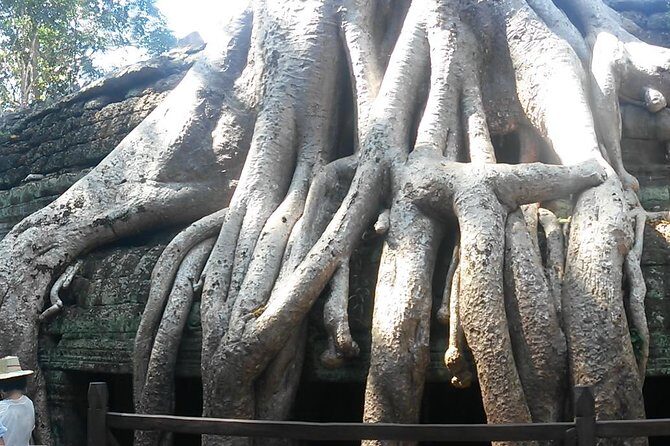
Ta Prohm gives you the “trees growing into the temple” look that many people came to see. It also rewards you for slow looking. When your guide explains why this temple is so memorable, you tend to understand it beyond the visual trick.
Day 1 evening in Siem Reap: Pub Street time without overplanning
After the floating village, the plan includes returning to your hotel around 5:30pm, then leaving the evening mostly free. That matters because it gives you room to recover and choose your own pace.
One common suggestion from past experiences is to use this time for:
- A casual walk in the area
- Dinner at a place you pick
- Pub Street at night, if you like crowds and people-watching
- A night market browse, if you enjoy browsing without buying a lot
This free window is also the perfect time to get a massage or just rest. One stay description mentioned pool and downtime, and that’s exactly why the hotel is part of the value here: you’re not trapped doing temples back-to-back.
Hotel reality check: 4-star comfort with breakfast and AC recovery time
The tour includes two nights accommodation at a 4-star hotel with breakfast. That’s a big deal when you’re doing temple-heavy days plus travel plus heat.
From past stays, the included hotel has sometimes been described as comfortable and in a downtown area that’s easy for walking and tuk-tuks. Breakfast is consistently called out as a positive. If you need a clean, quiet place to reset, this is where you’ll feel the tour earns its price.
What to watch for:
- Your room setup depends on your party (for couples it may be one king bed; for friends/family it may be two beds).
- You’ll want to keep your day bag light because border walking can involve stair and heat stress, and you don’t want luggage chaos ruining your evening.
Guides and English: when it flows, it’s excellent; when it doesn’t, it’s harder
This tour lives and dies by guidance. The upside is strong: names like Mr T and Lucky, Mr Sothy, Johnny, Sawa, and Bun show up in top feedback for being organized, friendly, and giving context. Many described guide explanations as the difference between seeing temples and actually understanding why they look the way they do.
The downside appears in a minority of reports: some describe English getting challenging, and one mentioned a less-than-smooth moment around the border where directions weren’t clear enough.
How you protect yourself if English might be uneven:
- Download the basics on Angkor: who built, when, and the difference between Hindu and Buddhist references.
- Ask your guide to slow down for one or two key stops. One good answer can beat ten rushed ones.
- Keep expectations realistic: you’re buying a guided experience, not a private museum lecture.
Price and value at $490: what you’re paying for, and what you still manage
At $490 per person, you’re not only buying tickets to temples. You’re also paying for:
- Hotel for two nights plus breakfast
- Pickup and drop-off
- A licensed guide
- Transport by private AC vehicle
- Temple admission tickets
You still manage:
- Cambodia visa
- Lunch and dinner
- Any personal expenses
- Optional choices like how you handle sunrise if offered by the day’s schedule
Is it expensive? Yes, compared to DIY. But for most people, the biggest cost in time is not money—it’s stress and coordination. Overland Bangkok to Siem Reap plus border crossing is where tours help.
If you hate border days and long car hours, that’s the one scenario where DIY or flying might beat this package. If you can handle a long travel day and you want a guided, planned flow, this price starts to look fair.
Who this tour suits best
This is a great fit if you:
- Want a private guided route with a clear temple plan
- Prefer having hotels and tickets handled
- Don’t mind early starts and long drives
- Like learning stories tied to architecture and carvings
- Are okay with border logistics as long as you prepare your documents
It may be a poor fit if you:
- Want zero hassle at borders
- Get anxious in crowds or queues
- Travel with heavy luggage you don’t want to manage on foot in hot conditions
- Are time-sensitive for flights and can’t risk border delays on either side
Should you book this Angkor Wat 3-Day Trip from Bangkok?
I think you should book it if you want the Angkor core with minimal planning stress. The combination of temple tickets, a licensed guide, and a two-night base in Siem Reap is exactly what makes a short trip feel doable.
I’d pause before booking if you hate border uncertainty. In that case, check your document readiness twice and build a buffer into your schedule for possible queue slowdowns. If you can’t build buffer time, you might prefer flying and then handling Angkor locally.
If you do book, go in with the right mindset: this is not just a temple visit. It’s a road-trip-with-a-story that turns a difficult travel day into an efficient Angkor itinerary.
FAQ
Does the tour include pickup from my hotel in Bangkok?
Yes. The tour lists hotel pickup and drop-off, starting from any hotel in Bangkok or Pattaya.
Is my Cambodia visa included?
No. The tour notes that visa to Cambodia is not included, and it mentions using an e-visa (printed copies) or visa on arrival at Poipet.
What’s included besides the guide and temples?
You get a private tour with a licensed guide, private air-conditioned transport, two nights of 4-star accommodation with breakfast, and temple admission tickets.
What sites does the tour cover?
It includes Angkor Wat, Angkor Thom South Gate, Bayon, Preah Khan, Ta Prohm, plus an afternoon visit to the floating village area on Tonle Sap Lake.
Are meals included?
Lunch and dinner are not included. The tour includes breakfast at the hotel, and your evenings in Siem Reap are left free.
Are there dress rules for temple visits?
Yes. The tour states that short dress is not allowed at temples, so plan for clothing that covers appropriately for temple entry.