REVIEW · BANGKOK
Authentic Street Food Tour in China Town Bangkok
Book on Viator →Operated by TakeMeTour · Bookable on Viator
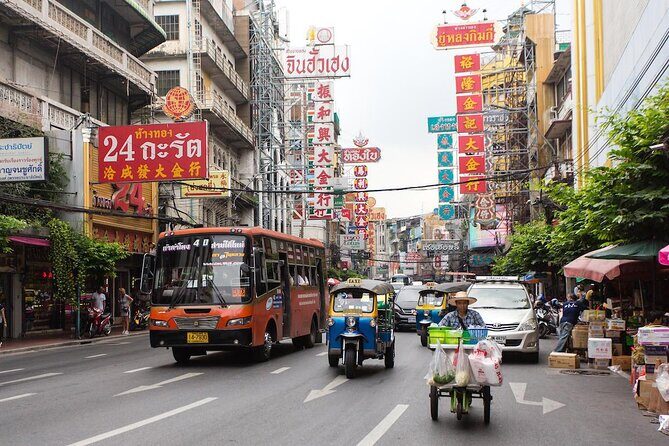
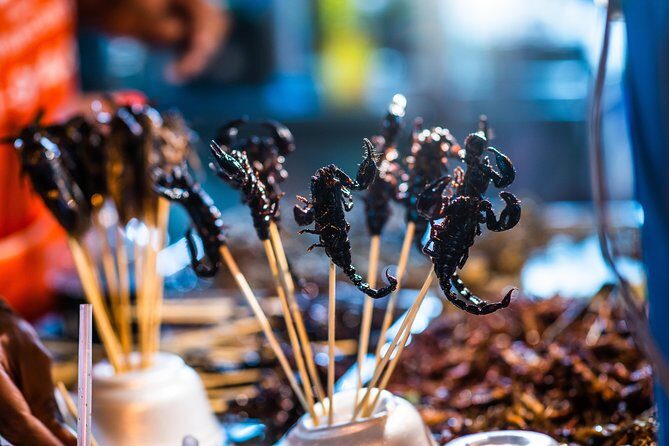
Chinatown can feel like sensory overload. This evening walk pulls you through Bangkok’s food scene with a small-group guide and tastings that do the guessing for you. I especially like that all food and drink tastings for dinner are included, and that you also stop at Kuan Yim Shrine to connect what you’re eating to Chinese beliefs. One catch: if you’re nervous about street food or very adventurous items, you’ll want to speak up early—this tour can include bolder picks, like scorpion, if you’re game.
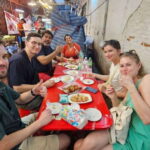
You start at 7:00 pm, when the streets are active and vendors are ready to serve, then you follow your guide around Chinatown’s market lanes. The tour also includes a visit to Kuan Yim Shrine, where you’ll learn the meaning behind the site and why it matters for the community. And because it’s capped at just 10 people, it stays friendly instead of chaotic.
At $43.16 per person, the value comes from more than the food: dinner tastings, travel insurance, gratuities, and a local expert guide are part of the package. Alcoholic beverages are not included, though there’s an optional bar stop at the end if you want it.
In This Review
- Key Highlights You’ll Feel Fast
- Bangkok Chinatown at 7:00 pm: timing is part of the meal
- Plaeng Nam Road meeting point: how the tour keeps you from getting lost
- Chinatown street food tasting: what you’re actually eating (and why it works)
- If you want adventurous options, you might get them
- If you’re cautious with street food, you can still do this
- Kuan Yim Shrine stop: Chinese beliefs made practical
- Included tastings and what you’ll pay for: the real value math
- Why including dinner tastings changes the price conversation
- Group size of 10: why that cap matters in Chinatown
- Logistics that actually help: language, walking, and timing your appetite
- Who this Chinatown food walk is best for
- Should you book this Authentic Street Food Tour in Chinatown?
- FAQ
- How long is the Chinatown street food tour?
- What time does the tour start?
- Where is the meeting point?
- Is the group size small?
- What is included in the price?
- Are alcoholic beverages included?
- Can I join if I have dietary restrictions?
- What happens if the weather is bad?
Key Highlights You’ll Feel Fast
- Small group (up to 10): faster questions, easier pacing, and fewer “lost tourist” moments.
- All dinner tastings included: you eat more than you plan, in a good way.
- Kuan Yim Shrine stop: Chinese beliefs and food culture in one short visit.
- Local guide navigation: you’re spared the Thai-language hunt for menus and names.
- Optional end-of-tour bar stop: you can keep it non-alcoholic and still enjoy the evening.
- Street-food starter-friendly approach: you may begin with familiar flavors before going farther.
Bangkok Chinatown at 7:00 pm: timing is part of the meal
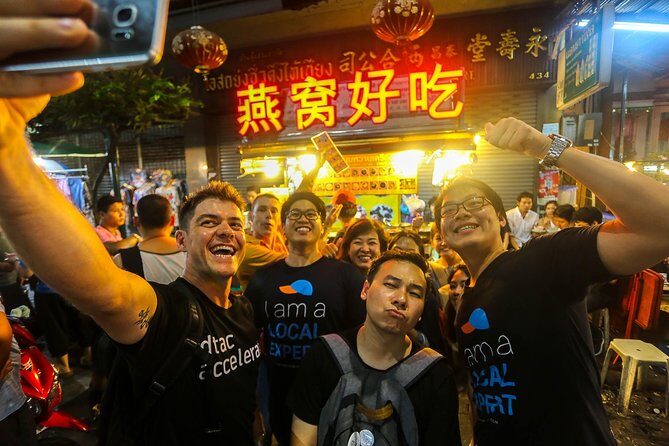
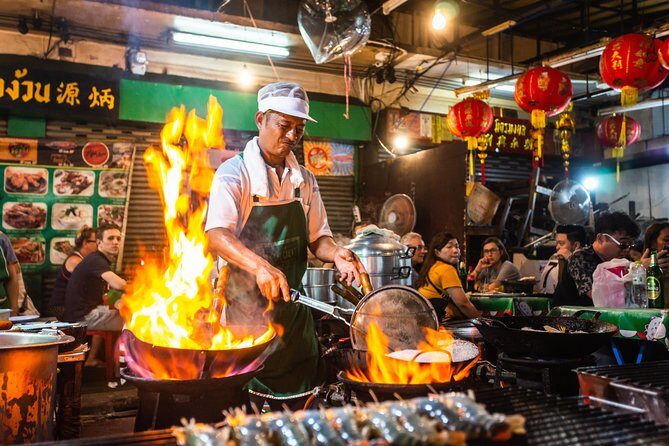
This tour is built for evening energy. Starting at 7:00 pm matters because Chinatown street food runs on vendor flow, not museum hours. You’re there when stalls are serving, smells are strong, and food looks like food you’d actually order on a normal night.
I like that the pace is set for walking. You’re not stuck eating one thing, then waiting for the next truck to show up. Instead, you move through areas where your guide can get you to multiple tasting stops while the food is fresh and the vendors are in “sell mode.”
Also, you’re told it’s best with good weather. If it rains hard, the experience may be rescheduled or refunded. So if you’re traveling in the wet season, keep that in mind and don’t plan a fragile schedule right after dinner.
You can also read our reviews of more food & drink experiences in Bangkok

Plaeng Nam Road meeting point: how the tour keeps you from getting lost
You meet at 6 Plaeng Nam Rd, Khwaeng Samphanthawong, Khet Samphanthawong, Bangkok (10100). It’s near public transportation, so you’re not forced to take a long taxi trip just to start eating.
The tour runs like this: you arrive, you connect with the guide, and then you’re walking. Because the group size is capped at 10, the guide can keep track of everyone’s pace and comfort level. That matters in Chinatown, where streets can narrow and signs can blur together.
From the way guides handle it, they clearly aim for a calm rhythm. Different guides have different styles—some (like Tina) focus on friendly explanations and keeping you moving at a pace that works for the room. Others (like Tony and Ben) are known for explaining history and cooking methods as you go. Either way, you’re not standing around trying to decide what to order in Thai.
One small consideration: meeting spot clarity. A couple of people noted that the meet-up location could be easier to identify. If you’re prone to stress when you can’t find a sign, arrive a few minutes early and double-check what to look for so you’re not searching while hungry.
Chinatown street food tasting: what you’re actually eating (and why it works)
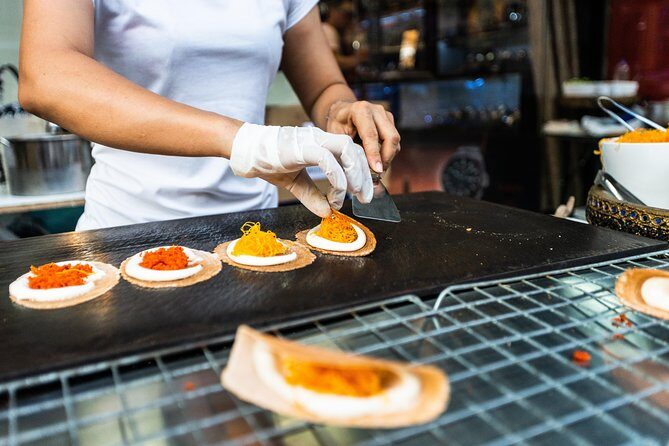
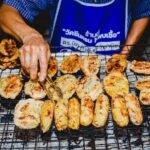
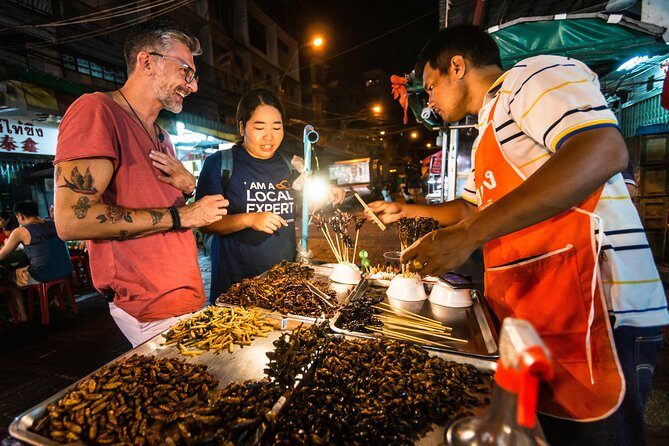
This is a street food market walk focused on Thai-Chinese dishes—savory, sweet, and usually served in snack-sized portions. The goal isn’t one big restaurant dinner. It’s sampling enough variety to understand the neighborhood’s flavor style.
You can expect a mix of familiar and unfamiliar items. For some people, the tour starts with easy entry points, like Thai-style donuts—a good move when you’re easing into Chinatown flavors. Then the guide keeps expanding the menu so you’re learning as you eat, not just collecting bites.
This is where the “local expert” part shows up. You’re tasting foods the area is known for, but you’re also learning how to read what you’re looking at—what something is, how it’s commonly prepared, and what to expect from the texture and taste.
If you want adventurous options, you might get them
One review-style detail that’s actually useful: a guide helped a guest find scorpion when that person wanted to try it. That doesn’t mean scorpion is guaranteed for everyone. But it does suggest the guide isn’t pushing you randomly into shock food. If you’re curious, they can steer you toward a vendor if it’s available and appropriate for the group’s flow.
If you’re cautious with street food, you can still do this
The tour format helps hesitant eaters. There’s a clear strategy of starting slowly, with foods that Americans are more familiar with, then expanding once everyone is comfortable. If you’re worried about cleanliness, strong flavors, or weird textures, tell your guide at the start. The tour is designed to be a workable introduction, not a forced dare.
And yes, the most common outcome is feeling full by the end. Portions may be bite-sized, but the number of stops adds up quickly. Plan to wear comfortable shoes and accept that you’re going to skip dessert later.
You can also read our reviews of more tours and experiences in Bangkok
Kuan Yim Shrine stop: Chinese beliefs made practical
One of the tour’s best features is the stop at Kuan Yim Shrine. It’s not a long religious detour. It’s a short cultural anchor that helps you connect Chinatown’s food with the people and traditions around it.
Kuan Yim Shrine is tied to Chinese beliefs, and the guide explains what it represents and how that belief shows up in daily life in the area. That matters because Chinatown food isn’t just about taste. It also reflects community history, immigrant influence, and local customs.
If you care about meaning as much as flavor, this stop gives context without turning the night into a lecture. You’ll likely walk away with a clearer sense of why certain foods, practices, and vendor traditions cluster the way they do in Chinatown.
Included tastings and what you’ll pay for: the real value math
Here’s what’s included:
- Food & drink for dinner
- Local expert (tour guide)
- Travel insurance
- Gratuities
Not included:
- Alcoholic beverages
There’s also an optional bar stop at the end, but since alcohol isn’t included, you’re choosing that as an add-on. If you’re traveling with non-drinkers or you just don’t want alcohol, you can still enjoy the tour end-to-end.
Why including dinner tastings changes the price conversation
At $43.16, the headline number looks simple. The real value comes because you’re not paying separately for multiple meals, multiple drinks, and a guide’s time to navigate food stalls.
Street food adds up fast when you buy it one item at a time—plus you lose time figuring out what’s worth ordering. This tour swaps that uncertainty for a guided plan. You get a full dinner experience in about 2 hours 30 minutes, which is also a big deal in a city where transit and wandering can burn hours.
If you’re a big eater, you’ll feel the value quickly. If you barely snack, you still get the cultural walk and the shrine stop, but you might finish with less “I’m glad I booked” energy. That’s just math, not a complaint about the tour.
Group size of 10: why that cap matters in Chinatown
Chinatown is not designed for slow moving lines of tourists. If you’ve ever tried to tour a market with a large group, you know what happens: people get separated, the guide has to repeat themselves, and your food timing gets messy.
This tour caps the group at 10 people, so the guide can:
- keep everyone together at street level
- answer quick questions without losing the room
- adjust based on pace and comfort
- handle dietary restrictions (you’re asked to tell the team if you have them)
That cap also helps with the “introduction” promise. You’re not just tasting. You’re learning what you’re tasting, because the guide can actually talk to you instead of just marching a crowd forward.
Logistics that actually help: language, walking, and timing your appetite
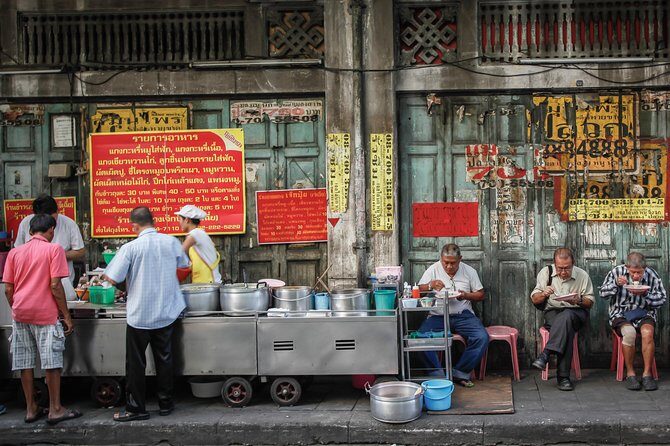
Even if you’re adventurous, Chinatown can be hard to navigate without Thai. Menus, stall names, and ordering cues can be confusing—especially when you’re also trying to decide where to stand, what to point at, and how spicy something will be.
That’s exactly why the guide is the main event here. You’re effectively buying “order confidence” plus cultural context. You follow the route the local guide knows, and you sample what they choose for a group dinner flow.
Walking is part of the deal. You should expect street-level movement on uneven pavement and tight spaces. You don’t need hike gear, but you do want comfy shoes and a calm attitude about crowd flow.
Timing also matters for your next plans. After 2.5 hours of tastings, you’ll likely be satisfied. Keep your schedule light afterward, unless you love walking it off.
Who this Chinatown food walk is best for
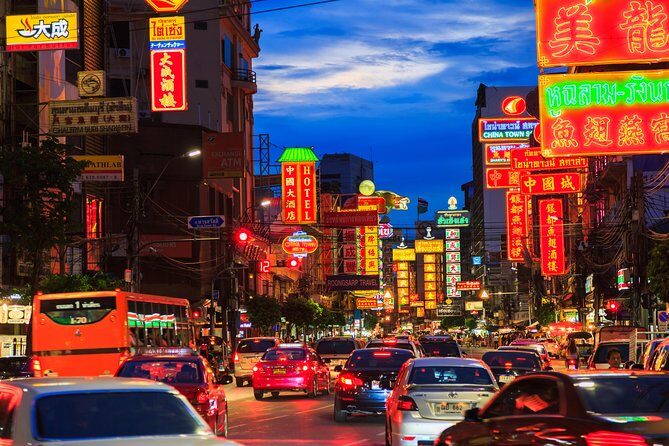
This tour is a strong fit if:
- you’re a first timer in Bangkok Chinatown and want structure
- you want an authentic street food intro without ordering stress
- you enjoy a mix of food and quick cultural learning
- you like small groups and easier conversation
It’s also a good choice if you’re traveling with people who need a plan. Food tours can be awkward when some people don’t know what to try. The guide’s approach includes starting with more familiar options and moving outward, which helps reduce fear of street food for cautious eaters.
What might not fit as well:
- you have very strict dietary needs and haven’t told the tour in advance
- you dislike walking or crowds at night
- you refuse to try any unfamiliar foods at all (even starter-friendly tours may still include at least a couple curveballs)
If you can do “taste testing,” you can do this.
Should you book this Authentic Street Food Tour in Chinatown?
I’d book it if you want a smooth, low-stress way to eat your way through Chinatown without getting stuck in Thai-language guesswork. The best part isn’t just that the food is included. It’s that you’re guided through the logic of the street food scene—what to try, how to understand it, and why the Kuan Yim Shrine stop fits the bigger picture.
Skip it if you want a quiet, sit-down meal with no walking and no uncertainty. This is a walk, a tasting, and a cultural stop in the middle of an active neighborhood.
If you do book: eat a light early dinner (or none), wear comfortable shoes, and tell the guide about any dietary restrictions before you start. Then let the tour do what it’s built to do—feed you, explain what you’re eating, and help you leave Chinatown with your questions answered and your stomach pleasantly overwhelmed.
FAQ
How long is the Chinatown street food tour?
It runs for about 2 hours 30 minutes.
What time does the tour start?
The start time is 7:00 pm.
Where is the meeting point?
The meeting point is at 6 Plaeng Nam Rd, Khwaeng Samphanthawong, Khet Samphanthawong, Krung Thep Maha Nakhon 10100, Thailand.
Is the group size small?
Yes. The group size is capped at just 10 people for a more intimate experience.
What is included in the price?
The tour includes food and drink for dinner, travel insurance, gratuities, and a local expert (tour guide).
Are alcoholic beverages included?
No. Alcoholic beverages are not included, though there is an optional bar stop at the end.
Can I join if I have dietary restrictions?
You should tell the tour team about any dietary restriction.
What happens if the weather is bad?
This experience requires good weather. If it’s canceled due to poor weather, you’ll be offered a different date or a full refund.
![Flower Market & Floral Art: Multilingual Private Tour [EN/others] - Lotus folding and Thai garlands: The hands-on part that changes your souvenirs](https://b.exploringbangkok.com/wp-content/uploads/flower-market-floral-art-multilingual-private-tour-en-others.jpg)