REVIEW · BANGKOK
Bangkok: Chinatown Food Tour with Michelin Food Stalls
Book on GetYourGuide →Operated by DiscoverEase Tours · Bookable on GetYourGuide
Street food on rails of history.
This 3-hour evening walk through Yaowarat is built for people who want flavor now, not a slow museum-style lesson. You start at Wat Mangkon Kamalawat (Wat Leng Noei Yi), then move through Chinatown’s lanes with an English-speaking guide while you taste 10+ dishes across Thai-Chinese street food traditions. I like how the tour folds in Chinatown’s immigrant influence without turning the whole night into a lecture, and you may get extra personality from guides such as Peak, Eve, Na, K, or Sunday.
What I like most is the payoff-to-time ratio. For $36, you’re not just sampling a couple snacks, you’re set up to eat a real mix—savory meats, noodles, dumplings, stir-fries, and then dessert—so you leave satisfied instead of still hungry. A second strong point is the small group feel: max 8 people means you actually get to hear the explanations and keep moving without getting lost in a crowd.
The one watch-out: this tour is not for everyone. It’s moderate walking, it’s not suitable for wheelchair users, and it doesn’t work for vegans or vegetarians, so you’ll want to check your diet and comfort level before booking.
In This Review
- Key things to know before you go
- Yaowarat at Night: Why This Chinatown Walk Works
- Meeting at Wat Mangkon Kamalawat (Wat Leng Noei Yi) Before You Eat
- The 3-Hour Rhythm: How the Tastings Stay Fun (Not a Food Coma Yet)
- Thai-Chinese Classics You’ll Taste (And Why They’re the Right Starter Kit)
- Hidden Alley Stops: How You Eat Like You Know the Code
- The Michelin-Recognized Food Stall Stop: Worth It, Even in Street Chaos
- Dessert and Tea at the End: A Clean Finish That Still Feels Chinese
- Guides Matter: Peak, Eve, Na, Sunday, and K’s Group Energy
- Price and Value: $36 for 10+ Tastings in a Prime Food District
- Who This Tour Suits Best (And Who Should Skip It)
- Practical Tips That Make the Night Easier
- Should You Book the Bangkok Chinatown Food Tour with a Michelin Stop?
- FAQ
- Where does the tour start?
- Where does the tour end?
- How long is the experience?
- How much food will I try?
- What’s included in the price?
- Can dietary restrictions be accommodated?
- Is the tour suitable for children?
- What should I bring?
- Is wheelchair access available?
Key things to know before you go
- Start at Wat Mangkon Kamalawat (Wat Leng Noei Yi): a memorable way to orient yourself before the food starts.
- 10+ tastings in 3 hours: enough variety to compare flavors without feeling stalled.
- Michelin-recognized food stall stop: a high-signal moment in the middle of street chaos.
- Thai-Chinese hits you can’t easily plan solo: dumplings, barbecued meats, stir-fries, noodle soups, and more.
- Tea and Chinese desserts to finish: buns or pancakes with a classic tea-stall drink.
- Small group (max 8): easier pacing, easier questions, and less queue time.
Yaowarat at Night: Why This Chinatown Walk Works
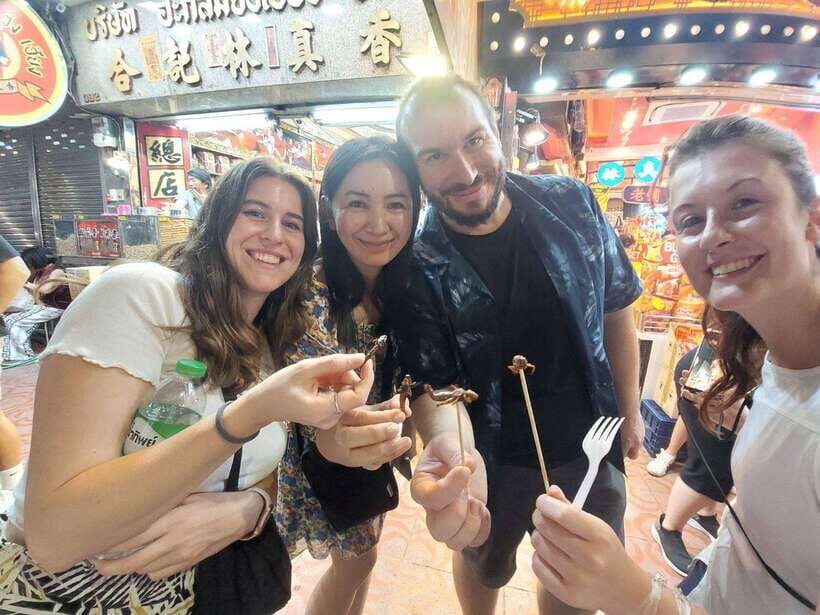
Even if you’ve been to other food neighborhoods in Asia, Yaowarat hits differently after dusk. The streets get loud, neon signs bounce off shop fronts, and smoke and sauces drift into alleys where you wouldn’t automatically wander on your own. This tour leans into that energy instead of trying to tame it.
What makes it work for you is the structure. A guide keeps the flow moving across multiple vendors, so you’re not stuck making decisions every five minutes. And because the tour is built around tastings, you’re sampling variety instead of ordering one huge meal and hoping for the best.
I also like that the tour’s focus isn’t only “eat everything.” You learn how Chinese immigrant food traditions shaped Bangkok’s street food culture, which gives context to why flavors overlap—sweet-savory balances, noodle styles, and barbecue techniques that show up again and again.
You can also read our reviews of more food & drink experiences in Bangkok

Meeting at Wat Mangkon Kamalawat (Wat Leng Noei Yi) Before You Eat
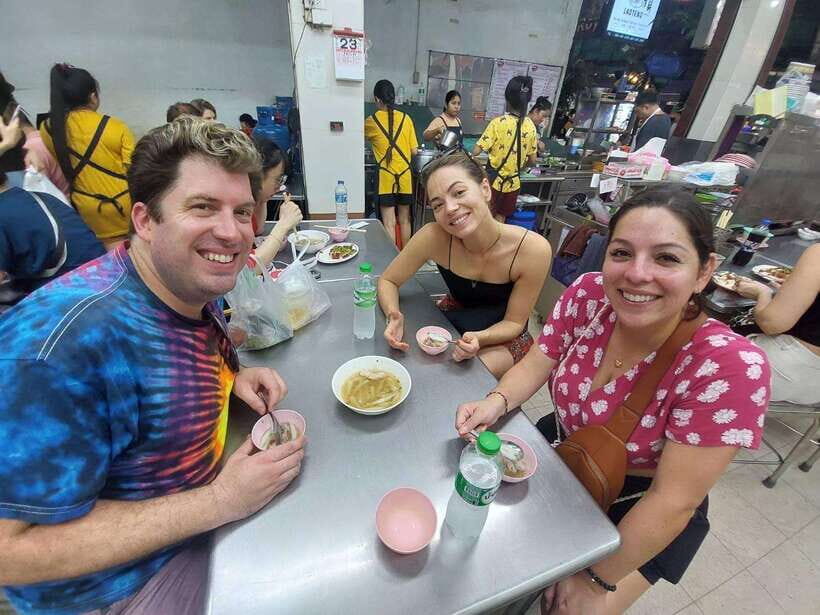
The evening starts in the right place: Wat Mangkon Kamalawat (Wat Leng Noei Yi). It’s a strong anchor point for your bearings because the tour begins where locals have long gathered, not at a random street corner made for tourists.
Starting at a temple also changes your mindset. You begin grounded, calm, and observant, and then the group transitions from the quieter start into Chinatown’s later-night rhythm. You’ll still walk a moderate distance, so it’s smart to arrive ready for movement.
Bring your camera and comfortable shoes. This kind of tour is made for quick glances—shop signs, food prep, the steam rising from dumpling baskets—plus the classic Chinatown photos you’ll want once you’re in the thick of it.
The 3-Hour Rhythm: How the Tastings Stay Fun (Not a Food Coma Yet)
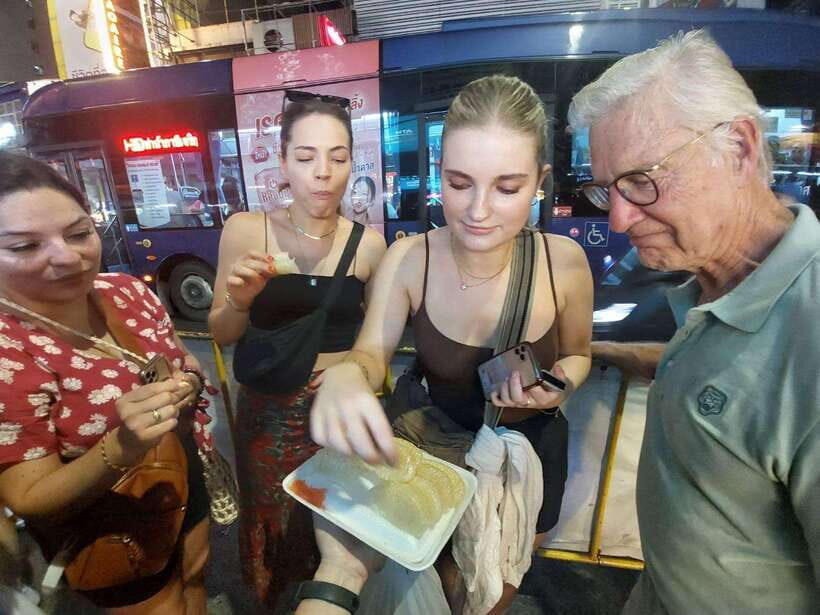
The tour is designed to last 3 hours, which is a sweet spot for Chinatown. Long enough for real variety, short enough that you’re not dragging yourself through the last hour.
The pacing matters because Chinatown evenings can be intense. You’re moving through crowded lanes, waiting briefly at stops, and eating while juggling conversations and directions. Guides on this tour—people like Peak, Eve, Na, and Sunday—are repeatedly praised for keeping the group together and not rushing you.
A practical note: you’ll likely be stuffed by the end. Multiple guides in the feedback emphasized that you should arrive hungry, and the tastings are not “one tiny bite” style. Plan your night so you don’t have a heavy dinner right before.
Thai-Chinese Classics You’ll Taste (And Why They’re the Right Starter Kit)
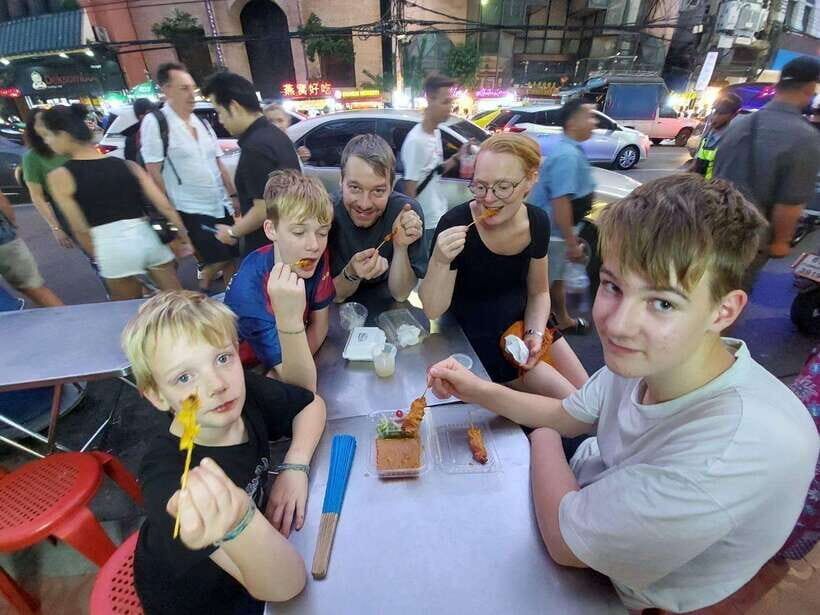
One of the smartest parts of the menu is that it covers the Thai-Chinese street food range instead of repeating one style of dish. You’ll typically try savory Thai-Chinese staples like crispy spring rolls, barbecued meats, freshly steamed dumplings, and stir-fried items.
Why this matters for you: each category teaches you something about the neighborhood. Crispy rolls and barbecue lean into texture and smoke; dumplings show restraint and technique; stir-fries show how quickly flavors are built at the stove. Even if you think you know Thai food, Chinatown versions often have a slightly different balance—more Chinese influence in method and seasonings.
You also get exposed to soup and noodle bowls, plus spicy seafood possibilities depending on the stop. That range helps you figure out what you like most, so if you return later on your own, you know what to hunt for first.
Hidden Alley Stops: How You Eat Like You Know the Code
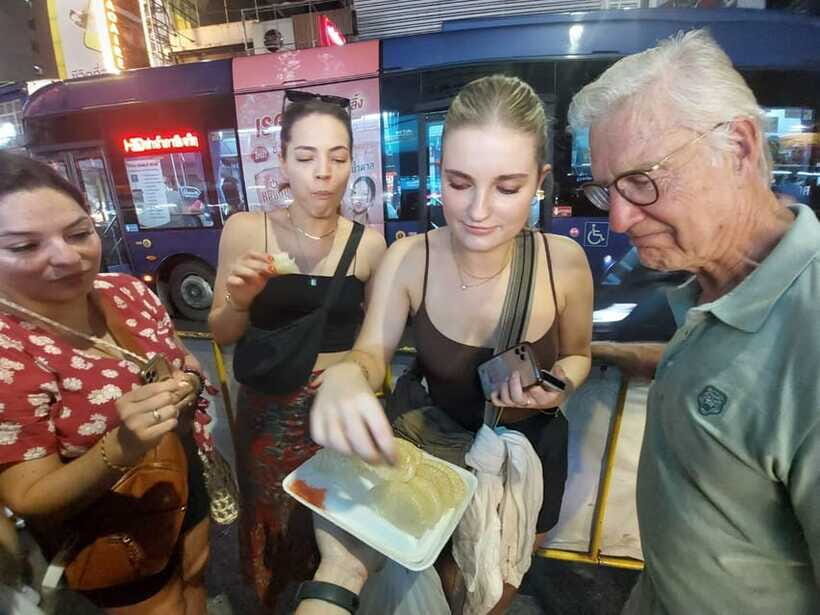
The tour doesn’t feel like a checklist. It’s built to take you into places that locals use, including vendors that tourists often miss because they’re tucked into side lanes or don’t look “tour friendly” from the main road.
This is where having a guide pays off beyond convenience. In Chinatown, the difference between an okay stall and an excellent one can be a few doors down. A good guide helps you connect the dots fast—what to order, when to eat, and what to notice in the taste.
From the feedback, guides were praised for picking stops that people wouldn’t have found alone and for making the whole experience comfortable even when the crowd is heavy. If you get overwhelmed by deciding what to eat, this structure is basically stress relief.
One more thing: dietary restrictions can be accommodated with advance notice. That doesn’t mean every dish will magically become vegan/vegetarian, but it does mean the team can often steer you toward options that fit you better than random ordering.
You can also read our reviews of more tours and experiences in Bangkok
The Michelin-Recognized Food Stall Stop: Worth It, Even in Street Chaos
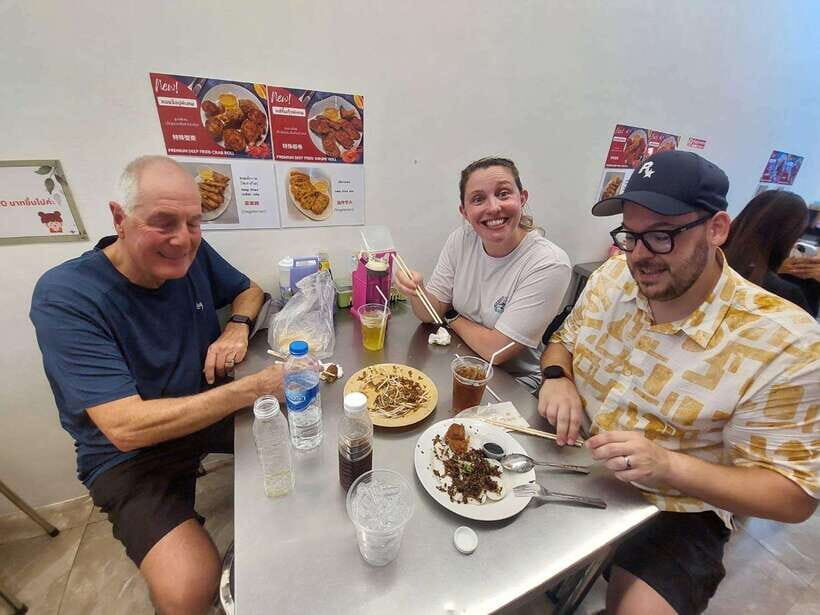
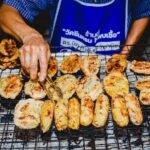
A key highlight is a stop at a Michelin-recognized food stall. It’s slotted into the night so you get one “benchmark” experience in the middle of street life, not after you’re already too full to care.
What I like about this setup for you: it gives a quality signal without removing the street-food vibe. You’re still eating in the real setting—sitting near the action, seeing how food is served—just with an added layer of credibility.
Based on the descriptions, this stall is known for an award-winning specialty. The tour frames it as a tradition-meets-excellence moment, so expect a dish that feels intentional rather than purely fast-and-filling. And because you’re eating alongside other classics earlier, you’ll notice how the flavors compare.
Don’t treat it like a fancy restaurant stop. Think of it as a high-point moment in a long, satisfying sequence—then you move back into the Chinatown energy.
Dessert and Tea at the End: A Clean Finish That Still Feels Chinese
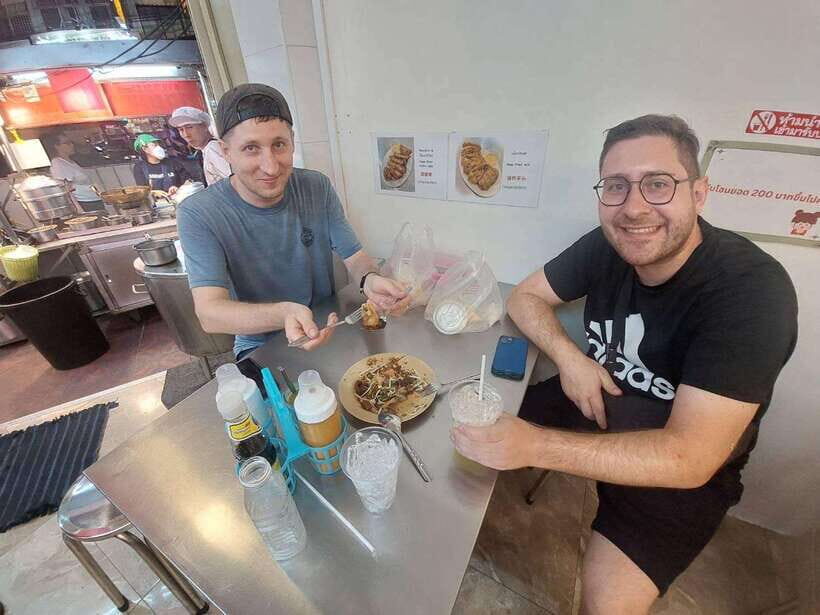
You don’t just end on sweets; you end with Chinatown’s version of “cool down and digest.” The tour finishes with traditional Chinese desserts and snacks such as freshly made buns or local-style pancakes, paired with a refreshing drink from a classic Chinatown tea stall.
This ending is practical because it changes your flavor mood after savory eating. Sweet buns and pancake-like desserts tend to be comforting, and tea helps reset your palate when you’re trying to remember which dish was best.
In the feedback, people also talked about standout dessert-style cravings like mango sticky rice and even a secret bar moment. Even if your route doesn’t feature the same exact side attraction, the main point stays the same: the final stop is designed to cap the night with something memorable.
Guides Matter: Peak, Eve, Na, Sunday, and K’s Group Energy
Small group tours only work when the guide makes them work. This one gets strong praise for exactly that: guides were described as fun, attentive, and good at keeping everyone together in crowded conditions.
From the comments, different guides—Peak, Eve, Na, Sunday, and K—show up with different personalities, but the common thread is care. People mention that guides explain dishes and histories clearly, answer questions calmly, and help the group keep eating at a pace that feels right.
That matters for you if you’re traveling solo or just don’t want to research every vendor. A guide turns “random eating” into an experience where you understand why food tastes the way it does, and you can ask for help without feeling awkward.
If you want the best chance of getting your preferred guide style, choose your day based on what’s available and arrive early enough to get settled before the walk begins.
Price and Value: $36 for 10+ Tastings in a Prime Food District
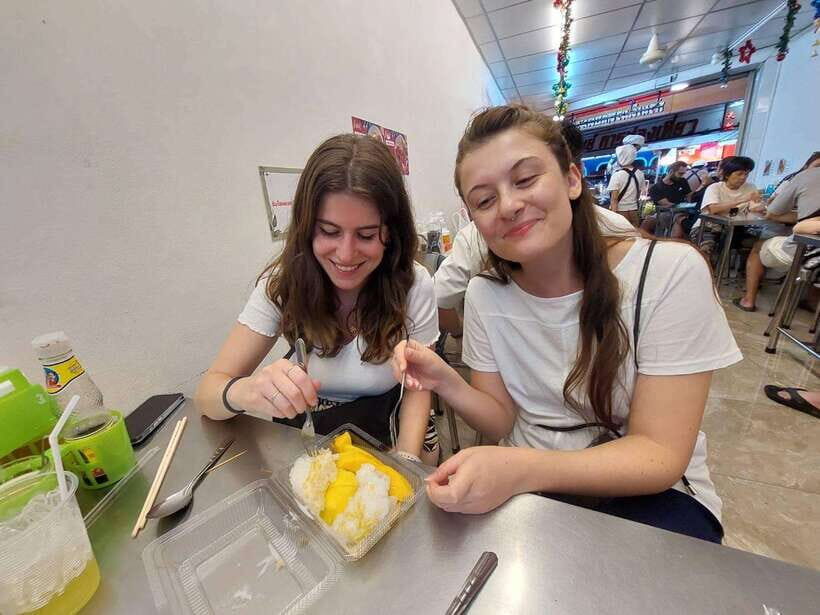
At $36 per person for 3 hours and 10+ tastings, the value is strong if your goal is quantity plus variety. Street food pricing in Bangkok can be inexpensive, but the real cost you avoid here is decision fatigue and the guesswork of finding stalls that actually deliver.
You’re paying for:
- access to multiple stops in one organized evening,
- English-speaking context that makes the dishes more meaningful,
- a small group size that helps you keep the pace.
Also, bottled water is included. Small detail, but it helps when you’re walking and eating repeatedly.
Are you still able to eat your way through Chinatown without a tour? Sure. But you’d probably spend time planning, and you might miss a Michelin-recognized moment or a few side-lane favorites. This tour compresses all of that into a manageable block of time.
Who This Tour Suits Best (And Who Should Skip It)
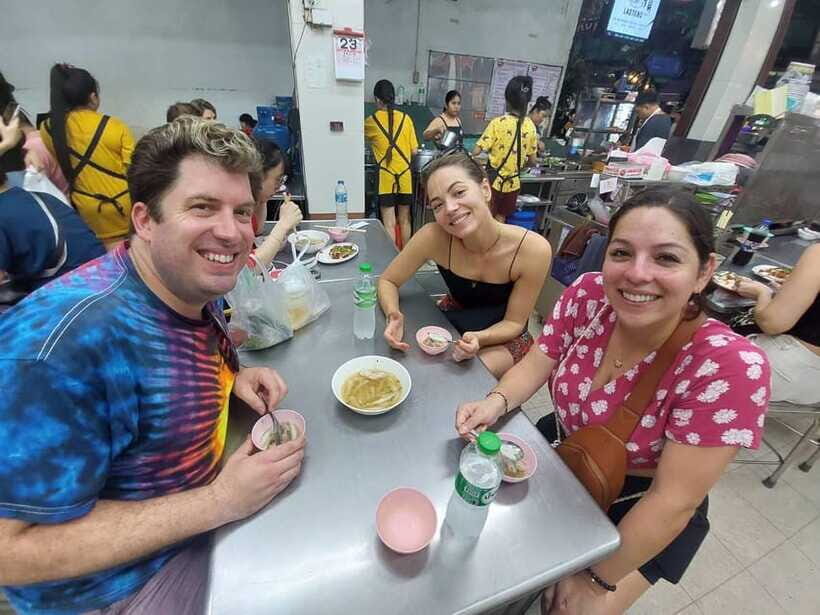
This tour is a great fit if you:
- love street food and want a structured way to try more than you could solo,
- want Thai-Chinese flavors in one evening,
- like history explained in everyday terms, tied directly to what you eat,
- appreciate a small group setting where you can ask questions.
It may not suit you if:
- you need wheelchair accessibility,
- you’re traveling with kids under 10 (the tour isn’t suitable),
- you’re vegan or vegetarian (not suitable for vegans/vegetarians),
- you’re bringing pets (not allowed).
The walking is moderate, so plan for shoes you can trust. Chinatown sidewalks can be uneven, and the crowd density can change block to block.
Practical Tips That Make the Night Easier
A great food tour can still feel hard if you show up unprepared. Here’s what helps, based on the practical info provided and the common feedback patterns.
- Wear comfortable shoes with grip. You’ll be on your feet for a while.
- Arrive hungry. Multiple people stressed this, and it makes the tastings more enjoyable.
- Bring your camera for quick Chinatown moments.
- If you have dietary needs, give advance notice. Dietary restrictions can be accommodated, but vegans/vegetarians are not the right match for this tour.
- Consider bringing hand wipes or sanitizer. One review specifically wished for it because you’ll often eat with your hands.
If you’re sensitive to spicy food, tell your guide early. The tour is flexible enough to steer choices, and your guide can help you avoid dishes that don’t fit your comfort level.
Should You Book the Bangkok Chinatown Food Tour with a Michelin Stop?
Book it if your top priority is a high-food-count evening in Yaowarat with an organized route, clear explanations, and a Michelin-recognized tasting point. The small group size (max 8), the 10+ tastings, and the start-and-finish setup make it easy to enjoy Chinatown without losing time guessing.
Skip it if you’re vegan or vegetarian, need wheelchair accessibility, or you’d rather self-tour Chinatown at your own tempo. Also skip if you hate moderate walking through dense crowds. This tour is built for movement and eating.
If that sounds like your kind of Bangkok night, it’s a strong choice—and a smart way to understand why Thai-Chinese street food is such a big part of Chinatown identity.
FAQ
Where does the tour start?
The tour starts at Wat Mangkon Kamalawat (Wat Leng Noei Yi) in Bangkok.
Where does the tour end?
The tour finishes at The Chinatown Gate.
How long is the experience?
It’s 3 hours long.
How much food will I try?
You’ll have 10+ food tastings during the tour, including multiple stops around Chinatown.
What’s included in the price?
The tour includes 10+ food tastings, an English-speaking guide, a small group (maximum 8 people), and bottled water.
Can dietary restrictions be accommodated?
Dietary restrictions can be accommodated if you give advance notice. That said, the tour is not suitable for vegans or vegetarians.
Is the tour suitable for children?
No. It isn’t suitable for children under 10 years.
What should I bring?
Bring comfortable shoes and a camera.
Is wheelchair access available?
No. The tour is not suitable for wheelchair users. Pets are also not allowed.