REVIEW · BANGKOK
Bangkok: Chinatown & Taladnoi Street Art Guided Walking Tour
Book on GetYourGuide →Operated by TRIPZA sightseeing · Bookable on GetYourGuide
Bangkok can feel like a blur unless someone helps you read it. This Chinatown and Talad Noi walk turns the usual sights into a clearer story, from Chinese shrines and trade legends to side alleys where metalwork and community life still show through.
I really like that the route focuses on local history you can actually see, not just photo stops. I also love that the guide work is the star of the experience, with many guests naming guides like Jenny, Nok, Mai, Mariyah, Ploy, Jib, and Toto for clear explanations and a patient, friendly pace.
One consideration: it’s a walking tour in warm weather and it is listed as not suitable for wheelchair users or pregnant women, so wear comfortable shoes and plan for time on your feet.
In This Review
- Key things you’ll get from this Chinatown and Talad Noi walk
- How this tour helps you read Chinatown (without getting lost)
- Meeting at MRT Wat Mangkon: the start that gets you into the real neighborhood
- Wat Mangkon Kamalawat: Chinese spiritual life as your first big anchor
- The morning market section: street food, incense, and how to spot what matters
- Tian Fah Foundation Hospital: a powerful twist on what a “tour” can teach
- Wat Traimit and the Golden Buddha story: religion meets real trade history
- Wat Pathum Khongkha: a calmer royal-side break in the schedule
- Talad Noi ironworks alleys: where craftsmanship shows up in the street plan
- Talad Noi Community Museum and street art: art that fits the neighborhood, not against it
- Hidden shrines between old buildings: the magic is in the side routes
- Ending at River City Bangkok: plan your next move on the Chao Phraya
- Price and pacing: what you’re really paying for at $19
- Who should book this tour, and who might want a different style
- Should you book this Bangkok Chinatown and Talad Noi walk?
- FAQ
- Where is the meeting point?
- How long is the tour?
- Is the guide English-speaking?
- What’s included in the price?
- Are meals included?
- Is hotel pickup available?
- What should I wear or bring?
- Is the tour suitable for everyone?
Key things you’ll get from this Chinatown and Talad Noi walk
- Wat Mangkon Kamalawat sets the tone fast, with Chinese spiritual life right at the start
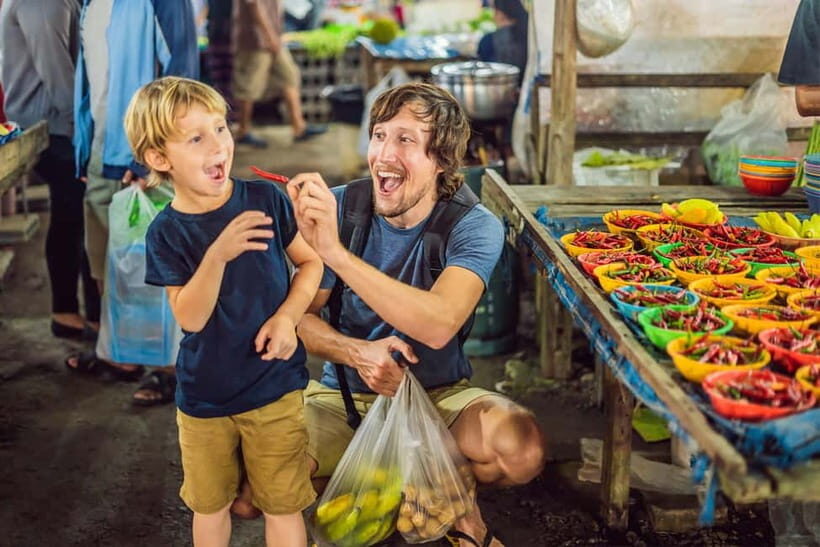
- Morning market culture shows up in smells, incense, and street-food energy (no staged feeling)
- Wat Traimit’s Golden Buddha connects religion to real-world trade history
- Talad Noi ironworks alleys hint at the craftsmanship behind old Chinatown commerce
- Talad Noi Community Museum adds street art to the mix, not just temples and shops
- Finish at River City Bangkok so you can keep going with lunch or a river boat
How this tour helps you read Chinatown (without getting lost)
Chinatown in Bangkok can be a lot to process on your own. You see shop after shop, lots of gold signs, and temples tucked between buildings—but you miss the “why” behind the layout. On this tour, you’re walking with a guide who ties the street scenes to stories about immigration, commerce, and everyday belief.
The best part is that the walking feels like a guided conversation. You’re not stuck at a single landmark waiting your turn. Instead, you move through temple areas, market lanes, and quieter backstreets where the city’s mix of Thai and Chinese life becomes obvious in small details.
This is also the kind of tour that rewards curiosity. If you like asking questions, you’ll get plenty of room for it—especially around religious sites and the meaning behind the neighborhood’s legends.
You can also read our reviews of more walking tours in Bangkok

Meeting at MRT Wat Mangkon: the start that gets you into the real neighborhood
You meet at MRT Wat Mangkon Exit 3. It’s a smart starting point because it puts you close enough to Yaowarat to walk in quickly, but without making you spend the first hour crossing half the city.
If you choose pickup, your guide comes for you and holds a sign with your name. That matters on a day like this, because getting bearings early helps you enjoy the later alley sections more.
Right away, you get the vibe that this is not a “drive-by” Chinatown tour. You’re heading toward places that feel tied to daily worship and neighborhood routines, not just tourist flow. Expect street noise, foot traffic, and plenty to look at—plus a little sun if you’re out during the morning market period.
Wat Mangkon Kamalawat: Chinese spiritual life as your first big anchor
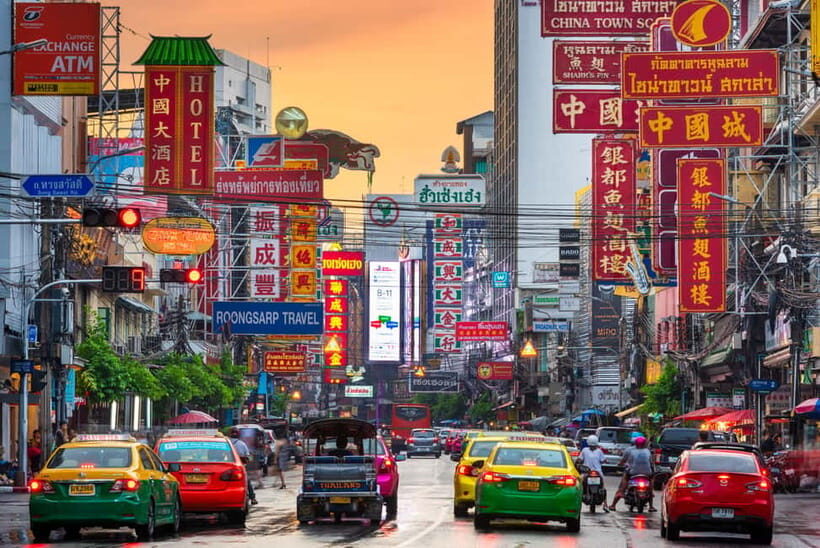
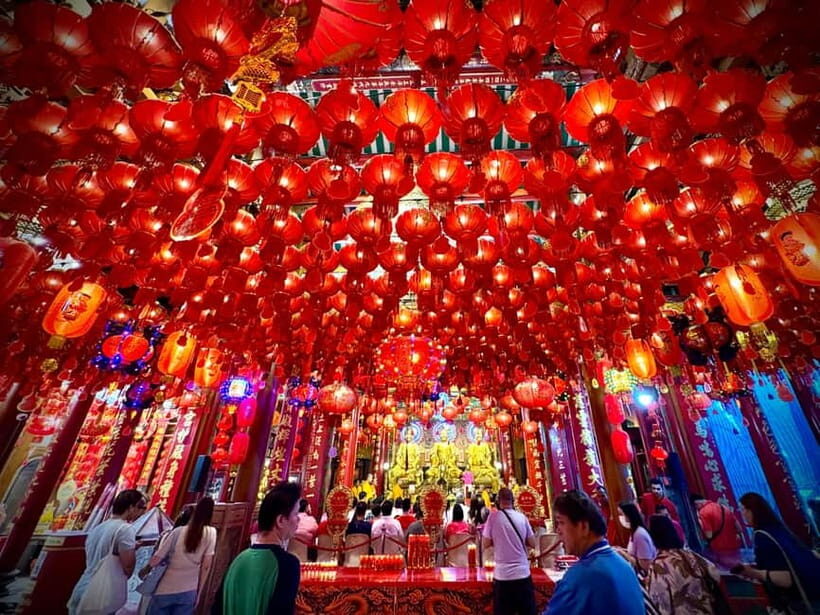
The first major stop is Wat Mangkon Kamalawat, described as a hub of Chinese spiritual life. This is the kind of place that helps you understand why Chinatown looks the way it does: shrines, ritual spaces, and an atmosphere where belief is part of the neighborhood rhythm.
From a traveler’s point of view, I like starting with a temple that sets context. When you later see shrines tucked into side lanes, you’ll recognize the pattern instead of guessing.
The guide’s role here is huge. Many guests singled out guides like Jenny and Nok for making explanations clear and story-driven. If you enjoy culture that has both symbolism and social meaning, you’ll appreciate how the guide connects the religious setting to the people who built and shaped the area.
The morning market section: street food, incense, and how to spot what matters
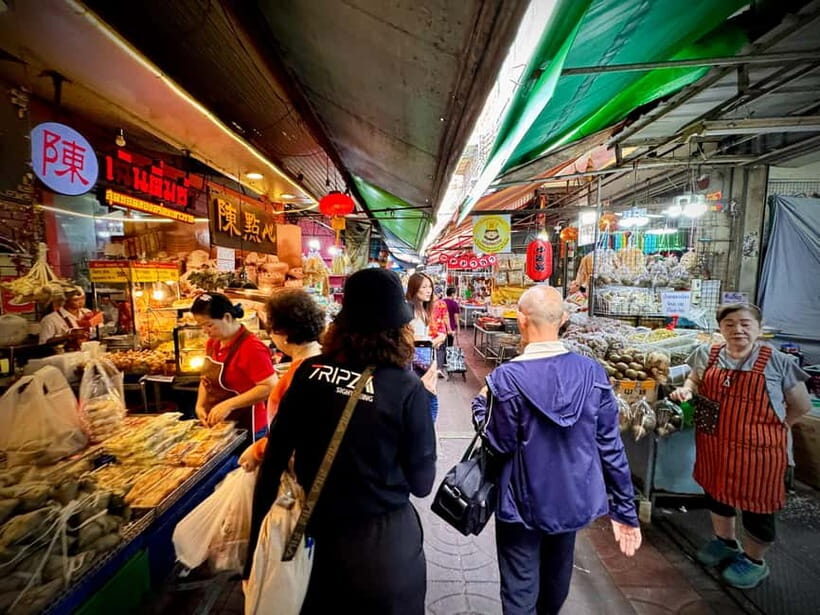
After the temple, you head through a lively morning market period. This is where Chinatown stops being a list of attractions and starts feeling like a living place.
You’ll pass scenes filled with street food energy, incense, and everyday local life. What makes this useful is not just that you see it—it’s that you understand what you’re looking at. A good guide helps you notice the small cues: why certain offerings appear, how the market fits into the neighborhood’s daily schedule, and which streets typically carry the heaviest local foot traffic.
Practical note: markets can mean lots of standing still, then sudden movement. Bring a hat and sunscreen, and keep water handy. The tour includes a bottle of water, but Bangkok heat can still surprise you.
Tian Fah Foundation Hospital: a powerful twist on what a “tour” can teach
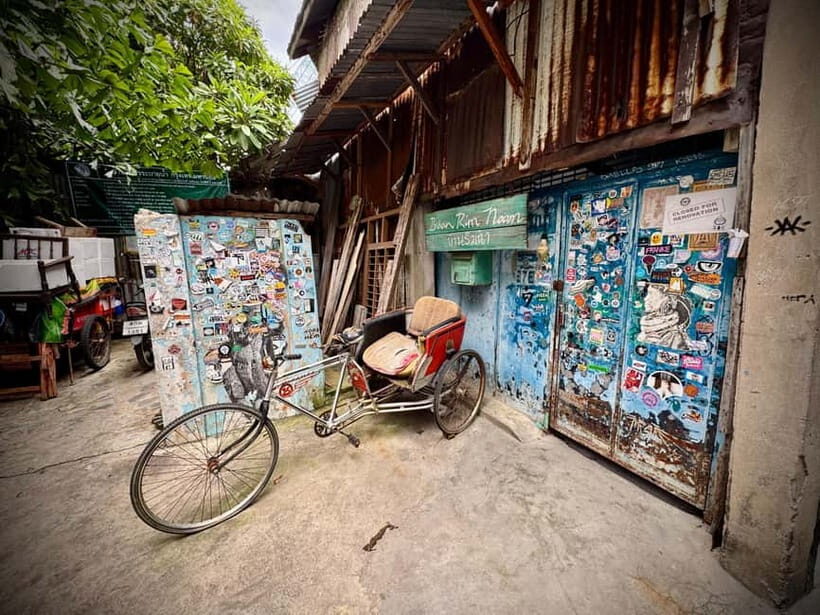
One of the more interesting additions is a visit connected to the Tian Fah Foundation Hospital, noted as Thailand’s first Chinese charitable hospital. This shifts the tour beyond temples and into community support—an angle that often gets overlooked on Chinatown walks.
Even if you’re not a museum person, it helps to understand how old immigrant communities organized themselves. Hospitals and charity efforts are part of how neighborhoods stay connected over generations. You see Chinatown not only as commerce and ritual, but also as care.
This is also where I like the guide’s storytelling. People mentioned guides explaining culture and history with patience and good English. That’s exactly what you want here, because the value is in the connections, not in memorizing dates.
You can also read our reviews of more guided tours in Bangkok




Wat Traimit and the Golden Buddha story: religion meets real trade history
Next up is the tale of the Golden Buddha at Wat Traimit. The Golden Buddha connection is memorable because it links faith and craft to the neighborhood’s broader commercial story.
This stop is especially good if you want one clear “anchor moment” in the middle of the walk. You’ll have seen streets and shrines earlier; here you get a landmark story that’s easier to hold onto later when you reflect on the neighborhood.
Also, if you’re the type who likes seeing how different parts of a city connect, this works well. Old trade routes, migration, and religious objects all show how communities transferred ideas and skills across borders.
Wat Pathum Khongkha: a calmer royal-side break in the schedule
You also visit Wat Pathum Khongkha, described as peaceful and royal. After busier market and alley sections, this is a nice reset.
A quieter temple stop is not just a breather. It helps you read the architecture and grounds with less chaos around you. You’ll often get better moments for photos and a calmer feel for the spiritual atmosphere.
If you’re traveling with kids or someone who gets tired easily, this kind of pacing can make a huge difference. Even in the shorter walking windows, the schedule includes moments designed to give your brain time to catch up.
Talad Noi ironworks alleys: where craftsmanship shows up in the street plan
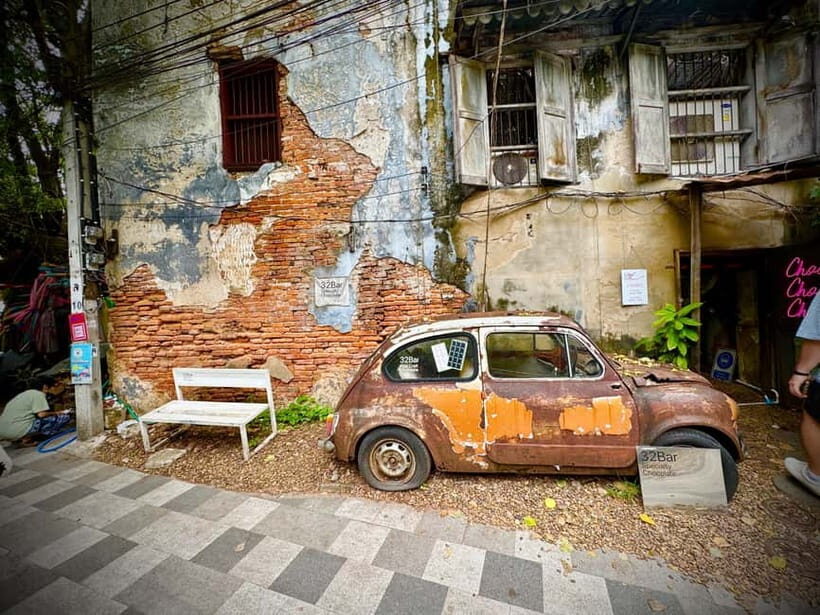
Then comes Talad Noi, specifically the historic ironworks alleys where Chinese craftsmen once forged metal tools. This part is fascinating because it turns a neighborhood into a living map of work.
When you walk narrow lanes, you start to understand why these craft areas would have clustered together. It’s not just history behind glass—it’s reflected in the street geometry and the feel of older buildings compressed around small, practical spaces.
This section is one reason the guided aspect matters. You might notice old doors and signage, but it takes a guide to connect those details to the ironworking past and the neighborhood’s commercial rhythm.
Talad Noi Community Museum and street art: art that fits the neighborhood, not against it
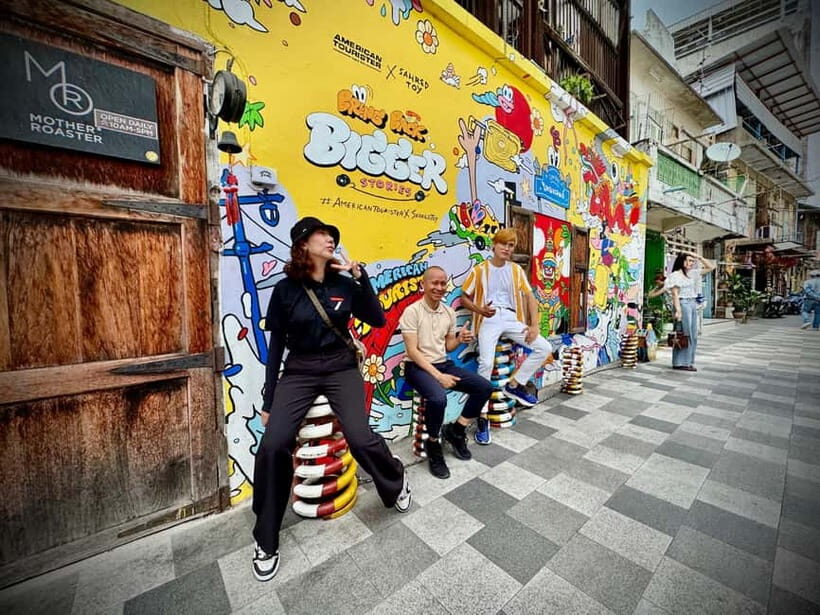
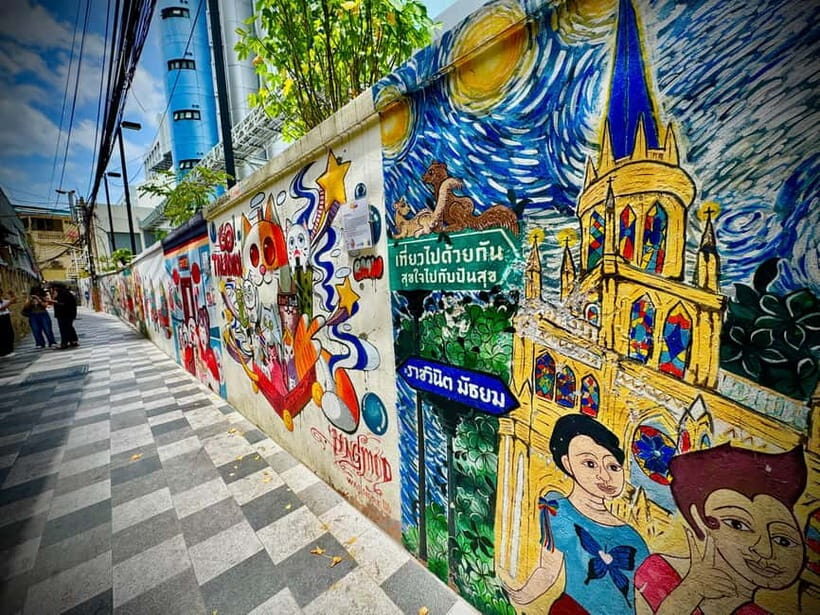
You step into the Talad Noi Community Museum, paired with time for colorful street art. This is a smart add-on, because it shows how the community keeps telling its story through modern visuals.
Street art can feel like a random bonus on some tours. Here it fits the theme: identity, memory, and how people adapt old neighborhoods without losing their roots. If you like photography, you’ll likely enjoy this segment because there’s more visual variety than just temple architecture.
The museum and street art sections also make the tour more balanced for different interests. If your friend is less into temples, this is where they’ll likely perk up.
Hidden shrines between old buildings: the magic is in the side routes
Along the way, you’ll find hidden shrines tucked between old buildings. This is the Chinatown experience most first-timers never reach: the little pockets where worship sits quietly alongside daily street life.
These moments are why a guided walk beats a self-guided wander. Yes, you can get around on your own, but you’ll miss the smaller turns and the context. With a guide, you get to pause, look, and understand what those spaces represent.
It also helps with safety and confidence. Narrow alleys can be confusing. A guide keeps the route flowing so you spend your energy looking, not constantly recalculating where to go next.
Ending at River City Bangkok: plan your next move on the Chao Phraya
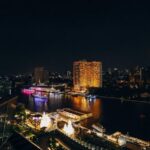
The tour finishes at River City Bangkok right by the Chao Phraya River. I like end points like this because you don’t feel trapped once the walking stops. You’re placed where Bangkok naturally offers options.
You can keep the day going with a riverside lunch or a scenic boat ride. Even if you’re not sure what you want next, you have water views and food nearby, which makes it easier to choose on the fly.
If you like slowing down after a tour, this is a good place to do it. Temples and markets tire your feet; a riverfront finish gives your mind a cleaner landing.
Price and pacing: what you’re really paying for at $19
At $19 per person for about 4 hours, the price is less about checking off individual landmarks and more about buying clarity. You’re paying for:
- A fully licensed English-speaking guide
- Story context that helps you understand what you’re seeing
- A route that stitches together temples, hospitals, markets, and street art without wasted time
The tour includes a bottle of water. Meals are not included, so you’ll likely want to eat before you start or plan for lunch afterward at the river.
There’s also value in how guests describe the guidance style. Many comments praise guides for being friendly, patient, and attentive, with strong English and flexibility. In other words, you’re not just getting a speech; you’re getting help navigating the neighborhood in a way that feels human.
On the pacing side, the tour is structured but still includes stops where you’ll have a breather (like break time and free time in Talad Noi). Still, the main trade-off is simple: you’re walking. Come with comfortable shoes and expect heat.
Who should book this tour, and who might want a different style
This is a strong fit if you:
- Want Thai-Chinese heritage explained through real neighborhood stops
- Enjoy walking tours that mix temples with local street culture
- Like history that connects to commerce, not just legends
- Appreciate guides who can adjust the pace to the group (some guests noted customization)
It might be less ideal if you:
- Need a wheelchair-accessible route or have limited mobility (it’s listed as not suitable for wheelchair users)
- Are pregnant (also listed as not suitable)
- Don’t like warm-weather walking, since you’ll be out for multiple hours and likely exposed to sun
For families: several guests described bringing children and appreciating the guide’s patience. Still, choose shoes and sun protection like you mean it.
Should you book this Bangkok Chinatown and Talad Noi walk?
If you want Bangkok Chinatown without the guesswork, I think this one is a good booking. The biggest win is the way it connects sites—Wat Mangkon Kamalawat, Wat Traimit’s Golden Buddha story, Tian Fah charitable hospital context, and Talad Noi’s ironworks lanes—to one coherent neighborhood picture. You’ll finish with more than photos; you’ll have explanations you can carry around.
Book it if you’re the kind of traveler who likes your city experiences grounded and practical. You’ll get a clear start at MRT Wat Mangkon, a mid-tour temple landmark that sticks, and a riverfront finish at River City Bangkok where you can keep the day moving.
Skip it (or choose another format) if you’re looking for a mostly seated, low-walking experience. Here, the walking is the point.
FAQ
Where is the meeting point?
Meet your tour guide at MRT Wat Mangkon Exit 3.
How long is the tour?
The tour runs for about 4 hours.
Is the guide English-speaking?
Yes. The tour includes a fully licensed English-speaking guide.
What’s included in the price?
The price includes the English guide and a bottle of water.
Are meals included?
No, meals are not included.
Is hotel pickup available?
Pickup is optional. If you select it, be ready and wait in the hotel lobby at least 5 minutes before the scheduled time, and your guide will hold a sign with your name.
What should I wear or bring?
Wear comfortable shoes and light clothing. Bring a hat and sunscreen, and carry a water bottle (the tour provides one bottle of water).
Is the tour suitable for everyone?
It is not suitable for wheelchair users or pregnant women.