REVIEW · BANGKOK
Bangkok: Grand Palace and Emerald Buddha Half-Day Tour
Book on GetYourGuide →Operated by One Asia Corporation · Bookable on GetYourGuide
Gold tiles hit fast.
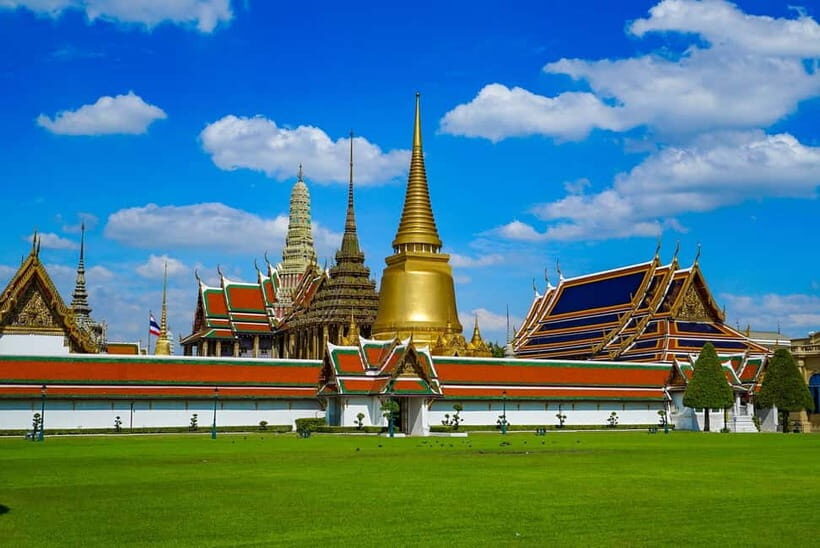
This Grand Palace and Emerald Buddha half-day tour is a smart way to see the Bangkok royal core without getting stuck in the longest queues. I like that you’re led through the complex’s big architectural zones—outer, middle, and inner courts—so you understand what you’re looking at instead of just taking photos.
Two hours also means you’ll get the highlights without losing a whole day to crowding, heat, and walking. The main thing to consider is the strict dress code and the fact that you’re moving on foot through temple grounds, so it’s not a gentle stroll.
In This Review
- Key highlights before you go
- Finding the Tour: Maharaj Tunnel Gate 2 Can Be Tricky
- In Two Hours, What You Actually See (and What You Don’t)
- Outer Courts: State Offices, Courtyard Motion, and First Views of Power
- Middle Court Walk: From Phiman Chai Si Gate to Sanam Ratchakit Gate
- Inner Court: The Rules Get Real from Sanam Ratchakit Gate to Thaew Teng
- Wat Phra Kaew: The Emerald Buddha and Why Jade Matters
- The Regalia Pavilion: Coins, Decorations, and Ceremonial Meaning
- Dress Code and What to Pack: The Fast Checklist That Saves Headaches
- Skip-the-Line Access: Worth It, Especially in Bangkok Heat
- Price and Value: Is $18 a Real Deal?
- Who This Tour Fits Best (and Who Should Rethink It)
- Should You Book the Grand Palace and Emerald Buddha Half-Day Tour?
- FAQ
- Where is the meeting point for this tour?
- What time do I need to arrive?
- Is skip-the-line access included?
- How long is the tour?
- What languages is the live guide available in?
- What is the foreigner entry fee for the Grand Palace?
- What should I wear to enter the Grand Palace and Wat Phra Kaew?
- What should I bring?
- What items are not allowed?
- Can I cancel and get a full refund?
Key highlights before you go
- Skip-the-line access via a separate entrance, so your time goes into the sights
- Wat Phra Kaew + Emerald Buddha as the spiritual centerpiece of the visit
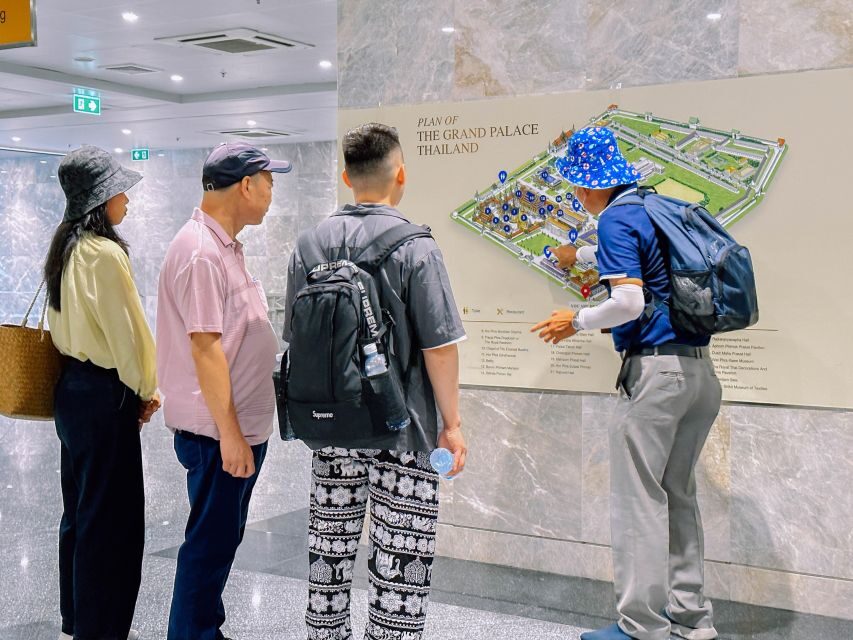
- Outer, middle, and inner courts with an organized route through key gates
- Inner court rules, including a female-only zone where men can’t enter (except the king)
- Photo-focused guiding from guides like Rose, Sammy, Num, Pond, and Paul, who help with timing and group shots
- Real royal context: state offices, palace courtyards, and ceremonial spaces explained on the walk
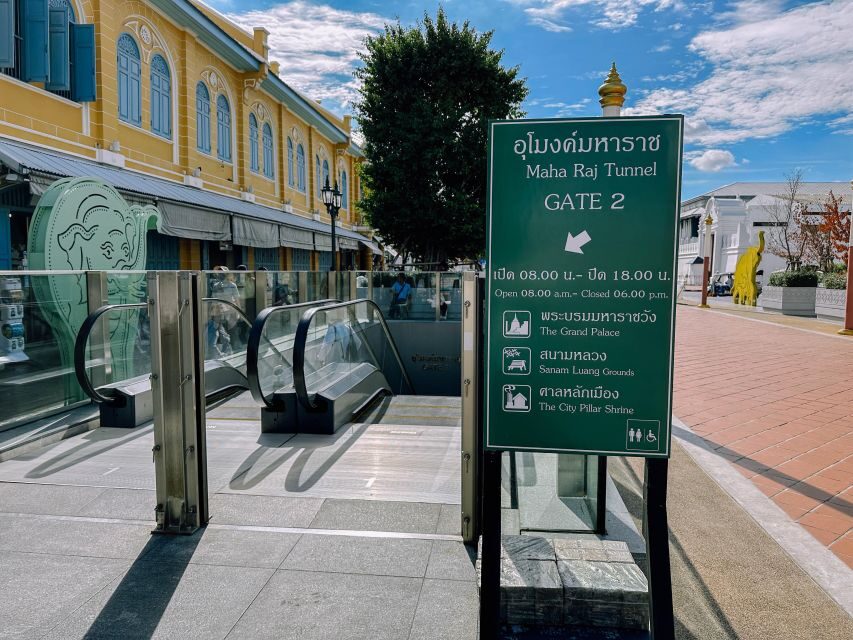
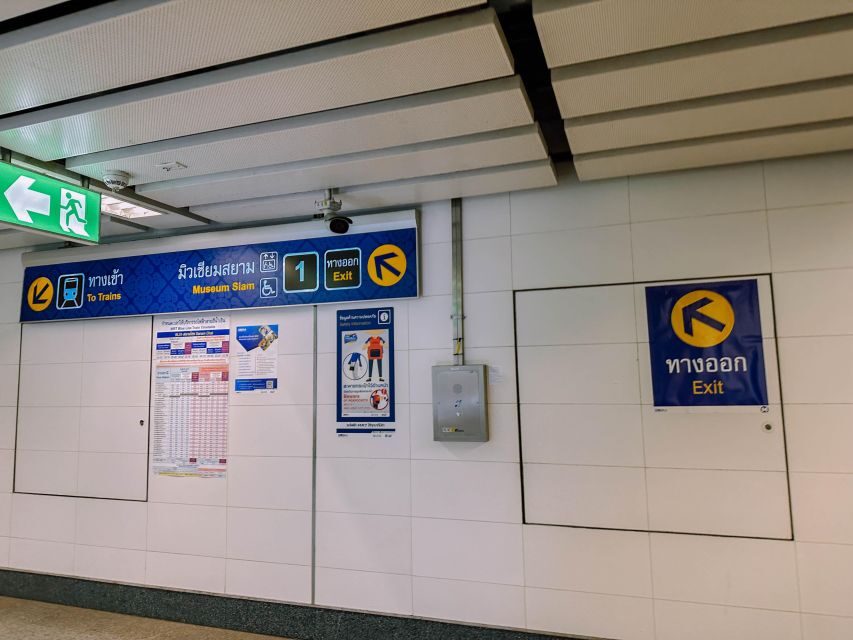
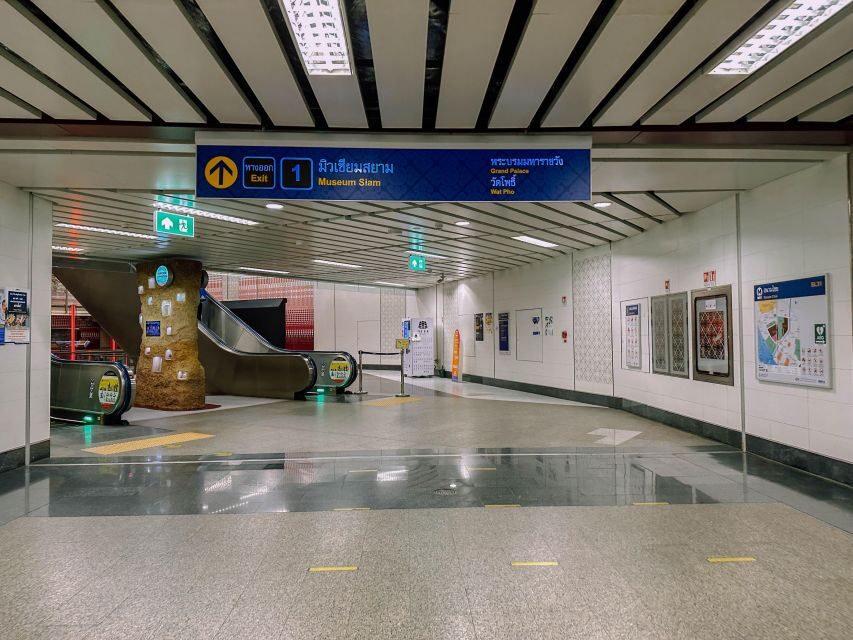
Finding the Tour: Maharaj Tunnel Gate 2 Can Be Tricky
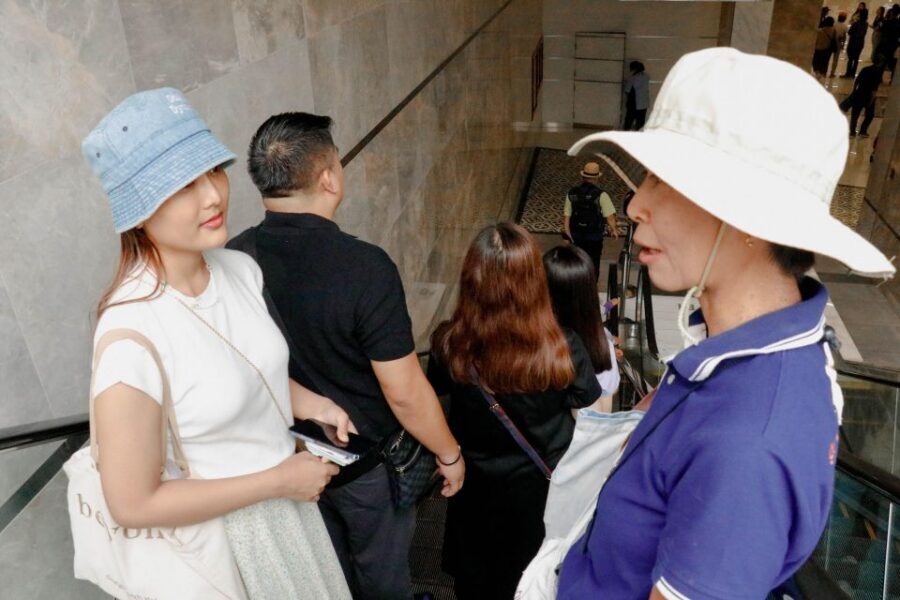
Your start matters here. The meeting point is Maharaj Tunnel Gate 2, and the tour guide meets you 15 minutes early holding a GetYourGuide sign. You also need to show your voucher to the guide.
Why I care about this: the palace area is confusing at first, and some people get thrown off because there are multiple Gate 2 references around the site. One practical tip I’d follow is this: arrive early, stand where the guide can spot you easily, and be ready for quick communication if you miss the exact spot.
If you’re the type who hates last-minute stress, build in extra time before the official start. Even with skip-the-line entry, you don’t want to burn your “two hours worth of sightseeing” just finding the group.
You can also read our reviews of more tours and experiences in Bangkok

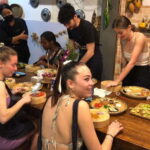

In Two Hours, What You Actually See (and What You Don’t)
This tour is designed to cover the major landmarks in the Grand Palace complex in about 2 hours. You’re guided through different “courts” and key gates, including the outer, middle, and inner courts, then you move to Wat Phra Kaew.
You’ll pass by areas tied to the royal administration and ceremonial life—things like the Bureau of the Royal Household, the Office of His Majesty’s Principal Private Secretary, and the Office of the Royal Institute. You’ll also hear how Bangkok’s founding under King Rama I shaped the palace’s role as the architectural symbol of the Thai Royal Family.
A reality check: you’re not touring a museum at your own pace. Some parts feel like controlled access spaces, and you should expect that certain interiors are restricted. That’s not a bad thing—it’s part of how a living royal and sacred complex works.
Outer Courts: State Offices, Courtyard Motion, and First Views of Power
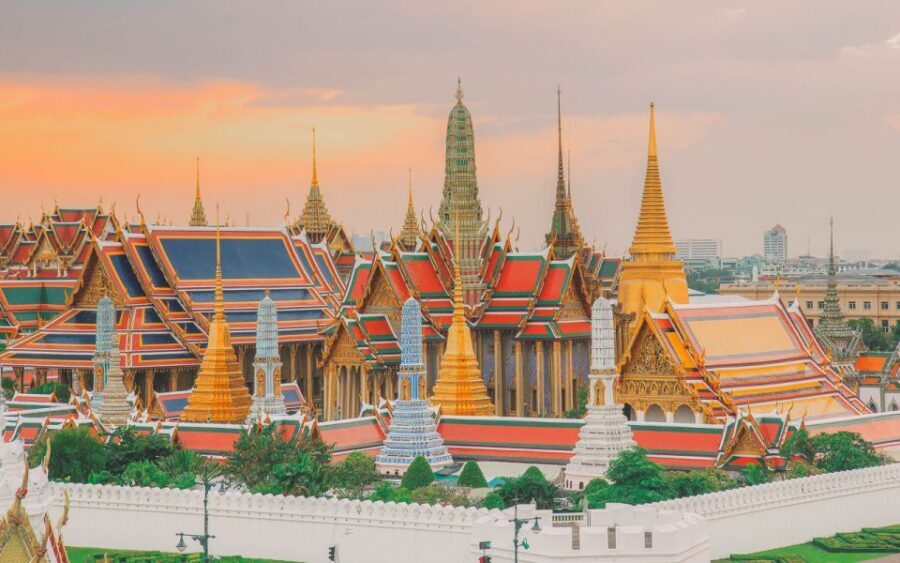
The route starts with the large complex atmosphere: courtyards, gates, and buildings that look ornate from every angle. You’ll follow your guide through the outer court areas and pass the kinds of buildings that supported court administration.
What I like about this approach is that it gives the palace meaning beyond decoration. When you know that the Grand Palace served as the former home of the Thai King and the royal court’s administrative seat, the space stops feeling like just “gold walls.” It starts feeling like a system—built for governance, ceremonies, and authority.
Also, if you’re worried about crowds, you’ll appreciate that the guide keeps the flow moving. People praised guides for weaving between groups and choosing less hectic spots for key explanations and photos.
Middle Court Walk: From Phiman Chai Si Gate to Sanam Ratchakit Gate
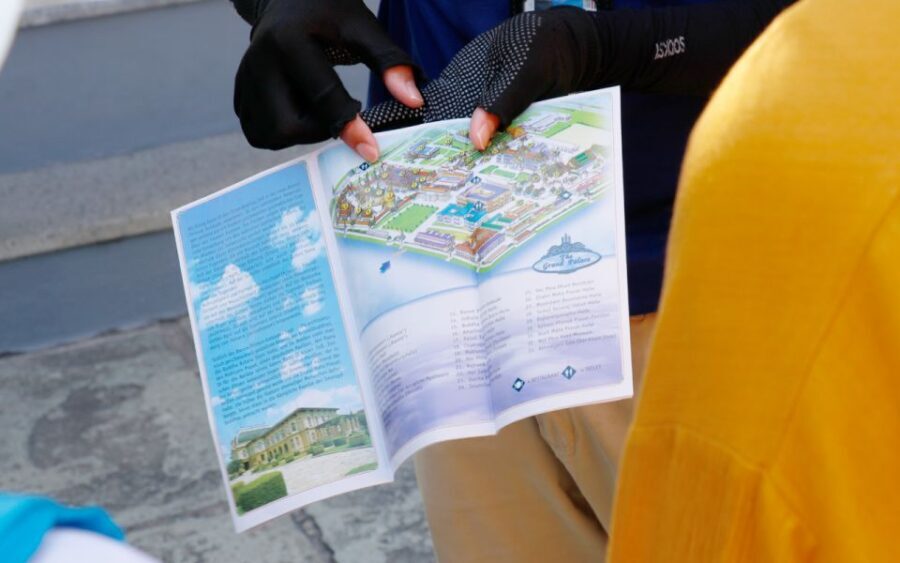
Next comes the middle section, where the pace feels more structured. The tour describes heading into the Middle Court beginning at Phiman Chai Si Gate and moving to Sanam Ratchakit Gate.
This portion includes major palace buildings such as the Phra Maha Monthien Buildings and the Chakri Maha Prasat Buildings. You’ll also see the Siwalai Gardens Quarter, which adds a calmer, more open-feeling pocket to a place otherwise packed with detail.
Why this middle court is worth the time: it’s where the architecture becomes easier to read. Your guide’s job here is practical—point out what each building is for, explain the visual language, and help you understand why the palace is laid out the way it is.
If you’re a photo person, this is where you’ll likely want to pause. One of the most common praises you’ll see is that guides spend time positioning people for clear group pictures, not just herding everyone forward.
Inner Court: The Rules Get Real from Sanam Ratchakit Gate to Thaew Teng
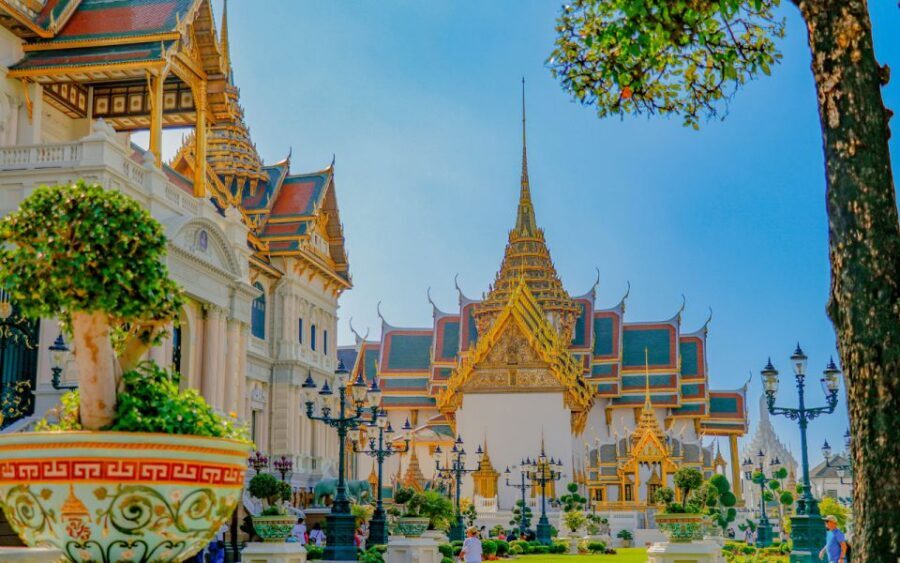
The inner court section is where the visit gets especially meaningful. The tour route moves from Sanam Ratchakit Gate to Thaew Teng, and this part also references how sections once served as palace walls during King Rama I’s reign.
The big “wow” for many people is not just the design—it’s the boundary between public viewing and royal/sacred living. You’re seeing the palace as a layered space, with access shaped by role and rule.
The highlight is also specific and unforgettable: you’ll enter a female-only zone in the southern area of the inner court. In this area, no man is allowed except the king, and it was where queens, consorts, consort mothers, and daughters of the king lived, along with ladies-in-waiting and servants.
Even if you don’t catch every historical detail, you’ll understand the point: this wasn’t built for open tourism. It’s built around court life and ceremony, and the inner court rules reflect that.




Wat Phra Kaew: The Emerald Buddha and Why Jade Matters
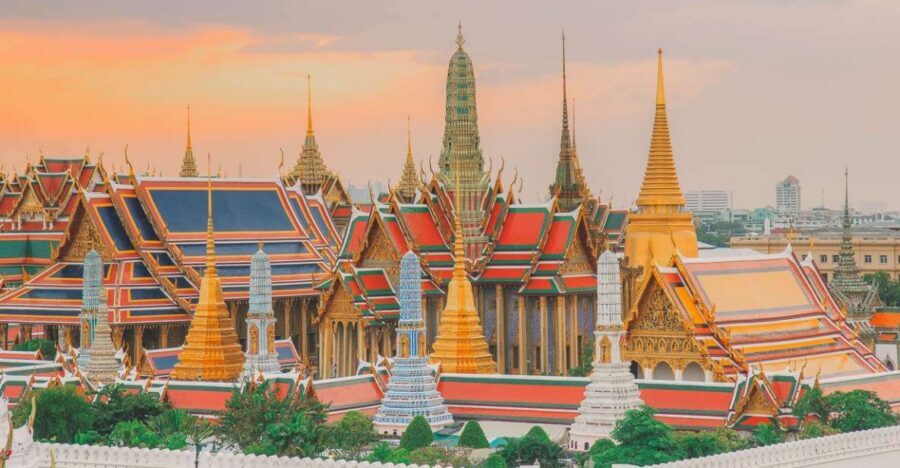
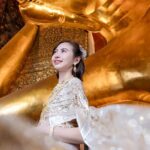
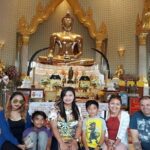
Then you reach the heart of the experience: Wat Phra Kaew, the most sacred Buddhist temple in Thailand. This is where you see Phra Kaew Morakot, the Emerald Buddha, a revered Buddha image carved from a single block of jade.
Why this stop is the spiritual centerpiece: it’s not just another temple photo spot. The craftsmanship and the strict reverence around the object create a different mood in the complex, even when you’re surrounded by visitors.
Your guide helps make sense of the setting: what the temple is, how it connects to Thai Buddhism and the monarchy, and what you should notice while you’re standing there. People often describe guides as friendly, funny, and very hands-on with photo timing, which matters here because the space can feel intense.
The Regalia Pavilion: Coins, Decorations, and Ceremonial Meaning
Inside the Grand Palace complex, you may also visit areas like the Pavilion of Regalia, Royal Decorations and Coins. It’s a smaller stop compared with the courts and Wat Phra Kaew, but it adds a nice layer.
Instead of thinking only in terms of gold walls and temple roofs, you get a glimpse of the material culture tied to Thai monarchy—decorations and coins that represent rank, ceremony, and tradition.
If you like details that connect art to real-world authority, this is the kind of moment you’ll remember later.
Dress Code and What to Pack: The Fast Checklist That Saves Headaches
This palace is strict. You’ll want to show up dressed correctly, because rules are enforced at entry.
Men’s dress code
- Long pants
- Shirts with sleeves
- Shoulders covered
Women’s dress code
- Long skirt or long pants that cover the knees
- Shoulders covered
Tight leggings, see-through clothing, torn pants, short skirts, and shorts aren’t allowed. You’ll also want to avoid bringing luggage or large bags.
What to bring (and why)
- Hat for sun exposure
- Camera for the architecture and Buddha imagery
- Long-sleeved shirt and long pants so you don’t scramble at the last minute
- Cash (useful for small purchases you might want on-site)
- Sarong (helpful to have if you need an extra layer to meet requirements)
One more practical note: the tour doesn’t suit everyone. People with mobility impairments or wheelchair users should plan for an alternative. Hearing-impaired guests may also find it tough, since the activity is designed around walking and a live guide.
Skip-the-Line Access: Worth It, Especially in Bangkok Heat
Skip-the-line access is one of the easiest “value” wins here. The tour uses a separate entrance, which helps you spend time in the palace courts rather than standing around.
Even in good weather, this area can be hot and slow because of crowds. A guide can make a noticeable difference by controlling pacing and moving you between better photo angles and less packed spots. Several guides—like Sampan, Num, and Pond—were praised for keeping people shaded and helping with photos, which is exactly how you want your guide to use their authority.
Also, note the tour language options: Chinese, English, and Thai. If you book English, you’ll still benefit from a clear explanation of what you’re seeing, especially in places where architectural symbolism can be confusing.
Price and Value: Is $18 a Real Deal?
The listed price is $18 per person for a 2-hour guided visit. That’s not a huge amount for a famous Bangkok site, especially when you’re getting:
- a live guide
- skip-the-line access
- and optional hotel pickup and drop-off if you choose it
Now, the big variable is the entry fee. The Grand Palace entry fee for foreigners is THB 500. Your tour option may include the ticket (the info notes entry ticket is included for certain private options), so you should confirm what you’re paying for at checkout.
How I’d think about value:
- If you’re arriving on your own, you’d still need to navigate lines, signage, and explanations. Paying for a guide and skip access often pays off fast.
- If you’re the kind of traveler who wants to linger in every building, this 2-hour format might feel short. But as an efficient “high-impact” palace introduction, it’s priced in a way that often makes sense.
Who This Tour Fits Best (and Who Should Rethink It)
This is ideal if you want:
- a guided introduction to Grand Palace history and architecture without spending the day there
- a structured route through outer, middle, and inner courts
- a clear focus on Wat Phra Kaew and the Emerald Buddha
It also works well for first-timers in Bangkok who feel like the area will be too big to understand without help.
Rethink it if:
- you need step-free access (the tour isn’t suitable for wheelchair users)
- you want a long, slow wander with no direction
- you can’t meet the dress code requirements
If you’re flexible on pace and you can dress properly, you’ll get a lot of meaning out of relatively little time.
Should You Book the Grand Palace and Emerald Buddha Half-Day Tour?
I’d book it if you want a fast, guided hit at Bangkok’s most iconic royal-and-sacred complex. The biggest reasons are simple: skip-the-line entry and a guide who can explain what you’re looking at while helping with photo timing and route flow.
But I wouldn’t book it if the idea of strict dress rules stresses you out or if you’re looking for a slow, linger-anywhere itinerary. In those cases, you’d probably feel rushed.
If you’re ready to plan your outfit, show up on time at Maharaj Tunnel Gate 2, and walk with purpose for about two hours, this tour is a strong value way to experience the Grand Palace and Wat Phra Kaew.
FAQ
Where is the meeting point for this tour?
You meet at Maharaj Tunnel Gate 2. Please arrive 15 minutes before the activity time, and the guide will be holding a GetYourGuide sign.
What time do I need to arrive?
Plan to arrive 15 minutes early so you have time to show your voucher and find your guide.
Is skip-the-line access included?
Yes. The tour includes skip-the-line access through a separate entrance.
How long is the tour?
The duration is 2 hours.
What languages is the live guide available in?
The live tour guide is available in Chinese, English, and Thai.
What is the foreigner entry fee for the Grand Palace?
The Grand Palace entry fee for foreigners is THB 500. Your selected option may include the entry ticket, so check what your booking covers.
What should I wear to enter the Grand Palace and Wat Phra Kaew?
Men need long pants and shirts with sleeves. Women need long skirts or long pants covering their knees, with shoulders covered. Shorts, short skirts, see-through or torn clothing, and tight leggings are not allowed.
What should I bring?
Bring a hat, camera, long-sleeved shirt, long pants, cash, and a sarong.
What items are not allowed?
Shorts, luggage or large bags, short skirts, drones, and alcohol or drugs are not allowed.
Can I cancel and get a full refund?
Yes. Free cancellation is available up to 24 hours in advance for a full refund.