REVIEW · BANGKOK
Bangkok: Half-Day Thai Cooking Class in Bangrak District
Book on GetYourGuide →Operated by Go Scoot Bangkok · Bookable on GetYourGuide
A great meal lesson starts with the market. This half-day Bangkok Thai cooking class puts you in Bangrak near fresh food stalls, then leads you straight into hands-on cooking with a Thai chef. I love how the 5-dish format turns Thai favorites like curry, Pad Thai, spring rolls, and mango sticky rice into skills you can actually repeat later. One thing to plan for: you’ll eat a lot, so don’t show up thinking you’ll sample only.
You’ll start at the cooking school near a fresh market. If you book the morning slot, you’ll walk the market with your instructor and learn what Thai people buy and why, before you cook with those same ingredients. The only real drawback is the location: transport to and from your hotel isn’t included, so build time (and a taxi or BTS route) into your day.
In This Review
- Key Highlights You’ll Care About
- Bangrak Beginnings: Meeting Near a Real Thai Market
- The Morning Market Tour: How Thai Groceries Actually Work
- Cooking in a Small, Guided Rhythm (Not a Chaos Class)
- What You’ll Cook: Five Dishes and a Full Thai Meal
- A Closer Look at Typical Dishes You’ll Learn
- Fragrant Curry: Flavor Layering You Can Repeat
- Pad Thai: The Most Practical Thai Skill for Home
- Hand-Rolled Spring Rolls: Texture and Wrapper Confidence
- Mango Sticky Rice: Dessert That Teaches Measurement
- The Meal Part: Eat, Chat, Then Go Learn-Ready Again
- Value at $45 for Four Hours: Why This One Feels Fair
- Dietary Notes You’ll Appreciate Before You Book
- How to Plan Your Day in Bangkok (Especially Since Transport Isn’t Included)
- What Makes This Class Different From a Generic Tour
- Should You Book This Thai Cooking Class in Bangrak?
- FAQ
- How long is the cooking class?
- How much does it cost?
- What dishes will I cook?
- Is there a market tour?
- Do I get recipes to take home?
- Can the chef accommodate allergies?
- Is the class halal or vegetarian-friendly?
- What languages are used during the class?
- Are drinks included?
- What are the age requirements?
Key Highlights You’ll Care About
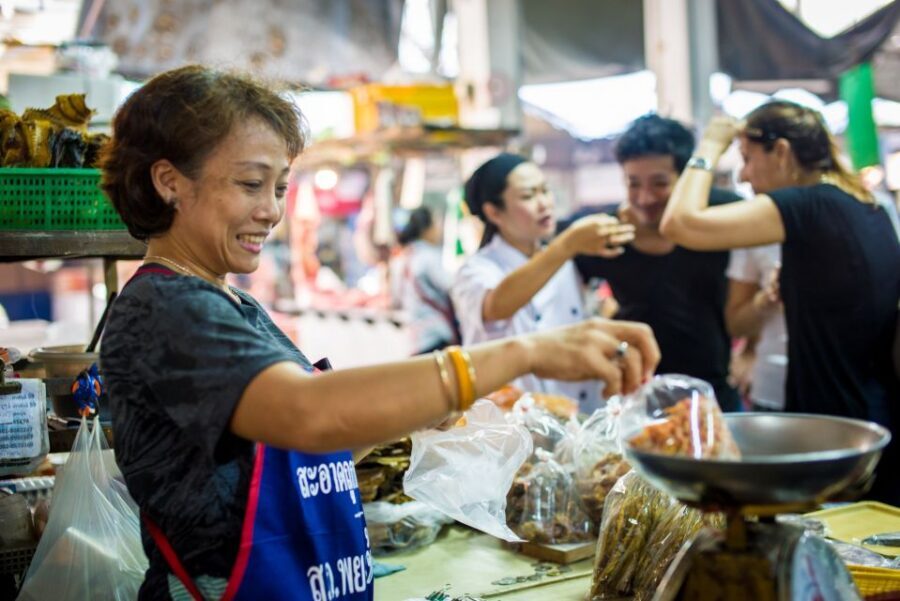
- Bangrak market walk in the morning so you can shop with context, not guesswork
- Cook 5 Thai dishes from scratch and sit down to eat what you make
- Chef-led, English instruction focused on techniques you can repeat at home
- Diet-friendly options including halal and vegetarian, plus adjustments for allergies when you tell them
- Recipes and class pictures emailed after so your home-cooking mission doesn’t end on day one
Bangrak Beginnings: Meeting Near a Real Thai Market
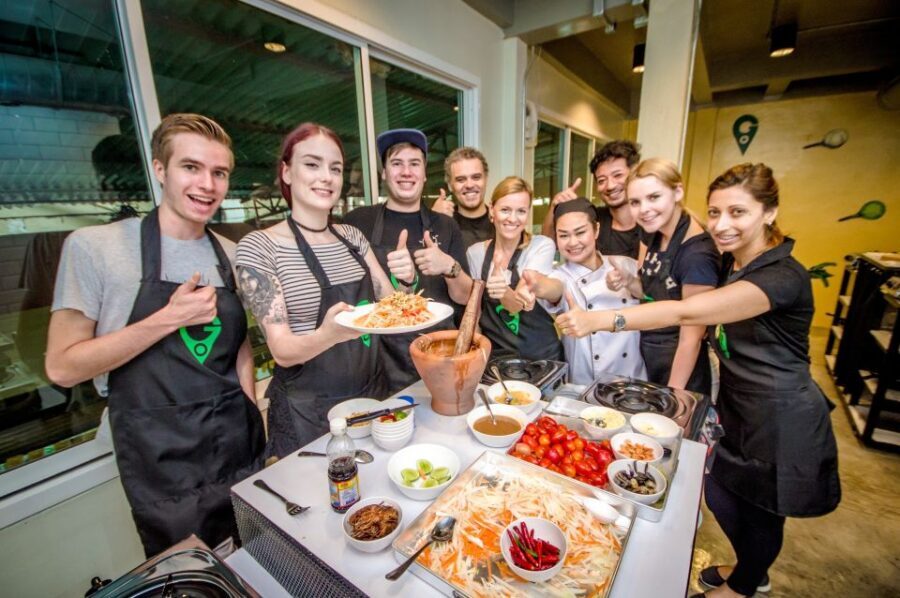
I like cooking classes that don’t treat ingredients like props. This one starts in Bangrak, at a cooking school located right by a fresh market. That matters because Thai cooking isn’t just about flavor. It’s about balance—sweet, salty, sour, spicy—and the right ingredient quality helps you get there without fancy equipment.
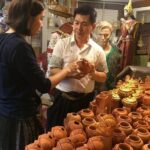
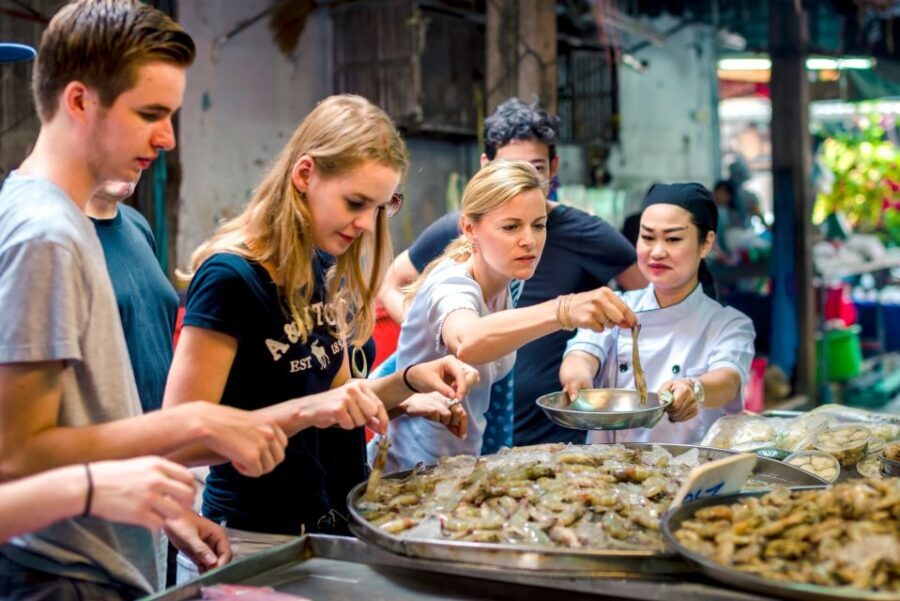
When you arrive, you’ll get oriented by your chef/instructor and then (for the morning session) you’ll head out into the market. The market part is more than sightseeing. You’re shown where items come from and how they’re used in everyday Thai cooking. If you care about shopping like locals, this is the moment where everything clicks.
You can also read our reviews of more cooking classes in Bangkok
The Morning Market Tour: How Thai Groceries Actually Work
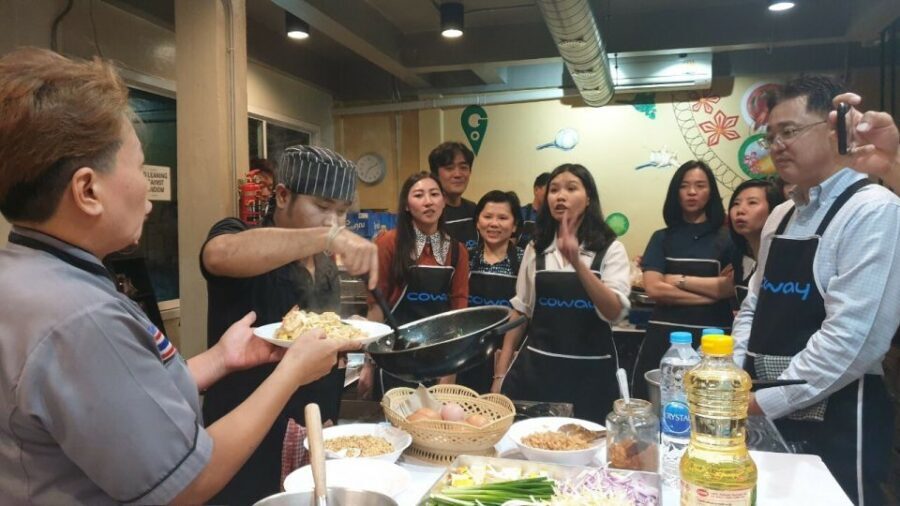
If you book the morning slot, you get a guided market walk before cooking. You’ll see ingredients in their real forms—whole items, herbs, aromatics, sauces, and staples that show up in Thai kitchens. Even if you’ve cooked before, it’s useful to watch how a Thai chef thinks about grocery choices.
The market walk also sets the “why” behind what you’ll make later. You’ll see how Thai cooks build dishes around ingredients that deliver aroma fast (think herbs and spice mixes) and ingredients that set the dish’s texture (noodles, pastes, curd-like components, and crunchy wrappers). That context is what helps you recreate the results at home instead of just copying a recipe.
One practical tip from the way this class tends to run: come ready to learn and ready to eat. People often regret arriving with full stomachs because once cooking starts, the food keeps coming for the full session.
Cooking in a Small, Guided Rhythm (Not a Chaos Class)
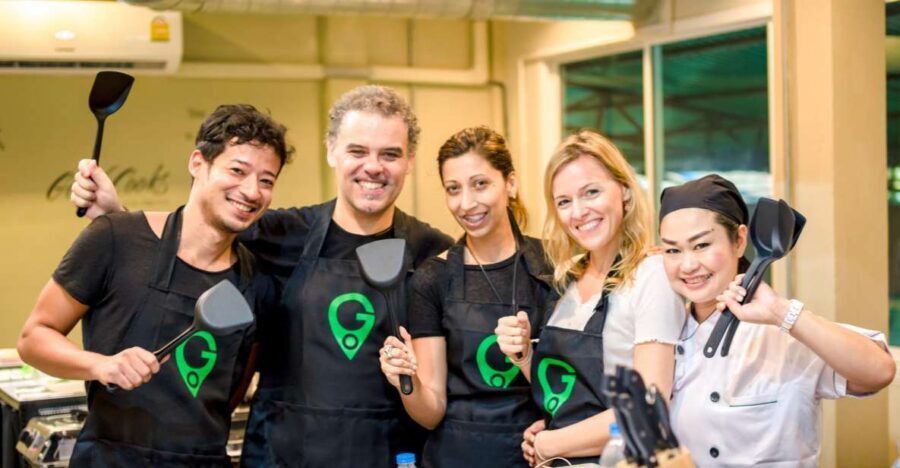
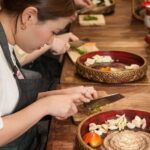
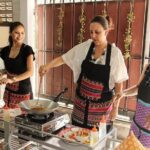
This is a half-day course, but it’s not rushed in a kitchen-you-can’t-keep-up-with way. Your Thai chef guides you through each dish step-by-step, and the class stays structured so you’re not stuck watching while others cook.
A big reason this works well is the mix of theory and technique. The instructor doesn’t just say which ingredient to add. You’ll learn how Thai cooking builds flavor and texture. From the experience stories I’ve read, chefs like Sarin, Natcha, Nadcha, and Kimmy (different classes feature different instructors) are known for keeping things friendly and organized, with lots of hands-on help.
Another plus: the menu can be adjusted. If you tell the operator about allergies ahead of time, the chef can tailor what you eat and how you cook. And if you’re avoiding seafood, you may find the menu adapted for your preferences rather than forcing you to skip the whole meal.
What You’ll Cook: Five Dishes and a Full Thai Meal
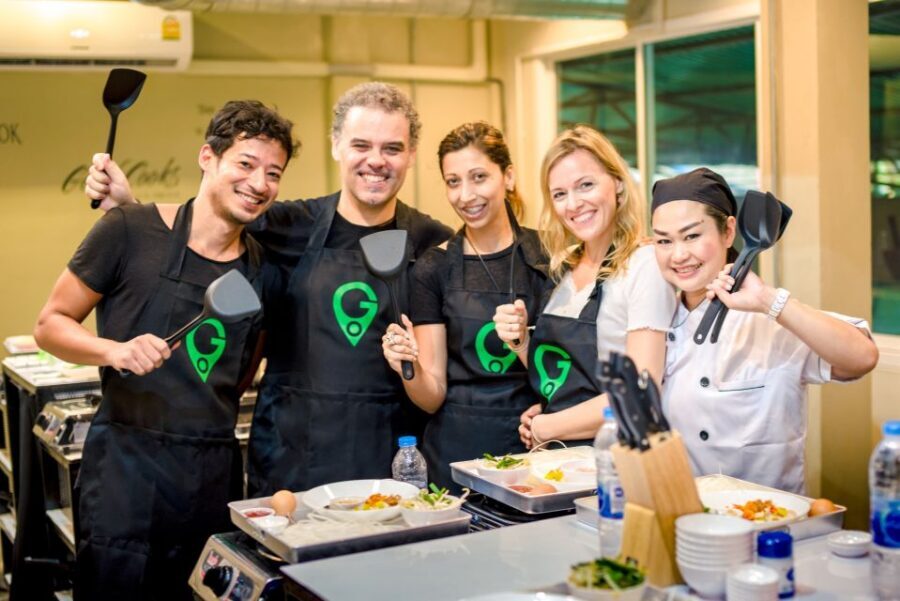
The daily menu changes, but the class is built around five authentic Thai dishes, followed by a sit-down meal where you eat what you cooked. Based on what’s been served in past sessions, you can reasonably expect dishes like:
- Curry (often fragrant and sauce-forward)
- Pad Thai
- Crispy spring rolls (hand-rolled)
- Mango sticky rice
- Plus another Thai dish that rounds out the sweet-salty-sour-spicy balance
Here’s why this “5 dishes” approach feels like better value than many shorter classes: you don’t just make one signature dish and call it a day. You practice key Thai building blocks across different styles—stir-fry, sauce cooking, frying/rolling, and dessert-making.
You’ll also notice that the class isn’t only for advanced home cooks. People have described the technical cooking skills as beginner-friendly, especially when the chef keeps a steady pace and resets the kitchen between dishes so you can focus on each step.
A Closer Look at Typical Dishes You’ll Learn
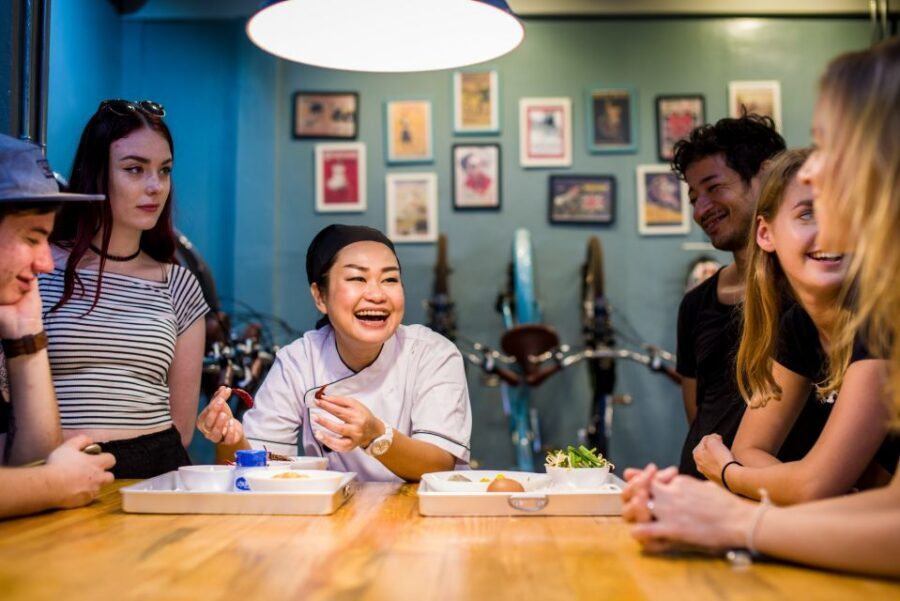
Even without memorizing the exact menu, you can plan your expectations. Here’s how the likely dishes translate into real skills:
You can also read our reviews of more tours and experiences in Bangkok

Fragrant Curry: Flavor Layering You Can Repeat
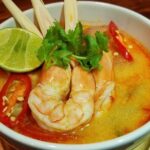
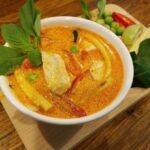
Thai curry is about balance and timing. In class you’ll learn how to turn curry ingredients into something fragrant and coherent—then how to adjust the process so it tastes right, not just “spicy.”
Pad Thai: The Most Practical Thai Skill for Home
Pad Thai is the dish many people want to nail. The value here isn’t just the taste. You’re practicing a core Thai technique: using the right sauce components, working with noodles, and building the dish so it tastes like a restaurant version rather than a bland noodle bowl.
Hand-Rolled Spring Rolls: Texture and Wrapper Confidence
Spring rolls are where home cooks often struggle. In class, you get guidance on rolling and frying or cooking to get that satisfying crisp texture. And because you’re doing it hands-on, you leave with confidence that you can replicate it with the same ingredients you bought at the market.
Mango Sticky Rice: Dessert That Teaches Measurement
Mango sticky rice can be deceptively tricky at home. Thai desserts often rely on getting the rice texture right and matching the sweetness with the right toppings. When the chef shows you the process, you’ll understand what makes it work instead of just following an approximate method.
The Meal Part: Eat, Chat, Then Go Learn-Ready Again
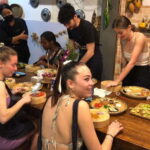
After you cook, you sit down with your group and eat. This matters because Thai cooking is social and layered. You get to taste how the flavors evolve once everything lands on the plate—curry aroma after simmering, pad thai’s sauce balance, and spring roll crunch.
You also get a moment to talk with your chef and others in the class. In several experiences, chefs used the time to explain Thai cuisine beyond technique—how ingredient choices support flavor and how Thai households think about cooking as a practical daily skill.
And yes, be realistic: you’ll be full. Many people recommend you don’t eat breakfast first. Arrive hungry so you can enjoy the full progression of dishes without feeling like you’re forcing it.
Value at $45 for Four Hours: Why This One Feels Fair
At about $45 per person for roughly 4 hours, the value is in what you get for your time:
- You cook five dishes instead of watching and sampling
- You eat the meal you prepared
- You get unlimited water, coffee, and tea
- You receive recipes and class pictures afterward by email, so the class keeps paying off after you leave Bangkok
If you’ve ever paid for a cooking class where you only get partial guidance, this feels different. You’re not just learning “the idea of Thai food.” You’re learning the steps and the ingredient logic. And the recipes help you rebuild the same results at home without guessing.
One extra note: beer is available to buy during the experience, and you can bring your own alcohol with no corkage charge. If you like a relaxed meal vibe, that’s a nice option. (But since you’re cooking and eating most of the session, plan for light sipping rather than heavy drinking.)
Dietary Notes You’ll Appreciate Before You Book
This class is halal and vegetarian-friendly, and you’re welcome to request allergy accommodations. The key is to tell the operator about your allergies ahead of time. The chef can then tailor what you cook and eat so you’re not just substituting at the last minute.
People have also shared that pescatarian preferences can be accommodated and that menus can change to avoid disliked ingredients like fish. If you have strong dietary needs, send details early and you’ll feel more confident you’ll get a full, satisfying meal.
How to Plan Your Day in Bangkok (Especially Since Transport Isn’t Included)
Because transport to and from your hotel isn’t included, you’ll want a simple plan:
- Pick a meeting time that leaves cushion for getting to Bangrak.
- If you’re using public transit or a taxi, give yourself extra buffer for Bangkok traffic.
- If you’re doing the morning market slot, treat it like an active start. You’re going to be walking and then cooking for hours.
Also think about timing after the class. You may feel like you’ve already eaten your way through half a Thai menu. If dinner plans are fixed, consider keeping them light or flexible.
What Makes This Class Different From a Generic Tour
Plenty of Bangkok experiences show you food. This one teaches you how to make it. The market walk is the bridge. It helps you understand how Thai flavor starts with ingredient selection, not just with the sauce bottle.
The hands-on format also means you practice real kitchen actions: chopping, mixing, rolling, cooking, and finishing. And if the group size is small, you’re more likely to get extra attention at the station—one-on-one support can happen depending on how many people are booked for your time slot.
Hygiene and cleanliness are also consistently praised. A clean setup in a cooking school isn’t a luxury; it’s what lets you focus on technique instead of wondering about the environment.
Should You Book This Thai Cooking Class in Bangrak?
If you want Thai food you can reproduce at home, I’d strongly consider booking. This class is a good match for:
- First-time visitors who want a Thai flavor lesson without needing restaurant reservations
- Home cooks who care about technique, not just taste
- People who like markets and want to learn what to buy and how to use it
- Anyone who values leaving with recipes and pictures, not only memories
Skip it (or at least plan carefully) if you:
- Don’t eat much and hate large meals
- Need hotel pickup or don’t want to handle your own way to Bangrak
- Have mobility needs, since it isn’t suitable for people with mobility impairments
Overall, this is a straightforward, high-satisfaction choice: you cook, you eat, you learn why, and you get the recipe list afterward.
FAQ
How long is the cooking class?
It lasts 4 hours.
How much does it cost?
The price is $45 per person.
What dishes will I cook?
You’ll prepare and cook 5 authentic Thai dishes. The menu changes daily, and Pad Thai, curry, spring rolls, and mango sticky rice are common options.
Is there a market tour?
Yes, the market tour is included in the morning session only.
Do I get recipes to take home?
Yes. You’ll receive all recipes and class pictures by email after the class.
Can the chef accommodate allergies?
Yes, you should let the operator know about any allergies.
Is the class halal or vegetarian-friendly?
Yes. It’s halal and vegetarian-friendly.
What languages are used during the class?
The instructor teaches in Thai and English.
Are drinks included?
Unlimited drinking water, coffee, and tea are included. Beer is available to buy, and you can bring your own alcohol with no corkage charge.
What are the age requirements?
You must be over age 12 and at least 140 cm tall to join.