REVIEW · BANGKOK
Tingly Thai Cooking School Evening Class
Book on Viator →Operated by Tingly Thai Cooking School · Bookable on Viator
Want dinner with instructions? That’s what this Tingly Thai Cooking School evening class delivers: you learn Thai techniques while you’re making (and then eating) a proper multi-dish dinner. It runs about three hours, starts at 6:00 pm, and keeps things small enough to actually get hands-on help.
I especially like two parts. First, you don’t need to eat before you go because dinner is included and you’ll sit down to enjoy what you cook. Second, the instruction is interactive—people consistently mention upbeat, funny, clear teachers like Song, Cho, and Nam—so even beginners can follow along. One thing to consider: this evening slot doesn’t include the market tour, so don’t expect ingredient-buying sightseeing as part of this particular class.
In This Review
- Key takeaways before you book
- Bangkok at 6:00 pm: what the evening class is really like
- Getting to the school: meeting point and the two-address trick
- The 3-hour itinerary: how the lesson turns into your dinner
- Start: get oriented and work from a plan
- What you’ll cook: curry, soups, noodles, and dessert
- Dinner: you eat what you cooked, course-style
- Why the teachers make the class: English/Thai help and real momentum
- Spice control: you can steer the heat, but speak up early
- Vegetarian options: how to make it work with a multi-dish menu
- Equipment, clean kitchens, and learning that transfers home
- No market tour on this evening slot: plan for that expectation
- Cost and value: is $40.76 per person worth it?
- Who should book this Thai cooking class (and who might not love it)
- Quick practical tips so you enjoy it more
- Should you book Tingly Thai Cooking School evening class?
- FAQ
- What time does the evening class run?
- Is dinner included?
- What dishes might I cook?
- Is there a market tour included?
- Are there vegetarian options?
- How many people are in the class?
- Do I get a recipe to take home?
- Are alcoholic beverages included?
- What if the weather is bad?
- Is free cancellation available?
Key takeaways before you book
- Dinner is included, and it’s what you cook (come hungry)
- Small group size (maximum 12 travelers) means more attention at the stations
- English and Thai guidance so you’re not left guessing what to do next
- A repeatable skill focus: techniques plus a recipe so you can cook at home
- Vegetarian options are available if you plan ahead
- No alcoholic drinks included, so plan around that if you want them
Bangkok at 6:00 pm: what the evening class is really like
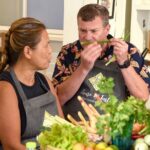
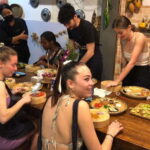
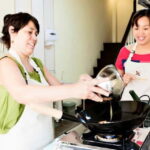
This class is built for people who want more than a restaurant meal. You’re not just watching someone else cook. You’re doing the prep, learning when to add what, and then turning around to eat the results. The schedule is tight and friendly: start at 6:00 pm, finish around 9:00 pm, and you’ll still have plenty of night left for Bangkok.
The school setup is clearly designed for flow. In typical cooking classes, the bottleneck is always the same: prep takes time, stations get crowded, and everyone waits. Here, your time tends to split into prep and cooking areas, then meal time—so the group keeps moving instead of stalling. That matters because Thai cooking is timing-based. If you’re at the “wok” stage too late, the texture suffers.
Also, the tone is social without being chaotic. Multiple people describe a lively instructor who keeps tasks organized while making the whole thing feel easy. That’s a big deal in a foreign kitchen where you don’t yet know the rhythms of Thai flavors.
You can also read our reviews of more cooking classes in Bangkok
Getting to the school: meeting point and the two-address trick
Meet at Tingly Thai Cooking School, Suriyawong 17/1 Soi Prachum, Khwaeng Suriya Wong, Khet Bang Rak, Krung Thep Maha Nakhon 10500. The experience ends back at the meeting point.
Here’s the practical gotcha: you may see two different addresses listed on maps. One is where you check in (a reception office), and then you’re walked a short distance to the actual classroom kitchen. Plan a little extra patience for that first step. If you arrive slightly early, you’ll avoid the rush feeling and can settle in before the class starts.
Good news: it’s near public transportation, and one review notes it’s about a 15-minute walk from the train station. Comfortable shoes help, since you’ll be moving between prep and cooking stations.
The 3-hour itinerary: how the lesson turns into your dinner
Your class time runs roughly 6:00–9:00 pm, and while the exact menu varies, the structure is consistent: ingredient prep → cooking → eating.
Start: get oriented and work from a plan
You’ll begin with instructions, then move into cooking roles. The best way to enjoy this is to treat it like a guided practice session. Pay attention to the order of steps. Thai dishes often depend on quick heat and precise timing, so the “when” matters as much as the “what.”
Also, you’ll get kitchen equipment and support, plus an actual recipe so you can recreate the dishes later. That’s one reason this class is more valuable than a one-off food tour.
What you’ll cook: curry, soups, noodles, and dessert
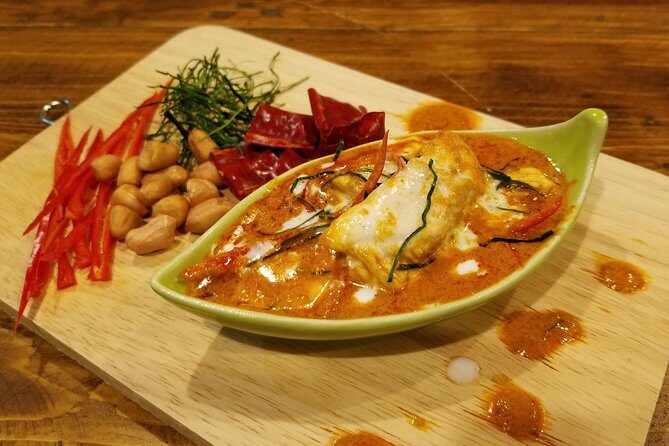
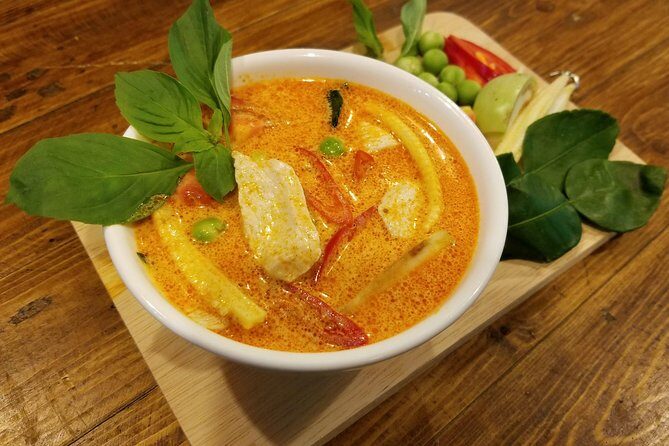
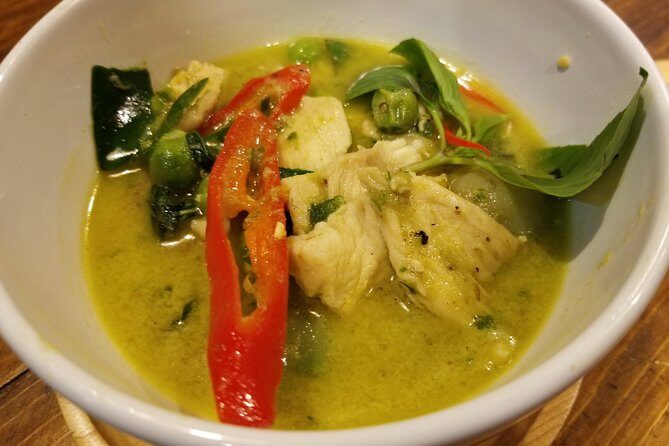
The menu changes, but you’ll typically make a multi-course lineup. Dishes mentioned include:
- Chicken green curry
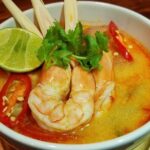
- Tom yum (hot and sour soup)
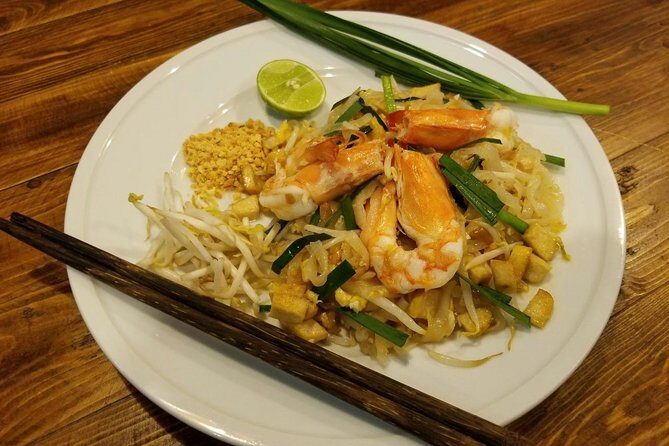
- Fried Thai-style noodles with prawns
- Pad Thai
- Panang curry
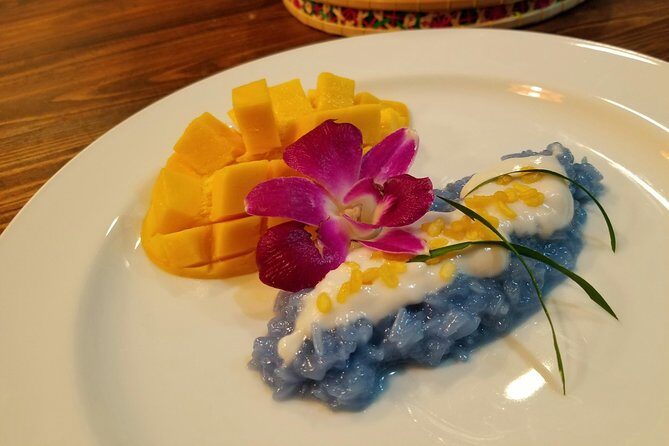
- Sticky rice with mango
- Mango sticky rice and other classic pairings
Most classes run you through around four dishes, which is a sweet spot: enough variety to learn different flavor profiles, without taking over your entire evening. If you’re curious how Thai food balances sour, salty, sweet, and heat, this is a practical way to see it happen in real time.
You can also read our reviews of more evening experiences in Bangkok




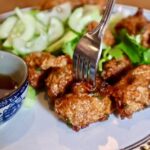
Dinner: you eat what you cooked, course-style
After the cooking, you’ll eat your meal as a full dinner. Several descriptions highlight that the food is “super good,” and many call it one of the best meals they had in Bangkok. That tracks with the format: you’re not guessing what you made—your hands were on the ingredients the whole way.
And yes—this is one of those experiences where you’ll feel the benefit of showing up hungry. You’re effectively “paying” with your appetite and getting a full dinner plus skills. If you arrive fed, the class can feel like work instead of reward.
Why the teachers make the class: English/Thai help and real momentum
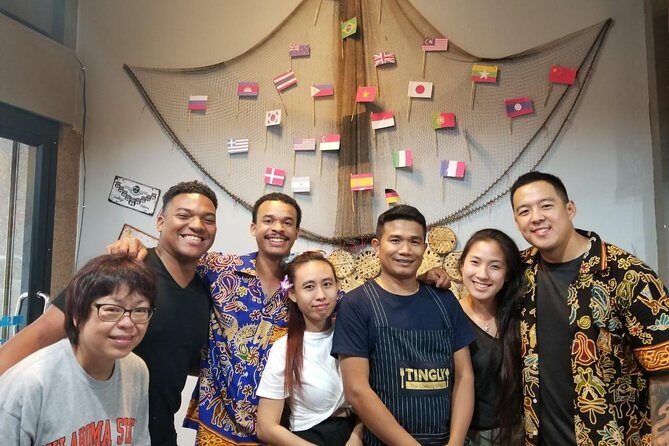
What keeps this from being a generic cooking demo is the human part: the instruction style. Reviews repeatedly name instructors like Song, Cho, Nam, and Sho/Scho, and the common thread is confidence plus humor. In other words, you’re not just being told what to do—you’re being coached through it.
Look for three moments during the class:
- When you’re first shown how to handle ingredients
- When the instructor explains why something goes in when it does
- When they help you troubleshoot spice and texture issues
The class includes English and Thai guides, so you can follow both the technique and the meaning behind it. That matters if you want to cook at home later, not just “survive” a night in Bangkok.
Also, there’s a practical side: the school notes they teach tricks and secrets for Thai cooking, including methods for properly storing Thai food. That’s the kind of useful “after dinner” knowledge that most cooking classes forget to mention.
Spice control: you can steer the heat, but speak up early
Thai food can be intense—sweet, sour, salty, and spicy all at once. This class is a good place to learn how spice works, but there’s a real-world consideration: customization isn’t magic, especially when a dish’s color and pepper content drive the flavor identity.
One clear caution from a review: panang curry can come out quite hot, and the instructor may not have a way to make it mild while keeping the dish’s classic look and pepper character. The practical takeaway for you: tell the guide your spice level before cooking begins, not halfway through. If you want mild, be direct and early.
Still, the overall customization seems strong in general. People mention that the instructor adjusts and helps make the dishes enjoyable for different comfort levels. Just remember that some Thai dishes are built around heat.
Vegetarian options: how to make it work with a multi-dish menu
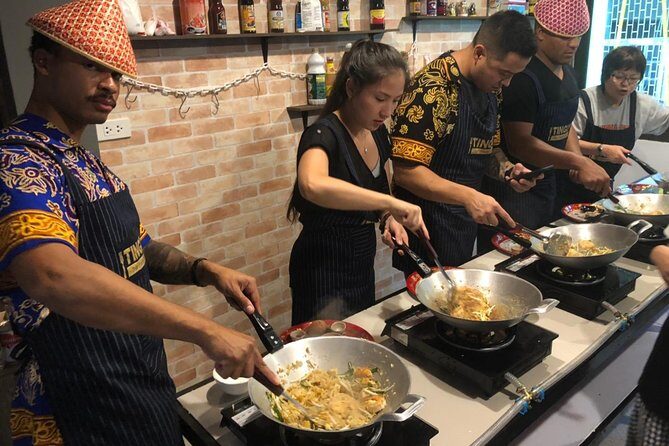
The class offers vegetarian options, and that’s a big advantage for people traveling with dietary needs. Since the menu varies by day, the easiest way to get exactly what you want is to confirm your vegetarian request at booking.
In practical terms, multi-course classes can be tricky for vegetarians when every dish assumes meat or fish sauce. Here, the data explicitly says vegetarian options are available, and the class provides multiple dishes. That combination usually means you’ll get an actual meal, not a sad side salad.
Equipment, clean kitchens, and learning that transfers home
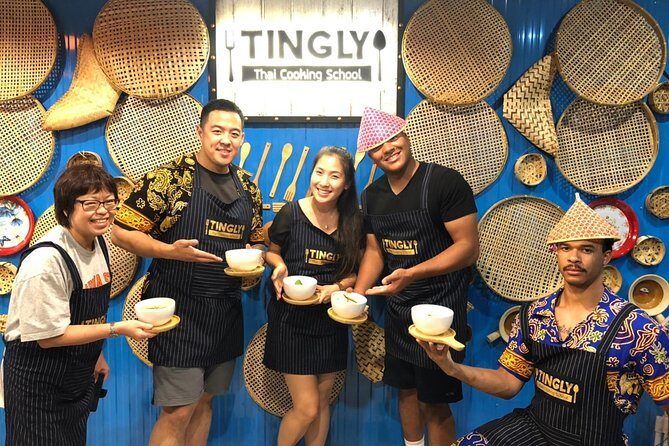
This isn’t a sketchy “watch and hope” experience. Reviews say the classroom is air-conditioned and clean, and that the flow is well organized. You’ll use kitchen equipment provided by the school, so you’re not hunting for anything or dealing with unfamiliar tools.
The best part for home cooking is the recipe. The class includes a recipe, and multiple reviews highlight that you leave with something you can follow later. That’s what turns an evening activity into a skill you can use again.
Also, the school mentions an ingredient-learning mindset: they explain Thai ingredients and methods, and some courses (not this specific evening slot) include market visits to learn where ingredients come from and what to buy. Even without the market component, you’re still learning how Thai dishes are built.
No market tour on this evening slot: plan for that expectation
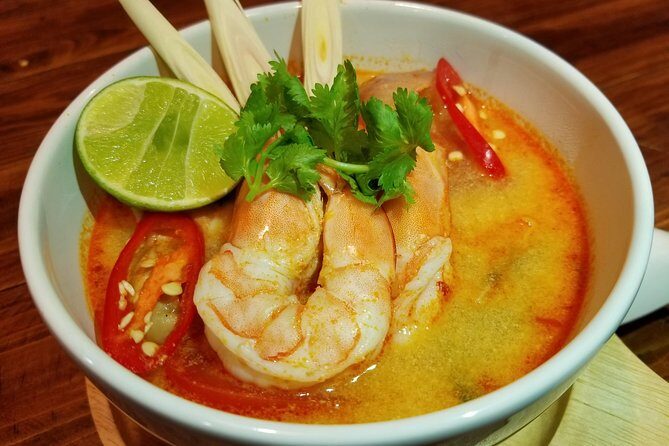
One of the most important notes is that the class time is listed as including the evening cooking lesson but excluding the market tour. So if you were hoping to walk through Bangkok markets for ingredient shopping advice, this date/time won’t match that.
What you can still expect: ingredient knowledge inside the classroom. The instructors teach what ingredients to look for and how the dishes come together. But you won’t get the same “walk, pick, compare” market experience as you might find in other sessions.
Cost and value: is $40.76 per person worth it?
At $40.76 per person, this is priced like an evening activity, but the value comes from what you actually get:
- Three hours of instruction and hands-on cooking
- A full dinner included (not just snacks)
- English and Thai guidance
- Kitchen equipment
- Bottled water
- Recipe to take home
- Vegetarian options
- Small group size (maximum 12 travelers)
If you compare this to a “just eat” dinner plus a cooking video or casual workshop, the difference is that you’re paying for guided practice and a take-home reference. And if you’re staying in Bangkok for only a few days, it’s one of the best ways to turn an evening into something you can reuse later.
One more value angle: many reviews call it one of the best meals in Bangkok. If the food is genuinely excellent and you learned how to make it, that’s hard to beat for the price.
Who should book this Thai cooking class (and who might not love it)
This class is a great match if you want:
- A hands-on Bangkok experience that produces real food
- A beginner-friendly way to learn Thai cooking basics
- A fun option for families and teens (reviews mention teens enjoying it)
- A dinner plan that doesn’t require another restaurant decision
It’s less perfect if:
- You strongly want a market tour as part of the same evening
- You expect to become a “master chef” by the end (one review describes it as fun and instructional, but not life-changing)
- You’re very sensitive to fast pacing—some people felt the instruction moved quickly and they couldn’t always keep up with listening
If you go in with the right mindset—practice, taste, and learn—you’ll likely have a great time.
Quick practical tips so you enjoy it more
A few small things make a big difference:
- Arrive hungry. Dinner is included, and you’ll want the space to enjoy what you cook.
- Ask about spice level early. If mild is your goal, say so right away.
- Look for the correct check-in spot. Maps may show two different addresses; start at the reception office and expect a short walk.
- Wear comfy clothes and shoes. You’ll be moving around kitchen stations.
- Go with questions. This is a guided skill session—ask what you’re tasting and why it works.
Should you book Tingly Thai Cooking School evening class?
If you want a Bangkok evening that combines real food, real instruction, and a recipe you can use later, I’d book this. The small group size, dinner included, and supportive English/Thai teaching are exactly what make it feel worth the money. You’ll also get a classic Thai menu variety—curry, soups, noodles, and dessert—so you leave understanding the building blocks of flavor, not just the taste.
Skip it only if you’re specifically chasing the market tour experience during the evening slot. Otherwise, this is one of the most practical ways to turn your Bangkok dinner into a skill.
FAQ
What time does the evening class run?
The class starts at 6:00 pm and runs until about 9:00 pm.
Is dinner included?
Yes. Dinner is included, and it’s part of the experience after you cook.
What dishes might I cook?
The menu can vary, but examples include green curry, hot and sour soup (tom yum), fried Thai-style noodles, pad thai, panang curry, and sticky rice with mango.
Is there a market tour included?
For this evening class, the market tour is excluded.
Are there vegetarian options?
Yes. The class offers vegetarian options.
How many people are in the class?
The group size has a maximum of 12 travelers.
Do I get a recipe to take home?
Yes. Recipe materials are included.
Are alcoholic beverages included?
No. Alcoholic beverages are not included.
What if the weather is bad?
If it’s canceled due to poor weather, you’ll be offered a different date or a full refund.
Is free cancellation available?
Yes. You can cancel for a full refund up to 24 hours before the experience starts.

![Floating & Railway Market and Coconut Farm Tour [Optional Luxury] - Why the small-group size matters (more than you think)](https://b.exploringbangkok.com/wp-content/uploads/floating-railway-market-and-coconut-farm-tour-optional-luxury.jpg)