REVIEW · BANGKOK
Bangkok Heritage & Street Art Private Walking Tour
Book on Viator →Operated by WanderSiam · Bookable on Viator
Bangkok can feel like one big blur. This private walking tour slows it down and connects the city’s heritage to the street art popping up in everyday neighborhoods. I like the way it combines food + culture + urban art without turning into a museum marathon, and I especially like the sequence of stops that walks you from riverside-era Bangkok into the older Chinatown lanes of Talat Noi. One thing to consider: it’s still a walking tour, so it’s not ideal if you have walking limitations.
You’ll start the day at 9:00am and move through backstreets where historic shophouses, churches, and old riverfront buildings sit close to newer creativity. I also like that admissions for the listed sights are free, which makes the tour feel more like a guided day out than a checklist you pay for item by item. A possible drawback: the tour ends in Talat Noi, so you’ll need to plan your own trip back from there.
The group is private, just your party, led by an English-speaking guide. In past tours, guides like Net and Nikki have brought a fun, energetic approach, and the small meal and snacks were handled in a way that worked for different dietary needs. Bring a raincoat just in case; the tour runs rain or shine, and heavy showers can mean detours to stay dry.
In This Review
- Key things to know before you go
- Walking into a Bangkok most people skip
- Prachak (Roasted Duck): where your morning gets delicious
- Wat Suan Phlu: a calm pause off busy Charoen Krung
- Assumption Cathedral: Roman Catholic roots in Bang Rak
- East Asiatic Building: riverfront nostalgia with a designer’s eye
- Bang Rak: where the past got forgotten, then returned
- Holy Rosary Church (Kalawar Church): Gothic Revival along the river
- Talat Noi: old Chinatown streets and a slower kind of shopping
- Rong Kuak Shrine: the Hakka-Chinese heritage thread
- Street art you can actually find (without fighting crowds)
- Food, snacks, and $83.17: does it feel like value?
- How the day runs: timing, private pace, and the Talat Noi finish
- Rain plan and what to pack
- Who this tour suits best
- Should you book this Bangkok heritage & street art walking tour?
- FAQ
- What time does the Bangkok Heritage & Street Art Private Walking Tour start?
- How long is the tour?
- Is this tour private?
- Do you get hotel pickup?
- Where does the tour end?
- Is the admission fee included for the sights?
- What’s included in the price besides the guide?
- Is tipping included?
- Does the tour run in bad weather?
- Can the guide accommodate dietary needs?
Key things to know before you go

- Private for your group: only your party participates, so the pace can feel less hectic.
- Real food early: roasted duck at Prachak is part of the route, and it’s been serving since 1909.
- Free admissions at the stops listed: helps you judge the value with fewer surprise costs.
- Heritage in layers: Ayutthaya-era temple origins, French-era cathedral building dates, and Hakka Chinese traditions.
- Street art without the crowd: you’ll spot urban creativity in quieter backstreets.
- Ends in Talat Noi: plan your afternoon transportation around the finish point.
Walking into a Bangkok most people skip
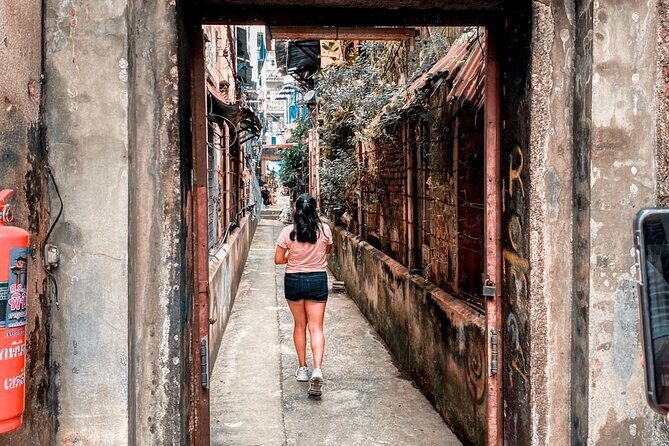
If you only stick to the big-name routes, Bangkok can feel like it’s all spectacle and no texture. This tour takes you into Charoen Krung and Talat Noi—areas tied to trade, diplomacy, immigrant communities, and old warehouses—then shows how today’s street art and local life fit right into that story.
What makes it work is the flow. You’re not bouncing around the city randomly; you’re walking a corridor that already contains the clues: riverside buildings, old religious sites, and neighborhood streets where creativity shows up on walls you’d normally pass by.
The tour length is about 4 hours 20 minutes, which is long enough to feel like a proper outing, but short enough that you can still have a normal afternoon afterward. It’s also designed to be practical: you get hotel pickup, an English-speaking guide, and drinking water, plus snacks and a small meal.
You can also read our reviews of more walking tours in Bangkok

Prachak (Roasted Duck): where your morning gets delicious
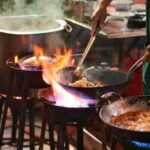
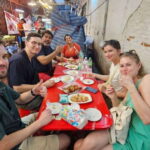
The first stop is Prachak Roasted Duck, a classic local spot known for serving hungry locals since 1909. This isn’t a fancy staged tasting; it’s described as humble and no-frills, which is exactly why it matters. Food like this is part of how Bangkok remembers itself—quietly, day after day.
You’ll enjoy a tasty bite here as your starting fuel. If you care about getting at least one real Bangkok eat on your trip, this is the kind of place that can set the tone for everything that follows.
Practical tip: go in hungry, because once you smell the roast duck, it’s hard to pretend you’re just there for a quick bite.
Wat Suan Phlu: a calm pause off busy Charoen Krung
After the food, the route shifts into quieter lanes with Wat Suan Phlu, tucked in an alley off Charoen Krung Road. This stop is brief—about 10 minutes—but it gives you something important: a breather from the bustle that’s still close by.
The temple’s origin traces back to the late Ayutthaya era, connected to land that used to be betel-nut gardens. That detail helps you read the neighborhood differently. You start noticing that these places weren’t dropped into the city recently; they’re rooted in older rhythms.
This is also a good reminder that the tour isn’t just chasing photos. You’re moving from one layer of Bangkok’s past to the next, with the guide explaining what you’re looking at as you go.
Assumption Cathedral: Roman Catholic roots in Bang Rak
Next comes Assumption Cathedral, described as Bangkok’s principal Roman Catholic cathedral. It’s beside Charoen Krung Road near Oriental Pier in the historic Bang Rak district.
The time frame matters here: it was built between 1809 and 1821 under French mission influence. That’s not just trivia. It tells you this neighborhood has long hosted outsiders and mixed communities, especially along the riverside trade routes.
It’s another short stop—around 10 minutes—but it gives you an architectural and cultural contrast to the Buddhist sites before it. If you like seeing Bangkok’s religious diversity in person, this is one of the strongest stops.
East Asiatic Building: riverfront nostalgia with a designer’s eye
You’ll then see the East Asiatique Company Building, a riverfront landmark on Charoen Krung Road near the Mandarin Oriental Hotel. It was built in 1901, and it’s known for its Italian Renaissance style.
This stop feels like a hinge in the tour. Up to this point, you’ve been learning about spiritual and community landmarks. Now you shift to the era of global commerce, diplomats, and ships tied to the river—Bangkok’s international business energy, made visible in stone.
Again, the stop is brief—about 10 minutes—but the building is the kind you want to look at slowly. Pay attention to how it contrasts with the smaller shophouses around it.
You can also read our reviews of more private tours in Bangkok


Bang Rak: where the past got forgotten, then returned
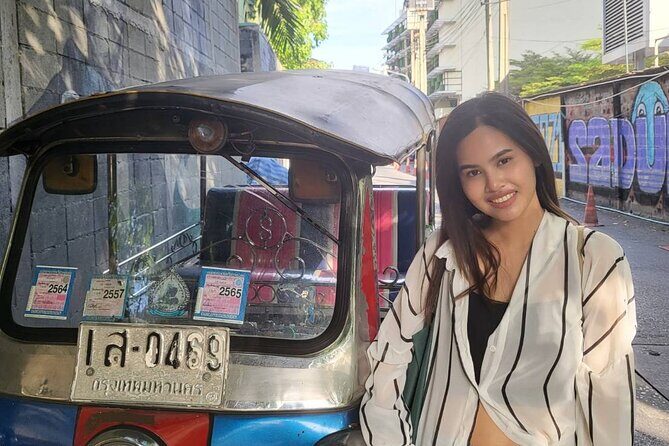
Bang Rak is treated here as more than a dot on a map. The guide frames Charoen Krung Road’s transformations: from a 19th-century hub for diplomats and traders to a quieter, more forgotten corner, with a recent re-emergence.
This is one of the “listen and look” segments. You’re walking, but you’re also learning how neighborhoods can fade and then regain attention. The street scene becomes part of the lesson: buildings with different eras, signage, and how daily life occupies older structures.
It’s about 15 minutes here, which feels right for a short interpretive moment without dragging.
Holy Rosary Church (Kalawar Church): Gothic Revival along the river
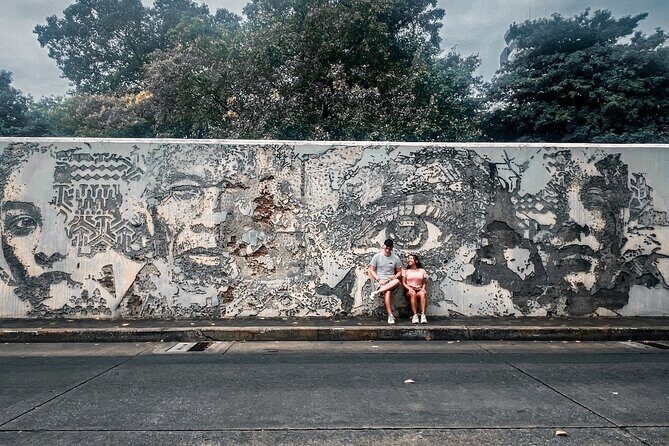
Then you reach Holy Rosary Church, locally known as Kalawar Church. It’s identified as one of the oldest Catholic churches in Bangkok and a striking example of Gothic Revival architecture along the Chao Phraya River.
This is another quick stop at about 10 minutes, but the architecture gives you a lot to work with. Even if you’re not a serious architecture buff, Gothic Revival details are easy to spot once someone points them out.
If you’ve been wondering how Bangkok’s Catholic story connects to French-era influence, these church stops help make it feel real instead of abstract.
Talat Noi: old Chinatown streets and a slower kind of shopping
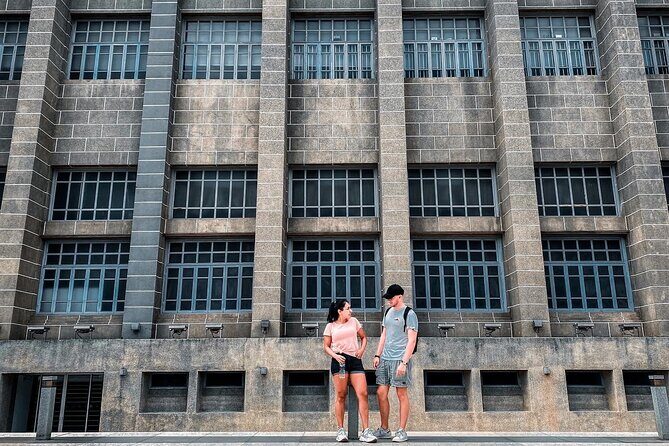
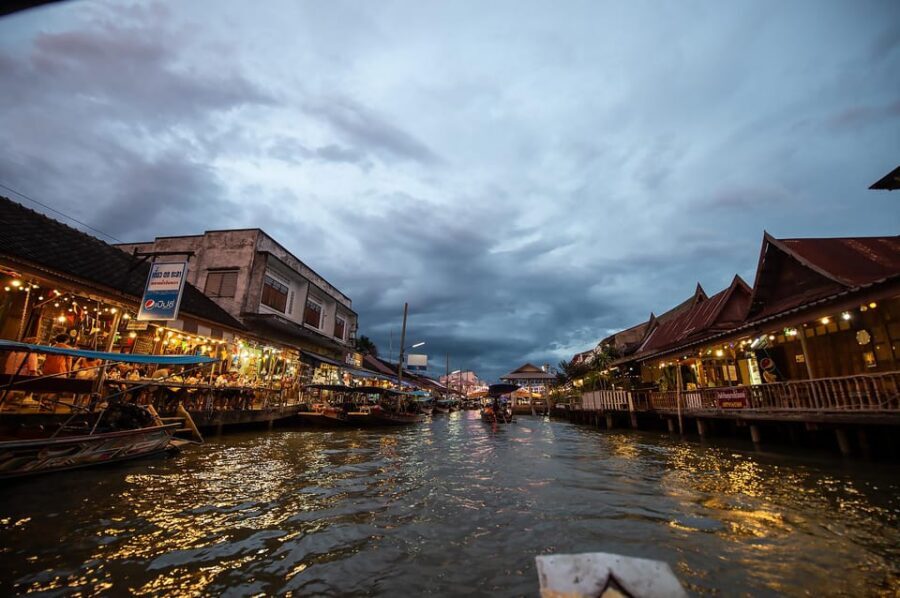
After moving through religious and heritage landmarks, the route enters Talat Noi, described as the small market area within Chinatown. You’ll spend about 1 hour 30 minutes here, which is the longest stretch of the tour.
This is where the atmosphere changes. Talat Noi is described as a timeworn community with generations of Chinese-Thai families, where everyday streets and old neighborhood life still show through.
You’ll also start to notice the street art more clearly in this part of Bangkok. The tour is built around that “past and present colliding” feeling—historic walls and modern creativity in the same frame.
Practical tip: wear comfortable shoes here. Talat Noi is the part of the day where walking feels more like wandering, and you’ll want your feet to keep up.
Rong Kuak Shrine: the Hakka-Chinese heritage thread
Within Talat Noi, you’ll visit Rong Kuak Shrine (Chao Hon Wong Kung Shrine). This is presented as a hidden cultural stop tied to Hakka-Chinese heritage, established in the early Rattanakosin era.
The shrine enshrines Hon Wong Kung, a deity venerated within that community. Even though this stop is only about 10 minutes, it adds a deeper ethnic and religious layer to everything you’ve seen so far.
This is the kind of stop that makes a heritage tour feel different from a standard walking loop. It connects the neighborhood identity to a specific tradition, not just general “culture.”
Street art you can actually find (without fighting crowds)
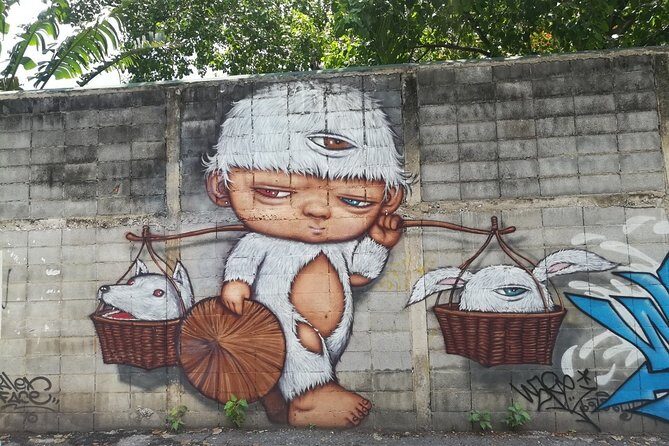
Street art is part of the tour theme, and it’s not treated like a separate add-on that happens only at the end. You’re told to expect street art discoveries along the quiet backstreets, where the city’s heritage and present-day creativity meet.
The most helpful thing about this approach is how it prevents the street art hunt from becoming random. With a guide leading the walk, you’re more likely to see the street art in context—on routes where it makes sense next to historic buildings, warehouses, and community structures.
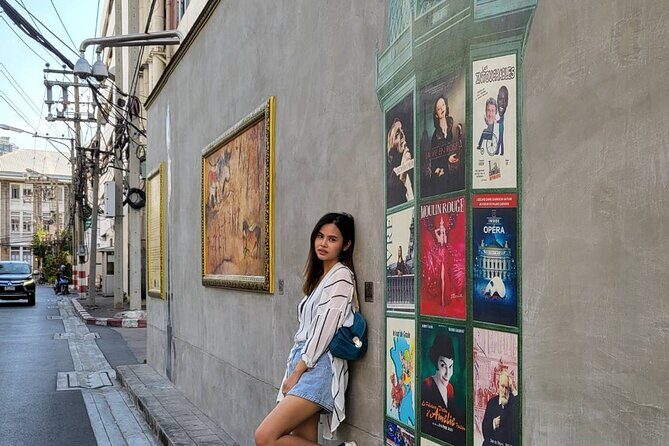
If you like photos, this tour is photo-friendly. If you don’t care about photos, you can still enjoy it as a story of how Bangkok changes on the outside while keeping older meanings under the paint.
Food, snacks, and $83.17: does it feel like value?
The price is $83.17 per person, and the tour lasts about 4 hours 20 minutes. For Bangkok, that pricing sits in the “you’re paying for guidance and convenience” category—not a low-cost DIY walk.
Here’s what you get for that money:
- Hotel pickup
- An English-speaking guide
- Small meal
- Snacks
- Drinking water
- The listed sights have free admission
When a tour includes food, snacks, and pickup, it stops feeling like you’re just buying someone’s talking time. You’re also buying a plan—where to go, what to notice, and how to connect the dots between religion, trade history, and street-level art.
And based on recent tour feedback, the guides have been attentive about dietary needs, which matters. Food tours are only good when everyone in the group can eat comfortably.
How the day runs: timing, private pace, and the Talat Noi finish
You meet around 9:00am, and you’ll be walking for most of the morning/early afternoon. Since it’s private, your pace can feel less like a cattle-car schedule.
The tour ends in Talat Noi—not back at your hotel. That’s not a dealbreaker, but you should plan for it. If you’re staying farther away, you’ll want to have an easy route ready for your own transport from Talat Noi after the tour ends.
Also, the tour is designed to be near public transportation. That can help if you’re planning how to get to the start area or how to leave afterward.
Rain plan and what to pack
The tour operates rain or shine. Tropical downpours can happen, and the operator notes that showers usually don’t last long, but they will seek shelter if weather hits hard and continue when it improves.
So pack for wet conditions. A raincoat or poncho is a good idea. Skip the flimsy umbrella unless you know you’ll keep it from turning into a sail.
For shoes, think all-day walking. This is not a sitting tour, and Talat Noi is where your feet will notice it most.
Who this tour suits best
This is a great fit if you want Bangkok with more texture than the main tourist lanes. You’ll like it if you:
- enjoy walking through real neighborhoods like Charoen Krung and Talat Noi
- want a mix of churches, temples, and street art
- care about food that locals actually line up for
- prefer a private, small experience rather than a big group shuffle
It’s not recommended if you have walking disabilities, since it’s still an active walking route.
Should you book this Bangkok heritage & street art walking tour?
Yes, if your ideal Bangkok day is part heritage, part street-level creativity, and part eating something you’ll remember. The value improves a lot because the tour includes pickup, a meal, snacks, water, and free admission at the listed stops, while still spending meaningful time in Talat Noi.
Wait or skip if you don’t like walking, or if having the tour end in Talat Noi would create a headache for your schedule. Also, if you’re expecting street art as the main event like a dedicated mural tour, you may find it mixed into a heritage-first route. Still, the street art focus is present throughout the backstreets.
In short: this tour is a smart way to see Bangkok’s multicultural layers and its modern street expression without crossing the city for every stop.
FAQ
What time does the Bangkok Heritage & Street Art Private Walking Tour start?
The start time is 9:00am.
How long is the tour?
It runs for about 4 hours 20 minutes.
Is this tour private?
Yes. It’s a private tour/activity, so only your group participates.
Do you get hotel pickup?
Yes, hotel pickup is included.
Where does the tour end?
The tour ends in Talat Noi, so you’ll need to arrange your own way back to your hotel afterward.
Is the admission fee included for the sights?
The stops listed have admission marked as free.
What’s included in the price besides the guide?
Included items are hotel pickup, an English-speaking guide, a small meal, snacks, and drinking water.
Is tipping included?
No. Gratuities for the guide are optional and not included.
Does the tour run in bad weather?
The tour operates rain or shine. The operator tries to seek shelter during heavy rain and continue afterward, but cancellations due to weather are not eligible for a refund.
Can the guide accommodate dietary needs?
Based on past experiences with this tour, the guide has accommodated different dietary needs.