REVIEW · BANGKOK
Bangkok Shadows: Ghosts, Haunted Temples & Dark Secrets
Book on GetYourGuide →Operated by MONKEY TRAVEL ASIA by Ask Discovery · Bookable on GetYourGuide
Bangkok night stories have a way of sticking. This 3-hour walking tour threads together grim temple sites, execution-era backstreets, and spirit traditions, with your guide turning the city’s shadows into a moving story. You start near Romsai Coffee, then work your way through landmarks like Wat Saket and the Giant Swing, stopping for food and for the kind of tales that make you watch your step.
What I like most is the street-level focus: you’re guided through lanes and corners you’d probably skip on your own. I also really value that dinner is part of the experience, and the meal is treated like something local and lived-in, not a generic tourist stop.
One drawback to keep in mind: the spooky factor can depend on the crowd and the sound level. Bangkok is Bangkok, and if it’s loud or bright in spots, the ghost-and-haunted-temple mood may feel more like story time than horror movie night.
In This Review
- Key points worth knowing before you go
- Entering Bangkok Shadows: what the night feels like
- Meeting at Romsai Coffee: the start of the story
- Golden Mount and Wat Saket: plague shadows and a very serious beginning
- A traditional food stop that actually feels local
- Phi Rong Temple: when the living feed the unseen
- Samranrat Ghost Gate: the legend of an exit for the dead
- Suan Rommaneenart Prison: punishment that echoes in the air
- Wat Thepsirin and the cremation of criminals and the disgraced
- Dev Mandir Temple, Wat Suthat, and the Giant Swing: rituals and accidents
- The guide experience: Jeed’s storytelling style is the real engine
- Price and value: $79 for three hours of dark, practical Bangkok
- Practical tips so the night goes smoothly
- Should you book Bangkok Shadows?
- FAQ
- How long is the Bangkok Shadows tour?
- Where do I meet the guide?
- What language is the guide?
- Is dinner included?
- What is the price per person?
- Is this a private group tour?
- Is the tour suitable for wheelchair users or mobility impairments?
- What items are not allowed on the tour?
Key points worth knowing before you go
- Guide Jeed leads with energy, and he links temple details to the city’s darker themes in a way that makes them easy to follow.
- Wat Saket and Golden Mount are presented with plague-era ghost storytelling that sets a serious tone early.
- Phi Rong Temple is included for a very human reason: locals offer food, flowers, and incense to honor ancestors.
- Samranrat Ghost Gate gets special attention as a historic idea of an exit for the dead in Bangkok.
- Suan Rommaneenart Prison and Wat Thepsirin focus on punishment and cremation stories tied to criminals and the disgraced.
- The Giant Swing and Wat Suthat close things out with rituals, accidents, and local legend, not just sightseeing photos.
Entering Bangkok Shadows: what the night feels like
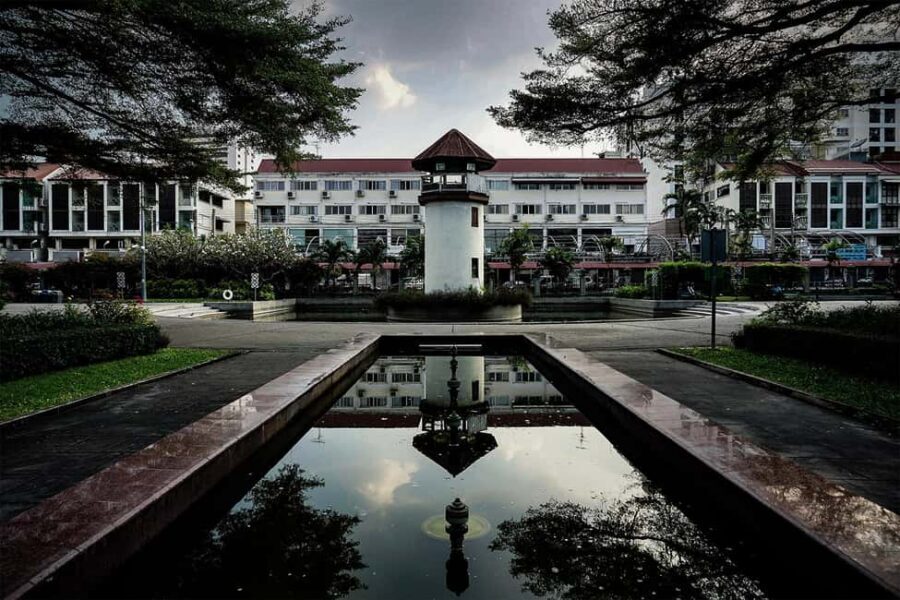
This tour is built like a night walk with chapters. You’re not just ticking off temples. You’re getting a guided narrative that moves from sickness and fear, to punishment, to the rituals people still perform when the dead are part of daily life.
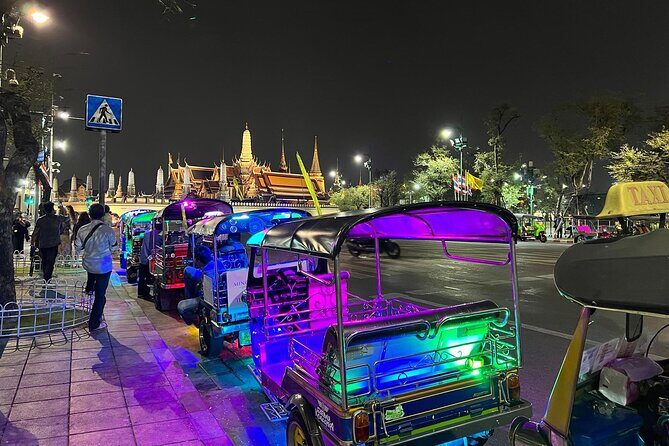
You’ll be walking at night in central Bangkok, where neon is common and streets can feel busy. That matters, because the experience isn’t purely a ghost hunt. It’s more about how Bangkok’s past shows up in place names, temple functions, and street traditions. If you come wanting chills only, you might leave a bit undecided. If you come wanting context plus storytelling, you’ll probably feel satisfied.
The group is a private group with an official English/Thai guide, and that helps. You should still plan to tune in closely: English can be solid, but street noise is street noise.
You can also read our reviews of more tours and experiences in Bangkok.

Meeting at Romsai Coffee: the start of the story
Your tour begins at Romsai Coffee, with your guide waiting there. This is a practical advantage in Bangkok: meeting points can be a maze, so having a clear, fixed start helps you get your bearings fast.
Traffic can delay arrival, so give yourself buffer time. Once you’re with the group, the pace is designed to keep the story flowing rather than turning the night into a series of long waits.
Bring a camera or phone. The tour is the kind where details can pass quickly, and the dim lighting at some stops makes it easy to miss small things you’ll want to look at later.
Golden Mount and Wat Saket: plague shadows and a very serious beginning
The night kicks off around Golden Mount and Wat Saket. The tour presents this area with stories tied to plague victims and screams in the shadows. Even if you’re skeptical about ghost claims, the way the guide frames the setting matters. Bangkok didn’t become Bangkok by being gentle. Disease, fear, and overcrowding left a mark, and the tour leans on that emotional realism.
Wat Saket is also a good anchor stop. It’s the kind of place where you can feel how a city builds meaning into religious space. One second you’re watching the street life around you; the next, you’re hearing a story that turns the same ground into something heavier.
Drawback check: this is a popular area, and the lighting can be bright. If you’re hunting for true horror-movie darkness, you may not get it. But you do get atmosphere plus a strong opening chapter that pulls you forward.
A traditional food stop that actually feels local
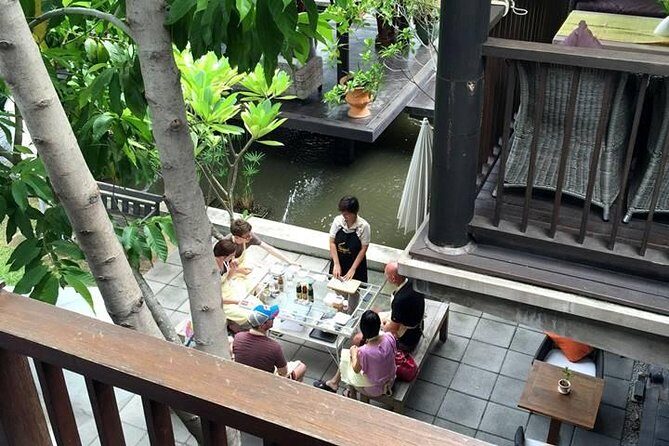
After the early temple segment, you’ll enjoy traditional Thai food at a local restaurant. Dinner is included, and the message is clear: you’re eating with the night’s theme in mind.
This is one of the most praised parts of the experience. People who care about eating well on trips often love tours that don’t hand you a predictable menu. Here, the meal is treated as part of the story, and the food is described as authentic and tasty, not basic.
Practical tip: the tour includes food and drinks, but you’ll want to eat with your shoes on and your energy saved. This isn’t a sit-and-chat dinner. It’s fuel for the next legs of the walk.
Phi Rong Temple: when the living feed the unseen
Next comes Phi Rong Temple, where locals gather with offerings like food, flowers, and incense. This stop shifts the tone in an important way.
Instead of focusing only on fear, you get a tradition that’s more about respect than terror. The guide explains how these offerings bridge the worlds of living and departed. You’ll see the human side of what can sound spooky on paper: family, spirituality, and a belief that gratitude doesn’t end at death.
I like this stop because it balances the night. It reminds you that these stories aren’t just meant to scare. They’re part of how Thai culture holds memory, guilt, love, and responsibility all at once.
If you’re hoping for more action or jump-scares, you may find it calmer here. But if you care about meaning, this is often the most powerful moment.

Samranrat Ghost Gate: the legend of an exit for the dead
Then you move to Samranrat Ghost Gate, described as historically the only exit for the dead in Bangkok. The idea is stark, and the tour leans into it: a gate isn’t just architecture when a city believes the dead pass through it.
This stop works well for two reasons. First, it gives you a concrete landmark to attach the story to. Second, it turns your walking route into something symbolic. You’re not only hearing about the past. You’re literally moving along a path that the tour frames as part of a darker system.
Even if you don’t treat the ghost element as literal, the story helps you understand why Bangkok’s religious sites and city layout can feel morally charged. The city remembers through names, thresholds, and routes.
Suan Rommaneenart Prison: punishment that echoes in the air
After that, you head to Suan Rommaneenart Prison, a former site of punishment, imprisonment, and executions. The tour doesn’t tone it down. It presents the prison as a place where horror lingered, and that shapes your mood as you walk.
This is one of the stops where the guide’s ability to connect location to theme matters. You’re not there to learn trivia. You’re learning how a city uses physical places to carry emotional weight.
And yes, this is also where Bangkok noise can get in the way of the “screams never die” vibe. If the street is lively, you may not get that full chilling effect. But the story still lands, especially if you’re the type who enjoys darker themes treated respectfully.
Wat Thepsirin and the cremation of criminals and the disgraced
Another major chapter is Wat Thepsirin, described as once the main crematorium for criminals, outcasts, and the disgraced. This is heavy material.
What I like about this approach is that it doesn’t flatten people into villains and victims. It highlights what happens when a society decides who matters in life—and then how it handles them after death.
This stop also helps you connect the dots with the earlier plague and ghost-gate themes. Bangkok’s darkness isn’t only supernatural. It’s also social: punishment, stigma, and the machinery of control.
The tone here is more serious than spooky. If you’re okay with that, you’ll leave with a deeper understanding of how the city’s spirituality and justice systems can overlap in surprising ways.
Dev Mandir Temple, Wat Suthat, and the Giant Swing: rituals and accidents
As the tour continues, you’ll visit Dev Mandir Temple (Hindu Samaj Bangkok) as well as Wat Suthat and the Giant Swing. This part of the walk brings a different flavor—still tied to legend, but less about death and more about how rituals shape public space.
The Giant Swing and Wat Suthat are described as locations holding centuries of rituals, accidents, and local legends. That mix is part of why these sites matter. They’re not just pretty. They’re where big events happened, where something went wrong, and where people kept returning anyway.
Also, this is a good finale zone. By the time you reach the Giant Swing, you’ve already been primed to look at Bangkok as a city that stores stories in everyday landmarks. You’ll likely find yourself slowing down for photos, even if you told yourself you wouldn’t.
The guide experience: Jeed’s storytelling style is the real engine
In the reviews, one name shows up again and again: Jeed. People consistently point to his energy and his ability to make the night click. The best part isn’t just that he has facts. It’s that he connects those facts to what you’re seeing at each stop.
If you enjoy a guide who can switch between cultural explanation and darker narrative, you’re in the right place. Jeed seems to hit both the history side and the street side, including the food and why the stops feel chosen rather than random.
One note: your ability to follow the English part can depend on focus and on the noise around you. If you’re the type who tunes out when there’s chatter, you may want to ask the guide to repeat key points.
Price and value: $79 for three hours of dark, practical Bangkok
At $79 per person for 3 hours, you’re paying for three things at once: an official guide, a structured route, and dinner included. In Bangkok, that can be good value if you’d otherwise spend time figuring out where to go and what to ask.
You’re also buying into a specific style: walking plus storytelling with a clear theme. If you want only temples and photo stops, you may find this costs more than you expected. But if you like how guided narrative changes the meaning of a place, the price makes sense fast.
I also like that food is included. That’s a real expense you don’t have to plan for mid-tour, and it keeps the momentum moving.
Practical tips so the night goes smoothly
Here’s how to set yourself up for an easier, better experience:
- Wear comfortable shoes. You’ll be walking, and the night adds friction.
- Bring a camera or phone to catch what you might miss in motion.
- Carry some cash for personal needs. Food and drinks are included, but you might still want water or small extras.
- Skip luggage or large bags. Large items aren’t allowed, and Bangkok crowds don’t forgive awkward carrying.
- Avoid alcohol and drugs. Alcohol and drugs are forbidden on the tour.
- If you need step-free access, plan carefully. This tour isn’t suitable for people with mobility impairments or wheelchair users.
And one more small mindset tip: treat the ghost and haunted angle as storytelling as much as spectacle. That way, even if the “scary” part feels muted in bright or loud sections, you’ll still get value from the cultural and historical framing.
Should you book Bangkok Shadows?
Book this if you want Bangkok with a darker lens and a strong guide. You’ll probably like it most if you’re the type who enjoys how cities remember—through gates, prisons, temples, and the way people continue offering incense at places like Phi Rong Temple.
Don’t book it if you’re chasing a strict horror experience. The tour is more about narrative and place-based storytelling than jump scares. Also, if you’re highly sensitive to noise or you need quiet to enjoy explanations, the atmosphere in central Bangkok could make parts harder to follow.
If you want one clear recommendation: bring curiosity, walk with respect for the heavier themes, and let Jeed’s story lead you. When it clicks, this is one of the more memorable ways to see Bangkok at night—less postcard city, more lived-in shadow.
FAQ
How long is the Bangkok Shadows tour?
The tour lasts 3 hours.
Where do I meet the guide?
You meet at Romsai Coffee. The guide will be waiting there.
What language is the guide?
The live guide speaks English and Thai.
Is dinner included?
Yes. Dinner is included, and food and drinks are part of the experience.
What is the price per person?
The price is $79 per person.
Is this a private group tour?
Yes, it’s a private group.
Is the tour suitable for wheelchair users or mobility impairments?
No. It is not suitable for people with mobility impairments or wheelchair users.
What items are not allowed on the tour?
You can’t bring luggage or large bags, and alcohol and drugs are forbidden.