REVIEW · BANGKOK
Bangkok’s Three Iconic Temples: Wat Traimit, Wat Pho & Wat Arun
Book on Viator →Operated by Sightseeingbangkok.com · Bookable on Viator
Three temples in one tight plan.
This Bangkok tour puts Wat Traimit’s Golden Buddha in Chinatown, Wat Pho’s Reclining Buddha near the Emerald Buddha area, and Wat Arun’s riverside Temple of Dawn on the Chao Phraya into a smooth, easy schedule. I like that admissions are included for all three stops, so you’re not juggling ticket lines. I also like the small-group feel (max 15) and the chance to hear a professional English guide clearly.
The main drawback to know is that each temple stop is timed (about 30 minutes each), so you won’t have hours to wander slowly inside every hall. Also, you’ll want to dress right for temples—shoulders and knees covered—because Bangkok’s rules are less about comfort and more about respect.
In This Review
- Key highlights you’ll actually feel
- Why Wat Traimit, Wat Pho, and Wat Arun in One Run?
- Meeting Point, Timing, and How the Tour Stays Comfortable
- Wat Traimit: The Golden Buddha in Bangkok’s Chinatown
- Wat Pho: Reclining Buddha and the Temple Complex You Can’t Ignore
- Wat Arun on the Thonburi Riverbank: Temple of Dawn in Profile
- The Cruise Break: Why Pairing Temples With the River Works
- What the English-Speaking Guide Actually Adds
- Price and Value: Is $132.94 Worth It?
- Who Should Book This Temple + Cruise Tour?
- Should You Book This Tour?
- FAQ
- FAQ
- Which temples are included?
- How long does the tour take?
- Is the tour a private tour or a join group?
- Where do join tours meet in the city?
- Does the tour include hotel pickup and drop-off?
- Are entrance fees included?
- What should I wear to visit the temples?
- How big is the group?
Key highlights you’ll actually feel
- Three megatempIes, no guesswork: Wat Traimit, Wat Pho, and Wat Arun in one run
- Included entry tickets for each temple stop listed on the program
- English guide focus: culture and history explained so you’re not stuck reading plaques
- Small group limits (up to 15) help keep the pace sane
- Air-conditioned transport between sites, which matters in Bangkok heat
- Temple time paired with a cruise for river views and a break from walking
Why Wat Traimit, Wat Pho, and Wat Arun in One Run?
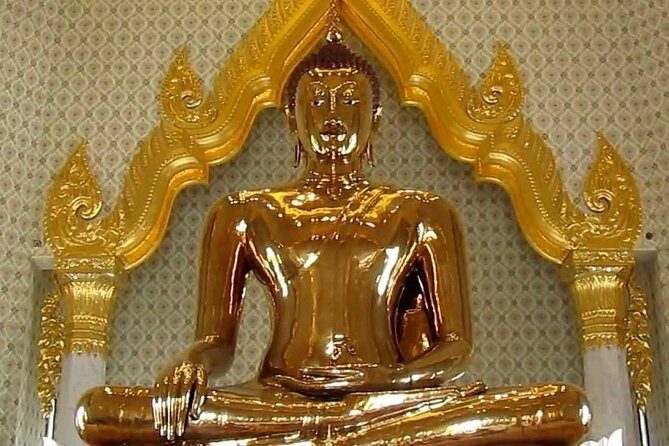
If you’re seeing Bangkok for the first time, these three temples act like a greatest-hits playlist. You get gold-metal spiritual awe at Wat Traimit, major Buddha imagery at Wat Pho, and that unmistakable “Temple of Dawn” silhouette at Wat Arun along the river.
Doing them together also saves your energy for what matters. Bangkok temples are spread out, and crossing logistics can eat half a day fast if you’re planning on your own. A single guided route helps you get your bearings fast while still covering the big visual payoffs.
You can also read our reviews of more tours and experiences in Bangkok.


Meeting Point, Timing, and How the Tour Stays Comfortable
This is built as a 3 to 5 hour experience, so it’s the kind of tour that fits when you have limited time but still want real highlights. There’s a clear start point depending on your booking: join at BTS Saphan Taksin (Exit 2, downstairs), or use hotel pickup where available.
You’ll start with instructions like waiting about 15 minutes before departure time if you’re meeting at a hotel lobby. From there, you move by air-conditioned vehicle, and that’s not a small detail in Bangkok—temple days mean walking, humidity, and sun.
Dress matters here. The guidance is conservative across Asia, especially at temples: cover shoulders and knees, and pick loose, lightweight layers so you stay comfortable in the heat.
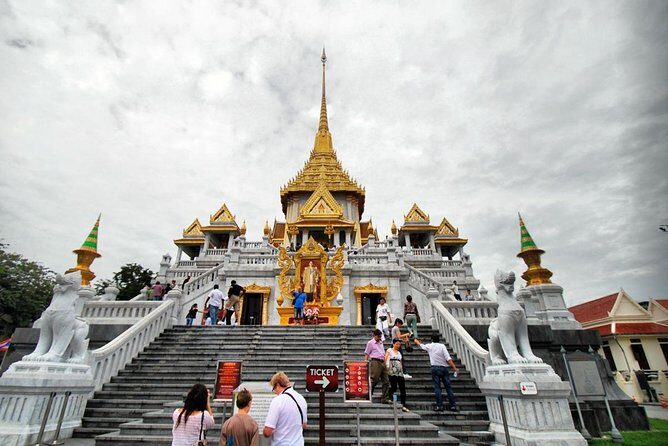
Wat Traimit: The Golden Buddha in Bangkok’s Chinatown
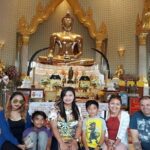
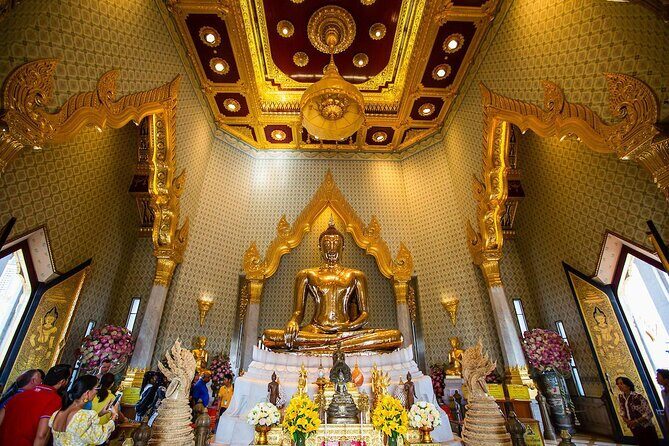
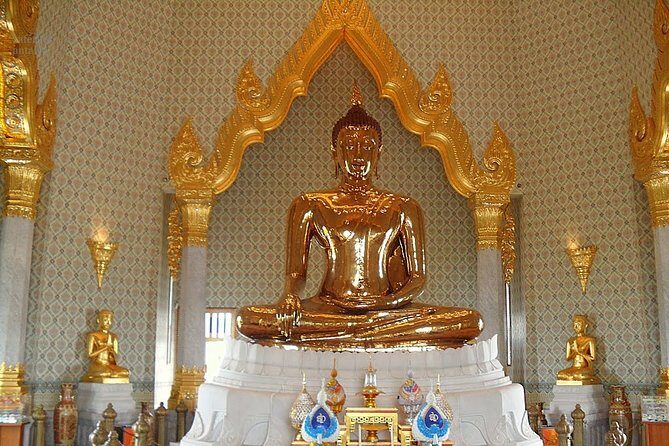
Wat Traimit is famous for housing the world’s largest solid gold Buddha statue, weighing over 5.5 tons. Even if you’ve seen gold statues in photos, the real thing lands differently because it’s physical weight and real craftsmanship, not just a shiny idea.
You’ll get about 30 minutes here, which is usually enough time to see the main sights and understand why this temple is so culturally important. Wat Traimit is located in Bangkok’s Chinatown area, so it also gives you a taste of a different neighborhood mood than the river temples.
Practical note: because the statue is the headline, expect your time to be structured around it rather than free-form wandering for an hour. If you love lingering, you might wish you had more time—but if your goal is seeing the key temple points without exhausting yourself, this stop fits the schedule.
Wat Pho: Reclining Buddha and the Temple Complex You Can’t Ignore
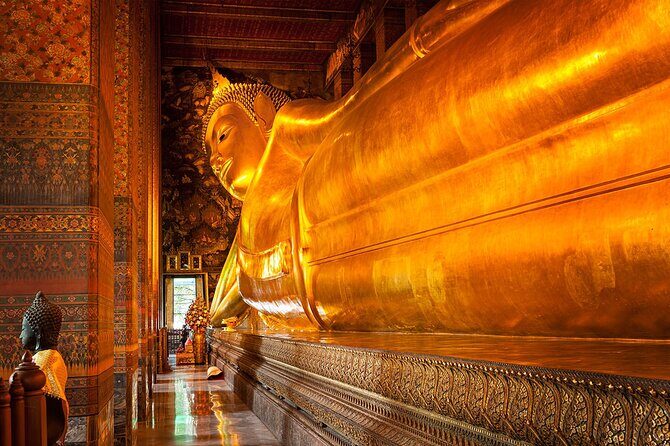
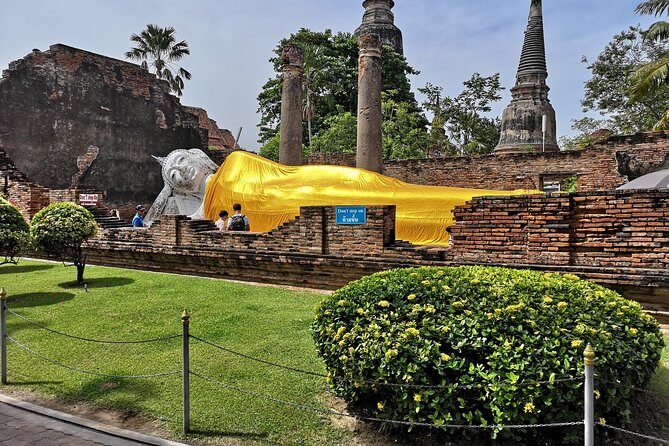
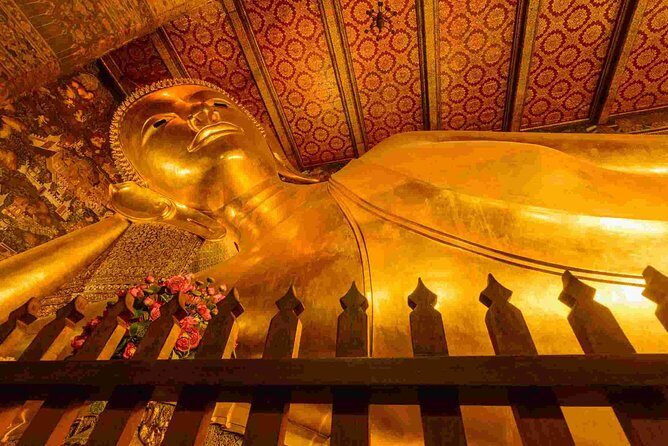
Wat Pho—also called Wat Phra Chetuphon—is right behind the Emerald Buddha area, and it’s a must for first-time visits. It’s known for the Reclining Buddha, and it’s also one of the larger temple complexes in Bangkok, so there’s plenty to look at beyond the main image.
Another 30-minute stop means you’ll focus on what you came for: the big Buddha moment plus a quick orientation to the complex. This is where a guide earns their keep. With the right context, you notice the symbolism and layout, not just the “big statue” headline.
A good temple plan is balance: look first with your eyes, then with your questions. Ask your guide about what makes this temple complex significant in Thai religious life, and you’ll get more meaning out of the visuals. That’s exactly the kind of culture and history explanation included with this tour.
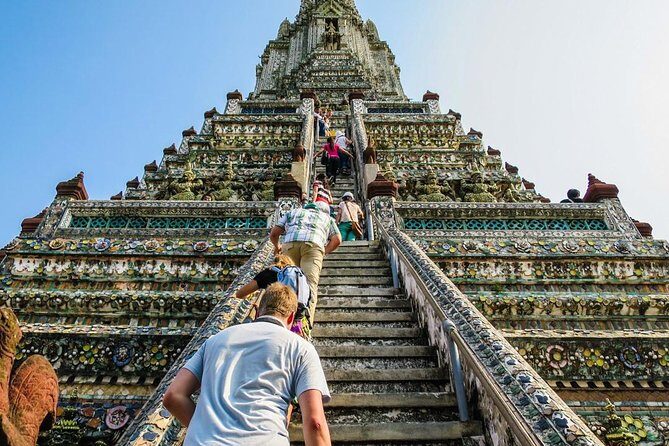
Wat Arun on the Thonburi Riverbank: Temple of Dawn in Profile
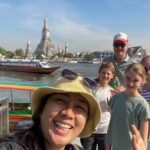
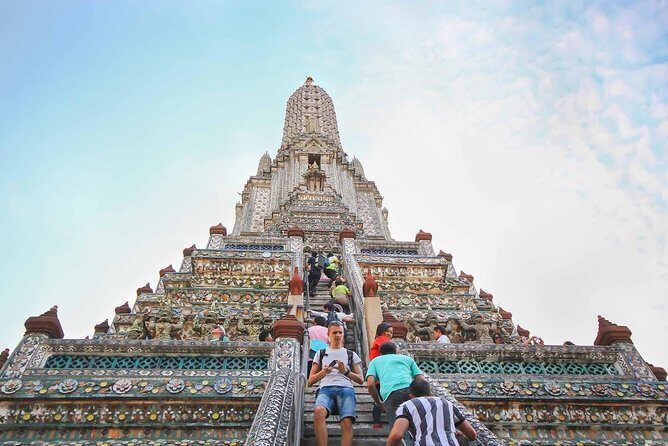
Wat Arun, locally known as Wat Chaeng, is a landmark on the west (Thonburi) bank of the Chao Phraya River. It’s one of those Bangkok temples where the setting is part of the show. The riverside location shapes how you see the towers and angles, and it changes the whole mood compared with temples farther from the water.
Expect about 30 minutes here, focused on getting you the key viewing points without turning it into a long logistics day. Wat Arun is often the temple where photos start to look dramatically better, mainly because you’re working with river light and architectural silhouettes.
If you’re sensitive to crowds, this schedule can feel calmer than free-for-all exploring. You’ll still be in a famous place, but the guided pace keeps you from getting stuck in the slow lane when you only have half a day.

The Cruise Break: Why Pairing Temples With the River Works
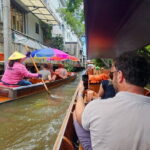
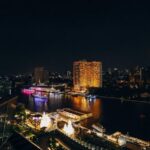
The tour description pairs temple highlights with a sightseeing cruise. Even without long temple hours, the cruise element helps you change pace and see Bangkok’s river context, not just temple walls and gates.
This is a value move as much as a fun one. Temples are intense: heat, walking, stairs, and lots of looking up. A river cruise gives you a reset where you can sit down, catch cool air, and still feel like you’re doing something quintessentially Bangkok.
In your planning, treat the cruise as part of the experience, not optional decoration. If your day is already packed, this pairing is one of the smarter ways to add variety without stretching the total time.
What the English-Speaking Guide Actually Adds
A professional English-speaking guide is included, and that matters more than you might think. Temple visits can be visually impressive but emotionally flat if you don’t know what you’re looking at. A guide helps connect the details—meaning, tradition, and how each temple fits into Bangkok’s story.
One guide name that came up in feedback is Cindy, described as informative and personable. Even if you’re not with Cindy, the point holds: the tour is designed for explanations, not just directions.
Also, the tour is set up to avoid the common pain of group travel: straining to hear and squeezing for space. With a max group size of 15, it’s easier to ask questions and keep your day flowing.
Price and Value: Is $132.94 Worth It?
At $132.94 per person, this is not the cheapest way to see temples—but it’s also not priced like a luxury fantasy. The value equation here is simple: you’re paying for a guide, air-conditioned transport, small-group pacing, and admission included for Wat Arun, Wat Traimit, and Wat Pho (Wat Phra Chetuphon).
If you DIY the route, you’ll likely pay some mix of transport and tickets anyway, and you’ll still spend time figuring out what to prioritize and when. The real savings is less about money and more about stress. You spend your limited sightseeing time understanding the temples instead of planning around them.
Where the price feels especially fair is for first-timers. If you’re new to Bangkok, your biggest risk is choosing too much, not enough, or the wrong order. This tour locks in the essentials in a timed format, so you can say yes and move on.
Who Should Book This Temple + Cruise Tour?
Book this if you:
- Want the three headline temples in one go: Wat Traimit, Wat Pho, and Wat Arun
- Prefer a small group over a large crowd scrum
- Like having history and culture explained in clear English
- Have limited time and don’t want to plan transport between widely separated sites
- Appreciate included entry fees so your budget stays predictable
It’s also a smart fit if you’re traveling with a group that has mixed walking styles. The guided schedule, short temple windows, and vehicle breaks keep the day manageable.
If you hate time pressure inside temples, this might feel a bit quick at each stop. But if your goal is to get the essential moments and move on, the pacing is exactly what you want.
Should You Book This Tour?
I think this tour is a strong choice if you’re visiting Bangkok for the first time and want a clear, efficient day built around real highlights. The included admissions, the English guide, the air-conditioned ride, and the small-group cap add up to practical value, not just a sightseeing checklist.
I’d skip it—or at least consider adding extra self-guided time elsewhere—if you want to linger for long stretches inside temples or you’re hoping for lots of off-the-beaten-path exploration. This plan is meant to hit the big three without draining your energy.
FAQ
FAQ
Which temples are included?
The tour includes admissions to Wat Traimit, Wat Phra Chetuphon (Wat Pho), and Wat Arun.
How long does the tour take?
The duration is listed as 3 to 5 hours approximately.
Is the tour a private tour or a join group?
It can be joined (with a small-group format) and there is also an upgrade option to a private tour for a more personalized experience.
Where do join tours meet in the city?
Join tours meet at BTS Saphan Taksin station Exit 2 (downstairs).
Does the tour include hotel pickup and drop-off?
Hotel pickup and drop-off are included, but it notes an exception: excluding tours departing from Saphan Taksin.
Are entrance fees included?
Yes. Admission is included for Wat Arun, Wat Traimit, and Wat Phra Chetupon (Wat Pho).
What should I wear to visit the temples?
Dress standards are conservative. You’re advised to cover shoulders and knees, and choose loose, lightweight clothing for comfort in the hot climate.
How big is the group?
The tour has a maximum group size of 15 travelers.